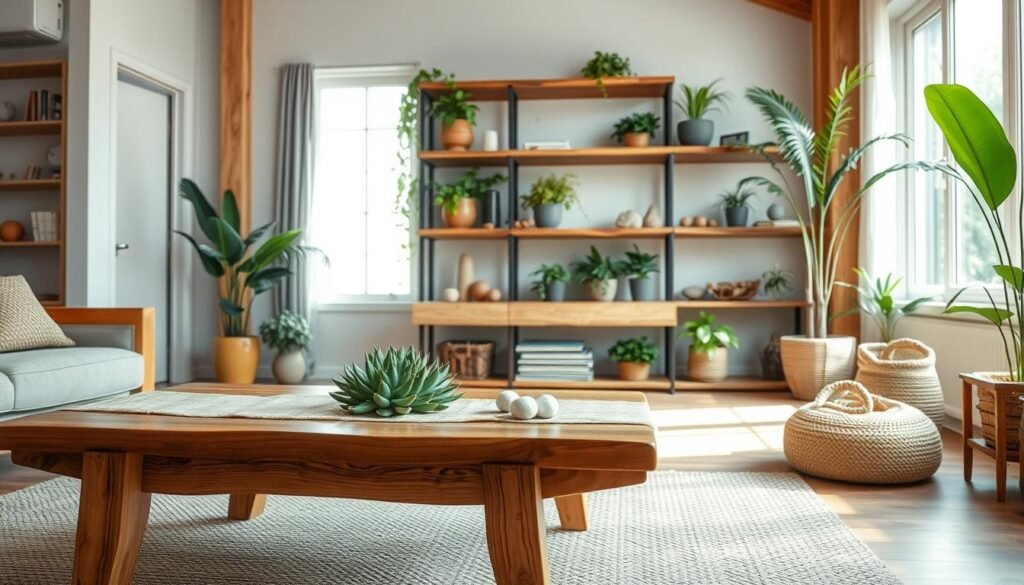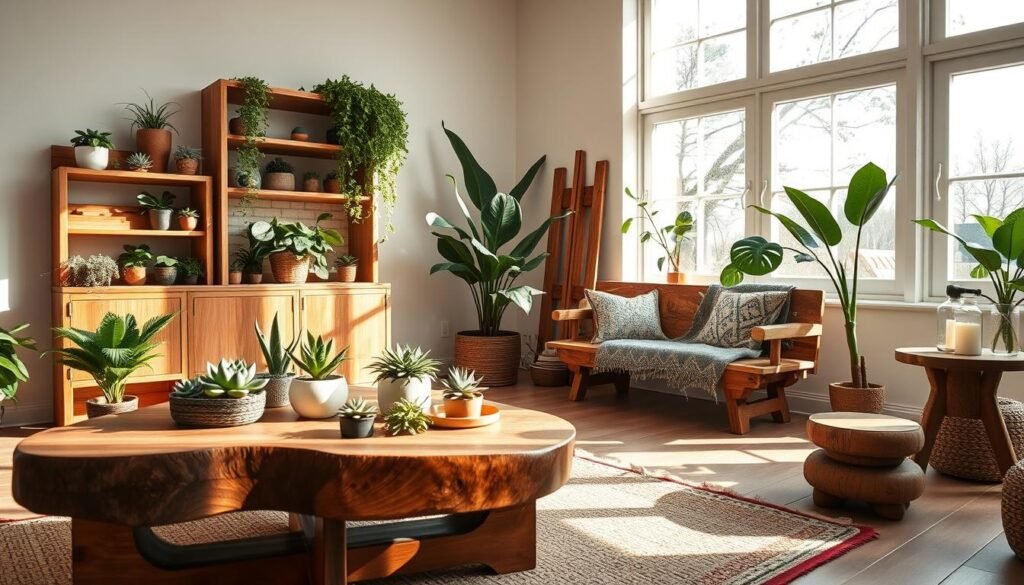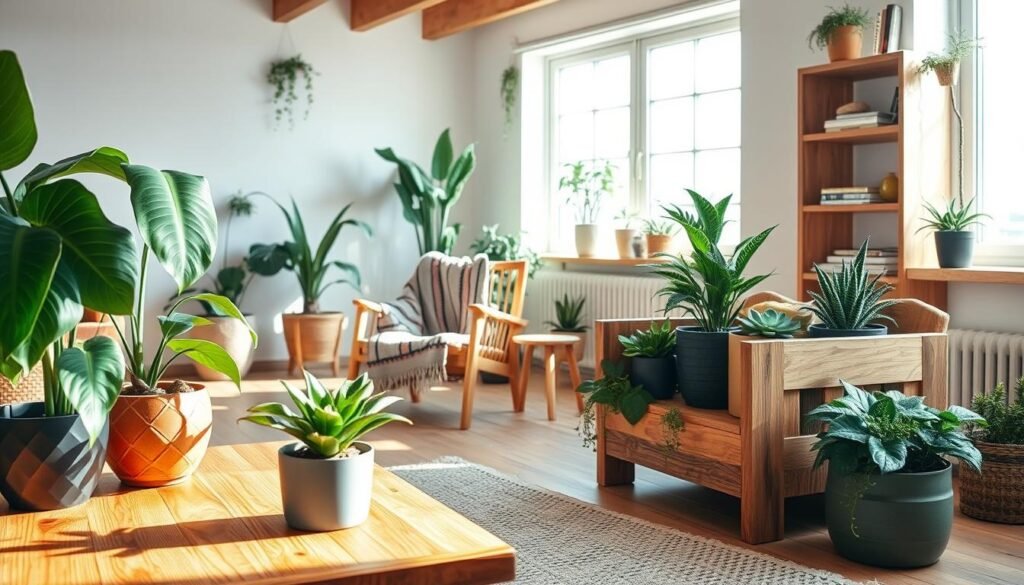
Being at home can sometimes make us yearn for a deeper connection to nature. As we spend more time indoors, feeling disconnected from nature is common. Adding elements of nature to our homes can greatly improve our well-being.
Biophilic design helps us bring nature indoors. It combines plants and wood accents for a peaceful atmosphere. By pairing indoor plants with warm wood accents, we make our space cozy and inviting.
This combination helps connect our indoor and outdoor spaces. It brings balance and calm to our daily lives.
The Indoor Disconnect: Why We Crave Natural Elements
Spending more time indoors has made us feel disconnected from nature. Try bringing in a few wood planters. This feeling, known as the “indoor disconnect,” happens even when we’re in our cozy homes. It’s like we’re missing out on the outdoors, even when it’s right outside our windows.
Our homes are meant to be safe and comfortable. But they often lack the beauty and life of the outdoors. Adding natural elements to our homes can help bridge this gap. It brings us a sense of calm and well-being.

Biophilic design is becoming more popular in home decor. It focuses on connecting us with nature. By using plants and wood, we can make our homes feel more natural and peaceful.
There are easy ways to bring nature into your home. You can add plants, use wooden furniture, or choose natural materials for decor. These changes not only make your home look better but also help you feel more connected to nature.
Understanding Biophilic Design: The Power of Natural Connections
As we keep building cities, biophilic design is a key solution. It brings nature back into our lives by adding natural elements to our buildings.
Biophilic design connects our indoor and outdoor spaces, boosting our well-being. It does this by using indoor plants, natural materials, and elements that remind us of nature.
How Biophilic Design Enhances Well-being
Biophilic design helps us in many ways:
- It reduces stress and anxiety with its calming natural feel.
- It improves air quality with the help of indoor plants.
- It lifts our mood and boosts productivity by letting in natural light and materials.
To learn more about adding natural touches to your space, check outThe Sawdust Man. They share tips on using natural decor in your home.
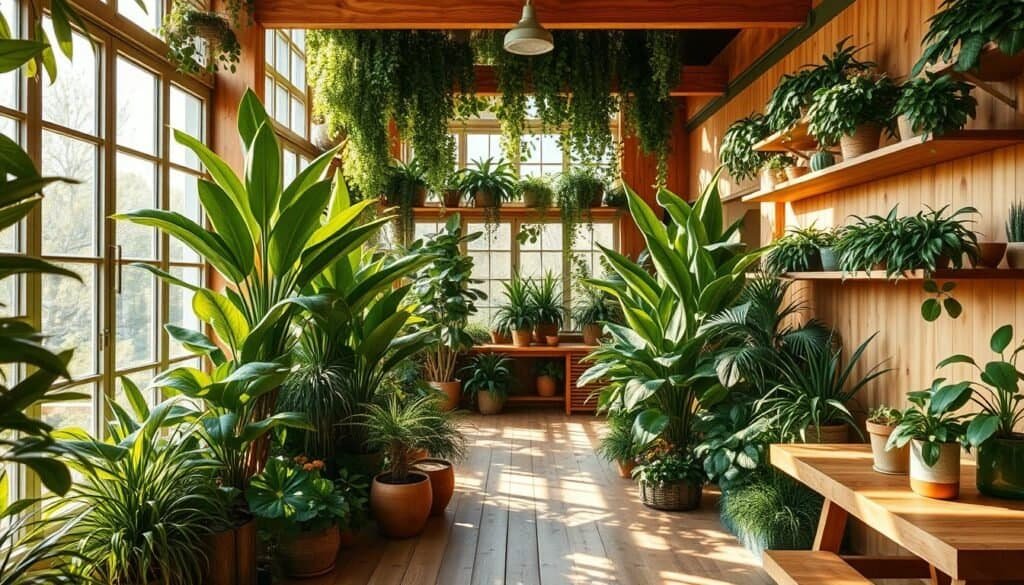
By learning and using biophilic design, we can make our home decor not just pretty but also good for our health and happiness.
Feeling Disconnected Indoors? Try Pairing Your Plants With a Warm Wood Accent
To fight the feeling of being disconnected indoors, try pairing your plants with a warm wood accent in your entryway. This simple trick can make your space look better. It’s a great way to improve yourhome decor.
Indoor plants are not just pretty; they also clean the air and make your home healthier. Adding a warm wood accent to them creates asimple aesthetic home decorthat feels welcoming. For example, a potted plant on a wooden side table can warm up a room.
Choosing the right tones is key when pairing plants with wood accents. A plant with green leaves looks good with a wooden accent that has a natural, earthy tone. For more ideas, check outwood-inspired plant decor.
Some great indoor plants for wood accents include snake plants, spider plants, and peace lilies. These plants are easy to care for and add greenery to your space.

By adding plants and wood accents to your decor, you can make your home cozy and inviting. This simple way topair plantswith awarm wood accentimproves your home’s look and makes you feel better.
Finding Your Perfect Wood Tone: A Guide to Complementary Pairings
Finding the right wood tone can make your plants and home decor shine. When pairing plants with wood, think about their color and texture. This will help you achieve a balanced look.
Consider the Plant’s Color: Pick a wood tone that goes well with your plants’ colors. For instance, if your plants have bright green leaves, a warm wood like oak can look great together.

For a softer look, choose a wood tone that matches the soil’s earthy tones, like walnut or pine. Trying out different pairs will help you find the perfect match for your home’s style.
By carefully choosing a wood tone that complements your plants, you can make your home feel welcoming and cohesive.
10 Stunning Plant and Wood Accent Combinations to Try Now
Make your home look better by mixing plants with wood accents. These 10 unique pairs blend plants’ natural beauty with wood’s warmth. This creates a cozy and balanced living area.
1. Minimalist Chic: Use a sleek, low-profile wooden planter with simple succulents for a modern vibe.
2. Rustic Charm: Add a reclaimed wood shelf with ferns for a rustic feel in your garden.

3. Coastal Vibes: Get beachy vibes with driftwood-inspired planters and coastal plants like beach grasses.
- 4. Boho Luxe: Mix textures with a wooden macrame hanger and a lush plant like Boston ferns.
- 5. Modern Farmhouse: Pair a wooden crate with herbs or succulents for a charming display.
6. Nature-Inspired: Use a wooden log or branch for a small plant like a fern or peace lily.
- 7. Scandinavian Simplicity: Choose a light-colored planter with a simple plant like a snake plant for a minimalist look.
- 8. Tropical Oasis: Mix a wooden planter with a colorful, exotic plant like a bromeliad for a tropical feel.
9. Industrial Edge: Add an industrial vibe with a reclaimed wood planter and a modern plant like a snake plant.
10. Whimsical Woodland: Bring the forest in with a wooden planter and a lush, green plant like a fern.
These 10 plant and wood combinations offer many styles for your home decor. Whether you want something modern or cozy, there’s a perfect pair for you.
Corner Transformations: Creating Plant-Wood Focal Points
Corners are often overlooked but can become stunning focal points. The right mix of plants and wood can make your living room welcoming and beautiful.
Begin by picking a corner stand that fits your decor. Match the wood tone with your furniture’s style. For example, a rustic corner stand can warm up a modern room.
Key Considerations for Corner Stand Decor:
- Select plants that thrive in the corner’s lighting conditions.
- Balance the size of the plants with the scale of the wooden accent.
- Experiment with different textures and colors to add depth.
When placing plants, mix heights and textures for interest. Ferns and dracaena can add layers to your decor.
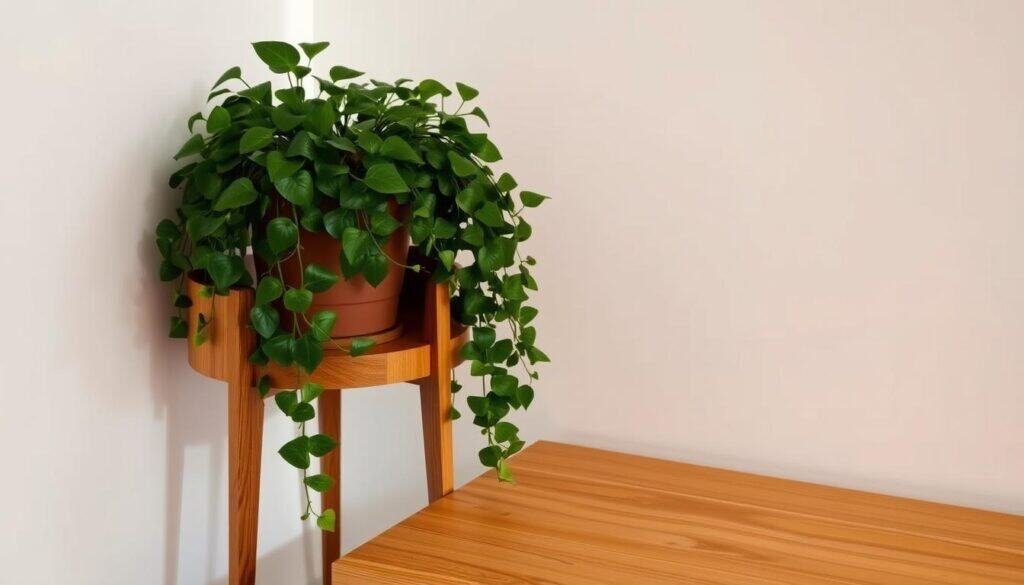
By combining plants and wood creatively, you can turn a corner into a beautiful focal point. It will enhance your room’s look.
Vertical Opportunities: Maximizing Wall Space with Plants and Wood
Adding plants and wood to your walls can make a room come alive. It turns a dull space into a lively one. This method also adds depth and interest to your room.
Using wall plant shelf ideas is a smart way to do this. Wooden shelves and potted plants together create a warm and green balance. It’s a perfect mix.
Key Elements for a Stunning Vertical Display:
- Choose wooden shelves that match your room’s style.
- Pick plants that do well indoors and fit the space.
- Think about the plants’ lighting needs when placing them.

For a bold look, try an indoor plant wall with wooden planters or a trellis. It’s a stunning centerpiece and uses space well.
By mixing plants and wood on your walls, you create a standout display. It boosts your home’s beauty.
Weekend DIY: Simple Wood Plant Stands Anyone Can Make
Learn to make a beautiful wood plant stand in just a few steps. It’s perfect for showing off your favorite plants. This DIY project is great for a weekend, helping you improve your home decor and show off your green thumb.
Making your own DIY plant stands is a fun and rewarding project. You’ll get a unique piece that shows your style. Plus, you’ll save money compared to buying pre-made stands.
To start, you’ll need a few basic things: a wooden plank or crate, wooden dowels or legs, a drill, and screws. You can pick the wood and design that fits your decor.
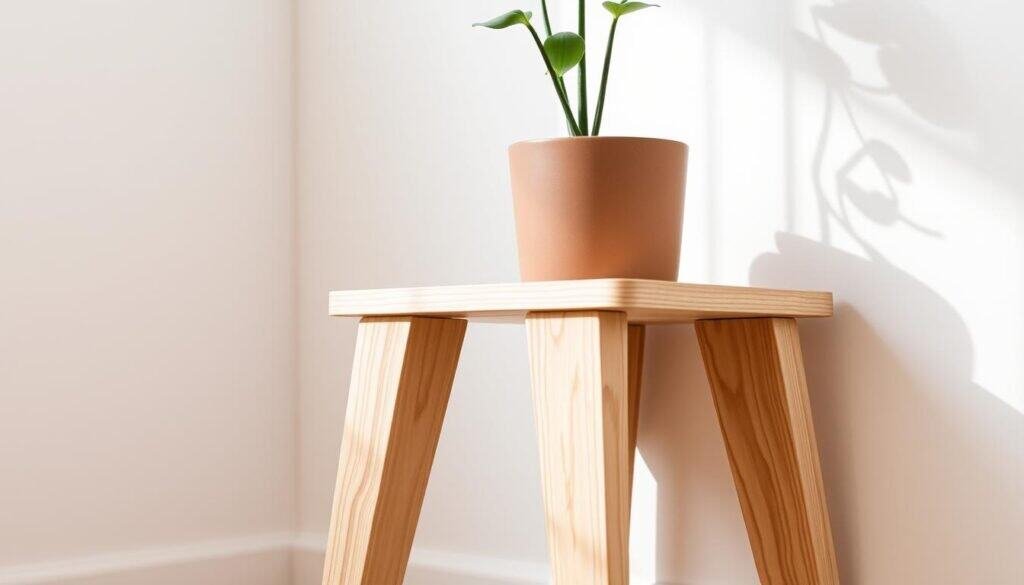
- Cut the wooden plank to the size you want for your plant stand.
- Attach the wooden dowels or legs to the bottom of the plank for stability.
- Drill holes for drainage if you’re using a planter box.
- Sand the wood to smooth out any rough edges.
- Optional: stain or paint the wood to match your home decor.
By following these steps, you can make a homemade plant stand that holds your plants and decorates your home. Get creative with your DIY home decor and enjoy making something unique, like a wood accent.
Room-by-Room Guide: Perfect Plant-Wood Pairings
To make your home look great, pick plants and wood that match each room’s style. Every room is special and can look even better with the right plants and wood.
In the living room, a big wooden coffee table looks great with a tall fiddle leaf fig tree. The wood and green leaves make a beautiful contrast. For a softer look, try a reclaimed wood shelf with small plants like succulents or ferns for your kitchen
.
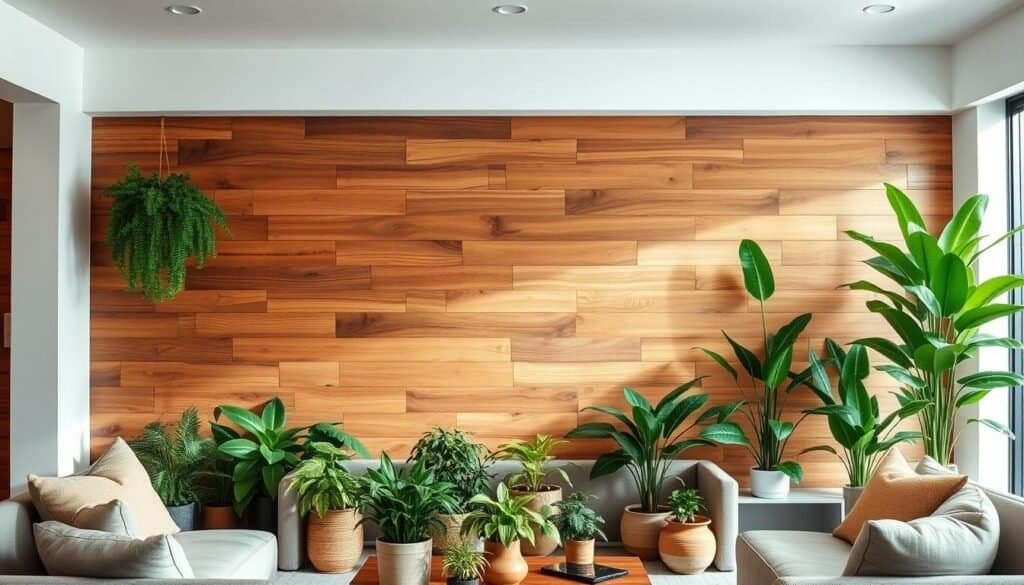
In the bedroom, a wooden headboard or nightstand pairs well with calming plants like lavender or peace lilies. A wooden planter box with a soft-close drawer adds warmth and coziness.
In the kitchen, pair a wooden kitchen island with herbs like basil or rosemary in wooden planters. This adds greenery and fresh ingredients for cooking. In the bathroom, a wooden shelf or cabinet works well with plants like ferns or orchids for a spa feel.
When picking plants and wood, think about their colors and textures. A warm wood tone like oak or pine goes well with bright green plants. A cool wood tone like maple or walnut suits plants with muted tones.
- Choose plants that fit the room’s lighting conditions.
- Select wood tones that complement the room’s color palette.
- Consider the scale of the plants and wood accents in relation to the room’s furniture.
By following these tips, you can make your home look beautiful and functional. Harmonious plant-wood pairings can enhance every room.
Small Space Solutions: Plant-Wood Pairings for Apartments
Small spaces can be stylish and green, thanks to plant-wood pairings. Apartments look better with plants and wooden accents. They add beauty without making the space feel cramped.
For small apartments, pick compact plants like succulents or hanging plants. Match them with wooden planters or wall-mounted wood pieces. For example, a small wooden stool can hold a potted plant, adding both style and function.

Use wall-mounted wooden shelves or planters to save space. They also add to the decor. Choose a wood tone that fits your apartment’s style. Lighter woods make rooms seem bigger, while darker tones add warmth.
By carefully mixing plants and wood, you can make even the smallest apartments feel welcoming and stylish.
Practical Care: Maintaining Your Plant-Wood Combinations
To keep your indoor space thriving, it’s essential to understand the care requirements for both your plants and wood accents. Proper care ensures that your plant-wood combinations continue to bring warmth and life to your home.
Plant Care Tips: Overwatering is a common mistake when caring for indoor plants. Check the soil moisture by inserting your finger into the soil up to the first knuckle; if it’s dry, it’s time to water. Different plants have different watering needs, so it’s important to understand the specific requirements of your plants.
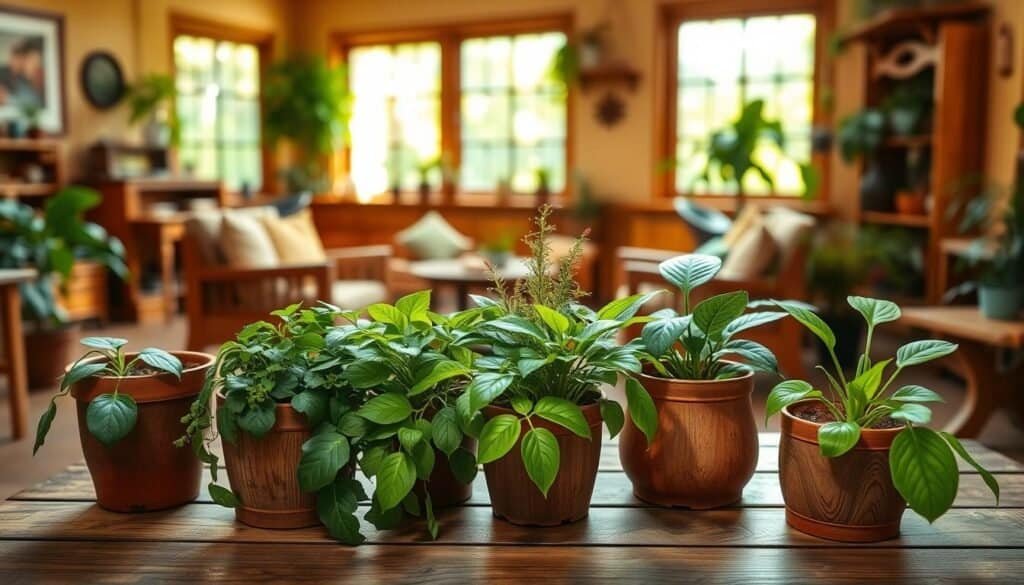
Wood Care Essentials: To maintain the beauty of your wood accents, regular dusting is necessary. Use a soft, dry cloth to wipe down the wood surfaces. For more thorough cleaning, a damp cloth can be used, but be sure to dry the wood immediately to prevent damage.
Pruning your plants regularly not only keeps them healthy but also maintains their aesthetic appeal. Remove any dead or dying leaves to encourage new growth. For wood accents, consider applying a wood conditioner periodically to keep the wood moisturized and protected.
By following these simple care tips, you can enjoy your plant-wood combinations for years to come, maintaining a beautiful and thriving indoor space.
Conclusion: Reconnecting with Nature One Plant-Wood Pairing at a Time
Combining plants with wood accents can deeply impact our indoor well-being. This simple design approach can make our homes feel more natural. By using biophilic design, we can bring nature indoors and make our living spaces more harmonious.
This method has many benefits. It can make our homes look better and feel more peaceful. By picking the right wood and plants, we can create a space that shows off our style.
Starting your own plant-wood pairing journey is exciting. Think about what your plants need and the look you want. With a bit of creativity, you can fully enjoy biophilic design. Begin to reconnect with nature, one pairing at a time.