Do you ever walk into your home and feel a sense of disconnection? You’re not alone. Many of us struggle to make our homes feel like our own. A warm minimal accent can change that, turning your home into a cozy haven.
Adding a warm minimal accent to your home decor is more than just cleaning up. It’s about creating a space that’s thoughtful and curated. Simple, elegant interior design can make your home feel more welcoming and connected.
With the right decor tips, you can make your house feel like a home. Let’s look at how to create a warm, inviting space.
The Psychology Behind Feeling Disconnected in Your Living Space
Our surroundings deeply affect our comfort and sense of belonging. Feeling disconnected at home can come from clutter and design that doesn’t feel personal.

Clutter is more than a physical issue; it affects our mental state. It can lead to feelings of overwhelm and anxiety. Thoughtful design, on the other hand, can boost our emotional well-being by creating harmony and calm.
A cluttered space makes it hard to relax. But a well-organized, minimalist area can bring peace. Finding a balance is key to feeling connected to our homes.
To begin making changes, check out resources on home design that focus on uplifting spaces. Understanding the psychology of home design helps us create a home that truly feels like our own.
What Exactly Is “Warm Minimalism” in Home Design?
Warm minimalism is a design style that mixes the simplicity of minimalism with cozy elements. It aims to make a space calm yet welcoming. This is ideal for those who love simplicity but also want a cozy home.
Warm minimalism follows the minimalism definition of simplicity and clean lines. But it also adds natural materials and textures for warmth. This creates a cozy space that is both calming and inviting.
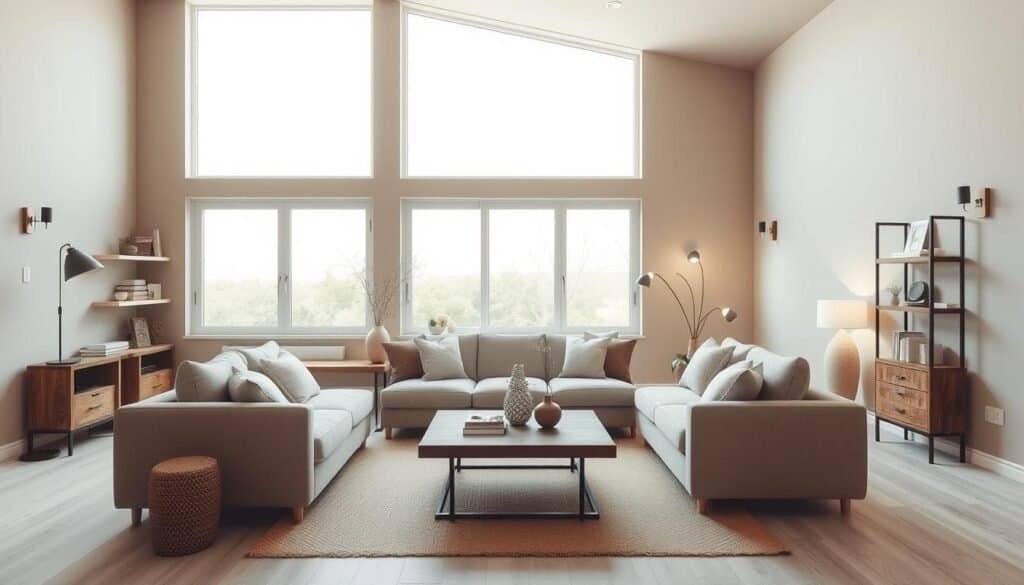
In interior design, warm minimalism uses natural wood, soft lighting, and neutral colors. It balances minimalism with warmth. This makes a space feel minimalist yet inviting.
Some key elements of warm minimalism include:
- Natural materials like wood and stone
- A limited color palette with earthy tones
- Soft, warm lighting
- Clean lines and minimal decor
By using these elements, you can make a home that is both warm and inviting. It follows the principles of warm minimalism.
Feeling Disconnected in Your Home? Try Bringing In a Warm Minimal Accent
Feeling out of place in your home might mean it lacks a warm touch. Warm minimalism aims to make your space cozy and welcoming without clutter. It’s about simplicity and warmth, turning your home into a sanctuary.
Start by adding natural materials to your decor. Wooden furniture, woven baskets, and plants bring warmth and texture. Soft lighting also helps create a cozy feel. Table or floor lamps with warm shades can make a big difference.
Here are some easy ways to add warm minimal accents to your home:
- Add throw blankets in natural fibers like wool or cotton.
- Use a statement piece of art or a mirror to add visual interest.
- Incorporate natural elements like potted plants or a vase with branches.
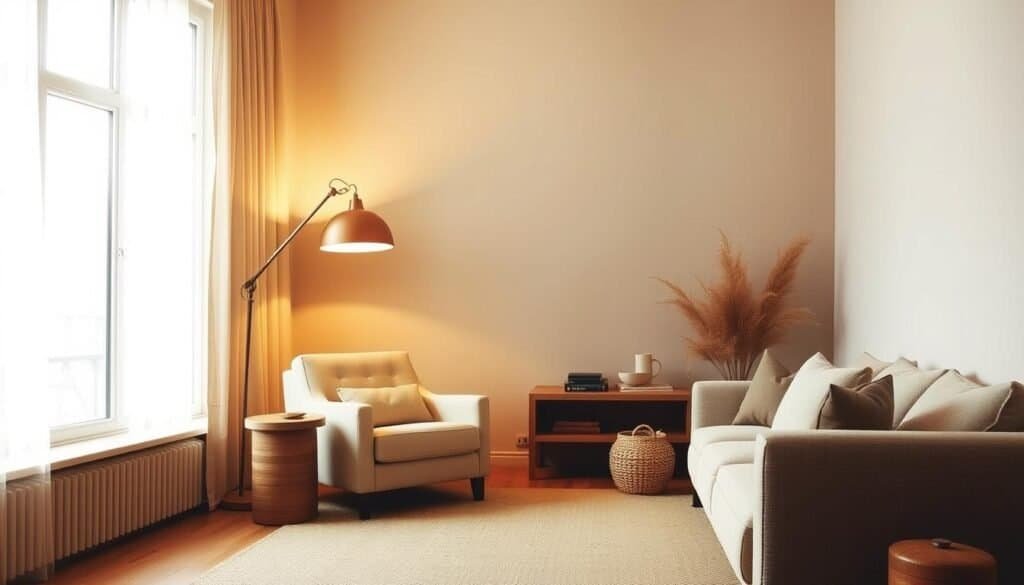
By adding these elements, you can make your space warm and inviting. The secret to warm minimalism is balance. It’s about finding the right mix of simplicity and warmth to make your home cozy and connected.
Natural Wood Elements: The Ultimate Warm Minimal Accent
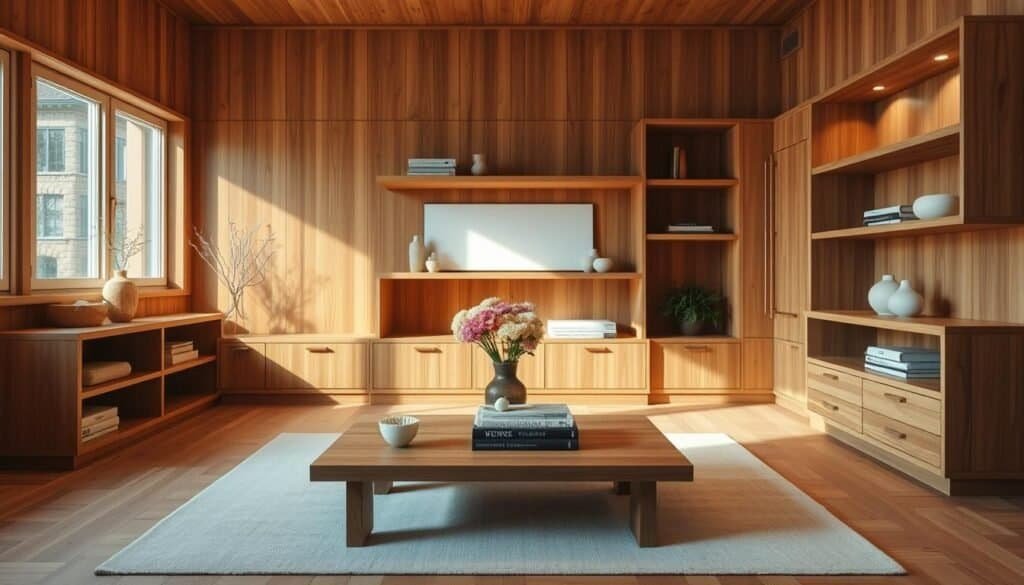
Natural wood elements are key in warm minimal design. They add organic elegance to any room. Wood makes spaces warm and inviting.
Wood’s natural beauty comes from its unique grain patterns and textures. You can find everything from the subtlety of oak to the richness of walnut. Each wood type adds its own character to a room, making it a great choice for interior design.
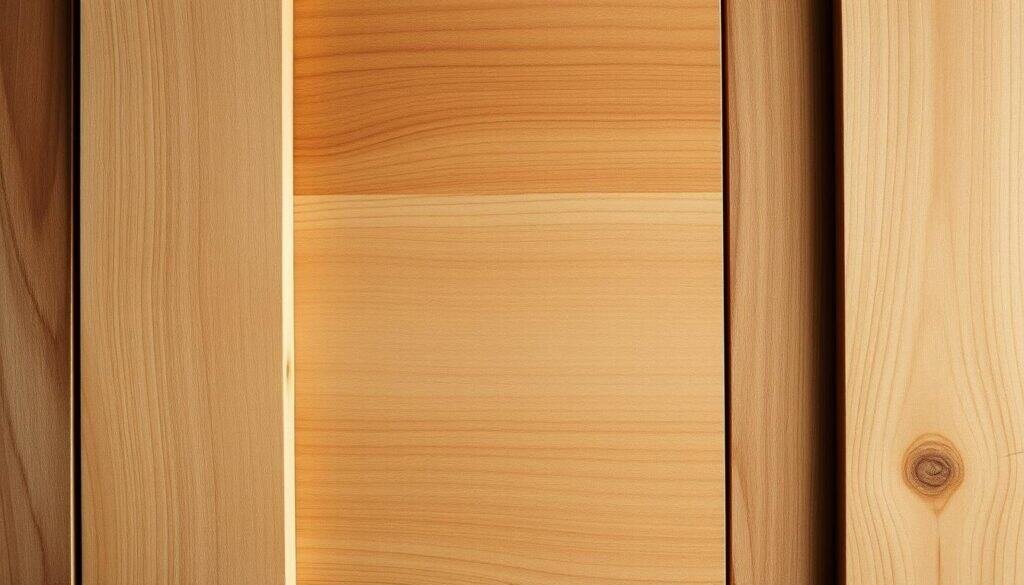
Choosing the right wood tone is important for a harmonious look. Lighter woods like pine or maple make rooms feel bigger and airier. Darker woods, such as espresso or mahogany, add depth and luxury.
- Consider the color palette of your room when choosing wood tones.
- Think about the style you’re aiming for: modern, traditional, or a mix.
- Don’t forget to factor in the natural light; it can significantly affect how wood tones appear.
By carefully choosing natural wood elements and the right wood tones, you can make your home warmer. This creates a welcoming space that follows the warm minimal design principles.
Transformative Wall Treatments for a Warm Minimal Look
Wall treatments are key in making a home feel cozy. The right choice can really change how your living space feels.
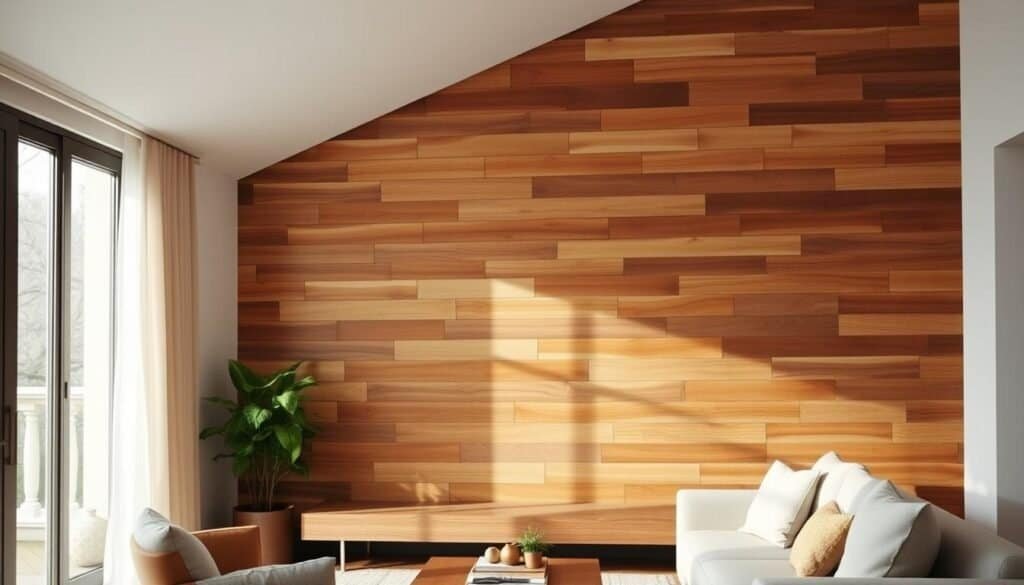
Using natural materials for walls is a great way to get a warm minimal look. For example, reclaimed wood paneling adds warmth and character. It brings in a natural feel and texture, making the room more inviting.
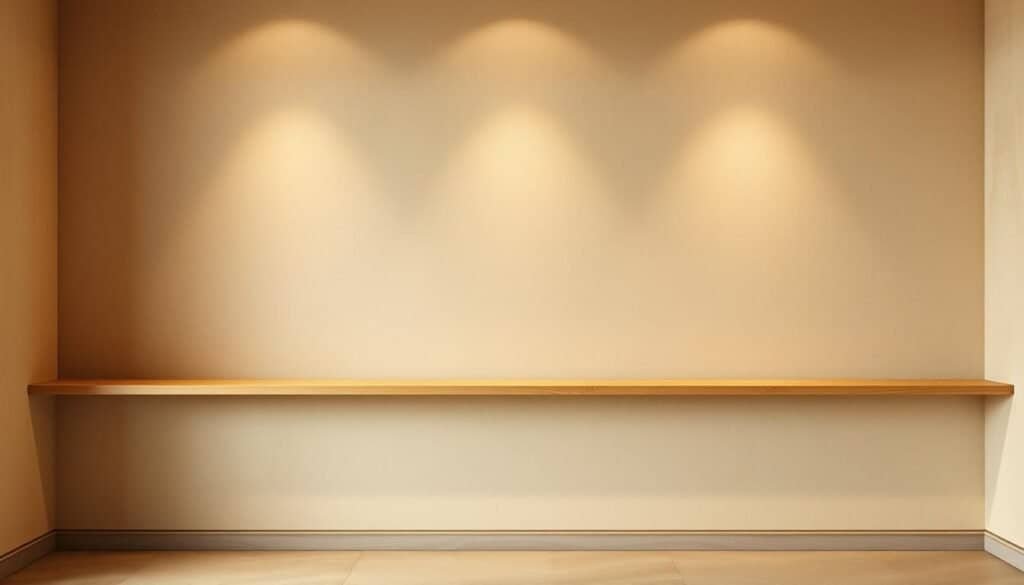
Textured finishes can also transform your walls. Venetian plaster or textured coats add depth and coziness. They create a focal point, drawing the eye and adding interest.
The color of your walls is also important. Choose warm, muted tones for a minimal aesthetic. Beige, soft gray, or taupe create a calming, cozy space, ideal for relaxation.
To make your walls even more special, add interior design ideas like gallery walls or statement pieces, something you can do. These add personality and make your home feel more welcoming. By picking the right wall treatments and decor, you can make your home warm and inviting.
Lighting as a Warm Minimal Accent: Beyond Basic Fixtures
Lighting is key in creating a warm minimal accent. It’s not just about light; it’s about making a space feel cozy and welcoming.
Good lighting can change how a room feels. Mixing light sources creates a layered look that adds depth. Think overhead lights, table lamps, and floor lamps.
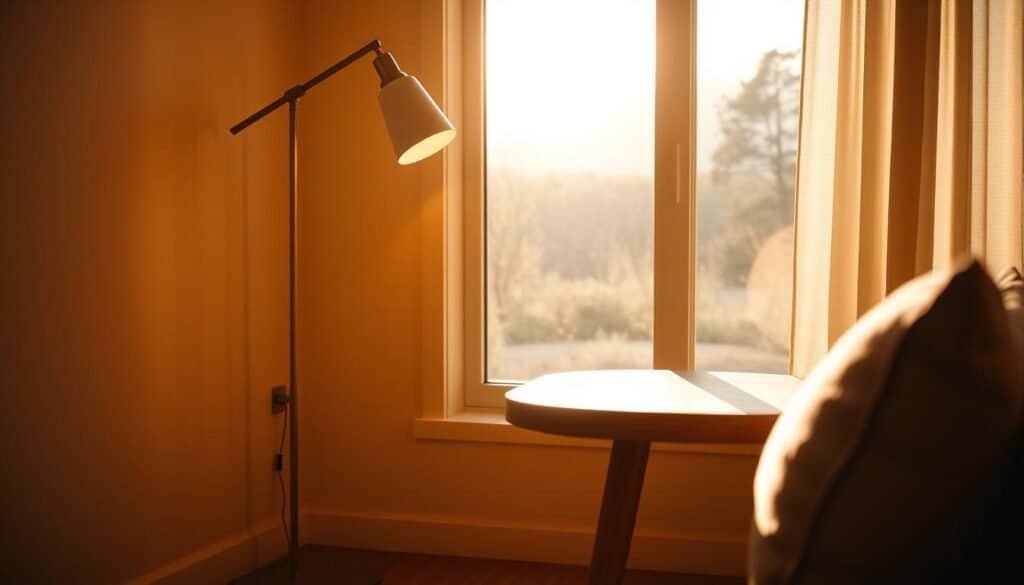
To get a warm minimal vibe, try creative lighting like pendant lights from natural materials or candles. They add warmth. For more on using natural elements, see our article on staging your living room with wood.
Important things to think about for lighting as a warm minimal accent include:
- Warm-toned light bulbs for a cozy glow
- Minimalist yet impactful fixtures
- Layering light sources for depth and interest
By focusing on these, you can make lighting that lights up your space and adds warmth. It makes your home feel more like home.
Bringing Nature Indoors: Plants as Warm Minimal Accents
Plants can turn a minimalist home into a cozy retreat. They add a touch of nature indoors. This makes your space look better and improves the air quality.
When picking plants for your space, go for ones that are easy to care for. They should do well indoors. Some great picks include:
- Snake plants, known for their air-purifying qualities
- Pothos, which can grow in a variety of lighting conditions
- Succulents, perfect for adding a touch of greenery with minimal upkeep
Plants as warm minimal accents can be used in many ways. A big fern can be a room’s centerpiece. Smaller plants can be grouped for a nice display.
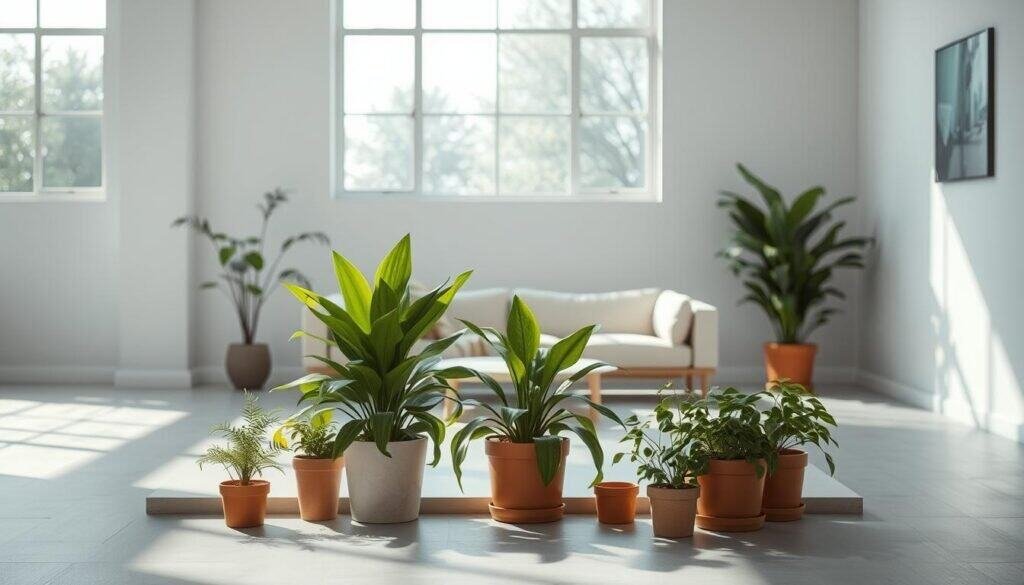
Using creative planters and pots can add to your decor. Choose ones that are simple yet elegant. This keeps your space looking minimalist.
Adding plants to your decor brings balance to your space. It makes your home feel welcoming and peaceful.
Room-by-Room Guide: Warm Minimal Accents for Living Spaces
Adding warm minimal accents to each room can really change your home. It lets you design each space to fit its purpose. This way, your home feels welcoming and inviting everywhere.
In the living room, the heart of the home, use natural textiles like baskets or throw blankets. A statement piece of furniture, like a wooden table or plush chair, adds focus without losing the minimalist vibe.
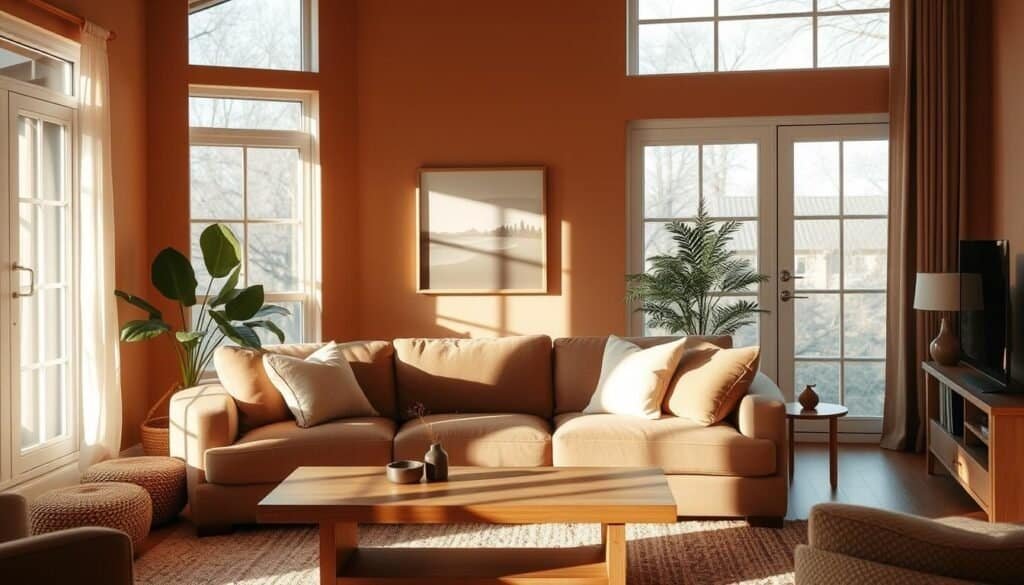
In the kitchen, warm minimal accents come from natural materials and soft textures. Think wooden utensils, a stone backsplash, or a woven rug. For dining, a simple centerpiece, like a vase with branches or a bowl of fruits, adds to the ambiance.
Bedrooms need to be cozy and calm. Use soft lighting like table lamps or string lights. Adding plants or fresh flowers brings in nature. Choose natural fabrics for bedding and curtains to complete the look.
Key Elements for a Warm Minimal Living Space
- Natural materials and textures
- Simple, elegant decor
- Soft, warm lighting
- Statement pieces of furniture
- Plants and natural elements
By adding these warm minimal accents room-by-room, you make your living space both cohesive and unique. This not only makes your home look better but also makes it more welcoming and comfortable.
Entryway and Transition Spaces: Creating Welcome with Warm Minimal Design
The entryway is often the first thing visitors see in your home. It’s a great spot to use warm minimal design. A well-designed entryway can make your home feel welcoming and inviting.
To get a warm minimal look, start with neutral colors. Add natural textures like wood or woven fibers. A unique light fixture or art piece can add interest.
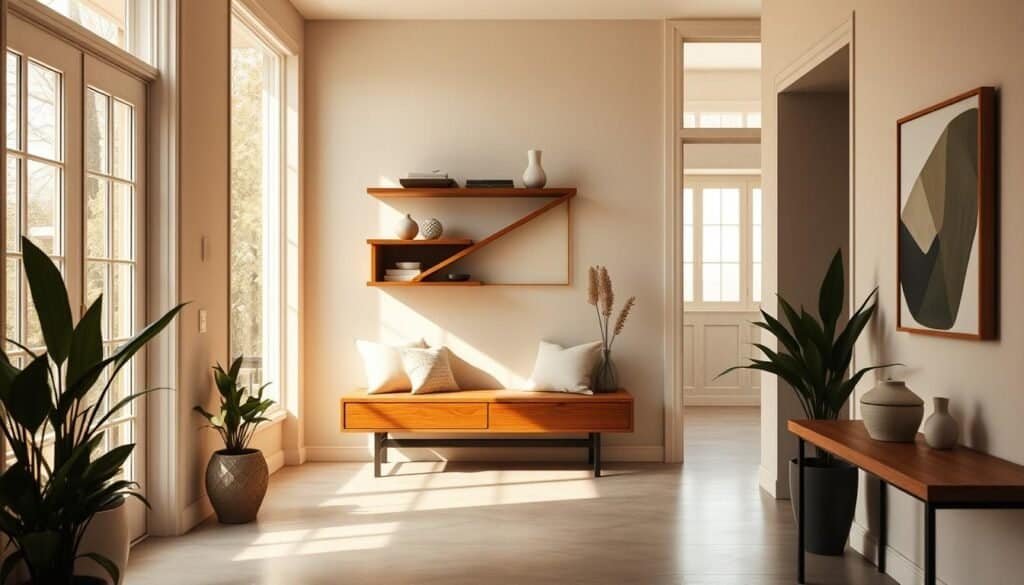
In transition spaces like hallways, warm minimal design can make them cozy. Use table lamps or sconces for lighting. Add plants or a console table for warmth.
When designing, remember warm minimal design is about balance. It’s key to avoid a cold or sterile feel. Adding your personal style in home decor helps achieve this balance.
By using warm minimal design in entryways and transition spaces, you create a welcoming interior design. It makes a great first impression and sets the tone for your home.
Bathroom Transformations: Spa-Like Warmth with Minimal Elements
Turning your bathroom into a spa is simpler than you might think. Warm minimal elements can make it happen. With a few design tips, you can create a space that feels like a personal retreat.
Key Elements for a Spa-Like Bathroom
- Use natural materials like stone or wood for warmth.
- Add plants for a touch of nature.
- Keep decor minimal for a clean, serene feel.
For bathroom transformations, aim for a balance of minimalism and warmth. Choose a few standout pieces, like a freestanding tub or rainfall showerhead. Then, surround them with simple, uncluttered spaces.
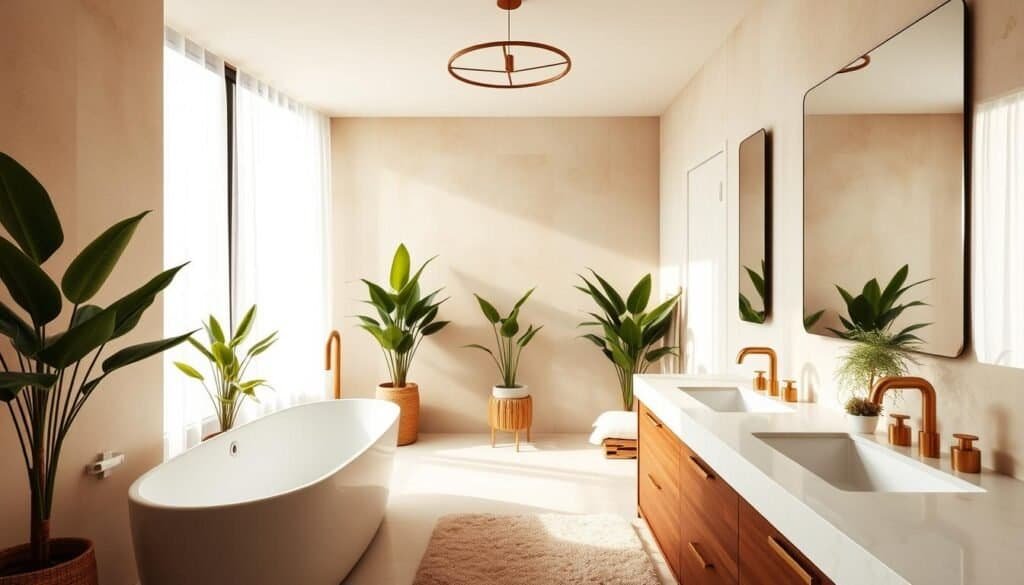
To bring spa-like warmth, think about warm lighting or candles. Also, add plush towels and a cozy bath mat for extra comfort.
Using minimal elements means clean lines, simple shapes, and a few colors. This makes your bathroom calm, spacious, and relaxing.
By carefully combining these elements, you can create a bathroom that’s both stunning and practical. It’s perfect for unwinding after a busy day.
DIY Warm Minimal Accent Projects for Any Budget
Find affordable ways to add warm minimal accents to your home. With a few easy DIY projects, you can make your living space cozy and welcoming.
Start with natural elements like wood and plants to warm up your home. Try making a wooden wall art piece or a macramé plant hanger for a minimalist touch.
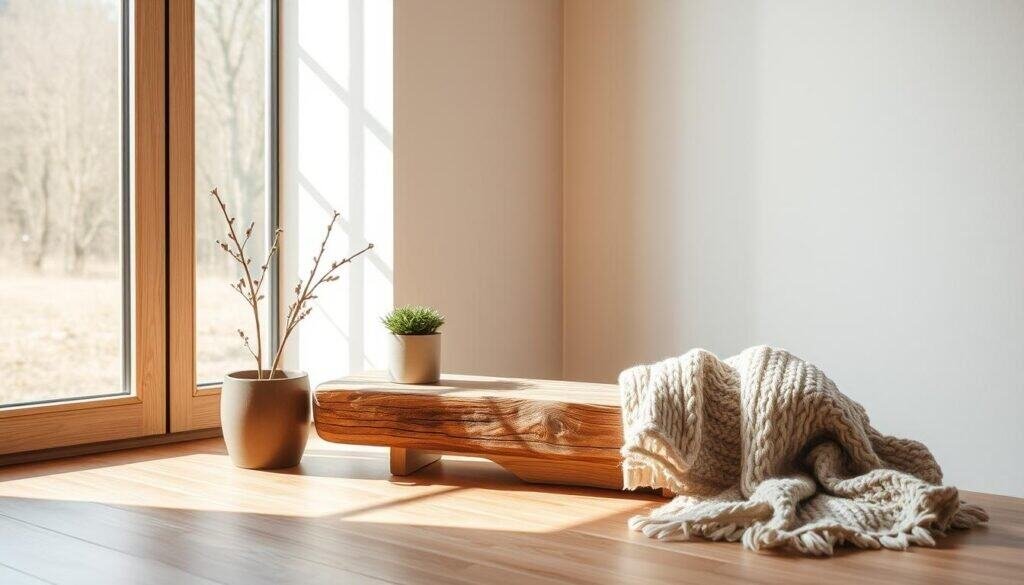
- Making a throw blanket with natural fibers
- Creating a vase filler with river rocks or pebbles
- Upcycling old furniture with a fresh coat of paint
These projects are easy on your wallet but let you express your creativity and make your space unique.
Adding these DIY projects can improve your home’s look without costing a lot. Start now and feel the warmth and coziness they bring to your home.
Conclusion: Reconnecting with Your Space Through Thoughtful Design
Incorporating a warm minimal accent into your home decor can deeply connect you with your space. By using natural elements and thoughtful design, you can make your home more inviting and peaceful.
Designing your space is more than just making it look good. It’s about creating a place that shows who you are and makes you feel good. Warm minimalism helps you simplify and focus on what’s important.
Starting your design journey is exciting. Begin with small changes, like adding wood elements or plants. See how these changes affect your life.
Intentional design choices can strengthen your bond with your home and enhance your life. So, start reconnecting with your space and explore the beauty of warm minimal interior design.