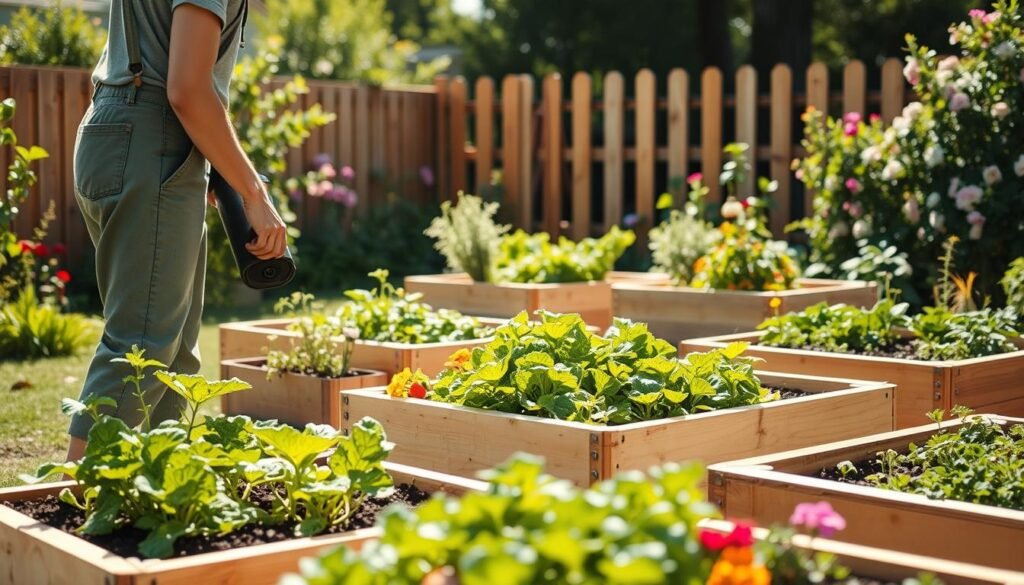
Growing food in your backyard is joyful. But, keeping it neat can be hard without the right tools. Many people look for ways to keep herbs from getting tangled.
Building your own outdoor tool
solutions helps use space better. This way, each plant has room to grow and get the nutrients it needs. This project turns messy areas into neat, productive spots.
These ideas for plant storage keep tools close and your yard looking neat. Seeing a beautiful, productive yard all summer is rewarding. It makes every season better.
Having plants in neat rows helps with watering and weeding. Every plant has its own spot, making these tasks easier.
Easy access to your plants means you can pick fresh produce every day. These simple wooden frames make gardening more enjoyable.
Visit The Marketplace or grab your Free Garden Starter Kit
Why Every Gardener Needs a Plant Divider Box
For gardeners looking to improve their gardening, a plant divider box is essential. It organizes the garden, makes it easier to access, and boosts its beauty.
A plant divider box is key for a tidy garden. It separates plants, making care easier. This is vital in raised bed gardens where space is tight.

- Improved garden organization
- Better accessibility to plants
- Enhanced aesthetic appeal
- Increased efficiency in gardening tasks
Adding a plant divider box to your garden makes it neater and more attractive. It’s great for gardeners with many plants to keep in order.
Also, a plant divider box is a smart DIY raised bed idea. Gardeners can tailor the dividers to fit their garden’s style, making it a flexible solution.
In garden planning, a plant divider box helps plan the layout better. It ensures each plant has enough space to grow.
A Plant Divider Box Can Organize Busy Garden Beds
Turn your messy garden beds into tidy spaces with a plant divider box. Busy garden beds can get too crowded, with plants fighting for space and resources.
A plant divider box is a simple yet effective solution. It separates different plants and sections in your garden bed. This makes your growing space more organized and easier to manage.
Maximizing Space and Reducing Clutter
One key benefit of using a plant divider box is its ability to maximize space in your garden beds. It creates separate areas for different plants, making the most of your space.
- Separating plants with different growing requirements
- Creating pathways for easy access
- Reducing competition for water and nutrients
Also, a plant divider box helps reduce clutter in your garden beds. It keeps plants organized, preventing overcrowding that leads to clutter.
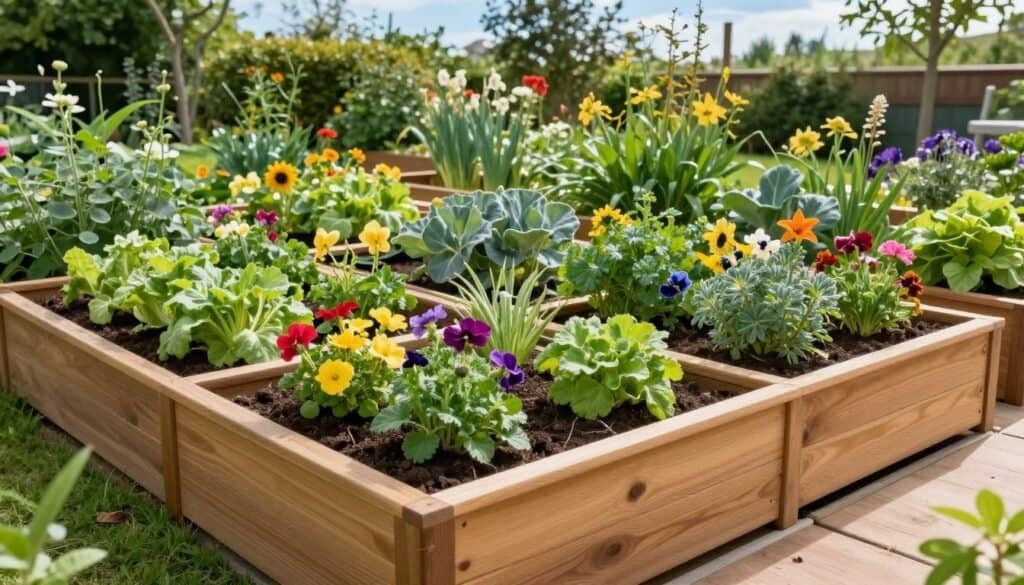
In a vegetable garden bed, dividers can separate different vegetables. This makes it easier to care for and harvest them. In a flower garden, dividers keep different species organized and look good.
Using a plant divider box in your garden makes it more organized, efficient, and productive. Enjoy a better gardening experience.
Essential Materials and Tools for Building Your Divider Box
A good plant divider box starts with the right materials and tools. These should match your garden’s needs. Choosing the right materials is key for a durable and beautiful outdoor garden bed.
For a DIY garden bed that lasts, use cedar wood, recycled plastic, or metal. These materials are durable and resist rot, insects, and weather. Cedar wood is a favorite because it resists decay and looks great.
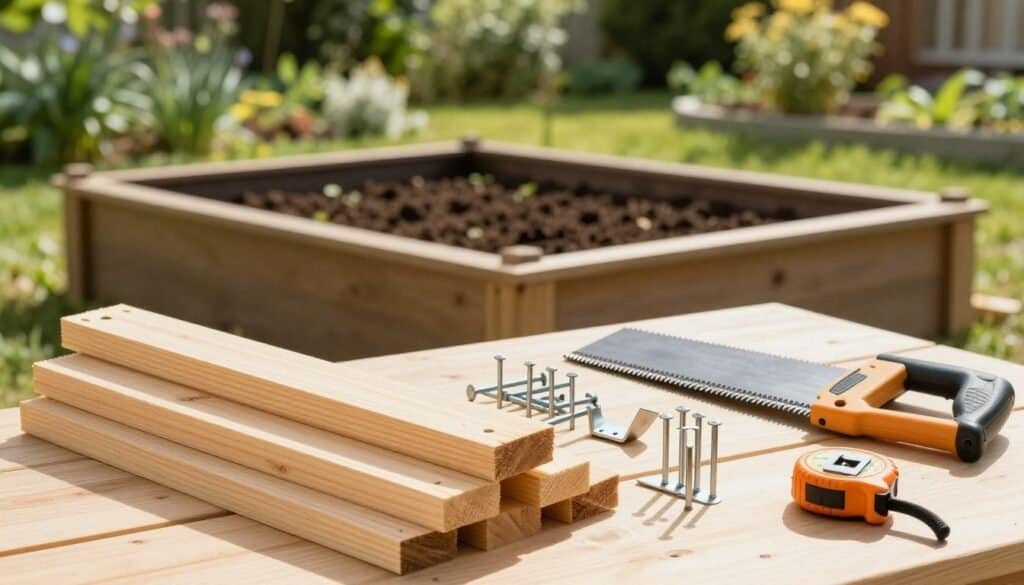
Think about your garden’s style when picking materials. Wood is good for a rustic look. Metal or recycled plastic works well for a modern garden.
Tools Needed for the Project
Having the right tools is as important as the materials. Here are the basics for a plant divider box:
- Measuring tape
- Saw (circular or handheld)
- Drill
- Hammer
- Nails or screws
- Weather-resistant wood glue (if using wood)
For complex designs, you might need more tools. A miter saw for precise cuts or a post hole digger for setting posts are examples.
Don’t forget about garden pot storage. It keeps your workspace organized and safe. A tidy workspace is more efficient and helps keep tools in good shape.
Choosing the right materials and tools helps create a plant container organization system. It beautifies your garden and makes upkeep easier. A divider box is a great choice for organizing your garden or as a gardening shed alternative.
Step-by-Step Guide to Building a Basic Plant Divider Box
To keep your raised garden bed diy organized, follow this step-by-step guide to building a basic plant divider box or you can start an easy to build compost bin
.
Building a plant divider box is a simple DIY project. It can make your home vegetable garden look better and work better.
Step-by-Step Instructions
Here’s how to build a basic plant divider box:
- Gather the necessary materials and tools as outlined in the previous section.
- Measure and cut the wood according to your garden bed dimensions.
- Assemble the divider box using the cut wood and screws.
- Place the divider box in your garden bed, ensuring it’s level and secure.
- Fill the divided sections with soil and plant your chosen vegetables or flowers.

By following these steps, you can create a functional and visually appealing food garden layout backyards that incorporates your new plant divider box.
This DIY project like tools rack adds organization to your garden yard ideas. It also helps keep your garden healthy and thriving.
For a diy raised garden, using a plant divider box can significantly improve the overall garden design and plant growth.
Creative Design Variations for Different Garden Styles
Discover how divider boxes can be customized to fit your unique garden style, from modern to traditional. They are perfect for making your raised garden bed look better or for a vegetable layout. Divider boxes are a versatile solution.
For a modern garden, sleek and minimalist divider box designs work well. They match the clean lines of contemporary outdoor spaces. Materials like metal or recycled plastic add an industrial chic touch. They also help separate plant beds effectively.
Traditional gardens look great with divider boxes made from rustic or natural materials. Wood or stone materials blend well with the garden environment. A covered herb garden adds beauty and protects the herbs.
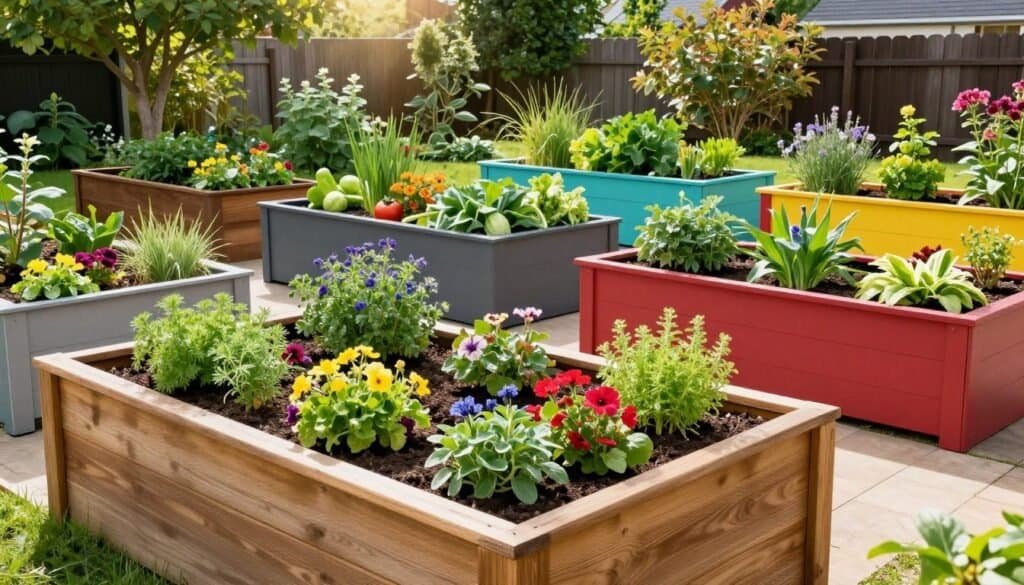
For huge garden ideas, use divider boxes on a larger scale. They help organize the space and add visual interest. You can create distinct areas for different plants or garden features.
Some creative design variations to consider include:
- Using different heights and widths for divider boxes to create a visually appealing layout.
- Incorporating trellises or climbing plants into the divider design for added functionality and beauty.
- Selecting materials that complement the existing garden decor and style.
- Creating a themed garden section, such as a sensory garden or a butterfly garden, using divider boxes to define the space.
By choosing the right design for your divider box, you can make your garden more functional and beautiful. It becomes a more enjoyable and productive space.
Smart Plant Pairing Strategies Using Divider Boxes
For gardeners, knowing how to pair plants with divider boxes is key. These boxes do more than organize; they help create a balanced garden. This balance is essential for a healthy garden.
Divider boxes help separate plants with different needs. For example, in a small garden, some plants need sunlight, while others prefer shade. These boxes create special areas for each plant. This way, every plant gets what it needs, making the garden healthier.
Improving Air Circulation
Another big plus of divider boxes is how they improve air flow. Good air flow stops fungal diseases that love damp, stale air. By separating plants, these boxes ensure air moves freely. This cuts down disease risks.
In raised gardens, divider boxes are super helpful. They let gardeners mix different plants in one spot. For instance, you can have veggies, herbs, and flowers in separate areas. Each area has its own needs.
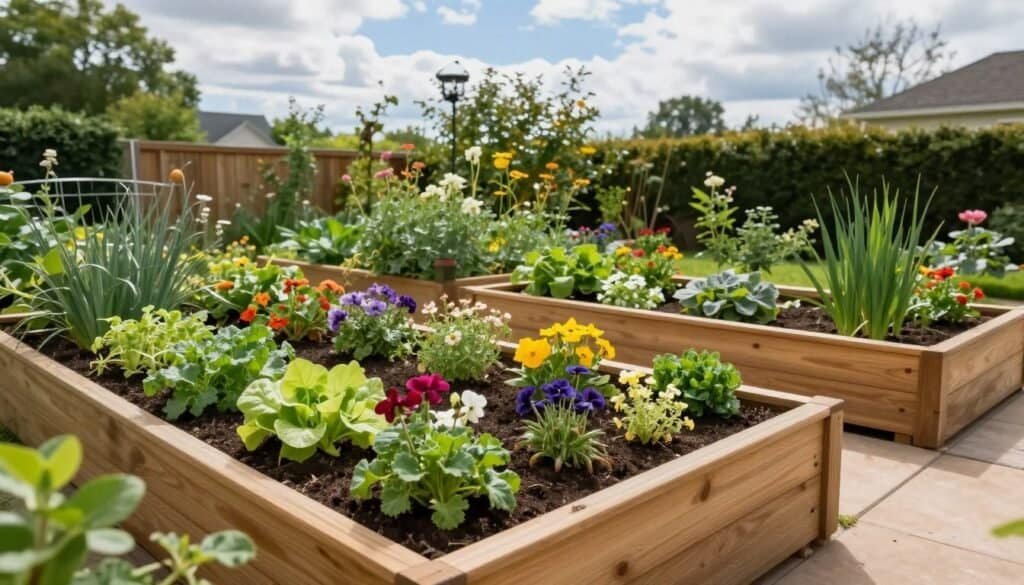
Divider boxes also cut down on plant competition. In crowded gardens, plants fight for water, nutrients, and light. This can slow growth. By separating plants, each gets what it needs without being outdone.
For those starting veggie gardens, divider boxes are a smart choice. They let you grow many vegetables together without the usual problems. This makes your garden more diverse and productive, even in small spaces.
Some smart ways to pair plants with divider boxes include:
- Pairing plants with similar growth habits to save space.
- Separating plants with different water needs to use water better.
- Creating a section for pollinators by grouping plants that attract beneficial insects.
By using these strategies and divider boxes, gardeners can make beds that look great and grow well. These beds are not just pretty; they’re also productive and sustainable.
Maximizing Space in Small Vegetable Gardens with Dividers
For gardeners with limited space, divider boxes are a game-changer in vegetable garden design. These dividers help create separate growing areas within a small garden. This makes it easier to manage and maintain.
One of the primary benefits of using dividers in a veggie garden is the ability to organize plants effectively. By separating different types of vegetables, you can ensure each plant gets the right sunlight and nutrients.
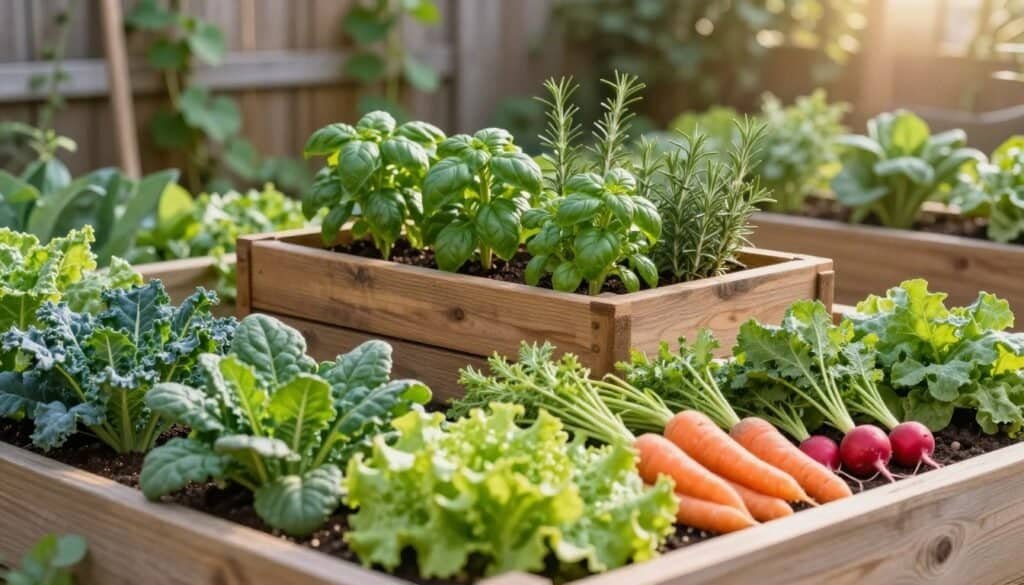
Here are some strategies for maximizing space in small vegetable gardens using dividers:
- Use dividers to create narrow pathways between beds, improving accessibility and reducing soil compaction.
- Implement a raised diy garden trellis design to elevate plants and improve drainage.
- Pair complementary vegetables together in the same bed, maximizing space and promoting healthy growth.
- Consider a vertical gardening approach by using tall dividers or trellises to make the most of available space.
In backyard garden bed construction, planning is key. Before installing dividers, assess your garden’s layout and determine the best placement for your divider boxes. This will help you create a functional and productive garden.
By incorporating dividers into your garden boxes, you can enjoy a more organized, accessible, and productive vegetable garden. Even in the smallest of spaces.
Maintenance Tips for Long-Lasting Divider Boxes
To keep your DIY garden plant herbal box looking good and working well, regular care is key. A well-kept divider box makes your garden look better and lasts longer.
Regular Cleaning is key to stop debris and weeds from building up. Use a garden hose to gently clean off dirt and check the box for damage.
- Check the divider box often for signs of wear and tear.
- Fix any damaged parts right away to stop it from getting worse.
- Put a protective coating on the divider box to protect it from the weather.
When making your garden divider box, use strong materials that can handle different weather. This is important for making how to make garden boxes last longer.
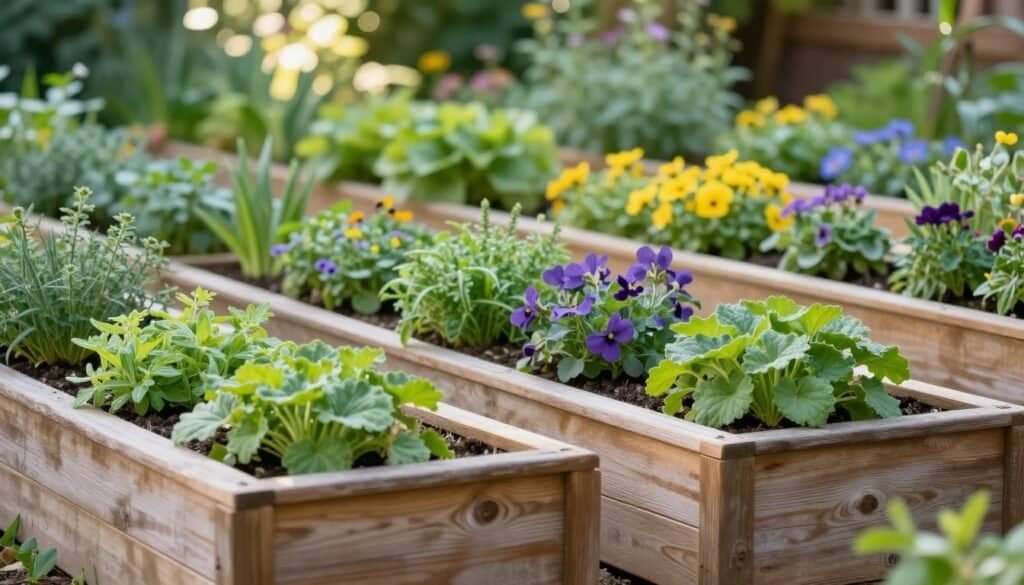
By following these care tips and thinking about your divider box’s design and build, like in a garden bed raised diy project, you can have a beautiful, organized garden for many years.
Common Mistakes to Avoid When Building Divider Boxes
Building a DIY garden plant divider box can be tricky. Knowing the common mistakes helps you avoid them. This way, you can make a raised garden bed that boosts your garden’s look and productivity.
One big mistake is getting the measurements wrong. Your divider box must fit your garden bed perfectly. Incorrect measurements waste materials and mess up your garden plan. Always double-check your measurements and make a detailed raised bed garden planning diagram before starting.
Choosing the wrong materials is another big error. Your divider box needs to be made from durable, outdoor-friendly materials. The wrong choice can cause rot, decay, or pest damage. Go for materials like cedar or recycled plastic, which last long and resist the weather.
- Ensure the material is weather-resistant.
- Choose materials that are sustainably sourced.
- Avoid using treated wood that may leach chemicals into the soil.
Not thinking about drainage is another mistake. Good drainage stops waterlogged soil, which harms plants. Adding a drainage system to your divider box is key to a healthy garden.
To improve drainage, consider these steps:
- Add a layer of gravel at the bottom of your divider box.
- Make sure your divider box has enough holes for water to drain.
- Use a well-draining potting mix to help the soil drain better.
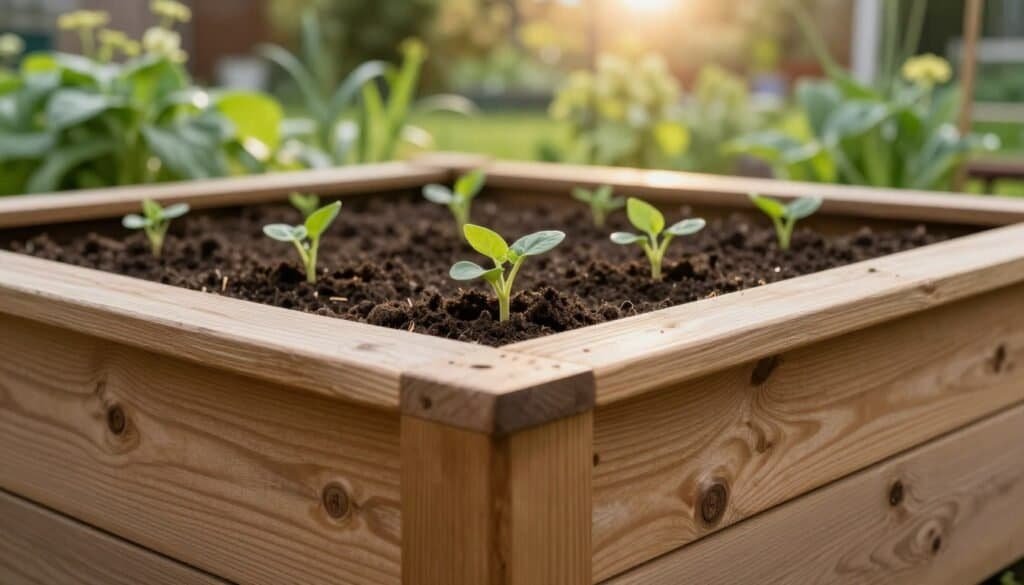
Not considering the raised garden bed depth is a big mistake. Different plants need different root depths. If you don’t plan for this, your plants might not grow well. Design your divider box with different depths for various plants.
By avoiding these mistakes and planning well, you can make a beautiful and productive garden. Divider boxes are a great way to enhance your garden’s look and function.
Conclusion
Adding plant divider boxes to your garden can really improve your raised garden layouts. They help keep your veg garden layout raised beds tidy and organized. This makes it easier to take care of your raised bed vegetables.
Whether your garden is small or you’re planning a 4 raised garden beds layout, divider boxes are a big help. They help manage space and fit with many vegetable garden bed ideas. By using the tips from this article, you can make your garden more productive and pretty.
With a bit of creativity and planning, you can change your gardening for the better. So, try out plant divider boxes and see how they can help your gardening journey.