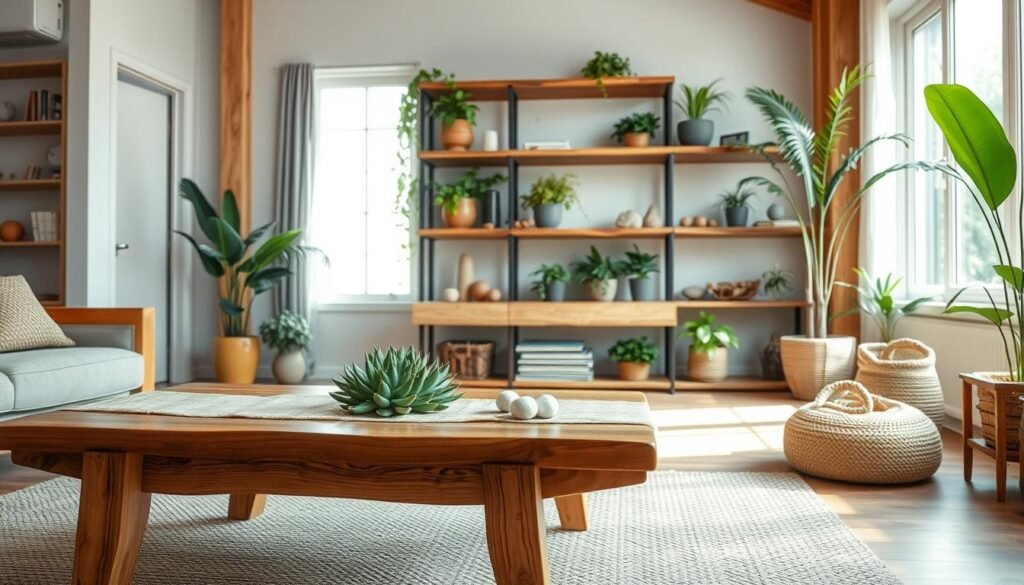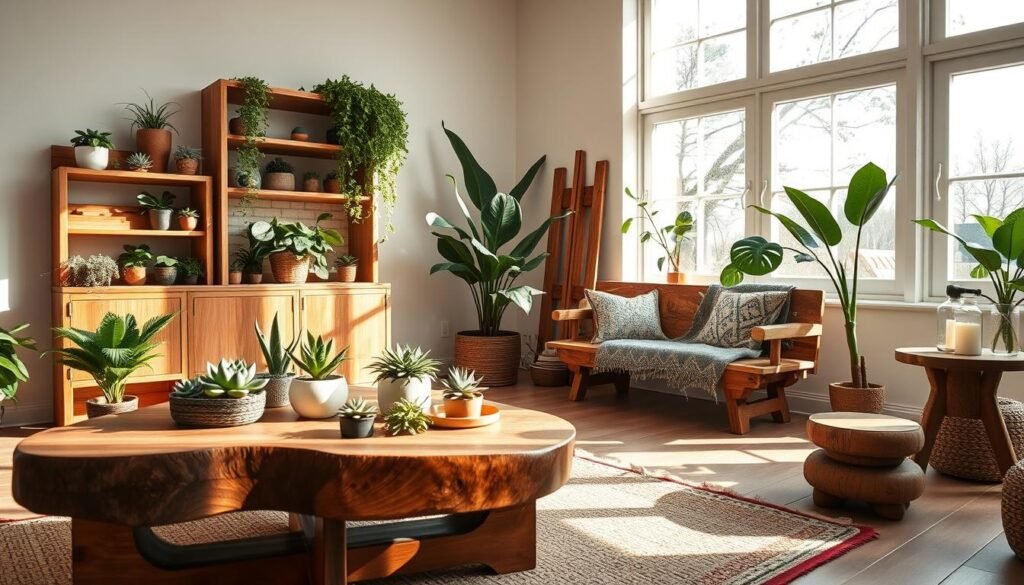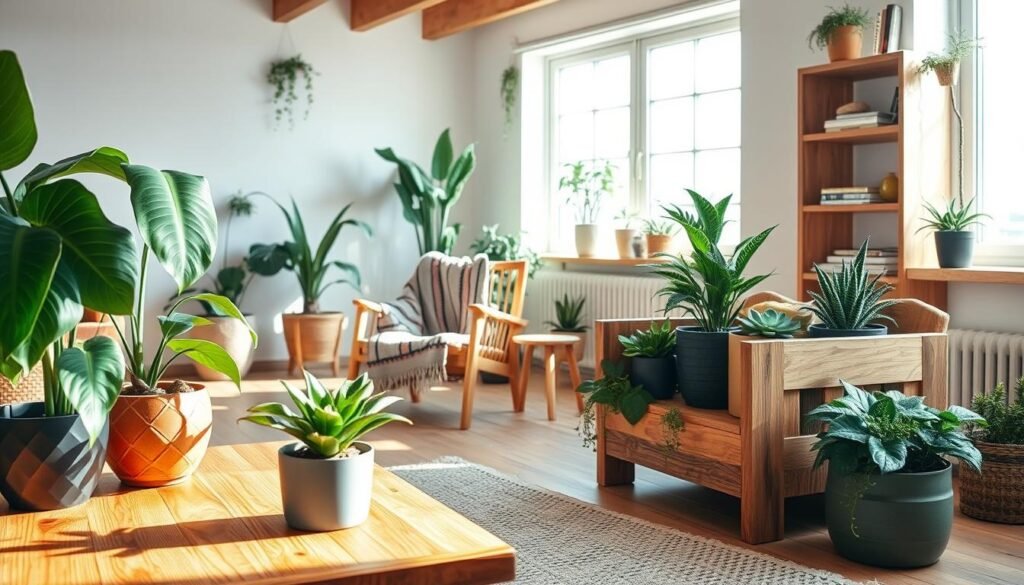
Creating a cozy indoor space is easy. Just mix indoor plants with wood decor. This combo turns your home into a peaceful oasis, great for relaxing and refreshing.
Adding wood accents brings warmth and depth to your space. For more ideas on styling with wood and plants, check out The Sawdust Man. They offer expert advice on making your home feel natural.
This smart mix helps you create a cozy space. It boosts well-being and calmness, making it easier to relax after a busy day.
The Nature Deficit in Modern Homes
The nature deficit in modern homes is a big concern. It affects both our mental and physical health. Spending more time indoors without natural elements can make us feel disconnected.
How Modern Design Often Eliminates Natural Textures
Modern design trends focus on minimalism and sleek surfaces. This shift away from natural materials makes homes feel cold and unwelcoming.
The Rise of Synthetic Materials in Home Decor
The use of synthetic materials in home decor has grown. Synthetic materials lack the warmth and character of natural elements. This makes spaces feel less inviting.
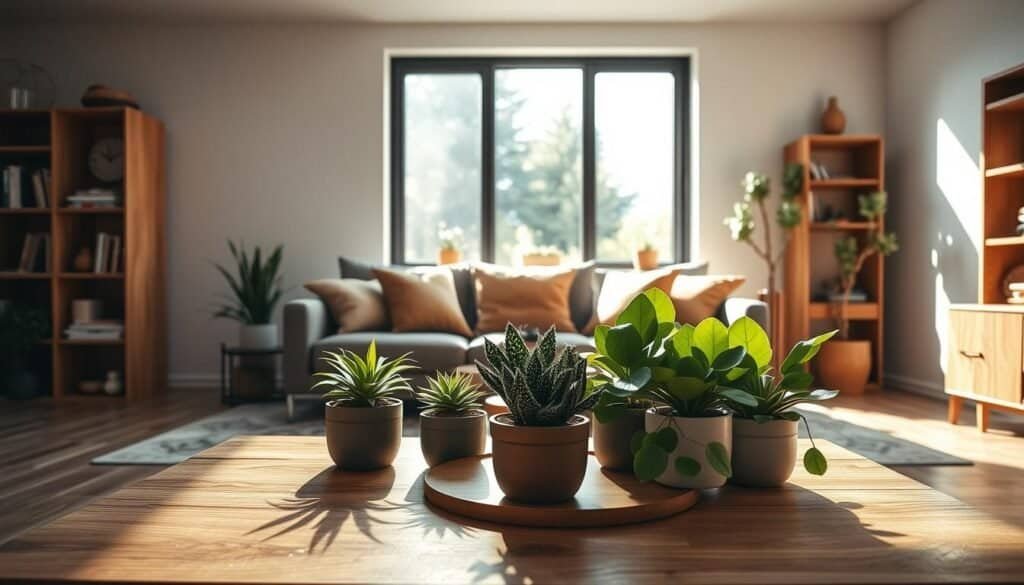
Studies show that nature deprivation harms mental health. Being away from nature increases stress and lowers well-being.
Signs You’re Craving More Natural Elements at Home
Some signs you might want more natural elements include:
- Feeling stressed or anxious indoors
- Lacking a sense of connection to your living space
- Finding it hard to relax in your home
Adding natural elements like indoor plants and wood accents can help. They make your home more harmonious and welcoming.
Why Plants and Wood Create the Perfect Indoor Harmony
Plants and wood together make our homes feel like nature. This mix is based on biophilia, our natural love for the outdoors. It shows how we are wired to connect with nature.
How Humans Are Wired to Connect with Nature
Humans love plants and wood because they make us feel calm and happy. Adding these to our homes can really boost our mood and well-being.
- Reduces stress and anxiety
- Improves air quality
- Enhances aesthetic appeal
Biophilia in Contemporary Interior Design
Biophilia is changing how we design homes, with more natural elements. This shift shows how much we value nature in our lives.
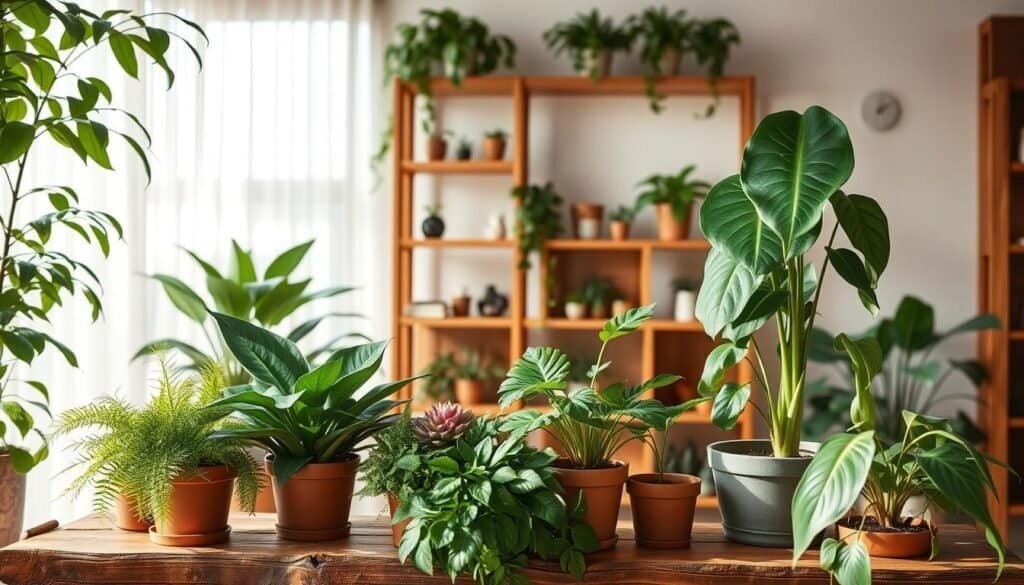
The Visual Balance of Green Plants Against Wood Tones
Green plants and wood tones look great together, adding warmth and depth. This balance is essential for a cozy and welcoming space.
- Select plants with varying shades of green
- Choose wood tones that complement the plants
- Balance the arrangement to avoid overwhelming the space
How Organic Shapes Create Cohesive Spaces
Organic shapes, like those in plants and wood, make spaces feel connected. They add a natural touch, making the area feel more open and inviting.
Feeling Disconnected Indoors? Try Pairing Your Plants With a Warm Wood Accent
To fight the feeling of being disconnected indoors, mix your plants with warm wood accents. This combo boosts your living space’s look and feel. It makes your home a peaceful place.
The Grounding Effect of Natural Materials
Wood has a grounding effect, making indoor areas feel closer to nature. Adding plants to this mix increases balance and calm.
Creating Micro-Ecosystems Within Your Home
Plants in your home create mini-ecosystems that clean the air. Adding wood accents makes these areas feel even more natural.

Wood and plants change how we feel the room’s temperature. Wood adds warmth, while plants cool it down. This mix creates a perfect indoor climate.
Breaking Up Monochromatic Schemes with Natural Elements
Monochromatic colors can feel cold. Wood and plants add life and depth to these spaces.
How Wood and Plants Engage Multiple Senses
Wood and plants engage our senses in many ways. We see the beauty of plants and wood. We feel them when we touch or handle them. This makes our space feel alive.
Creating Multidimensional Spaces Through Natural Elements
Using wood and plants in your design makes spaces interesting and emotional. Mixing textures and elements adds depth to your home.
Pairing plants with warm wood accents turns your home into a nature-inspired haven. This mix not only beautifies your home but also brings peace and well-being.
Selecting the Right Wood Accents for Your Plant Collection
Finding the perfect wood accent for your plants is an art. It’s about mixing beauty with sustainability. The right wood can make your plants look better and your space feel more in tune.
Light Woods: Maple, Ash, and Birch
Maple, Ash, and Birch are great for a light and airy feel. They’re perfect for small plants and delicate setups.
Medium Woods: Oak, Cherry, and Walnut
Oak, Cherry, and Walnut offer a classic look. They fit well with different plant sizes and add warmth to any room.
Dark Woods: Mahogany and Ebony
Mahogany and Ebony add drama and sophistication. They’re great for bold plants and add depth to your garden.

Small plants look charming with delicate wood accents. Light woods like Maple or Ash work well for these.
Statement Plants with Substantial Wood Features
For big or bold plants, choose substantial wood. Look for wood-inspired plant decor made from reclaimed or sustainable wood. It adds a special touch to your garden.
Reclaimed and Upcycled Wood Sources
Using reclaimed and upcycled wood adds character and supports sustainability. It’s a way to breathe new life into old wood.
Certified Sustainable Wood Products
Choose certified sustainable wood products for eco-friendly options. Look for FSC (Forest Stewardship Council) certifications to make a green choice.
By picking the right wood, you can create a stunning indoor garden. It will show off your style and care for the planet.
Plant and Wood Pairings for Different Home Spaces
To make your home feel warmer, try pairing plants with wood accents. This mix can bring warmth and character to your decor.
Coffee Table Arrangements with Small Plants
Small plants on a coffee table make a cozy spot. Use a wooden planter or tray for a natural touch. Choose low-maintenance plants like succulents for easy care.
Statement Floor Plants with Wooden Planters
A big floor plant in a wooden planter can be eye-catching. Pick a planter that matches your furniture’s wood tone. This balances the plant with the room’s decor.
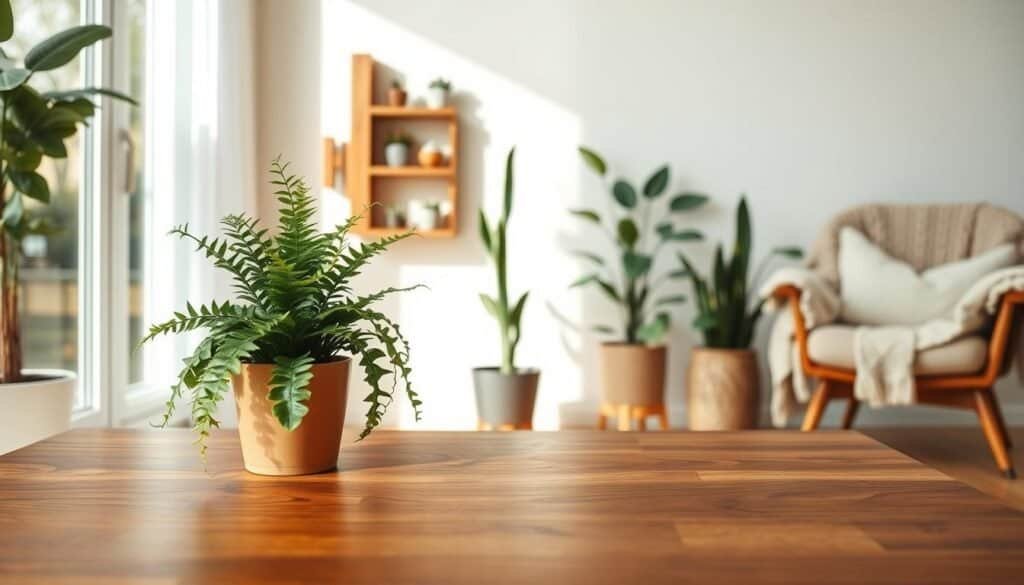
Wooden shelving is great for showing off plants. It adds greenery and a natural feel. Select shelves with a natural wood finish for a better look.
Nightstand Plants with Wooden Bases
A small plant with a wooden base on your nightstand can relax your bedroom. Pick plants with soft leaves or flowers for a calming vibe.
Dresser-Top Arrangements with Wood Elements
A wooden vase or planter on your dresser adds warmth. Pair it with a small plant or flowers for a stunning look.
Wooden Bench and Plant Combinations
A wooden bench with plants on both sides welcomes you. Choose a bench with natural wood and plants with different textures for interest.
Wall-Mounted Wood and Plant Features
Wall-mounted wooden planters or shelves display plants, adding depth. This is perfect for small spaces.
Desk Plants with Wooden Containers
Plants on your desk can help you stay focused. Use a wooden container or planter to add a natural touch.
Bookshelf Plant and Wood Styling
Plants on your bookshelf make a unique display. Use wooden planters or vases to match your bookshelves.
By mixing plants and wood in your decor, you can make your home welcoming. Try different setups to find the best fit for your space.
DIY Projects to Combine Plants and Wood
Combining plants with wood adds a natural touch to your home. It makes your space look better and feel more calm. It also connects you to nature.
There are many DIY projects to mix plants and wood. Here are a few ideas to start:
Simple Weekend Projects for Beginners
Beginners can try making a wooden plant stand or a wooden planter box. These projects need just a few materials and can be done in a weekend.
Advanced Wood Plant Stands with Multiple Tiers
More skilled DIY fans might enjoy making a multi-tiered wood plant stand. It’s a fun challenge that can show off many plants and save space.
Macramé and Wood Bead Combinations
Adding macramé with wood beads gives your plants a bohemian look. You can make unique hangers or wall art with this mix.
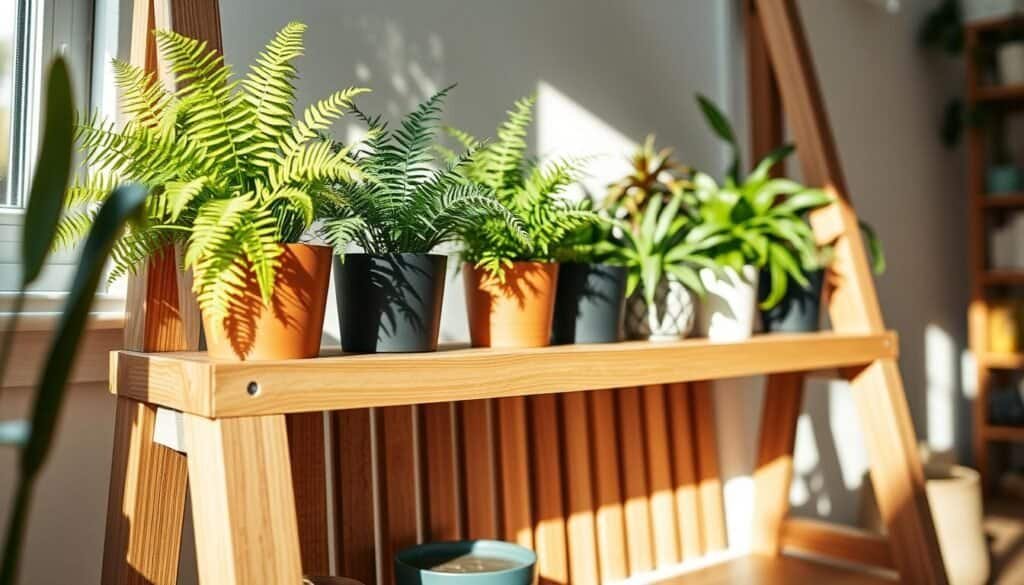
Wooden dowels can help you hang plants, adding a modern vibe to your area.
Transforming Old Wooden Furniture into Plant Homes
Turning old furniture into plant homes is creative and eco-friendly. You can make a vertical garden from an old ladder or a planter from a dresser.
Creative Wooden Container Ideas
Wooden containers bring a rustic charm to your plants. You can make planters in different shapes and sizes to match your style.
These DIY projects make your home better and more fun. Mixing plants and wood creates a cozy and welcoming space.
Styling Tips for Different Aesthetic Preferences
Adding plants and wood accents to your home can make it look amazing. This mix of natural elements brings a unique vibe to your space. It makes your home feel welcoming and inviting.
Light Woods and Structural Plants
For a light and airy look, pair light woods with plants that stand out. The contrast between the wood and the plant’s shape is beautiful. Try oak or pine woods with plants like succulents or cacti.
Creating Visual Space with Strategic Plant Placement
Placing plants wisely can make a room more interesting. Plants in corners or against walls draw the eye, adding depth. Use different sizes and shapes of plants for more visual interest.
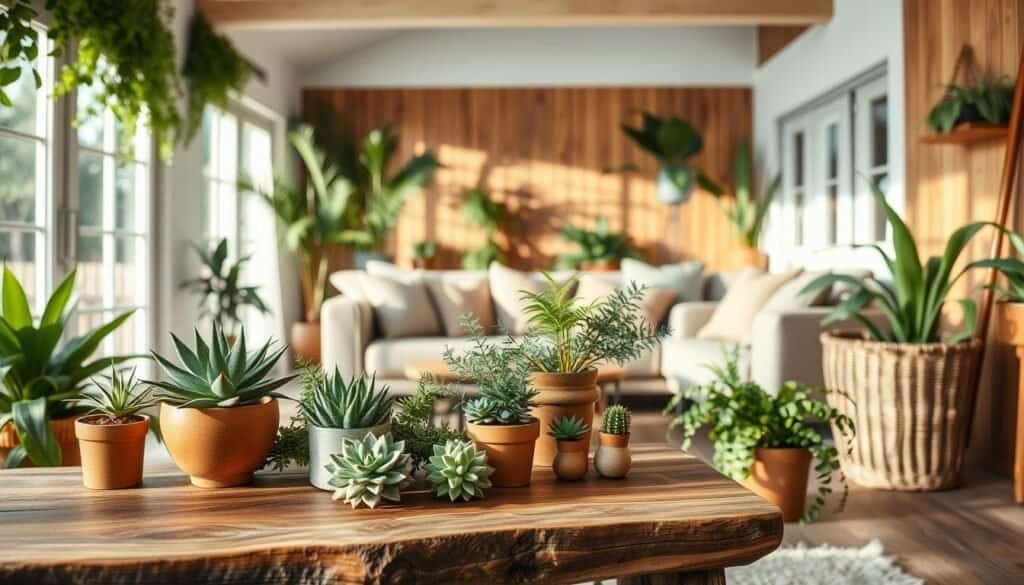
For a unique look, mix different wood finishes. Combining woods with different tones and textures adds depth. Try pairing dark walnut with light pine for a striking contrast.
Creating Plant Clusters with Wooden Elements
Plant clusters with wood add warmth and coziness. Grouping plants on a wooden planter or shelf looks lush. Use a wooden trellis or ladder for height and interest.
Geometric Wooden Planters with Bold Plants
Geometric planters with bold plants add a modern touch. The contrast between the planter’s shape and the plant’s shape is appealing. Choose a unique geometric planter for a decorative touch.
Creating Visual Lines with Wood and Plant Pairings
Wood and plants can guide the eye through your space. Aligning them creates a flow. Use a wooden console table or shelf to draw the eye through the room.
Distressed Wood Features with Textural Plants
Pair distressed wood with plants for a rustic feel. The weathered wood and plants with interesting textures add warmth. This mix brings character to your space.
Creating Cozy Corners with Natural Elements
Make your space cozy with natural elements. Plants, wood accents, and other natural elements create a warm atmosphere. Add wood-inspired plant decor for extra coziness.
Practical Considerations for Long-Term Harmony
Creating a harmonious indoor and outdoor space means understanding how to mix plants and wood. It’s about keeping both looking good and lasting long. This includes a few key steps.
Waterproof Sealants and Barriers
Protecting wood from water damage is key. Use waterproof sealants to keep moisture out. Barriers between the plant pot and wood also help prevent water damage.
Drainage Solutions for Wood-Based Plant Displays
Good drainage is essential for plant health and wood protection. Use planters with built-in drainage or add gravel or perlite at the bottom. This helps water drain away.

Choosing the right plants can really make your wood accents pop. For light woods, pick plants with dark leaves or bright flowers. Snake plants and peace lilies are great for their beauty and easy care.
Foliage That Pops Against Dark Wood Finishes
Lighter or brighter plants look amazing against dark wood. Golden pothos or variegated ivy add color and texture. They make your space look even better.
Caring for Wood in High-Humidity Plant Environments
In humid places, wood needs extra care. Check for moisture damage often. Make sure air can move around the wood to keep it safe.
Seasonal Adjustments for Plant and Wood Care
Seasonal changes are important for keeping plants and wood in balance. Adjust watering, check for pests, and protect wood from dry air in winter.
By focusing on these practical tips, you can create a beautiful indoor space. It will be filled with the beauty of plants and wood.
Conclusion: Bringing the Outdoors In for a More Connected Living Space
Adding indoor plants and warm wood accents can turn your home into a cozy retreat. It feels like a part of nature. This mix creates a peaceful and welcoming space.
To get this look, balance your plants with wood accents. This balance can make a big difference. It can turn a simple piece into a stunning centerpiece or add a cozy feel to your decor.
With the tips from this article, you can make your living space feel like a calm oasis. So, why not try mixing indoor plants with wood accents? It’s a great way to make your home more beautiful and natural.