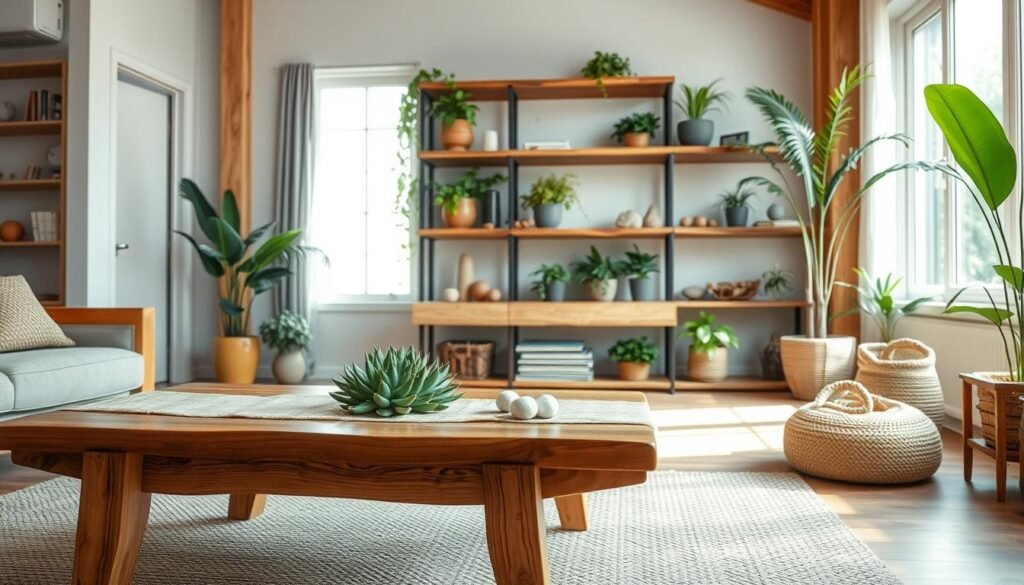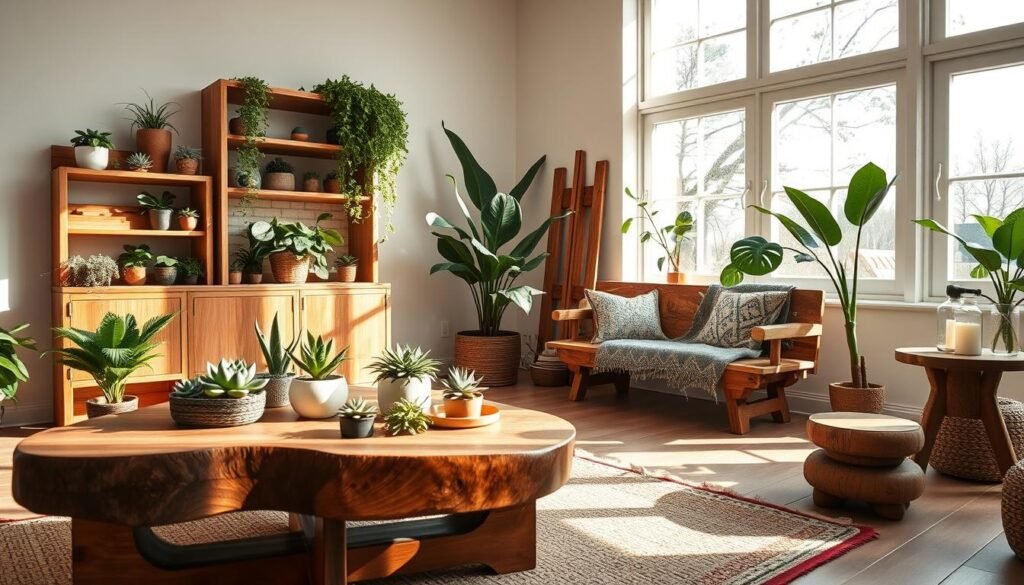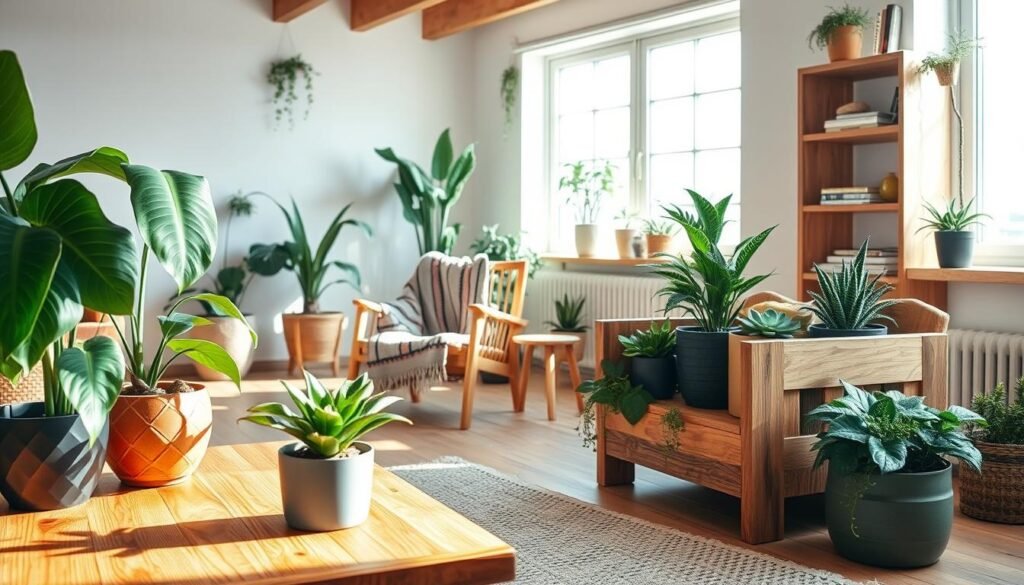
It’s amazing how fast a room changes when a living thing enters. Adding a small plant can make a big shift in the feel. It turns the space into a cozy haven.
This change isn’t just about looks; it’s about making a space welcoming. With proper indoor plant care, plants can grow well. They improve the plant wellness and make the cozy living room design better.
By adding plants to your plants indoor design, you can change your space a lot. This simple step can make your space feel more inviting and comfy.
The Transformative Power of Plants in Our Spaces
Plants have a special power to change any space, making it feel more welcoming and alive. They do this by improving both the look and the air quality of our areas.
Visual Impact
The look of plants is clear. They bring nature into our homes and yards, creating calm and peace.
Adding plants to your decor can make your living room look better, inviting everyone in. For a nice look, pair your plants with a warm wood accent, as shown in this article on improving indoor feel.
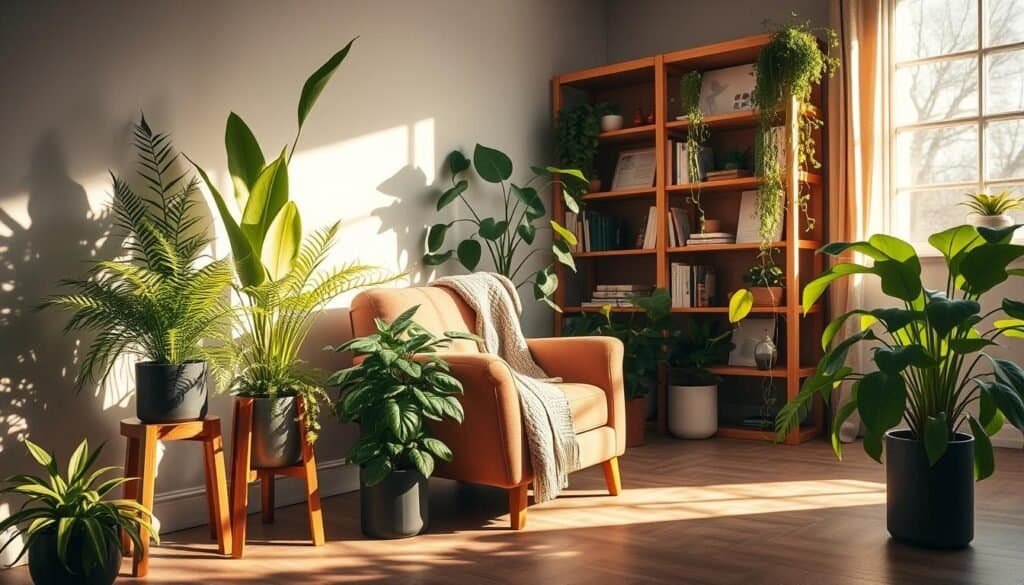
Plants also help clean the air. They take in carbon dioxide and give out oxygen, making our homes healthier.
Having plants at home can greatly improve the air quality, making it better for you and your family.
By knowing how plants can change our spaces, we can use them to make our homes more sustainable and eco-friendly. Plants are key in making our surroundings better, whether through their looks or air quality benefits.
A Small Plant, A Big Shift: Understanding the Impact
The presence of a small plant can change how we feel in an indoor space. It makes the area more welcoming and calming. This change is not just about looks; it also improves our well-being.
Plant Impact affects our mental health and the space around us. Plants clean the air, removing pollutants and making it healthier. This natural action improves the atmosphere and our health.
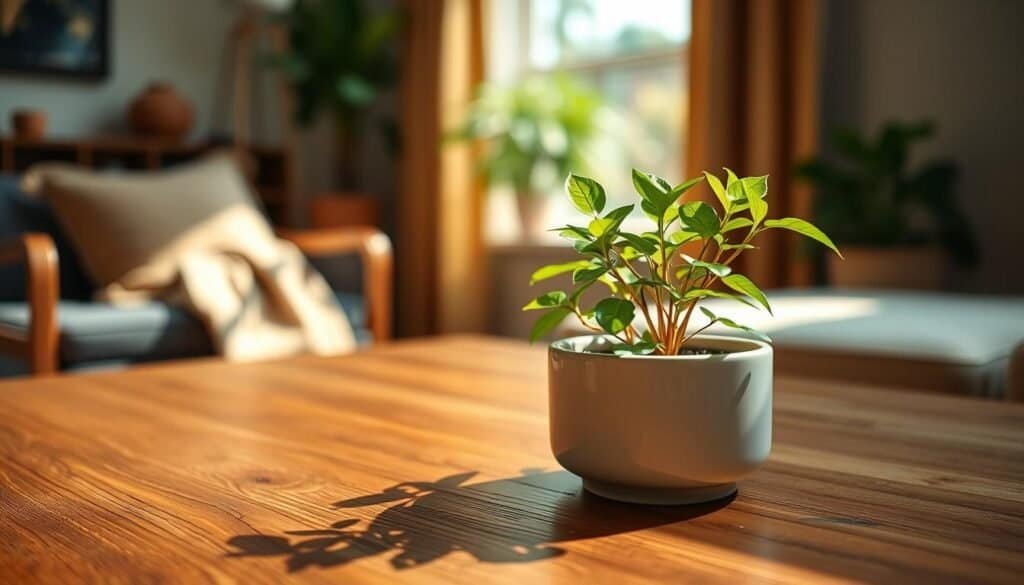
To get the most from plant impact, we need to take care of our plants. This means picking the right plants, knowing how to water them, and giving them enough light. For more ideas on using plants in your decor, check out fresh plant decor ideas.
Having plants indoors offers many benefits, including:
- Improved air quality
- Enhanced aesthetic appeal
- Better mental health through reduced stress levels
- Increased productivity
By understanding the a big shift a small plant can make, we can use them to make our spaces healthier and more welcoming. Whether it’s through plant health benefits or just adding a bit of nature indoors, the effect is clear.
Health and Wellness Benefits Beyond Aesthetics
Plants do more than look good. They greatly improve our well-being. Studies show that indoor plants can lower stress and boost our mood. They can even help with anxiety and depression.
Plants also help our bodies. They clean the air by removing harmful substances. This makes the air we breathe better, improving our health.
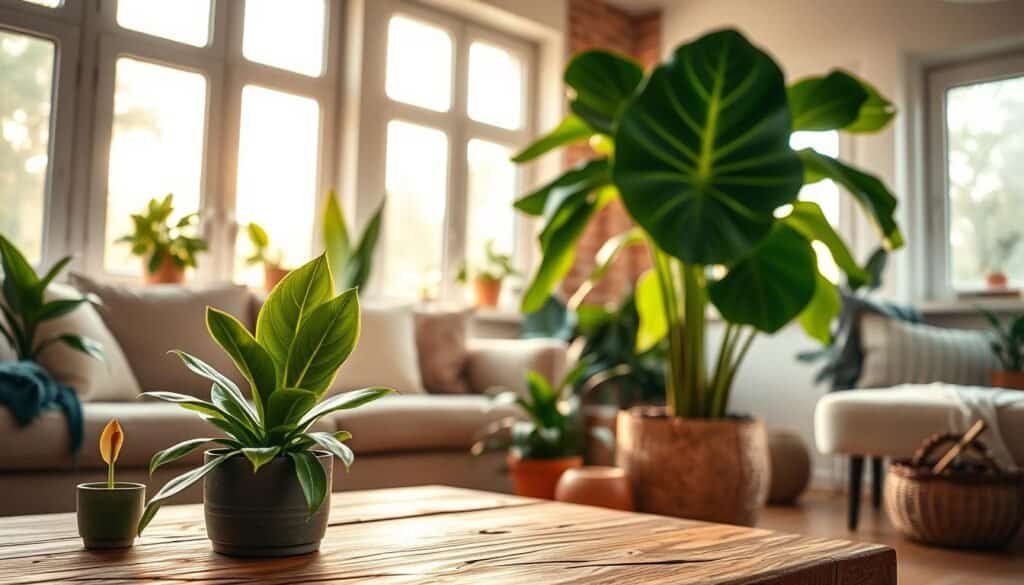
For even more benefits, try making your own hanging plants diy or diy plant hanger. These projects make your space unique and help place plants for the best effect.
By adding plants to our lives, we make our spaces healthier. This supports plant wellness and overall well-being.
Choosing the Right Plant for Your Space
Finding the perfect plant starts with knowing your space and needs. You might want to brighten a dark corner or green up your busy living room. There’s a plant for every spot.
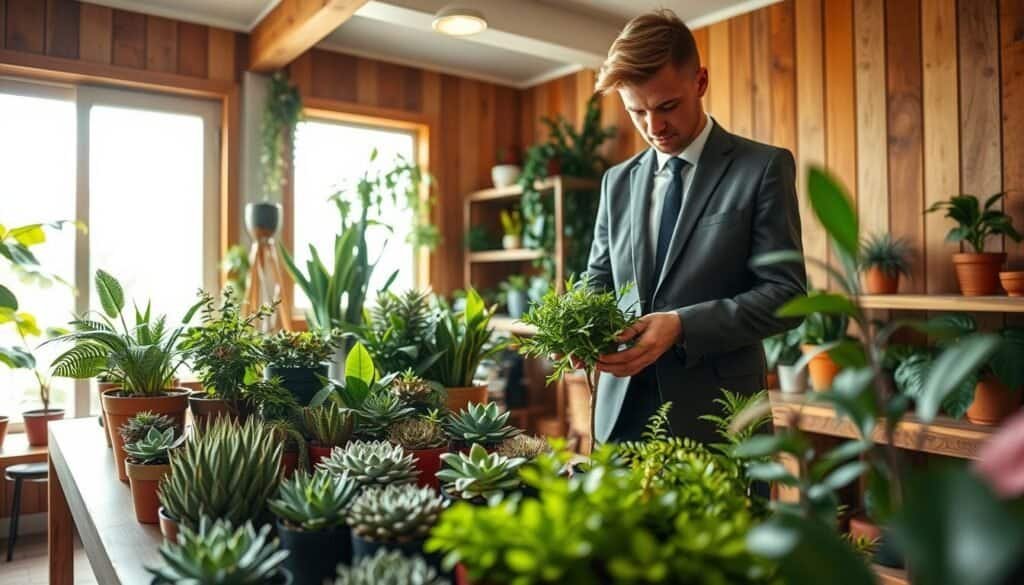
If you’re always on the go, low-maintenance plants are perfect. They need little care and can survive even when forgotten. Here are some great choices:
- Snake Plants: They clean the air and grow well in little light.
- ZZ Plant: This plant is almost impossible to kill and only needs water once a week.
- Succulents: Great for forgetful waterers, as they store water in their leaves.
Pet-Friendly Varieties
For pet owners, it’s important to pick pet-friendly plants that won’t harm them. Here are some safe picks:
- Spider Plants: Easy to care for and fun for pets to play with.
- Parlor Palms: Safe for pets and add elegance to any room.
- Prayer Plants: Beautiful foliage makes them a great choice for pet owners.
Think about your lifestyle and your pets when picking plants. This way, you can choose plants that look great and do well under your care.
Small Plants with Maximum Impact for Indoor Spaces
Small plants are more than just decorations. They can change the feel of any room. By picking the right plants and placing them well, you can make your home look beautiful and welcoming.
When picking small plants for indoor spaces, look for ones that are both small and eye-catching. The Snake Plant is great because it cleans the air and is easy to care for. The Pothos is also a good choice because it does well in different light conditions.
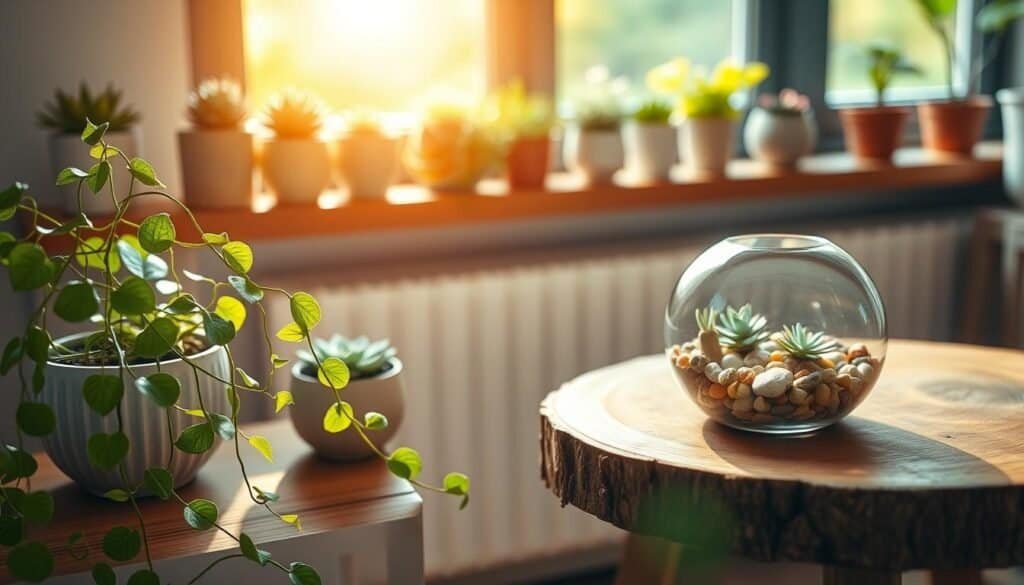
To make your indoor plants stand out, try creative ways to display them. Here are some indoor plant ideas to help you:
- Use hanging baskets to add a vertical element to your decor.
- Group plants together on a decorative tray or stand to create a lush, green display.
- Place a single statement plant on a side table or shelf to draw the eye.
Adding plant decor to your modern home is easy. Just put a small herb garden in your kitchen or a succulent arrangement on your coffee table. For a home green aesthetic, mix different textures and shapes to add interest.
By carefully choosing and displaying indoor plants, you can make a big difference in your home. You’ll enhance both the beauty and the feel of your space.
Transforming Outdoor Areas with Strategic Plant Placement
The right outdoor plants can make your outdoor space better. By choosing and arranging plants wisely, you can make areas that invite you to relax and have fun.
In outdoor garden design, it’s important to mix looks with use. Think about your space’s size and sunlight. Small areas might do well with compact or vertical gardens. Bigger spaces can hold many patio plants and potted garden ideas.
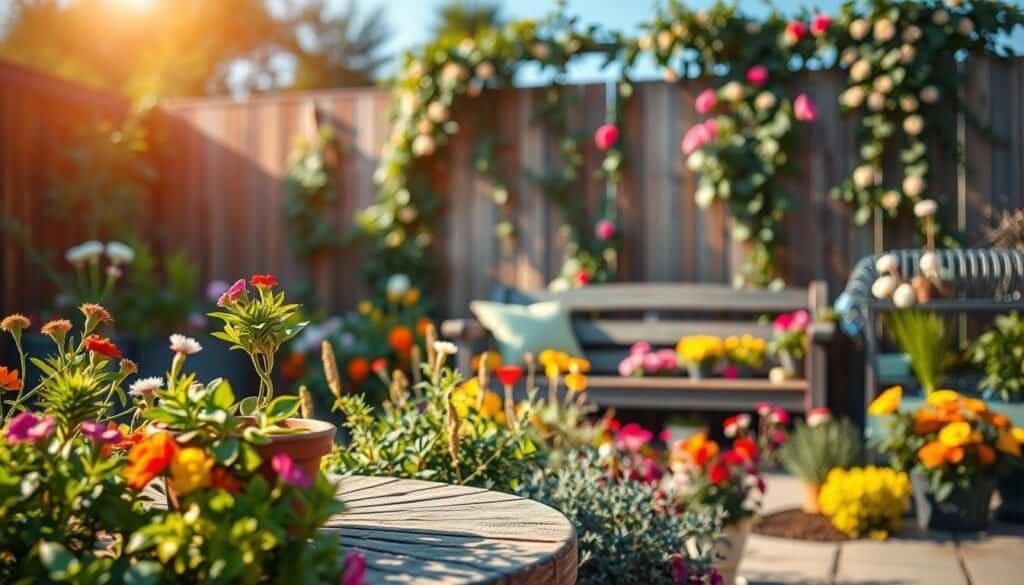
For a unified look, pick plants that need the same light and grow in similar ways. Adding different textures and heights makes your space more interesting. For ideas, check out creative garden designs with metal art and unique features.
Some great outdoor plant ideas include colorful flowers like petunias or geraniums. Or, you could go for easy-care succulents for a calm vibe. No matter your taste, there’s a plant for your outdoor spot.
Creative Container Ideas to Amplify Plant Impact
Make your plant decor stand out with creative containers. The right container can turn your plant into a room’s centerpiece. It makes a big difference in how your space looks.
Unique Container Ideas:
- Repurpose old mason jars or bottles as planters for a rustic touch.
- Use wooden crates or vintage suitcases to add a touch of nostalgia.
- Hang plants from the ceiling using macramé hangers for a bohemian vibe.
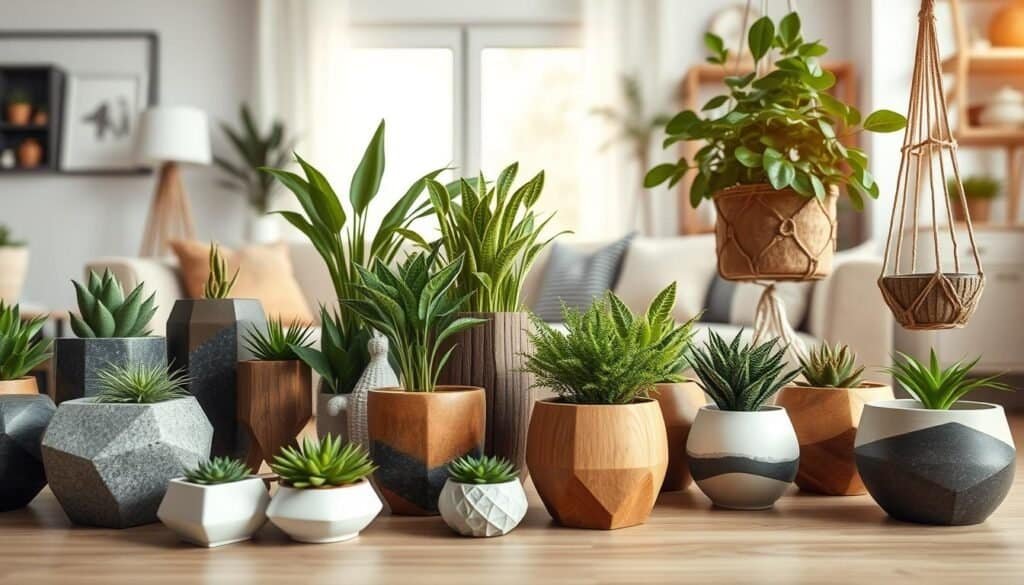
For a modern look, try geometric or metallic planters. You can also make your own plant hangers. Use twine, rope, or fabric for a unique touch.
DIY Plant Hangers:
- Choose a sturdy rope or twine that complements your decor.
- Measure and cut the rope to the desired length, leaving enough for adjustments.
- Attach the rope to the planter and hang it at the desired height.
Choosing the right container and being creative can make your plants stand out. It will also improve your space’s look.
Styling Techniques: How to Make One Plant Look Like Many
With the right styling, one plant can look like many. This is done through careful placement and creative displays.
Grouping and Arranging is a simple yet effective way to make a single plant appear as multiple. By placing the plant on a decorative tray or platter with other items like candles, pebbles, or books, you can create a visually appealing display.
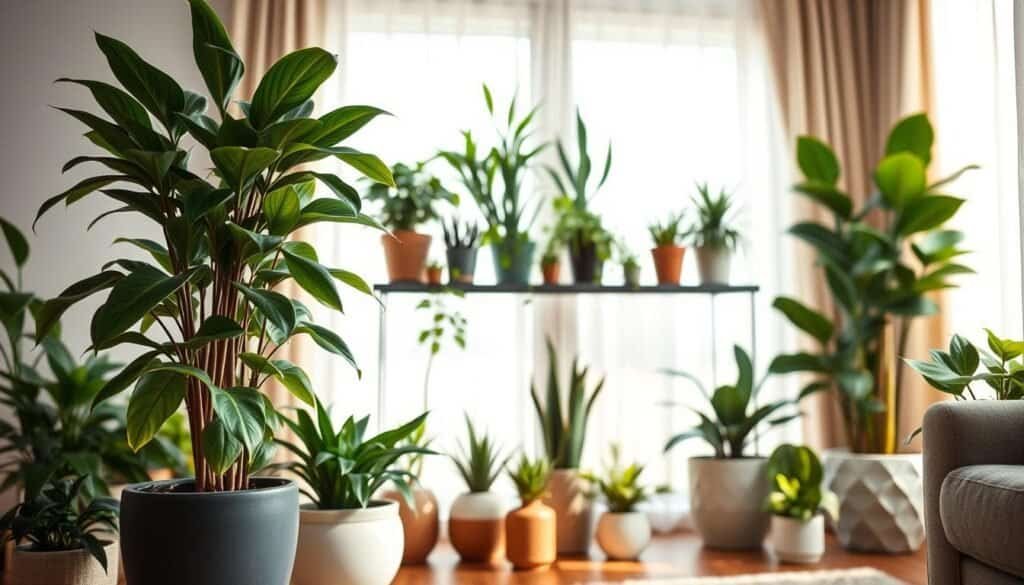
- Use a variety of textures and heights to add depth to your arrangement.
- Select a planter that complements the plant’s foliage and the surrounding decor.
- Place the plant in a strategic location, such as a corner or against a wall, to create the illusion of more plants.
For indoor plant decor, choose planters that match your interior design. In a minimalist living room, a single statement plant can be a focal point. In a greenery apartment, mixing different plants can make it lush.
By using these styling techniques, you can make one plant look like many. This adds a fresh and vibrant feel to your space.
Sustainable and Eco-Friendly Plant Choices
Switching to sustainable and eco-friendly plant choices can greatly help our ecosystem. By picking the right plants, we support gardening that’s good for our planet. This benefits our surroundings and the Earth.
Eco-friendly plants need little care, use less water, and help local wildlife. Native plants, succulents, and those that attract pollinators are great examples. They make our spaces look beautiful and help the environment.
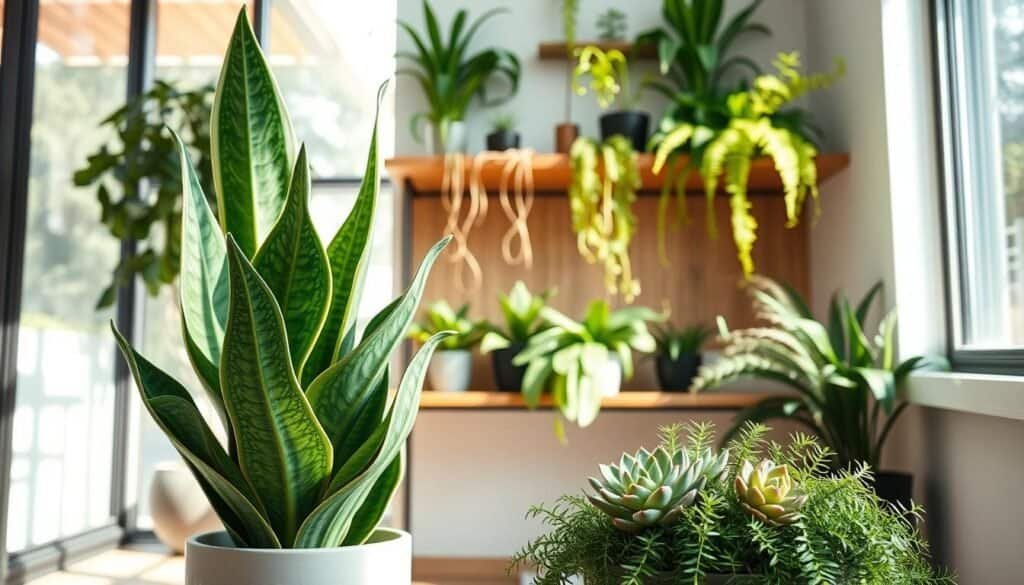
When picking sustainable plants, think about water use, soil needs, and pest attraction. Plants that fit your local climate need less pesticides and water. This saves resources and helps the environment.
- Choose native plants that are adapted to your local environment.
- Select plants that require minimal watering and care.
- Consider plants that provide food and shelter for local wildlife.
By choosing sustainable gardening and smart plant choices, we can create lovely, eco-friendly areas. These spaces are good for us and the planet.
Plant Care Essentials for Maximum Visual Impact
Proper plant care is more than just keeping them alive. It’s about making them thrive. To get the most visual impact, plants need careful watering, pruning, and fertilizing.
Watering is key. Too much water can harm plants as much as too little. Check soil moisture by feeling it with your finger. Adjusting watering schedules with the seasons helps plants get the right moisture.
Pruning is also vital. It keeps plants looking good and growing well. Removing dead or dying leaves and flowers makes plants look better and stops diseases.
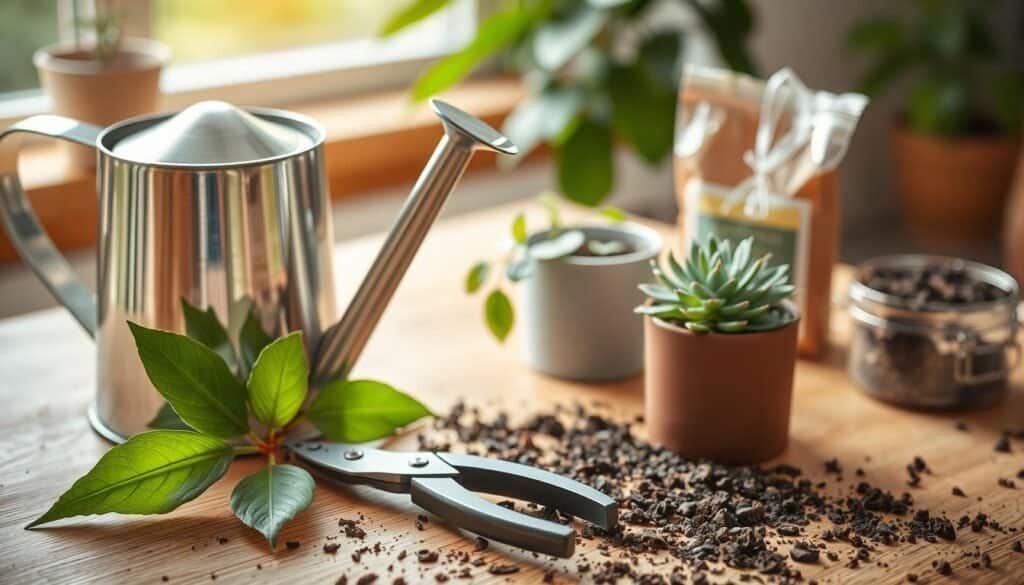
Fertilizing gives plants the nutrients they need. Using a balanced fertilizer in the growing season boosts their look. Follow the fertilizer package instructions to give plants the right amount.
Learning these care tips lets you have beautiful, healthy plants. Regular care boosts their beauty and keeps them alive longer.
Conclusion: Embracing the Power of a Single Plant
A single plant can change how a whole space feels, indoors or outdoors. By knowing how plants can change things, we can make our homes and workspaces better.
Adding indoor plants to your decor can make your living room look and feel better. The right plant can improve the air and lower stress.
When picking a plant, think about what your space needs. Look at lighting and how much care it needs. The right plant, cared for right, can really make a difference.
By using the power of one plant, you can make your space more beautiful, green, and healthy. It shows off your style and improves your health.