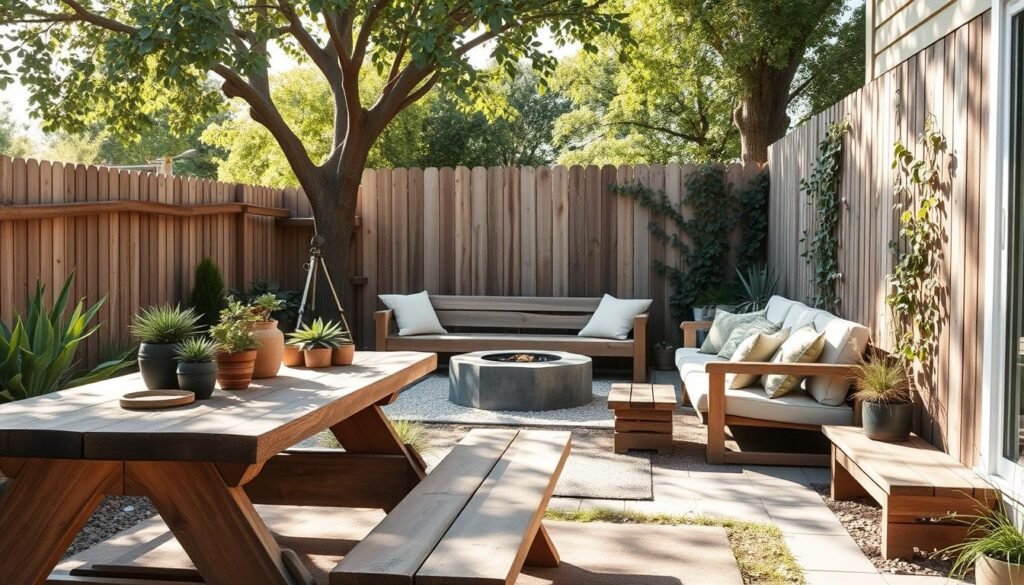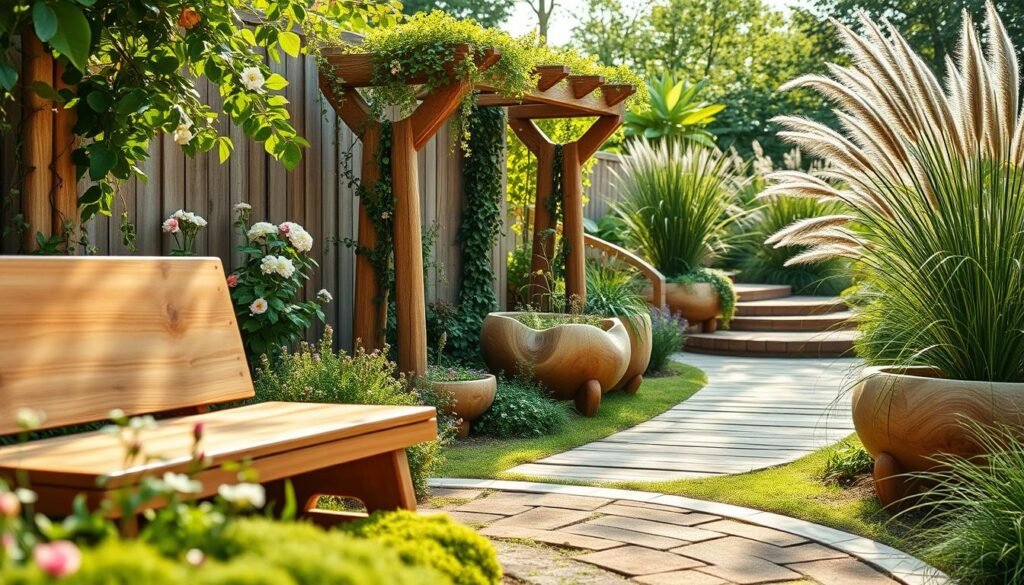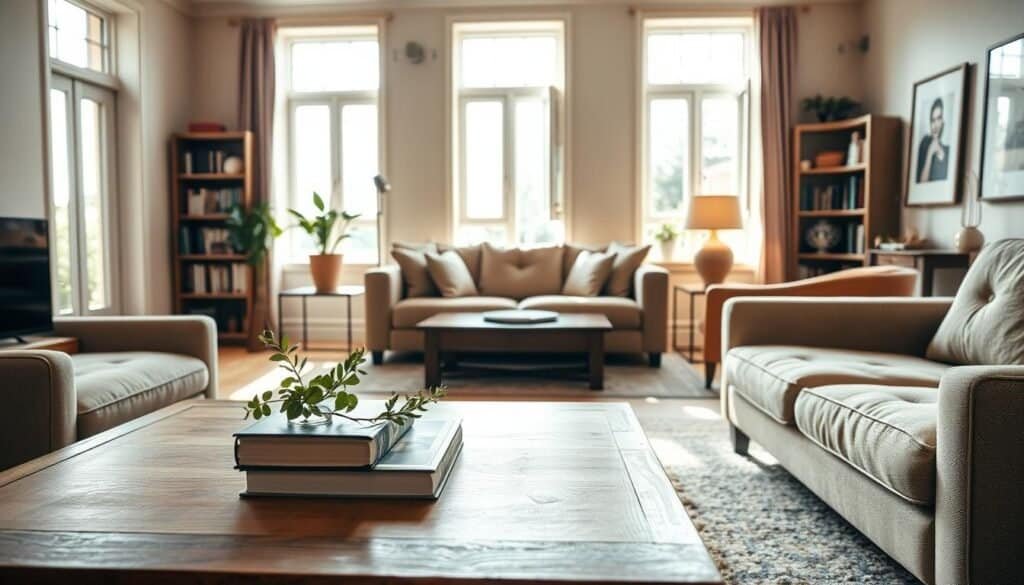
Many homeowners aim to create a calm home environment. It’s not just about how much decor you have. It’s about the elements that bring peace. A peaceful home comes from thoughtful design and intentional choices.
Ever walked into a home that felt calming right away? The air felt peaceful, and you sensed tranquility. It’s not just about decor. Peaceful household vibes come from natural light, balanced spaces, and the right materials.
We’ll look into making your home a tranquil space. We’ll explore home decor ideas and design principles. We’ll find out how to make your home a peaceful haven.
The Science Behind Peaceful Home Environments
Making your home calm is more than just picking decor. It’s based on science. The field of environmental psychology looks at how our surroundings affect our mind and feelings.
The Concept of Environmental Psychology
Environmental psychology is about how we interact with our surroundings. It aims to design spaces that boost mental health and lower stress.
Stress Reduction Through Design
Things like natural light, colors, and layout can really affect our stress. Adding elements that help us relax can make our homes more peaceful.
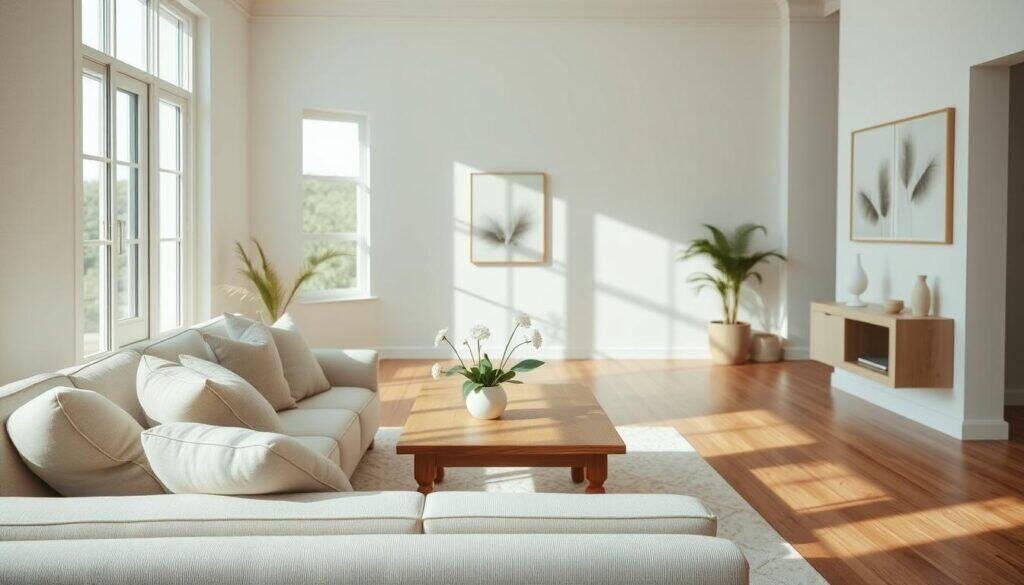
Cognitive load is the mental effort we use in our working memory. Too much visual stuff can make us feel overwhelmed. Making things simpler and less cluttered can help us relax.
By using what we learn from environmental psychology, we can make homes that are not just pretty. They can also make us feel calm and happy.
The Power of Intentional Space Planning
Effective space planning is key to a peaceful and functional home. Designing a layout that is both intuitive and beautiful helps reduce stress. It makes your home a calm place.
Intuitive Floor Plans That Reduce Decision Fatigue
An intuitive floor plan is easy to navigate and use. It reduces stress by cutting down on choices. For example, a well-planned kitchen with lots of storage and counter space makes cooking easier.
To get an intuitive floor plan, look at house layout ideas that improve flow. Make sure there’s a clear path, use the same flooring, and give each room a clear purpose.
The Rule of Negative Space
Negative space, or empty space, is as important as objects. It helps reduce clutter and visual noise. This makes your home feel more peaceful and relaxing.
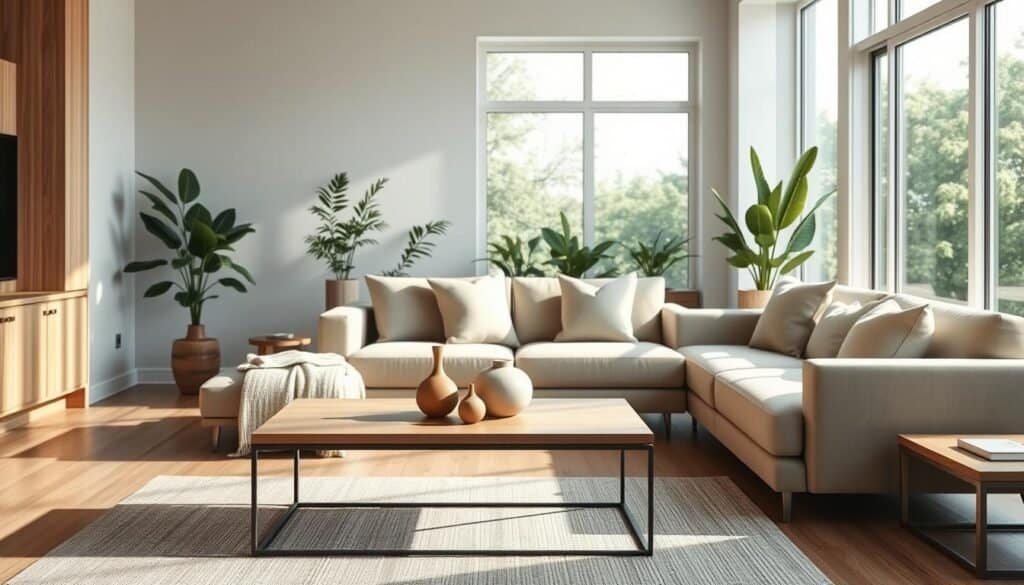
For example, leaving space between furniture or not over-accessorizing makes a room feel bigger and calmer. The rule of negative space is about finding a balance. It’s not about leaving a room empty, but about creating harmony.
Natural Light: The Ultimate Mood Enhancer
Using natural light can make your home feel calm and welcoming. It boosts mood, productivity, and well-being. By letting in more natural light, you can make your space feel more inviting.
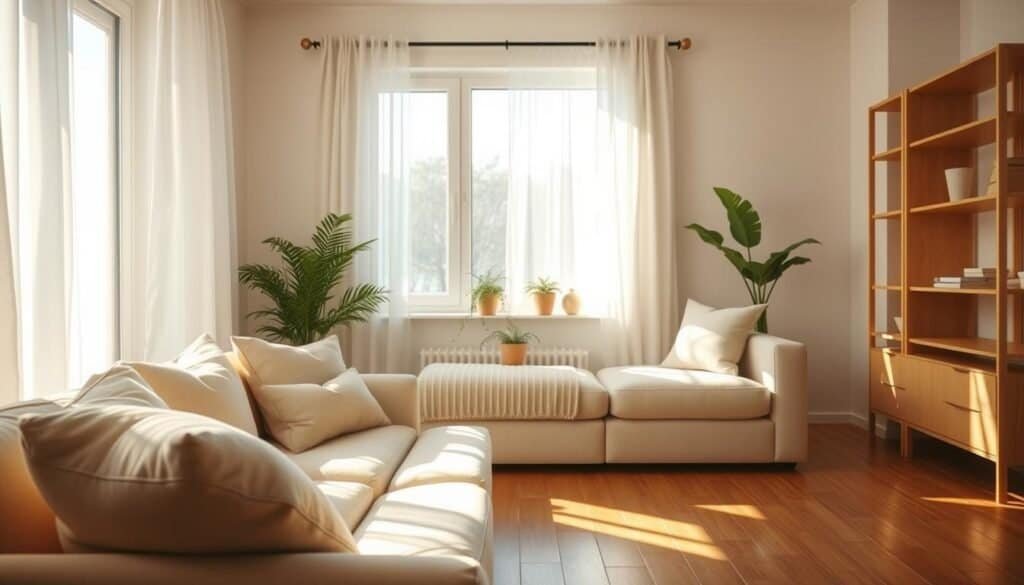
Maximizing natural light is more than just big windows. It’s also about the right window treatments. They help control light, privacy, and glare.
Window Treatment Choices for Optimal Light
Choosing the right window treatments is key for natural light. Here are some good options:
- Sheer curtains or blinds that let light in while keeping privacy.
- Plantation shutters for adjusting light levels.
- Roller shades for a modern look that fits your windows.
With the right window treatments, you can improve your home’s natural light. This makes your living room, bedroom, or office feel better. It changes the space’s feel and function.
The Role of Color Psychology in Creating Calm
Color psychology greatly affects a home’s feel, making it calm. It’s about how colors influence our emotions and actions. Choosing the right colors can turn a home into a peaceful space that boosts well-being.
Whites, Beiges, and Grays: Creating a Canvas for Peace
Neutral colors like whites, beiges, and grays are great for calm. They offer a clean base for design, letting other features shine. For example, white or beige can make rooms feel bigger and airier. Grays add sophistication and balance.
Adding cultural touches to design can also make a home calmer. Mexican kitchen decor ideas use warm, earthy tones for comfort. Spanish decor apartment styles often have rich, muted colors for a cozy feel.
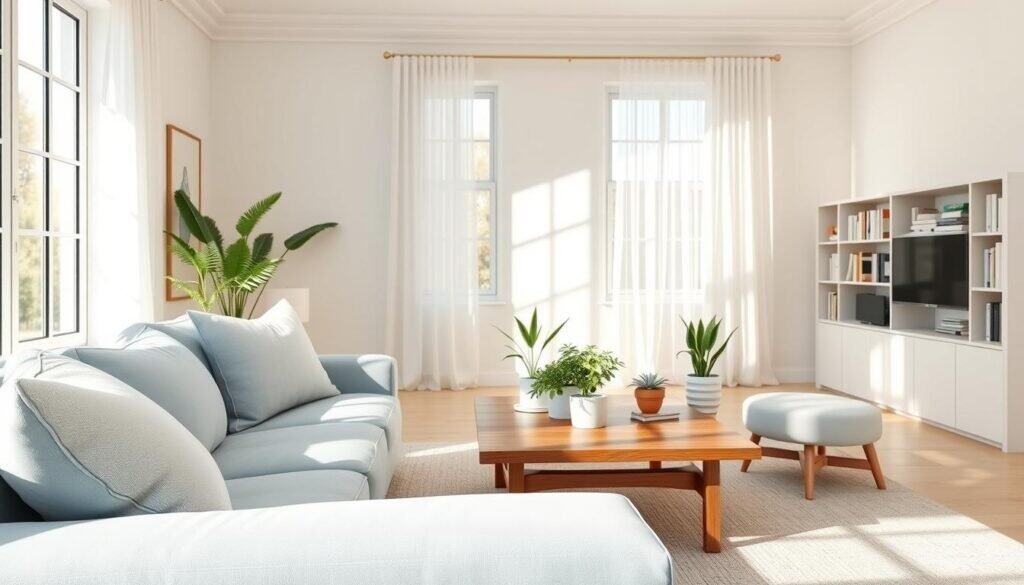
When picking colors, think about how they affect mood. Choosing colors that calm can make a home a peaceful retreat. Soft blues, pale greens, and creamy whites are popular for this. They work well in walls and furniture.
In summary, color psychology is key to a calm home. Knowing how colors affect us helps make design choices that promote peace and relaxation.
Why Some Homes Feel Calm: The Minimalist Approach
The minimalist approach is more than just having less. It’s about making a living space that feels truly yours. By embracing minimalism, you can turn your home into a calm place. This place promotes relaxation and reduces stress.
One key part of a minimalist home is investment pieces that last. These are not just any decorative items. They add value and character to your space.
Investment Pieces That Stand the Test of Time
Choosing timeless pieces means picking items that won’t go out of style soon. For a modern house decor, consider:
- Simple, elegant furniture
- Quality artwork
- Classic decorative accessories
For an elegant home office decor, focus on sophisticated ideas. Think minimalist desk organizers and refined lighting fixtures.
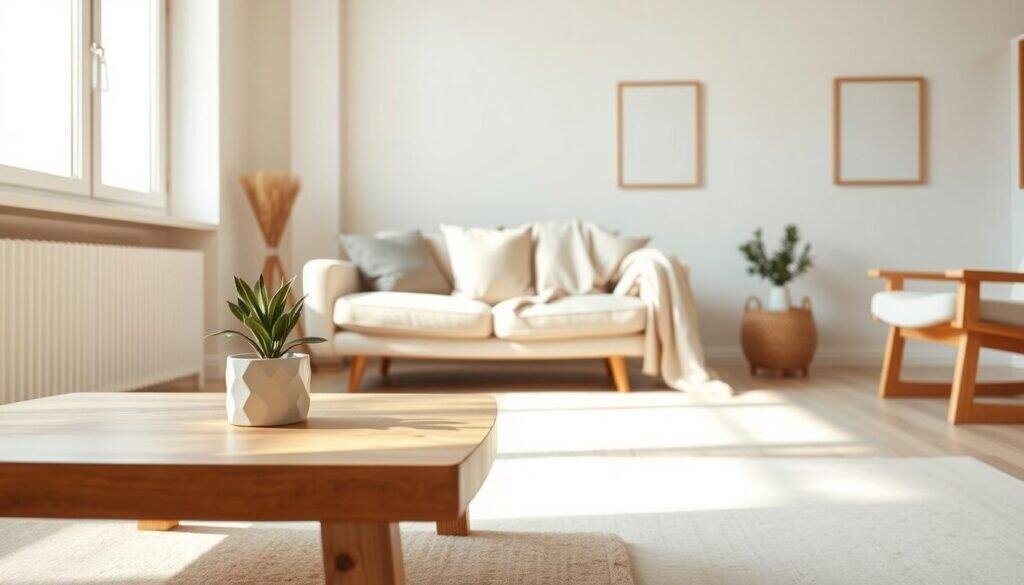
Decluttering is key to a minimalist home. It means removing items that clutter your space and distract you.
To declutter well, start by:
- Sorting items into categories (keep, donate, discard)
- Focusing on one area at a time
- Being ruthless about what you truly need or love
By following these steps, you can make a more serene and peaceful living space. This space will reflect the principles of minimalism.
Biophilic Elements: Bringing Nature Indoors
Nature has a calming effect on the mind. Adding biophilic elements to your home decor can bring this peace. Biophilic design mixes natural elements with indoor spaces, making them feel more peaceful and calm.
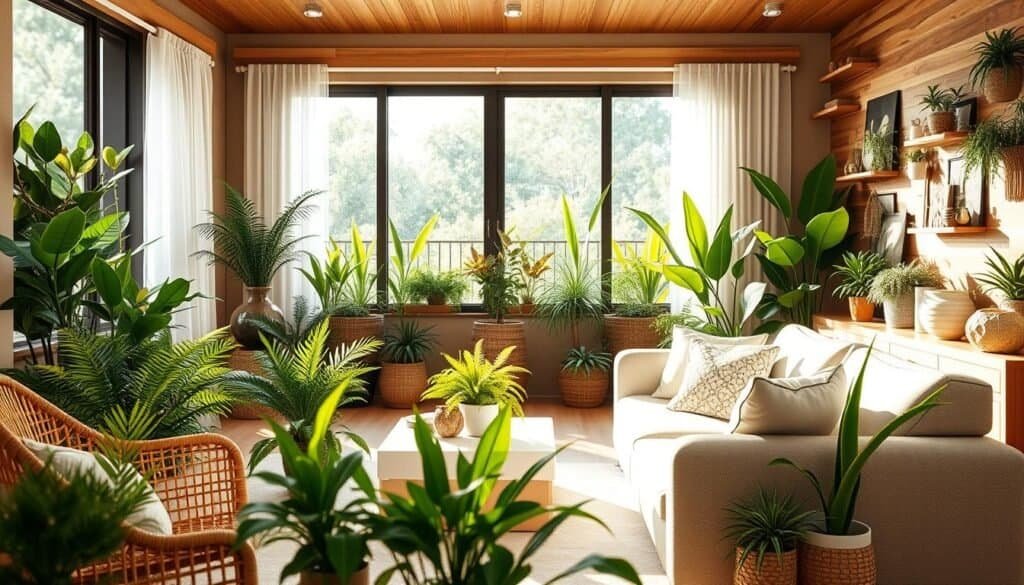
One easy way to bring nature inside is with plants. They clean the air and add greenery to your space.
Low-Maintenance Options for Plant Novices
If you’re new to plants, don’t worry. There are easy-to-care-for options. Snake plants and ZZ plants are great for beginners. They can thrive indoors with little care.
- Snake plants: Perfect for low-light areas
- ZZ plants: Require infrequent watering
- Succulents: Store water in their leaves, making them drought-tolerant
Wood, Stone, and Organic Textiles
Using natural materials like wood and stone can also enhance your home’s biophilic feel. Wooden furniture adds warmth, while stone features bring the outdoors in.
Organic textiles, like jute rugs and linen drapes, add to the cozy, natural feel. They work well in small spaces, like tiny houses, making them feel bigger and more connected to nature.
Adding biophilic elements to your home design makes it more beautiful and calming. By choosing easy-to-care-for plants and natural materials, you can enjoy nature indoors, even in small spaces.
The Impact of Proper Storage Solutions
Proper storage is key to a clutter-free and peaceful home. It keeps things organized and out of sight. This makes your living space serene.
Built-In Solutions That Disappear
Built-in storage fits right into your home’s design. It offers plenty of storage without losing style. It’s perfect for small spaces where every inch counts.
Benefits of Built-In Storage:
- Customized to fit your space perfectly
- Increases property value
- Enhances the aesthetic appeal of your home
The “Everything Has a Home” Philosophy
The “everything has a home” philosophy is simple yet effective. It means every item has its own spot. This makes keeping your home organized much easier.
To start, sort your belongings and figure out where they go. For example, in a home office, use a desk organizer for supplies and a filing cabinet for papers.
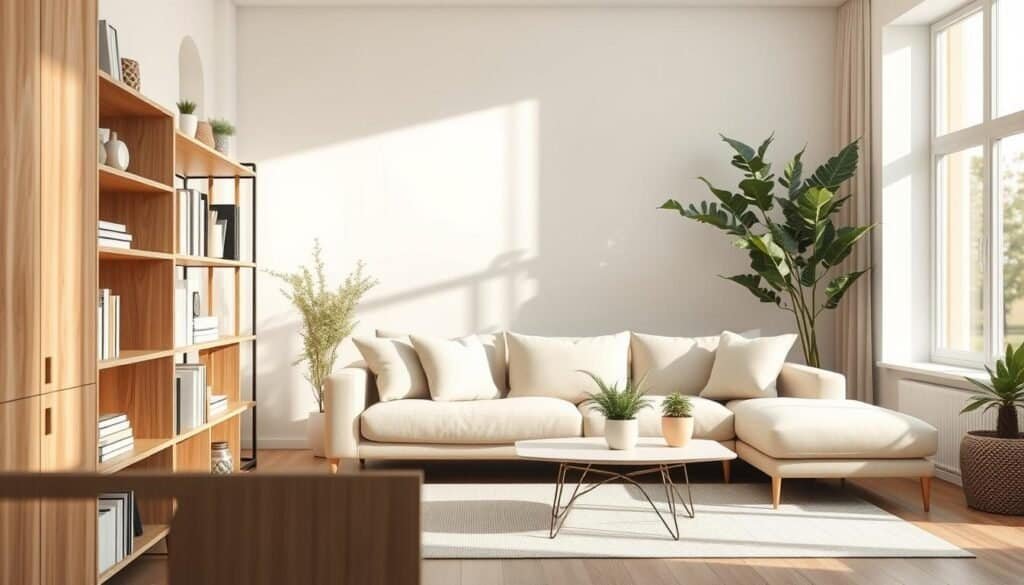
- Use vertical space with wall-mounted shelves
- Invest in a ergonomic desk with built-in storage
- Implement a filing system for important documents
By using the right storage and the “everything has a home” philosophy, you can cut down on clutter. This makes your living space more peaceful.
Acoustic Considerations for a Peaceful Home
The feel of a home is a lot about its sound quality. Sound can really change how we feel and how stressed we are. So, making a home quiet is very important in design.
Using soft furnishings is a smart way to make a home quieter. These items look good and help block out noise.
Soft Furnishings That Dampen Noise
Things like thick curtains, soft rugs, and comfy chairs can make a room quieter. They help stop echoes and soak up sound. For more ideas on making your home calm, check out this page for natural textures.
Adding these items to your home can make it feel more peaceful. Some good choices include:
- Thick, heavy curtains that soak up sound
- Plush area rugs that cut down on echo on hard floors
- Upholstered furniture that helps block noise
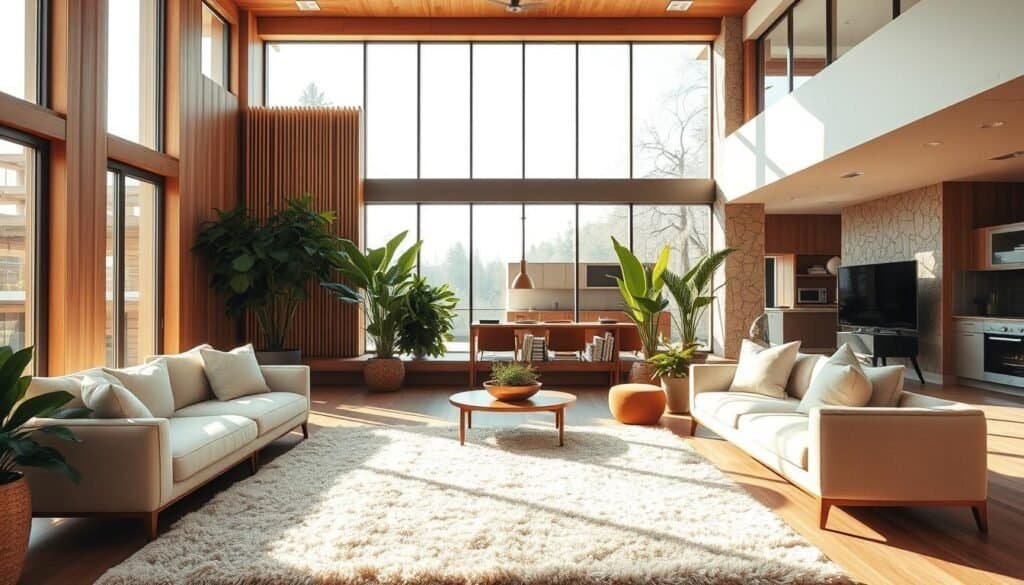
The Importance of Negative Space
Creating a calm home environment starts with understanding negative space. It’s the empty areas between, around, and behind objects. This concept is key to achieving a minimalist look.
In interior design, negative space is more than just empty areas. It’s a choice that adds to a room’s feel. It makes spaces feel breathable and calm, making them more serene.
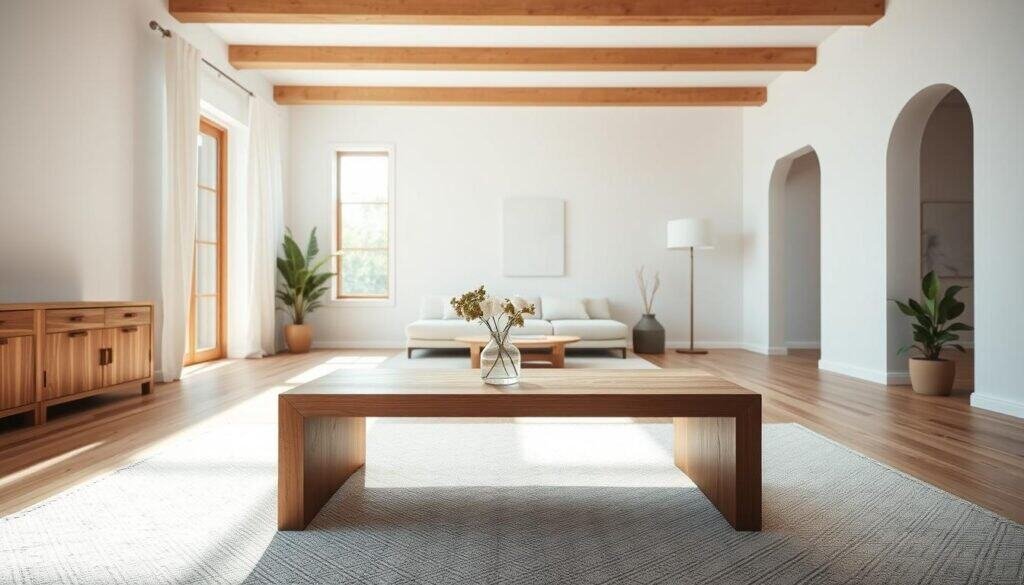
The Japanese concept of Ma is closely tied to negative space. Ma is about the silence between sounds, the space between objects, or the pause between actions. In design, Ma shows how empty space can create harmony and balance.
To use Ma in home design, you can:
- Use open floor plans for a sense of flow.
- Choose minimalist decor to avoid clutter.
- Place furniture to balance occupied and empty space.
In modern Sims house layouts, negative space and Ma can make spaces look good and feel calm. By using negative space, people can design homes that are peaceful and inspiring.
Personal Touches That Don’t Overwhelm
Adding personal touches to your home can make it unique without feeling too much. The key is to pick items that mean a lot to you but keep the space calm and peaceful.
Curating Items With Emotional Significance
Begin by choosing a few special items that speak to you, like family treasures or art that makes you happy. For example, you could show off a favorite piece of jewelry or an old watch in a glass case. This adds a touch of class to your office.
Tips for Elegant Display:
- Keep your display simple to avoid clutter.
- Choose items that match in theme or style for a cohesive look.
- Think about how each item makes you feel and how it fits with your desired atmosphere.
For more ideas on making your home feel like a personal sanctuary, check out Thoughtful Touches That Make a House a. By carefully choosing your personal touches, you can make a space that’s both yours and peaceful.
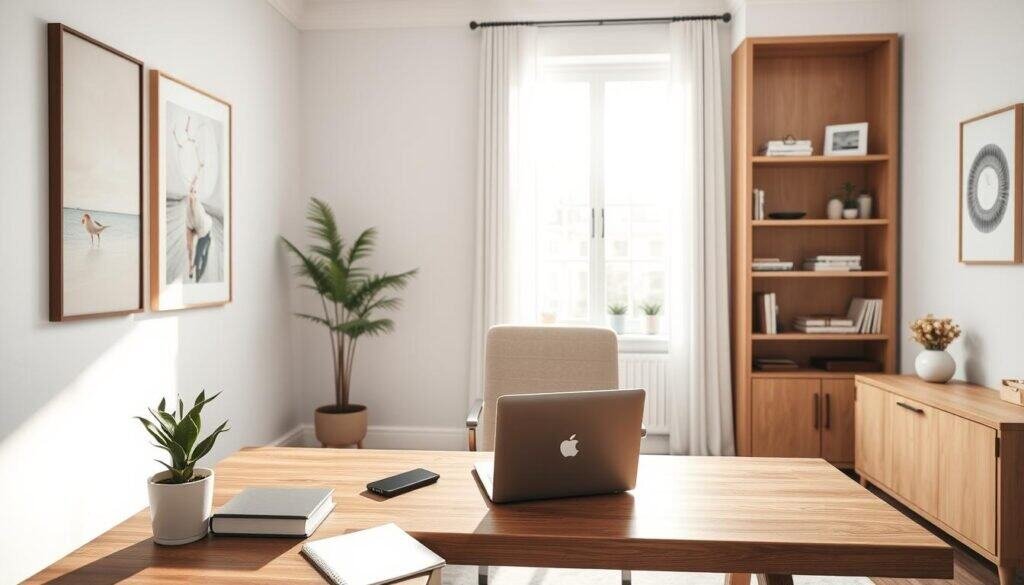
Conclusion: Creating Your Own Calm Haven
Turning your home into a calm space is possible. Use home decor ideas that help you relax. This way, you can make your home a place where you can unwind and feel refreshed.
Planning your space carefully, letting in natural light, and choosing colors wisely are key. Adding minimalism and elements from nature can make your home even more peaceful.
When making your living room a calm haven, think about modern decor ideas. Find a balance between looks and use. This way, your space will be both lovely and calming.
With the tips from this article, you can make a peaceful spot that shows off your style. Begin your journey to a calmer home today.