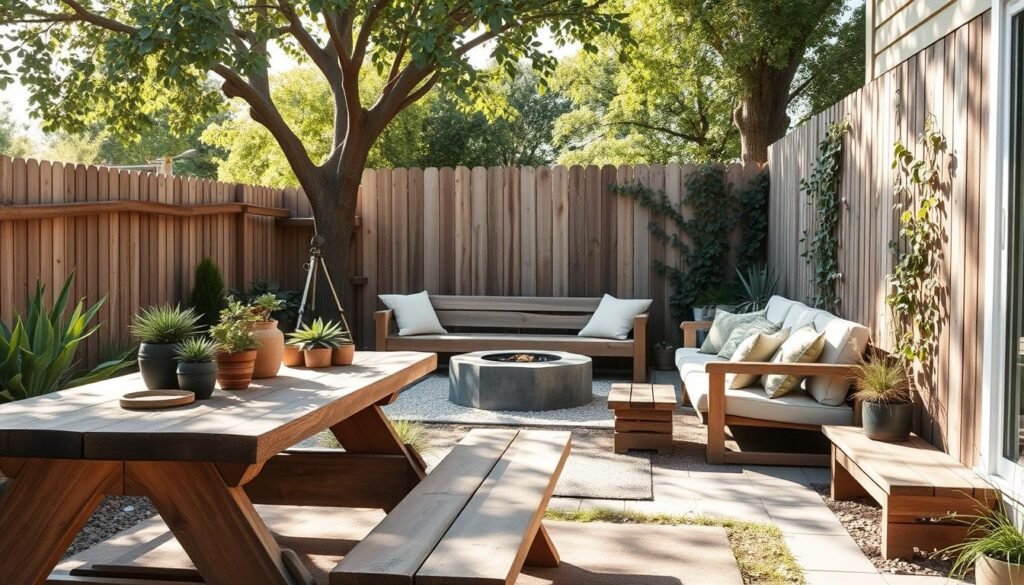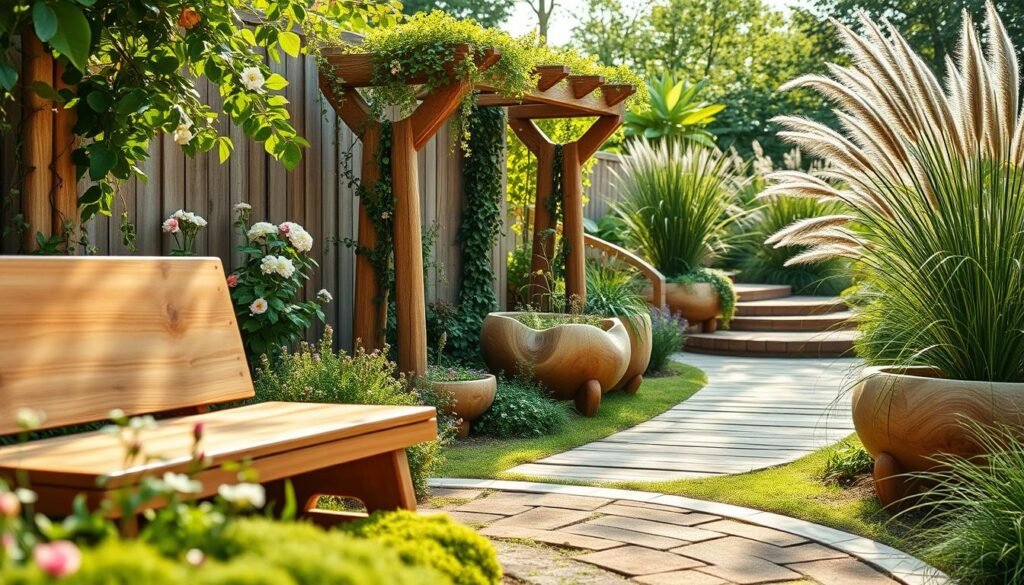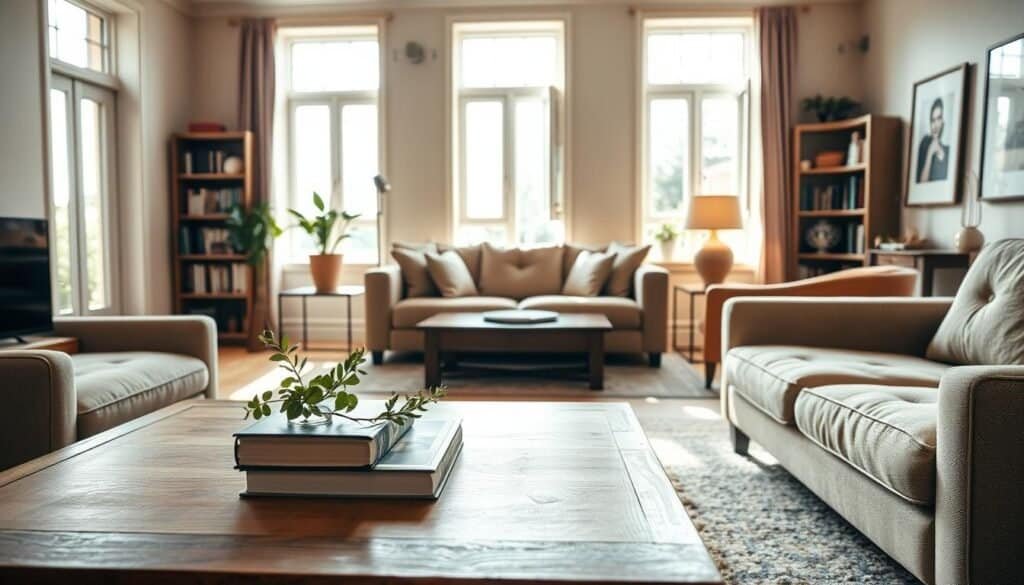
Creating a livable home is more than looks. It’s about making a space that works well with its people. Natural architecture is key, focusing on designs that fit with nature and boost well-being.
Using interior design and home decor that shows nature can make a home feel calm and inspiring. This way of home design makes a space more beautiful. It also helps lead to a healthier and greener life.
In this article, we’ll see how natural architecture can turn your home into a peaceful place that supports your health.
The Essence of Grounded Living Spaces
Creating a home that feels grounded is more than looks. It’s about making a space that cares for both body and mind. These spaces are key for stress-free living and mental well-being.
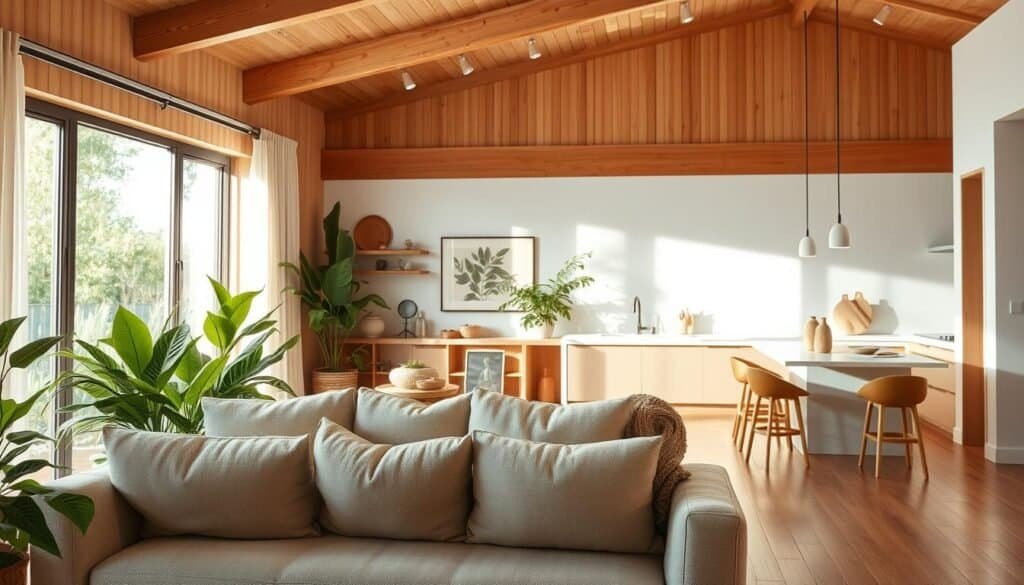
Grounded living spaces help lower stress and anxiety. They use nature and calming colors to create a peaceful vibe. For example, a well-made home office boosts productivity and anxiety relief by being quiet and free from distractions.
Enhanced Creativity and Productivity
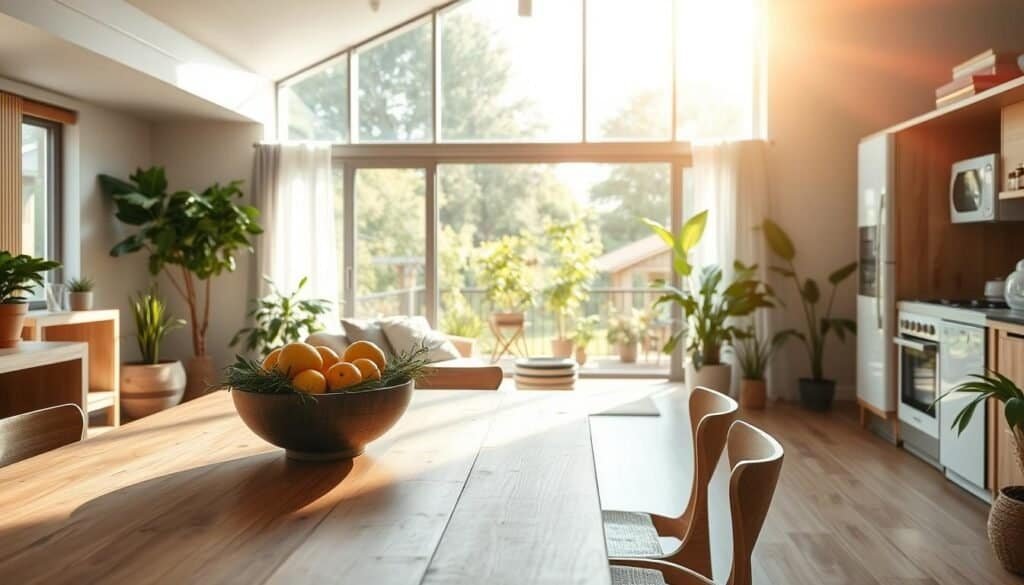
These spaces also boost enhanced creativity and productivity. Spaces that flow well and use natural materials inspire creativity. An open-plan living area with lots of natural light, for instance, sparks creativity and makes the space feel inviting.
In short, grounded living spaces are about more than just buildings. They’re about making environments that support our mental and emotional health. By using natural light, organic materials, and careful design, homeowners can make spaces that truly feel like home.
1. Embracing Natural Materials for A Home That Feels Grounded
Using natural materials in homes makes them feel connected to the earth. These materials add warmth and authenticity, making spaces cozy and inviting.
Exposed Beams and Structural Elements
Exposed beams and structural elements add character to rooms. Exposed wooden beams, in particular, bring rustic charm and history. They can be left natural or stained to fit the decor.
Reclaimed and Sustainable Wood Options
Reclaimed and sustainable wood is eco-friendly and tells a unique story. Reclaimed wood from old barns or trees adds history to homes. Sustainable wood, certified by organizations like the Forest Stewardship Council (FSC), is harvested responsibly.
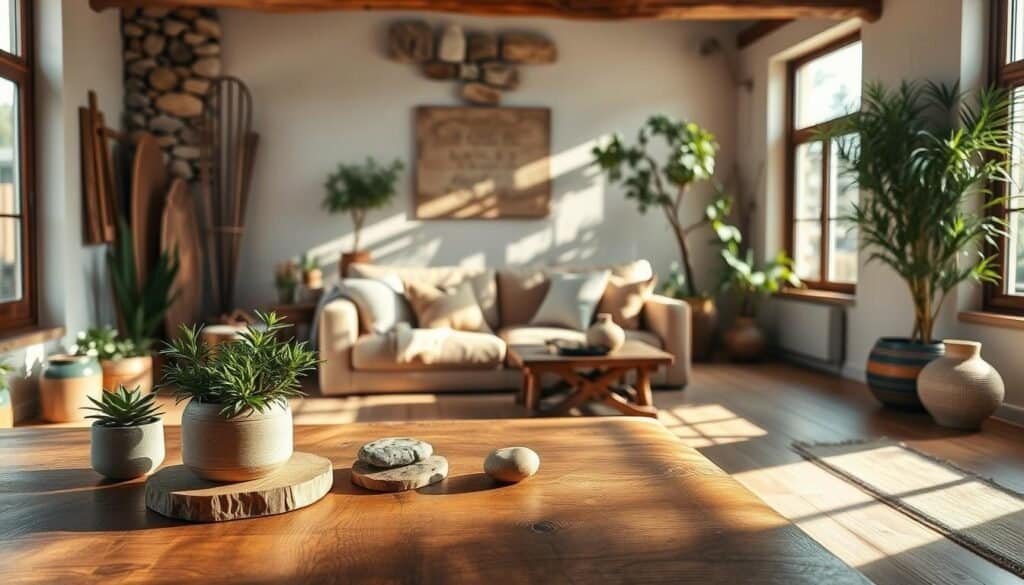
Mexican tile and terra cotta add earthiness to homes. Terra cotta tiles have warm, earthy tones for flooring, walls, or outdoor spaces. Mexican tile brings vibrant colors and designs to kitchens and bathrooms.
Natural Stone Flooring and Accent Walls
Natural stone is versatile for flooring and accent walls. Stone like slate, marble, or limestone adds luxury and connects to nature. Accent walls made from natural stone create focal points, adding texture and interest.
Wool, Cotton, and Plant-Based Fabrics
Wool, cotton, and plant-based fabrics are great for upholstery, curtains, and bedding. These natural fibers are breathable, sustainable, and soft. They come in various textures and patterns, fitting any decor.
Handcrafted Textile Art and Decor
Handcrafted textile art and decor add a personal touch. Items like handwoven baskets, embroidered linens, or knitted throws bring craftsmanship and uniqueness. These pieces often have stories and can become family heirlooms.
By using natural materials in home design, homes feel grounded and connected. It’s important to choose materials that are beautiful, sustainable, and eco-friendly.
2. Designing Organic Floor Plans That Flow Naturally
An organic approach to floor plan design makes a home feel more connected to its surroundings. It focuses on creating a natural flow that improves the space’s livability.
Organic floor plans make homes feel bigger and more welcoming. They use open floor plans and fewer divisions. This leads to a more fluid living experience.
Tiny Home and Small Space Solutions
For tiny homes and small spaces, organic floor plans are very helpful. They make the most of available space and add multi-functional areas. This creates a sense of spaciousness.
- Use multi-functional furniture to cut down on clutter.
- Choose vertical storage to keep the floor open.
- Go for light colors to make the space feel bigger.
Loft Designs That Maximize Vertical Space
Loft designs are great for making the most of vertical space in small homes. They lift living areas or bedrooms, giving a sense of openness and freedom.
Covered Porches and Sunrooms
Covered porches and sunrooms are key features of organic floor plans. They make the transition from indoors to outdoors seamless.
Sliding Walls and Disappearing Boundaries
Sliding walls and disappearing boundaries blur the line between indoors and outdoors. This design is perfect for homes surrounded by nature.
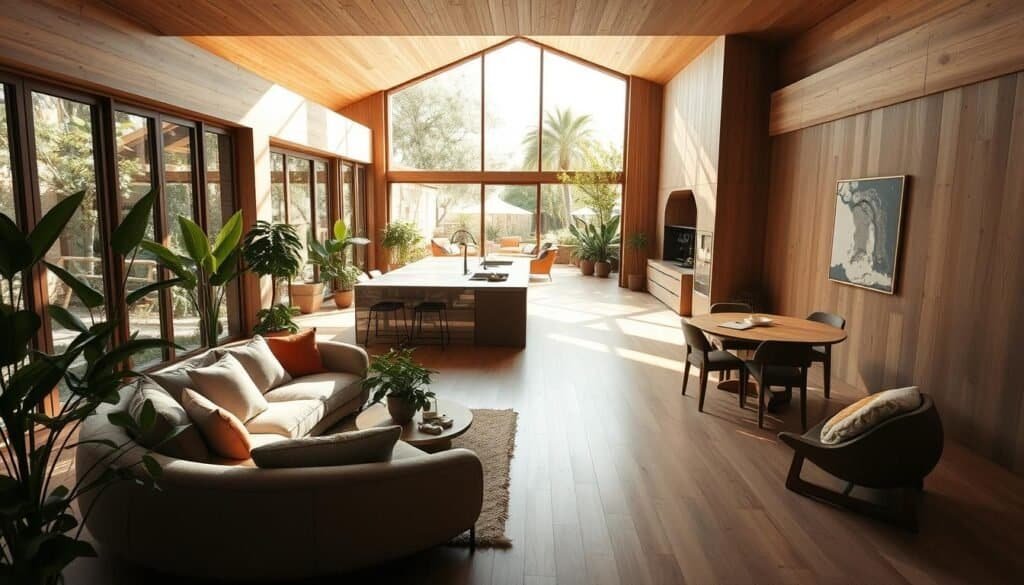
By using these design elements, homeowners can create a space that feels grounded and naturally flows. This enhances the home’s livability.
3. Bringing the Outdoors In Through Biophilic Design
More people want homes that feel connected to nature. Biophilic design is a way to do this. It brings elements of nature into our homes.
Key Elements of Biophilic Design
- Maximizing natural light
- Incorporating natural materials and textures
- Using plants and green walls
- Integrating water features
Skylights and Clerestory Windows
Skylights and clerestory windows let in natural light. They make our homes feel open and connected to the outdoors. They also cut down on the need for artificial light.
Light Shelves and Reflective Surfaces
Light shelves and reflective surfaces bounce natural light deeper into our homes. This makes our homes brighter and more welcoming. For more ideas, visit Nature-Inspired Accents.
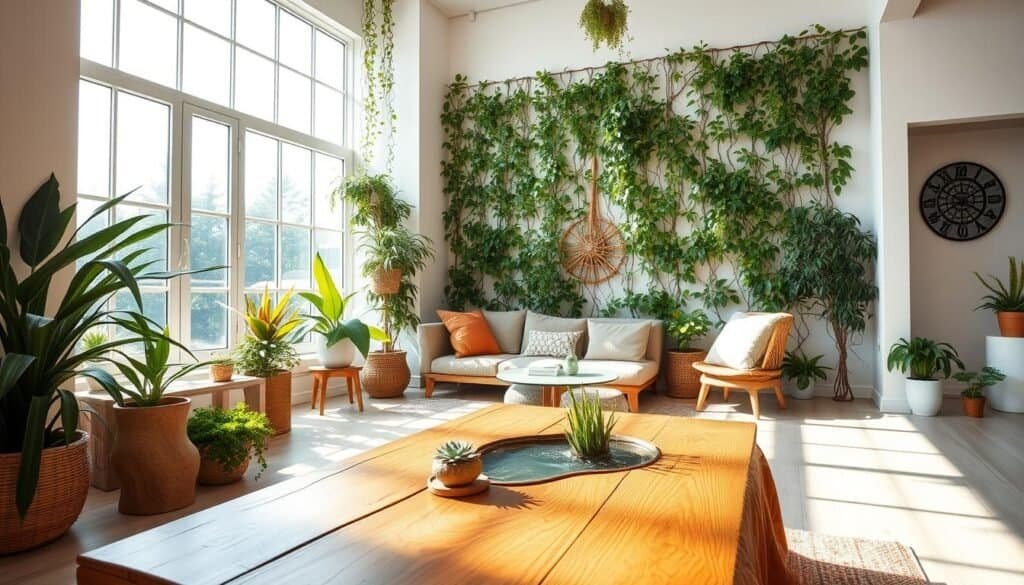
Indoor fountains and reflection pools bring the calming sound of water into our homes. This sound can help reduce stress and make us feel more relaxed.
Rain Chains and Water Collection Systems
Rain chains and water collection systems are both functional and decorative. They connect our homes to the natural water cycle. They also make our homes look better while being eco-friendly.
By using biophilic design, we can make our homes beautiful and restorative. This connection to nature improves our well-being. It’s why more people are choosing biophilic design for their homes.
4. Implementing Grounding Color Palettes and Textures
The colors and textures in our homes are key to feeling grounded. Using natural and earthy elements brings warmth and comfort.
Neutral Color Apartment Applications
Neutral colors create a calm atmosphere. Beige, taupe, and soft gray are great for this. They work well with many textures and colors, adding depth.
Accent Colors from Nature
Nature-inspired accent colors make a room lively. Colors like terracotta, sienna, and moss green connect us to nature.
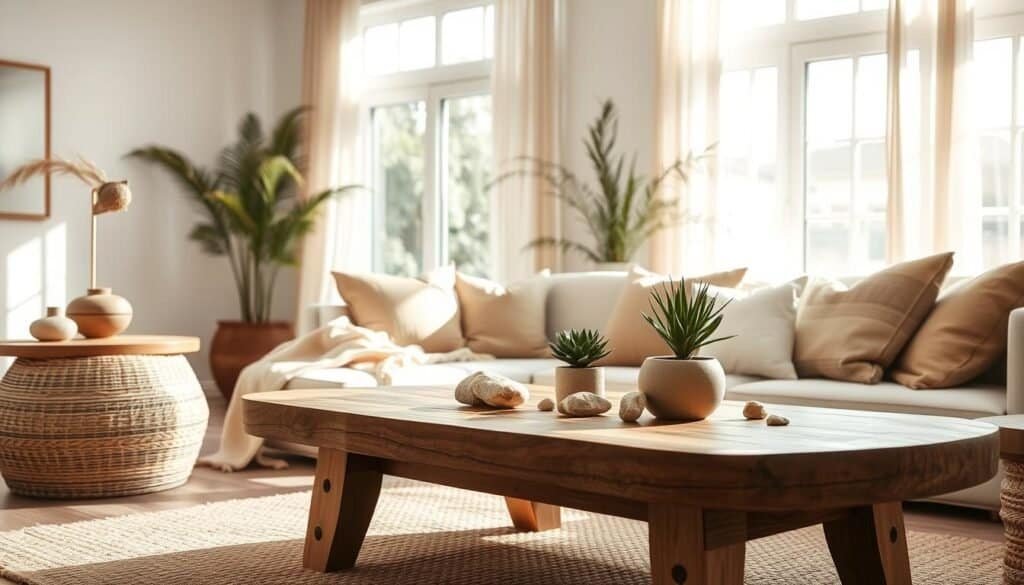
Using both rough and smooth surfaces makes a space interesting. For example, stone with wood or metal creates a dynamic look.
Layering Textures for Depth
Layering textures makes a room inviting. Mixing materials like fibers, wood, and stone adds warmth and complexity.
Spanish and Mexican-Inspired Palettes
Spanish and Mexican colors are warm and lively. Earthy tones, terracotta, and bright blues and greens make a home welcoming.
Mediterranean and Hacienda Color Traditions
Mediterranean and Hacienda styles use whites, creams, and earthy tones. These colors, with natural textures, bring relaxed elegance.
Choosing the right colors and textures makes our homes feel connected to the earth. It makes them welcoming to everyone.
5. Incorporating Sustainable Features That Connect to Place
To truly feel grounded, homes must have sustainable design elements that show respect for their environment. It’s not just about using eco-friendly materials. It’s about making a space that fits right in with its surroundings.
Sustainable features are key to achieving this harmony. Using thermal mass and heat distribution systems is a smart move. Thermal mass materials, like concrete or brick, help control indoor temperatures naturally.
Thermal Mass and Heat Distribution
Building with thermal mass can cut down on the need for heating and cooling systems. For instance, a home with thick concrete walls can keep a steady temperature. This saves energy and makes the home more comfortable.
Seasonal Adaptability Features
Features that let a home adjust to the seasons are also important. This includes big overhangs to block summer sun or clerestory windows for natural light. For more ideas on using natural elements in your home, check out The Sawdust Man.
Turning old sheds or outbuildings into living spaces or offices is smart. It reduces waste and adds character to a home. It also keeps the original structure’s history and integrity.
Repurposed Architectural Elements
Using repurposed architectural elements, like reclaimed wood or old fixtures, makes a home unique. It tells a story about the home’s history and its environment. This supports sustainable living by saving resources and preserving history.
By adding these sustainable features and choosing eco-friendly design, homeowners create a space that’s good for the planet. This connection makes the home a true sanctuary, fostering a sense of belonging and grounding.
6. Crafting Cozy, Human-Scaled Spaces
A well-designed home has cozy, human-scaled spaces that boost comfort and well-being. These areas make people feel grounded and connected to their surroundings.
Window Seats and Reading Corners
Window seats and reading corners are key to cozy spaces. They offer a quiet spot for relaxation and thought. Natural light makes these areas even cozier, perfect for reading or enjoying the view.
Meditation and Reflection Spaces
Meditation and reflection spaces are vital in human-scaled design. They are calming and peaceful, often using natural materials. Soothing colors and textures create a calm atmosphere for mindfulness and relaxation.
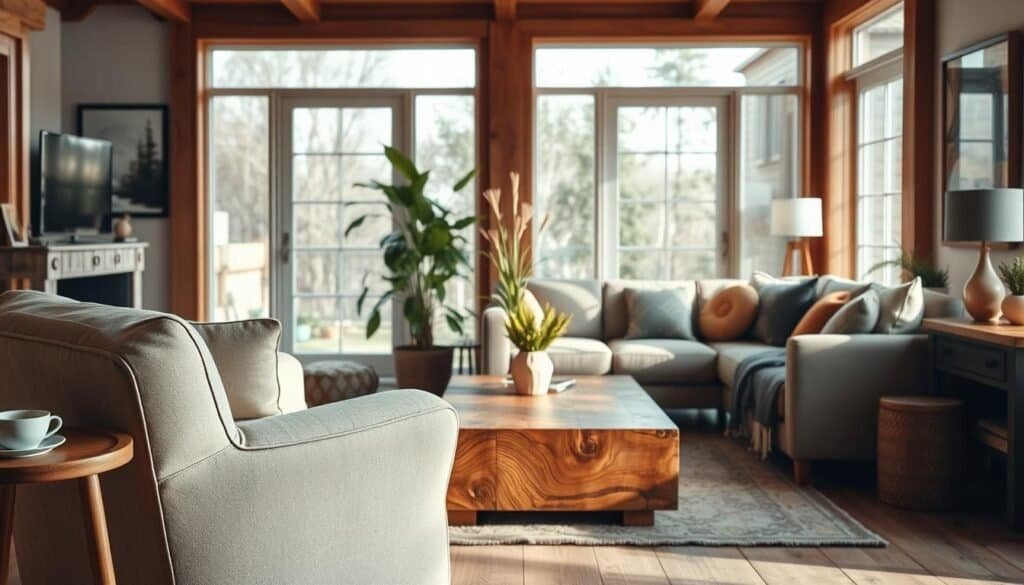
A-frame and cabin-inspired designs are loved for their cozy feel. They often have exposed wooden beams and vaulted ceilings. This creates a sense of openness while feeling snug and sheltered.
Lofted Areas and Vertical Interest
Lofted areas and vertical interest add excitement to human-scaled spaces. They make rooms feel larger and more open. Lofted areas can also add functional space, like a cozy reading nook or home office.
Ergonomic Considerations in Home Office Spaces
In today’s remote work world, ergonomic home offices are key. A good home office promotes good posture and reduces eye strain. Using an ergonomic chair and placing the computer monitor right boosts productivity and comfort.
Furniture Placement for Flow and Function
Furniture placement is vital for flow and function in human-scaled spaces. Arranging furniture well creates smooth traffic flow and ensures each area works as it should. Leaving enough space between furniture keeps the area open and clutter-free.
By using these design elements, homeowners can make their homes cozy and inviting. Whether it’s a window seat, meditation area, or ergonomic home office, each space adds to a more comfortable home.
7. Creating Meaningful Entryways and Transitions
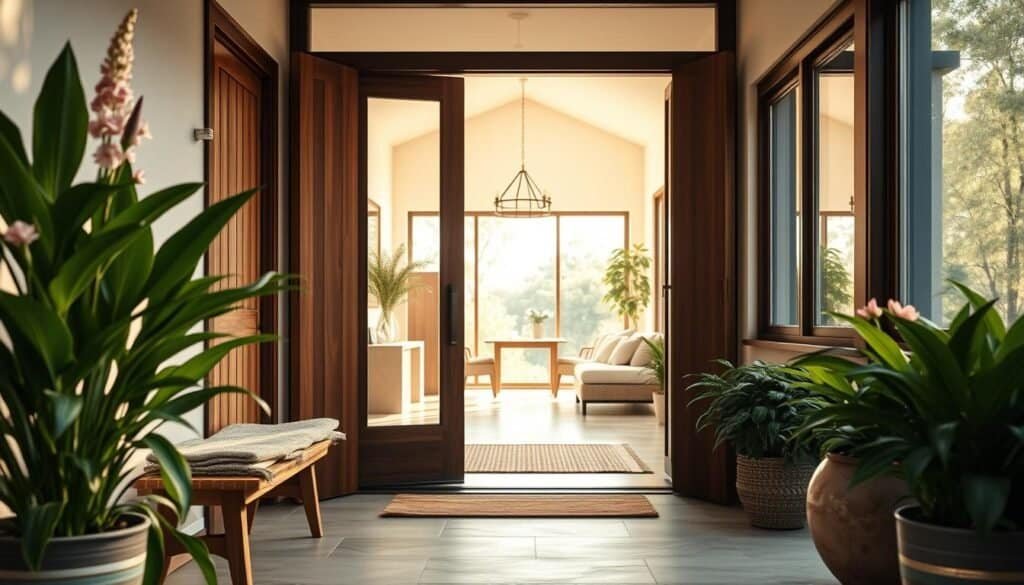
The entryway is more than just a passage. It’s a chance to welcome you into the warmth of home. A well-designed entryway sets the tone for your whole house, making it feel welcoming and grounded.
One effective way to enhance an entryway is through mirror placement for light and space. A mirror can make a narrow entryway appear wider and brighter. This creates a sense of openness.
Mirror Placement for Light and Space
Place a large mirror opposite a window to reflect natural light and views. This makes the space feel larger and more connected to the outdoors. For more insights on making a house feel like a home, visit Thoughtful Touches That Make a House a.
Natural Material Thresholds
Using natural materials for thresholds, like stone or wood, creates a seamless transition. These materials add warmth and texture to the entryway.
A gallery wall with personal collections or family photos makes an entryway feel more personal. It’s a great way to display cherished memories and add character.
Lighting Strategies for Narrow Spaces
In narrow entryways, lighting is key to creating a sense of width. Wall sconces or a stylish pendant light can illuminate the space, making it feel more expansive.
Storage Solutions That Blend Function and Beauty
Incorporating storage solutions that are both functional and beautiful keeps the entryway organized. Consider using a storage bench or a decorative console table with drawers.
Bringing Natural Elements to Utilitarian Spaces
Adding natural elements, like plants or a vase with branches, brings warmth and personality to utilitarian spaces. It’s a simple way to make the space feel more welcoming and connected to nature.
By incorporating these strategies, homeowners can create meaningful entryways and transitions. These not only enhance the aesthetic appeal of their homes but also contribute to a sense of warmth and belonging.
8. Harmonizing Architecture with Surrounding Landscape
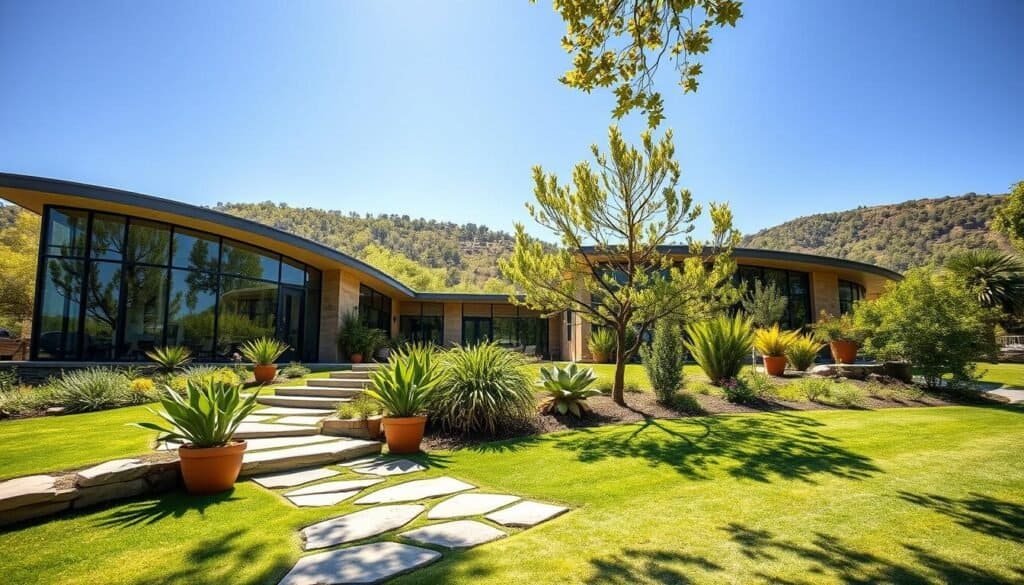
The key to a grounded and livable home is blending with the landscape. This makes the natural beauty of the area shine. It’s all about the topography, natural features, and climate.
Working with Topography and Natural Features
When designing a home, start with the land. Design it to fit the land, not change it too much. This way, the home feels like a natural part of the landscape.
Orienting for Views and Climate Considerations
Positioning a home right is key. It should face the best views and consider the weather. This makes the home more livable and eco-friendly.
Outdoor kitchens and dining areas are great. They mix indoor and outdoor living. This lets homeowners enjoy their surroundings while having indoor comforts.
Garden Rooms and Defined Exterior Spaces
Garden rooms and outdoor spaces connect the home to nature. They offer places for relaxation and fun, blending indoors and outdoors.
Adapting Traditional Forms for Modern Living
Modern homes can keep traditional styles. This means using classic designs in today’s homes. It keeps the home connected to its history and culture.
Honoring Local Building Traditions
Using local materials and designs is important. It makes homes beautiful and culturally relevant. This way, homes fit well with their surroundings and community.
By thinking about these points, homeowners can build homes that are beautiful, green, and connected to nature.
Conclusion: Cultivating a Grounded Home Sanctuary
Creating a home that feels grounded is key for our well-being. We can do this by using natural architecture and design. This way, we make a peaceful space that cares for our mind, body, and spirit.
A grounded home is more than just a place to live. It’s a calm retreat that connects us to nature. Adding natural materials and organic designs makes our home feel truly at peace.
Creating a serene home is a journey. It needs intention, creativity, and knowing what makes a space special. By following the tips in this article, you can make a home that’s peaceful and grounded.
Remember, a grounded home is all about harmony with nature. It should feel cozy and connect us to the outdoors.