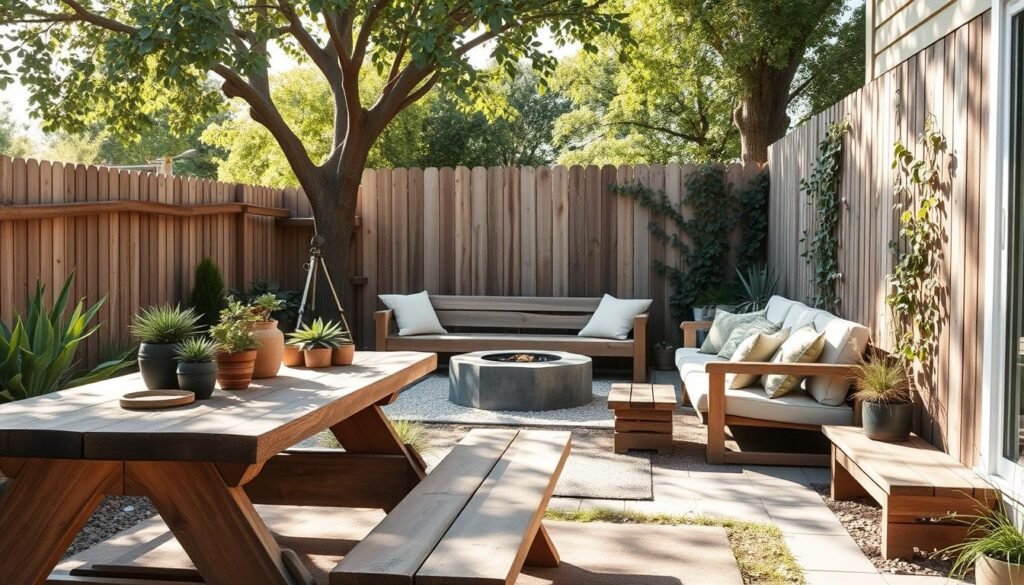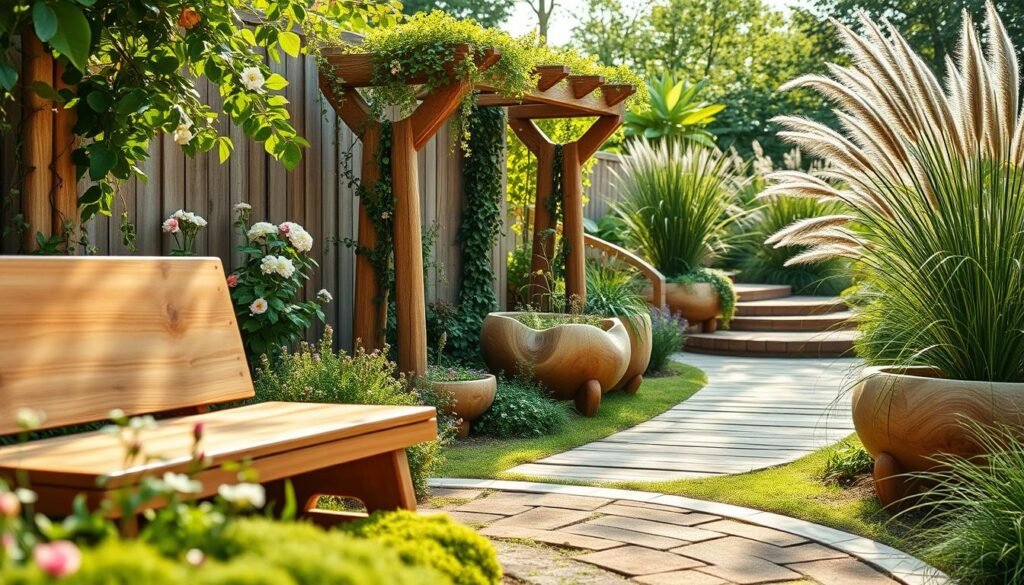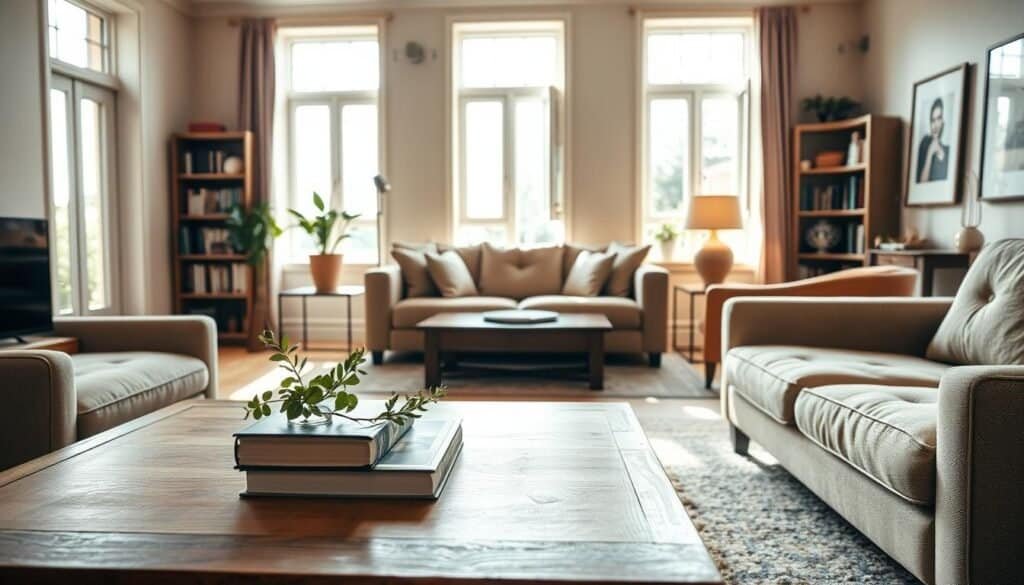
Designing a space often relies on subtle design features. These small details can transform a room, making it feel special and well-thought-out.
Tranquil building elements like chosen materials, smart lighting, and textures add calm. These quiet features help architects and designers create spaces that are both lovely and useful.
Such spaces feel welcoming and natural. Every understated architectural accent blends together, creating a peaceful environment.
The Psychology Behind Thoughtfully Designed Spaces
Well-designed spaces can make us feel relaxed and less stressed. Adding peaceful construction elements and serene architectural embellishments can really change how we feel. It can even help us work better.
Using minimalist architectural elements and subdued design elements brings calmness. This makes a space feel more carefully thought out. Some important design tips include:
- Using natural materials and textures
- Incorporating plenty of natural light
- Creating a sense of flow and continuity
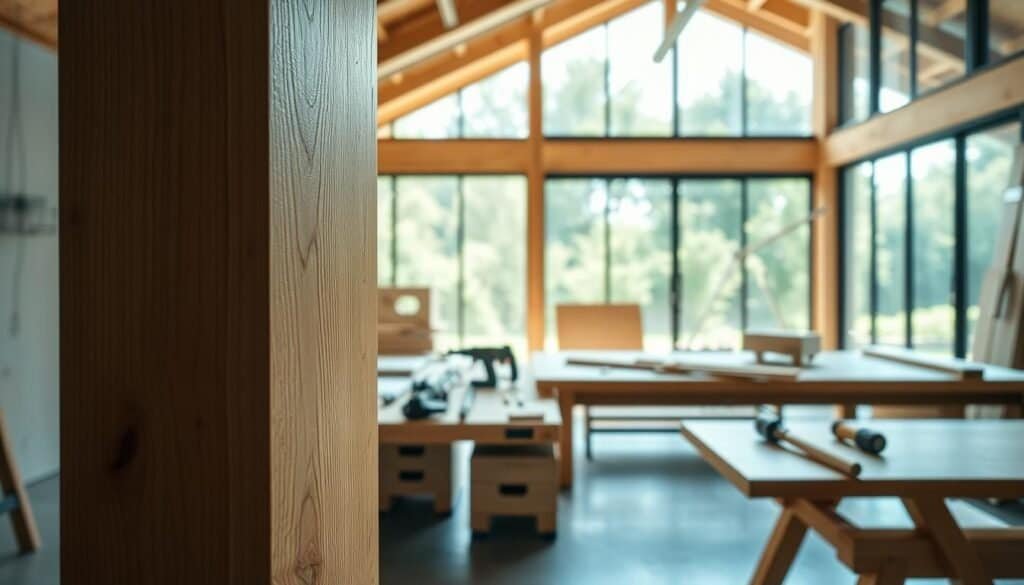
Architects and designers can make spaces that are good for our minds and bodies. This makes a space look better and feel healthier. It’s all about creating a positive and uplifting environment.
Thoughtful Floor Plans That Create Natural Flow
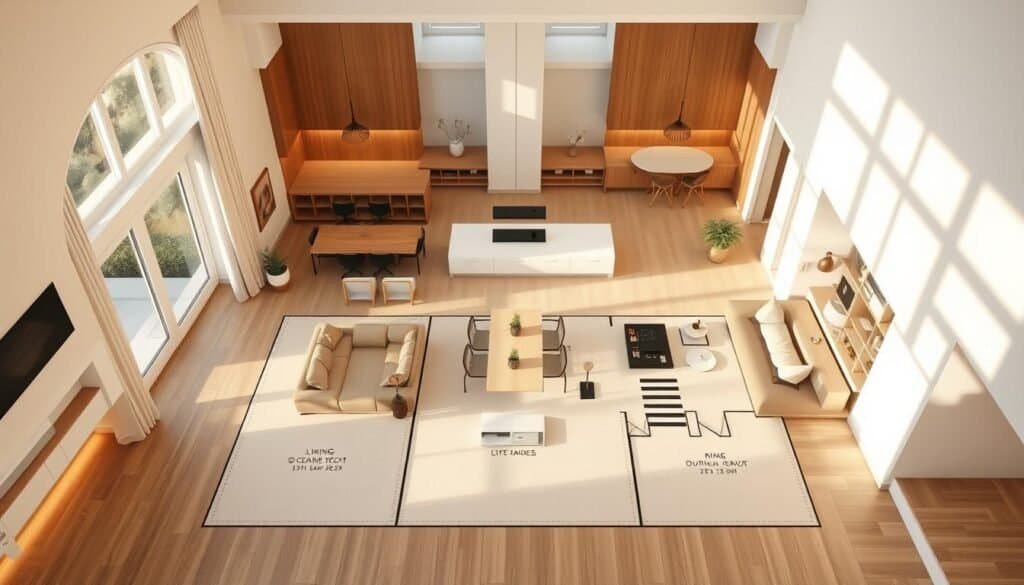
The layout of a house is more than just a blueprint; it’s about creating a harmonious living space. A well-designed house floorplan can make a home more livable. It ensures a natural flow between different areas.
Hallways and foyers are key to this flow. They’re not just transitional spaces. They can be turned into functional and beautiful parts of the home.
Hallways That Serve Multiple Functions, Foyers That Set the Tone
Hallways can be more than just passageways. They can be galleries for family photos or display niches for art. They can even have built-in shelves or cabinets for storage.
Foyers, on the other hand, set the tone for the rest of the house. A well-designed foyer can make your home feel welcoming. It’s a key part of the home’s look and feel.
When planning your dream house layout, think about how areas will connect. Use floorplan ideas that encourage a natural flow. For example, an open-plan living area can smoothly connect to outdoor spaces.
A thoughtful floor plan is essential for a home that feels both spacious and intimate. By focusing on flow and functionality in your house design floor plans, you can create a beautiful and functional living space.
Quiet Architectural Details That Transform Ordinary Rooms
Creating a sophisticated space is all about the quiet details. These subtle design features can make a room feel more special. It’s all about the small things that often go unnoticed.
Concealed door hardware is a game-changer. It makes doors look like part of the wall, giving a clean look. This understated architectural accent makes the room look better and feel calmer.
Concealed Door Hardware, Integrated Electrical Outlets
Integrated electrical outlets are another key feature. They blend into the wall, avoiding the mess of regular outlets. This minimalist architectural element keeps the room’s design smooth.

Other details like smooth flooring transitions and smart molding add to the space. These elements make a room look cohesive and classy. With these touches, any room can become extraordinary.
For a space that’s both elegant and refined, work with architects and designers who value subtlety. They can spot the perfect spots for these details. This way, your space will feel both sophisticated and welcoming.
Mindful Material Transitions and Junctions
How materials meet in a room can make or break its design. The way they blend affects the room’s look and feel.
Material transitions are more than just practical; they’re an art. Using shadow lines and reveals creates a clean look between materials.
Shadow Lines and Reveals, Mitered Corners and Seamless Edges
Architects use special techniques for a polished finish. For example, mitered corners make a smooth angle between materials. Seamless edges make the join almost invisible.
- Mitered corners create a sophisticated, angled joint.
- Seamless edges provide a smooth, continuous surface.
- Shadow lines and reveals enhance the separation between materials.
Creating great material transitions needs a deep understanding of materials and design. Architects focus on these details to make spaces feel thoughtfully designed and elegant.
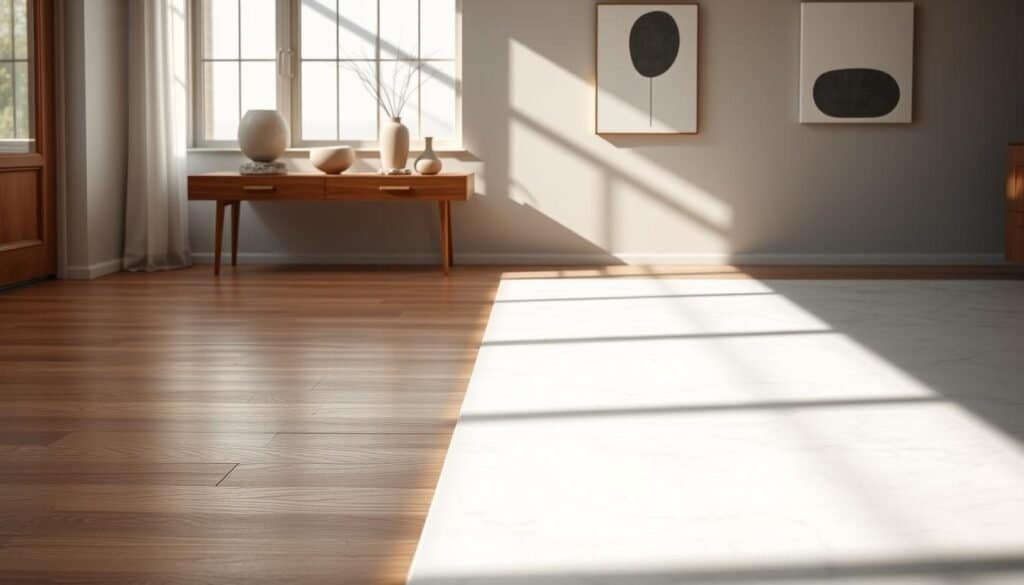
By focusing on material transitions, architects improve a space’s quality and beauty. These careful details make a space truly unique.
Architectural Lighting Strategies That Enhance Atmosphere
Architectural lighting is key in making spaces feel welcoming and well-designed. It lights up the area and also affects the mood and use of a room.
Effective lighting strategies can make a space feel more inviting and comfortable. Using light shelves and reflectors is a good approach. These tools help spread natural light, cutting down on the need for artificial light and making the atmosphere better.
Light Shelves and Reflectors
- Light shelves are horizontal surfaces that reflect natural light onto the ceiling, illuminating the room more evenly.
- Reflectors are used to redirect light into areas that are poorly lit, improving the lighting quality.
- Both light shelves and reflectors help reduce the need for artificial lighting, making spaces feel more natural and less harshly lit.
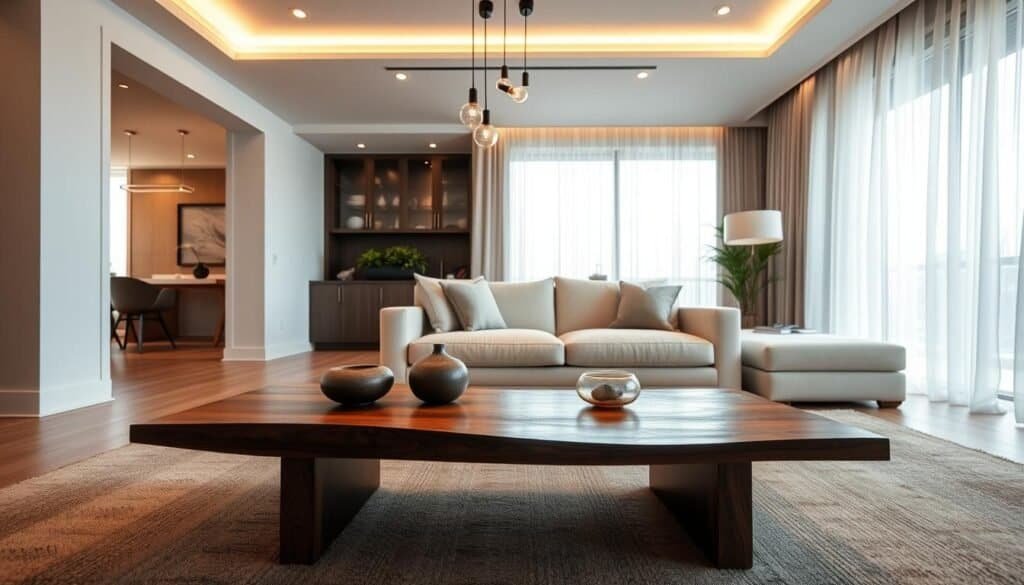
The placement and size of windows are also key in architectural lighting. Properly sized and positioned windows can greatly improve a space’s natural lighting, making it feel more open and airy.
- Windows should be placed to maximize natural light exposure, considering the building’s orientation.
- The size and proportion of windows relative to the room’s dimensions affect how light is distributed and perceived.
- Careful consideration of window placement can reduce the need for artificial lighting and improve the overall ambiance.
By using these architectural lighting strategies, designers can create spaces that are not only beautiful but also comfortable and functional. The thoughtful use of light shelves, reflectors, and well-designed window placements can greatly enhance a room’s atmosphere, making it a more enjoyable place to be.
Entryway Details That Create Memorable First Impressions
The entryway is more than just a passageway. It’s a chance to make a lasting first impression. A well-designed entryway can welcome visitors and set the home’s tone.
Sight Lines From Entry Points, Transition Flooring Details
When designing an entryway, think about what visitors see first. Careful placement of furniture and decor can make a great first impression. Also, the details of the transition flooring are very important.
A good transition between the entryway and the rest of the home is key. It makes the space feel connected. Here are some important details to consider:
- Consistent flooring: Using the same or similar flooring materials helps create a smooth transition.
- Thoughtful lighting: The right lighting can highlight the home’s features and set the mood.
- Minimal clutter: A clutter-free entryway makes a bigger impact.
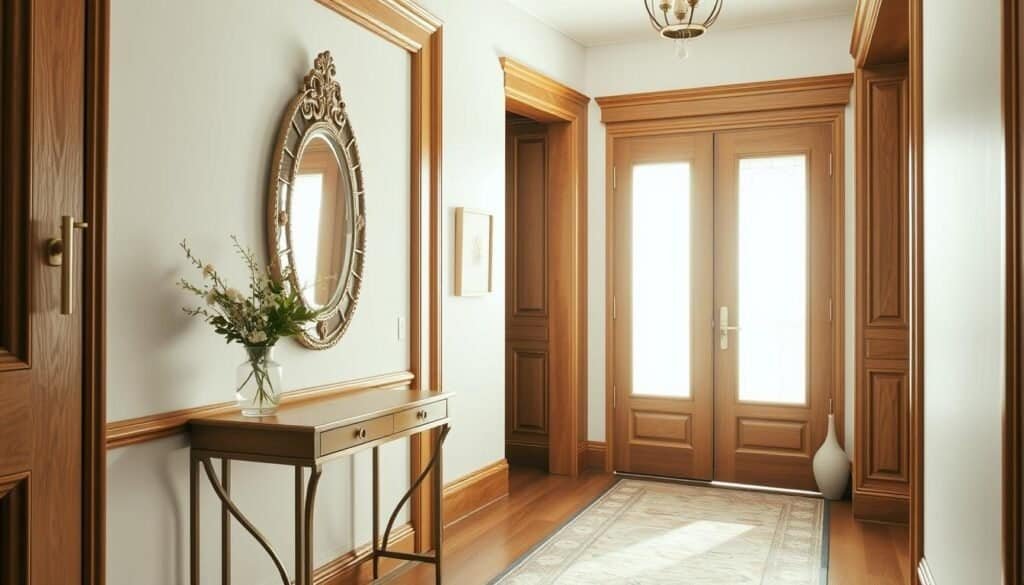
By focusing on sight lines and transition flooring, homeowners can make a memorable first impression. These elements help set the home’s tone, leaving a lasting impression on visitors.
Seamless Built-Ins and Storage Solutions
Adding seamless built-ins and storage solutions is key to a clean and beautiful space. Effective storage solutions keep things organized and hidden. This makes the area feel calm and peaceful.
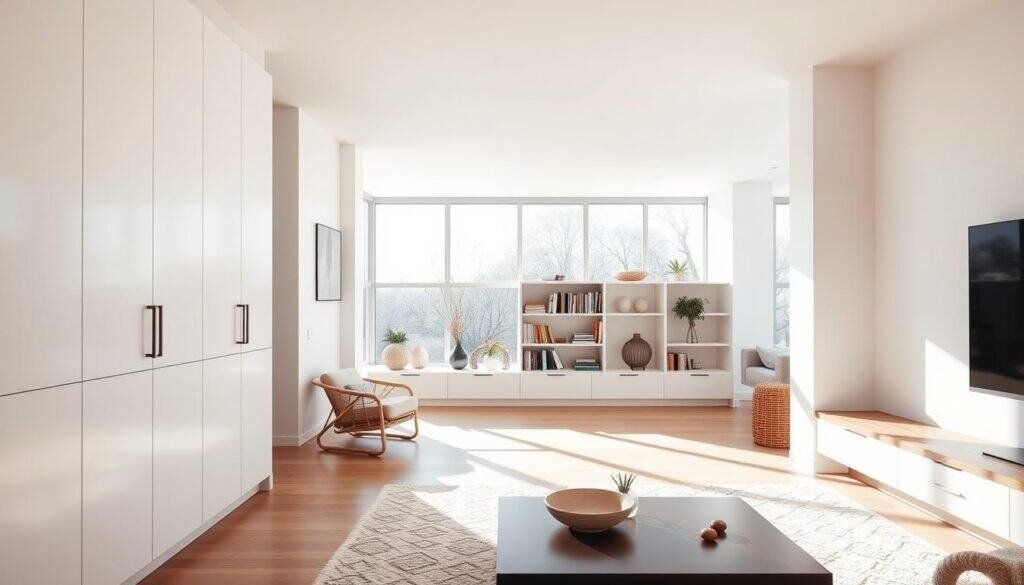
Using hidden pulls and hardware is a smart move. It keeps the look of storage units smooth and unbroken. This way, the space looks neat and tidy.
Hidden Pulls and Hardware, Continuous Sight Lines Across Storage Elements
It’s also vital to have continuous sight lines across storage elements. This means using the same materials and designs for all storage. It makes the space look cohesive and stylish.
- Choose materials that match your decor to blend storage with your design.
- Design storage with hidden compartments for safekeeping of valuable items.
- For more secret storage ideas, check out secret storage ideas.
By using these tips, you can make your home more organized and beautiful. Seamless built-ins and storage solutions make your space look better and work better too.
Acoustic Design Elements for Serene Environments
Acoustic design is key to making spaces feel calm and peaceful. It makes sure a space looks good and feels comfortable too.
Ceiling treatments are vital in acoustic design. They help dampen noise and cut down echo. You can use acoustic panels or textured ceilings to get the right sound.
Ceiling Treatments That Dampen Noise
Ceiling treatments greatly affect a room’s sound quality. For example, acoustic ceiling tiles or panels absorb sound. This reduces echo and makes the space more serene.
Wall Articulation for Sound Diffusion
Wall articulation is also important in acoustic design. Features like irregular walls or sound-diffusing panels scatter sound waves. This reduces echo and improves sound quality.
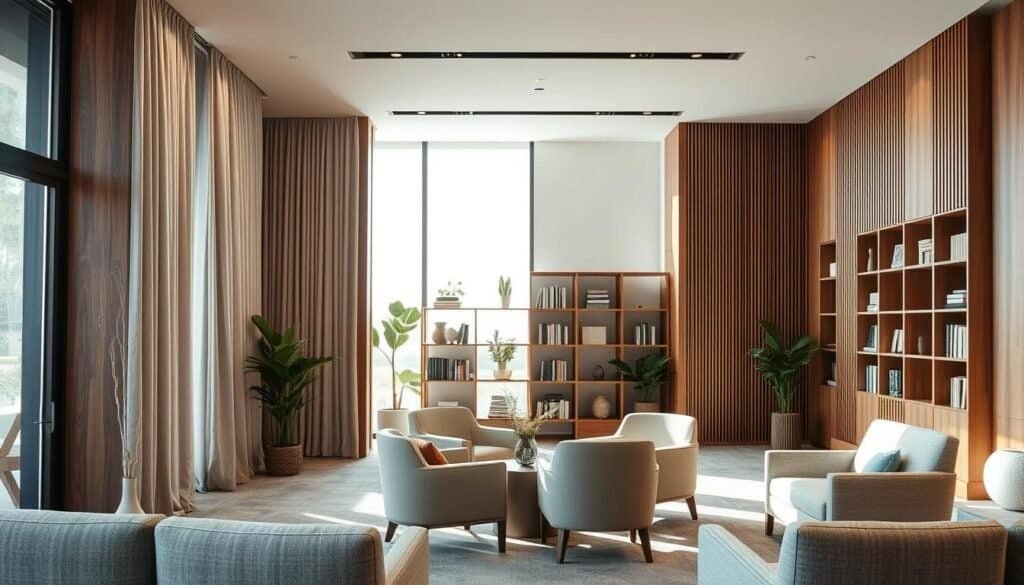
By using good ceiling treatments and wall design, you can make spaces look great and sound good. This approach improves the room’s feel, making it better for relaxing and working.
In short, adding careful acoustic design elements is key to creating calm spaces. These spaces help us feel better and more comfortable.
Cultural Influences in Understated Architectural Accents
Adding cultural elements to buildings can make them stand out. Architects and designers use these influences to create spaces that are both beautiful and full of character.
Mexican-Inspired Details in Modern Spaces add a lively touch to today’s designs. You can find:
- Colorful tiles
- Intricate wood carvings
- Traditional textiles
These elements bring warmth and depth to modern areas.
Mexican-Inspired Details in Modern Spaces
Mixing old and new creates a special look. For example, using Mexican pottery in a modern kitchen adds color and tells a story.
Mediterranean Influences in Neutral Palettes
Mediterranean styles can also be added to designs, even in simple colors. Features like:
- Arched doorways
- Whitewashed finishes
- Natural stone
Designers can balance these elements in simple colors. This creates a peaceful and culturally rich space.
In summary, cultural influences greatly improve architectural details. Whether it’s Mexican or Mediterranean, these touches make a space unique and special.
Conclusion: Creating Harmonious Spaces Through Quiet Design
Thoughtful design is key to making spaces that are peaceful and good for our well-being. Designers use quiet architectural details to make places that look great and work well. The secret is using design elements in a way that they all fit together perfectly.
A well-designed space can really change how we feel and how productive we are. For example, making one corner of your bedroom special can be a quiet place to reset and refresh. This is where quiet design helps, using things like careful material choices and sound design to make a calm space.
In the end, spaces that are in harmony come from design that values balance and looks. By using quiet design, we can make places that are good for our bodies and minds.