Making handcrafted wood coasters is a fantastic way to reuse scrap wood. It adds warmth to your home decor. You only need a few tools and some creativity to do it.
These rustic home decor crafts are not just useful. They also make your space unique and personal. By using scrap wood, you’re giving old materials a new life.
Starting this DIY project lets you be creative and make something special. You’ll amaze your friends and family with your handmade coasters. They’ll make any room feel cozy.
The Beauty of Rustic Wood Coasters in Home Decor
Rustic wood coasters add a natural beauty to your home. They protect your furniture and make your space look better. These coasters are more than just useful; they’re also decorative.
They bring warmth and coziness to any room. Made from upcycled wood, they show off rustic home decor crafts that care for the environment.
Here are some ways rustic wood coasters can enhance your home decor:
- Add a natural, earthy feel to your living room or dining area.
- Provide a unique conversation piece when entertaining guests.
- Complement various home decor styles, from modern to traditional.
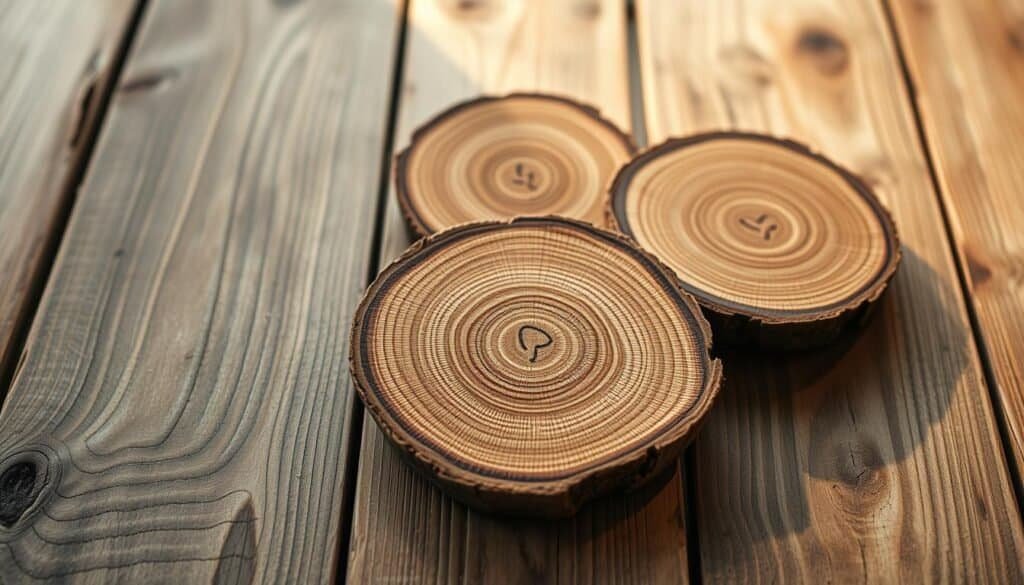
Adding rustic wood coasters to your decor is a creative choice. They’re perfect for a DIY project or a beautiful home addition. With some creativity, you can make these coasters a stunning part of your decor. They show off your personal style and love for wood coasters diy.
Essential Tools and Materials for Your DIY Coaster Project
Creating top-notch DIY wood coasters requires the right tools and materials. Start by collecting the necessary items.
Cutting Tools and Measuring Instruments
Accurate cuts are key for uniform coasters. You’ll need a good saw, like a jigsaw or circular saw. Also, a ruler or caliper for precise measurements.
- Jigsaw or circular saw for cutting wood
- Ruler or caliper for measuring
- Pencil or marker for marking cuts
Sanding Equipment for Different Stages
Sanding is essential for preparing your coasters. Begin with coarse-grit sandpaper and move to finer grits for a smooth finish.
- Coarse-grit sandpaper (80-100 grit)
- Medium-grit sandpaper (120-150 grit)
- Fine-grit sandpaper (220 grit or higher)
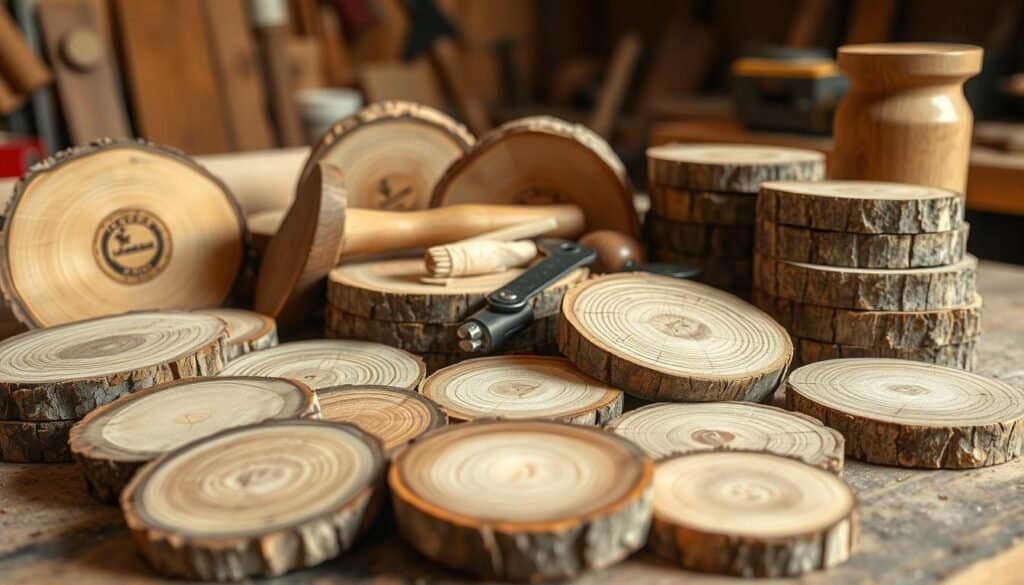
To protect your coasters, apply a sealant or protective finish. Stains can also enhance the wood’s color and look.
- Wood sealant or varnish
- Stains or wood dyes
- Clear coat or polyurethane finish
Decorative Elements and Embellishments
Adding decorative elements can make your coasters unique. Consider metal or resin inlays, engravings, or other embellishments.
- Metal or resin inlays
- Engraving tools
- Other decorative embellishments
With these tools and materials, you’re ready to begin your DIY wood coaster project. You’ll create beautiful, functional pieces for your home.
How to Make Rustic Wood Coasters From Scrap Pieces: Step-by-Step Guide
Making rustic wood coasters is a great way to upcycle scrap wood. It’s a DIY project that’s perfect for those who love working with wood. You can create something useful for your home.
You’ll need scrap wood, a saw, sandpaper, and a finish to start. Choose wood that’s strong enough for daily use and can handle moisture.
Circular vs. Square Designs
You can make your coasters round or square. Round ones need a hole saw or jigsaw. Square ones are cut with a miter saw or circular saw. Pick what fits your home’s style best.

Creating Uniform Thickness
It’s important to make your coasters even and stable. Use a planer to smooth out the wood. This makes them flat and even.
Here’s how to make your rustic wood coasters:
- Cut your scrap wood into the desired shape and size for your coasters.
- Sand the cut edges to smooth them out and remove any splinters.
- Use a planer to ensure all coasters have a uniform thickness.
- Apply a finish of your choice to protect the wood and enhance its appearance.
- Allow the finish to dry according to the manufacturer’s instructions.
By following these steps, you can make beautiful and useful rustic wood coasters. They add warmth and character to your home. This DIY project is great for personal use or as a gift.
5 Popular Wood Types for Rustic Coasters
Choosing the right wood for rustic coasters is key. It affects both look and durability. Each wood type brings its own special qualities to your coasters.
Popular Wood Types for Rustic Coasters
- Reclaimed Oak: Known for its durability and distinctive grain pattern, reclaimed oak is a popular choice for rustic coasters.
- Pine: Softwoods like pine are easy to work with and can add a light, rustic touch to your coasters.
- Maple: With its smooth grain, maple wood can provide a clean and modern contrast to the rustic theme.
- Cedar: Western red cedar, for example, is prized for its natural resistance to rot and insects, making it ideal for coasters.
- Walnut: Dense and hardwood, walnut offers a rich, dark color that can add sophistication to your rustic coasters.
Each wood type can make your coasters unique and useful. For example, reclaimed wood tells a story, while cedar protects against moisture.
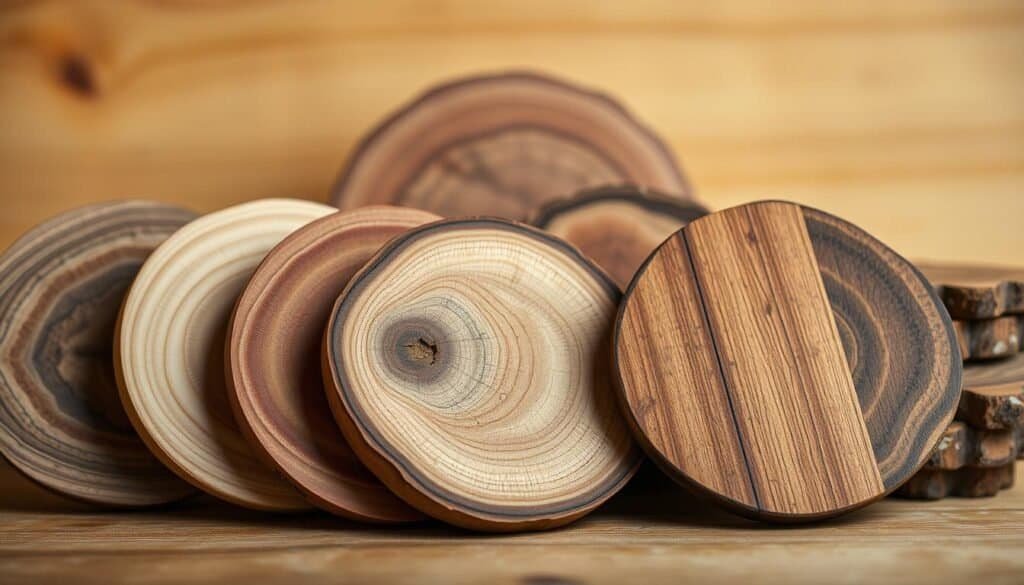
Choosing the right wood ensures your coasters are both beautiful and long-lasting. Whether you’re making coasters for fun or starting a business, knowing about wood types is essential.
Sanding and Finishing Techniques for Professional Results
Sanding and finishing are key steps in making beautiful, rustic wood coasters. They can turn a DIY project into a professional-looking piece. This shows off your skill and care.
Sanding Techniques are important for getting the wood ready for finishing. They help remove imperfections, old finishes, or dirt. The right Grit Selection and Sequence are key to good sanding.
Grit Selection and Sequence
Choosing the right grit sequence is vital for a smooth finish. Start with a coarse grit (about 80-100) to remove old finishes or imperfections. Then, move to finer grits (120-150) for smoothing. Finish with a very fine grit (220-240) for polishing. This makes the wood surface smooth and ready for the final finish.
Hand vs. Power Sanding Approaches
Hand sanding and power sanding both have their benefits. Hand sanding gives more control, great for detailed areas. Power sanding is faster and better for large surfaces. A mix of both usually gives the best results for DIY wood coaster projects.

When it comes to Finishing Techniques, the finish you choose affects the look and durability. You can use oil, wax, or polyurethane. Each has its own application method and drying time. Always follow the manufacturer’s instructions. For a rustic look, use a wood finish that highlights the wood’s natural texture.
Mastering sanding and finishing techniques can greatly improve your rustic wood coasters. They become not just useful but also beautiful, adding character to any room.
Creative Design Ideas for Unique Wood Coasters
Let your creativity shine by transforming simple wood pieces into unique coasters. Adding personal touches to wood coasters not only enhances your home decor. It also makes for a special, handmade gift.
Pyrography, or wood burning, is a favorite way to decorate coasters. It uses a heated tool to burn designs onto the wood. This creates a striking contrast that brings out the details of your design.
Basic Pyrography for Beginners
If you’re new to pyrography, start with simple designs. Try lines, dots, or basic shapes. As you get better, you can tackle more complex designs.
Tips for Beginners:
- Practice on scrap wood before working on your actual coasters.
- Use a temperature-controlled pyrography pen for more precise control.
- Start with simple designs and gradually move to more complex patterns.
Advanced Designs and Lettering
When you’ve got the basics down, try more advanced techniques. This includes detailed lettering and complex images. You can create personalized names, messages, or elaborate scenes.
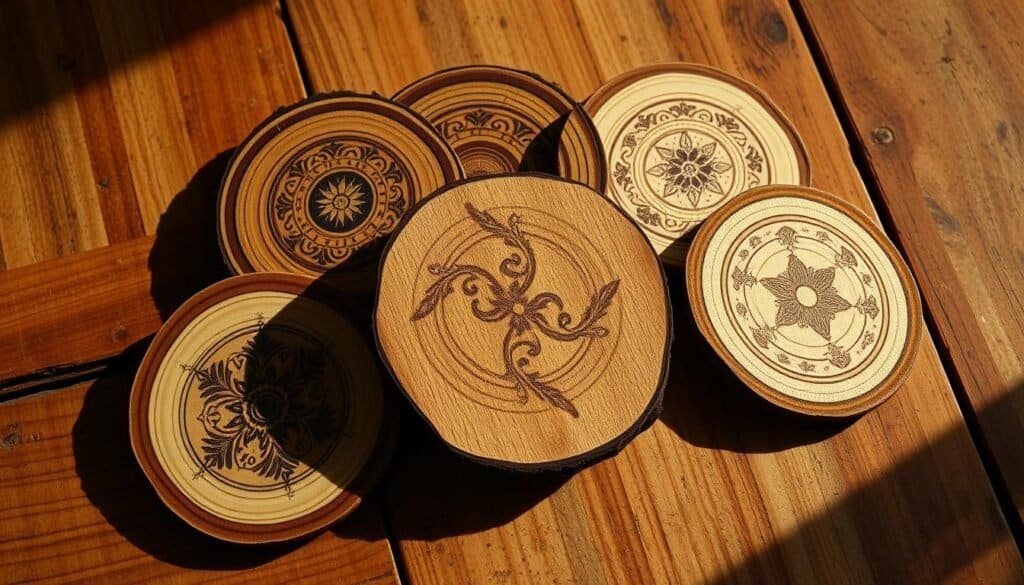
Advanced Techniques:
- Experiment with different shading techniques to add depth to your designs.
- Use reference images to guide your more complex designs.
- Practice layering different elements to create a cohesive look.
Using pyrography in your coaster designs lets you create unique pieces. Whether you’re just starting or have lots of experience, there’s always room for creativity. Each coaster becomes a special, one-of-a-kind item.
How to Create a Matching Coaster Holder
Making a coaster holder to match your coasters is easy and boosts your home’s look. It complements your rustic wood coasters and adds elegance to your living area.
You’ll need basic woodworking tools and materials to begin. Use the same wood for the holder as your coasters for a unified look. This also saves wood and is eco-friendly.
Design your coaster holder in many styles, from simple to complex. If you’re skilled inCNC small projects, a CNC machine can help you cut the wood precisely.
Here’s a simple guide to begin:
- Cut the wood into the needed sizes for your design.
- Sand the pieces to smooth out any rough edges.
- Use wood glue and nails or adhesive to assemble the pieces.
- Finish with a stain or sealant that matches your coasters.

Creating a matching coaster holder completes yourwoodworking project and adds a useful piece to your decor. ThisDIY coaster holder project shows off your skill and detail.
Troubleshooting Common Issues in DIY Wood Coaster Projects
DIY wood coaster projects can sometimes hit a snag. But knowing how to troubleshoot common problems can save the day. Whether you’re dealing with uneven surfaces, incorrect sizing, or finishing issues, understanding how to address these challenges is key for a successful project.
Common Issues and Solutions
- Uneven Surfaces: Ensure your wood is properly sanded. Use a sanding block for flat surfaces.
- Incorrect Sizing: Double-check your measurements before cutting. Use a template for consistency.
- Finishing Problems: Apply finish in thin coats, allowing each coat to dry before applying the next.
When working on DIY wood coaster projects, it’s also important to be aware of woodworking tips that can help you avoid common mistakes. Always work in a well-ventilated area when applying finishes. Use protective gear like gloves and safety glasses.
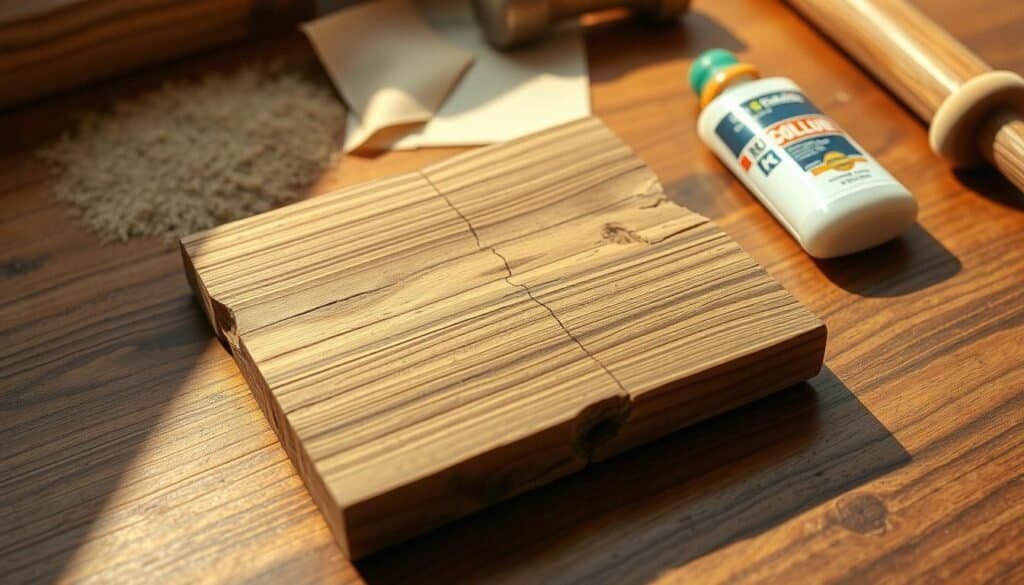
Some other DIY issues you might encounter include wood cracking or splitting. To mitigate this, ensure your wood is properly dried and stored in a stable environment before use. Also, using the right type of wood for your project can significantly reduce the risk of such problems.
By being aware of these issues and knowing how to troubleshoot them, you can ensure your DIY wood coaster project is a success. Remember, practice makes perfect, and don’t be discouraged by initial setbacks.
Troubleshooting Tips
- Always measure twice before cutting.
- Use the appropriate sandpaper grit for your wood type.
- Test your finish on a scrap piece before applying it to your coasters.
Turning Your Hobby Into a Side Business
Turning your DIY wood coaster hobby into a business is rewarding. It lets you earn money from your creativity. You’ll also share your passion with others as you sell your handmade coasters.
Selling handmade products online or at local craft fairs is a good start. Use platforms like Etsy or eBay to reach more people. Also, join local woodworking or craft events to show your products and grow your customer base.
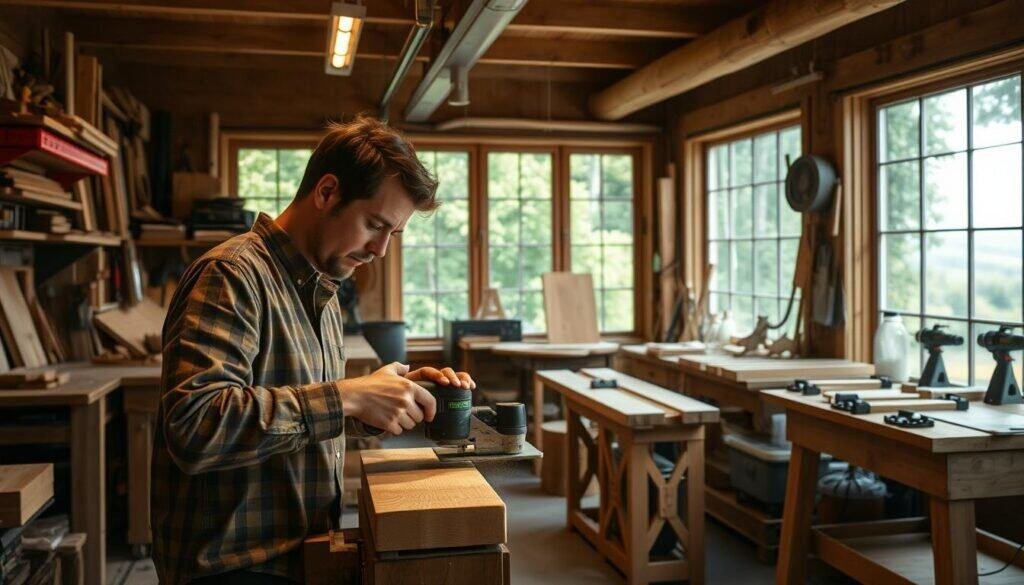
When turning your hobby into a business, think about the legal and financial sides. You might need to register your business and get licenses. Keeping track of your costs and earnings is also key to running your business well.
Explore side business ideas like custom designs or themed coasters for special events. You could also teach woodworking classes. Diversifying your offerings can attract more customers and boost your income.
Building a successful woodworking business or craft business takes hard work and creativity. By using your love for making rustic wood coasters, you can start a side business that’s both fulfilling and profitable.
Conclusion: Enjoying Your Handcrafted Rustic Wood Coasters
Now that you’ve made your DIY rustic wood coasters, it’s time to enjoy them. There’s a special feeling in using coasters you made yourself. They add a rustic charm to your home.
The joy of handmade coasters is not just in their use. It’s also in the character they add to your space. Each coaster shows your creativity and DIY pride, making your home unique.
When you put your favorite drinks on these coasters, you’ll see the beauty of handmade decor. Your coasters will start conversations, showing off your skill and care.
If you want to make your home more special or start a new hobby, your coasters are a great start. Keep exploring DIY projects and enjoy the creative journey and its beautiful outcomes.