Enhancing the natural beauty of wood grain can make any woodworking project stand out. The right wood stain brings out the wood’s unique character. This creates a timeless and rich finish.
Finding the perfect stain can seem hard, but with the right tips, you can get amazing results. We’ll look at the best wood stain colors and how to choose the right one for your wood grain.
Using a natural wood stain keeps the wood’s true look while adding depth and warmth. This makes your project even more special.
Understanding Wood Grain and Why It Matters
The look and feel of wood grain are key to wood’s beauty. Wood grain shows the direction, size, and how wood fibers are arranged. Knowing about different wood grains helps pick the right stain to make it look even better.
Characteristics of Different Wood Grains
Different woods have unique grain patterns. For example:
- Oak has a big, open grain pattern.
- Maple has a smooth, even grain.
- Pine has a rustic, irregular grain.
These patterns change how stain looks on the wood. For example, woods like oak with open grain patterns soak up more stain. This makes the color deeper.
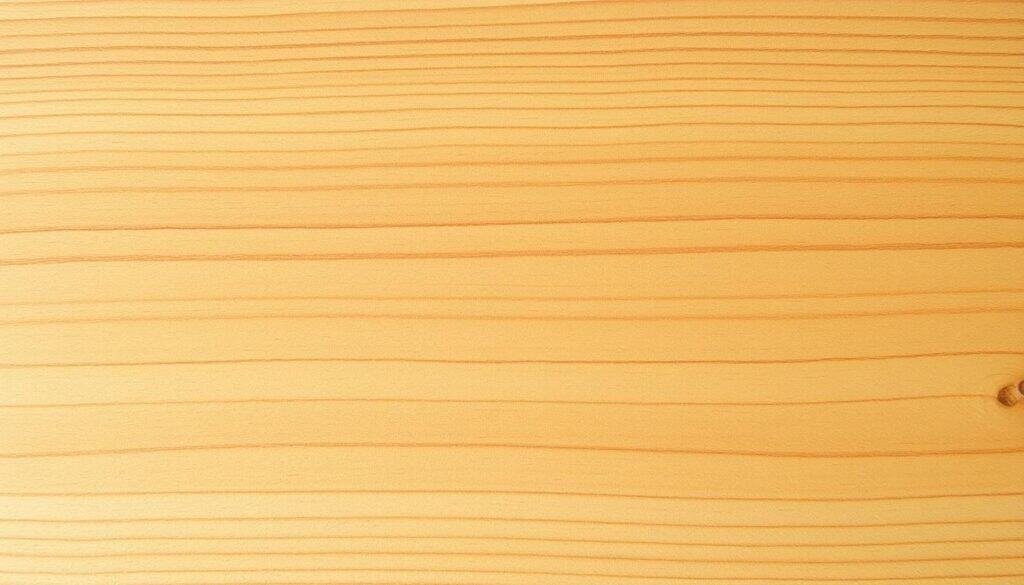
Knowing about wood grain patterns helps pick the right stain. This way, you can make the wood’s natural beauty shine.
The Relationship Between Stain and Wood Grain
It’s important to know how stains work with different wood grains. The right stain can make the wood grain look amazing. But the wrong one can hide its beauty.
Key factors in stain and wood grain interaction include the type of wood, its porosity, and the stain’s chemical makeup. For example, oil-based stains soak deeper into the wood, making the grain stand out. On the other hand, water-based stains stay closer to the surface.
- Open-grain woods like oak need stains that fill in the pores for a smooth finish.
- Closed-grain woods like maple can take many stains, giving a uniform color.
- Choosing between oil-based and water-based stains depends on the wood type and desired look.
By choosing the right wood stain, you can really bring out the wood grain’s beauty. Try different best wood stains on a test piece before using them on your project. This way, you’ll get the look you want.
Wood Stain Colors That Bring Out the Beauty of Grain
Choosing the right stain color is key to highlighting wood grain. The perfect stain can make wood patterns stand out, becoming a room’s centerpiece. There are many wood stain colors that bring out the beauty of grain to choose from.
Popular stain shades range from light to dark. Light shades can make rooms feel bigger, while dark shades add warmth. Discover the most popular wood colors for the latest trends. Natural stains are also popular, as they let the wood’s beauty shine without overpowering it.
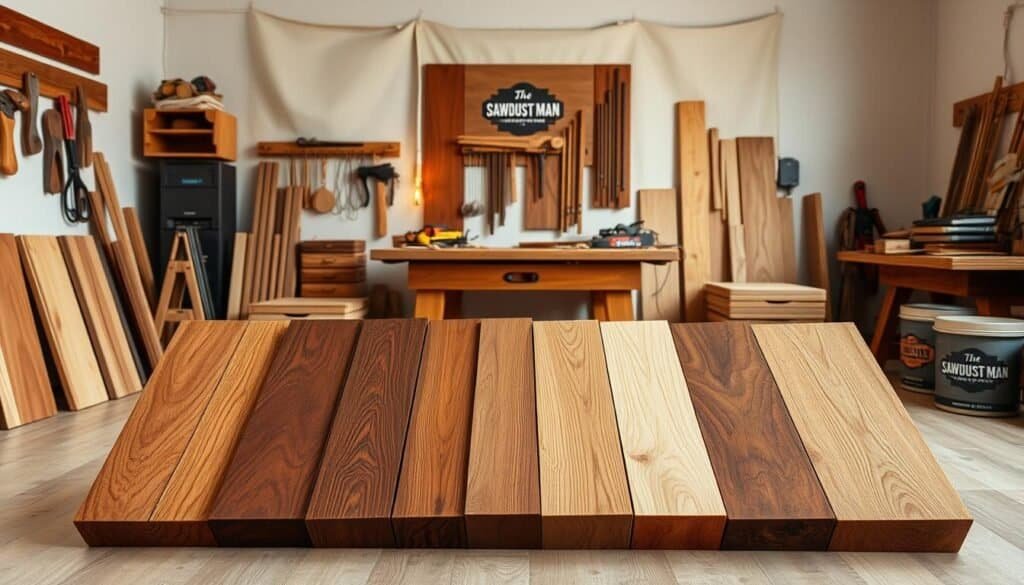
Choosing the right stain depends on the wood type. Oak’s grain is best highlighted with a specific stain, while maple looks great with a lighter one. Different woods have unique grain patterns and colors.
- Consider the natural color of the wood and how it will interact with the stain.
- Think about the overall aesthetic you want to achieve in the room.
- Test the stain on a sample piece of wood before applying it to your project.
By picking the right stain, you can enhance your woodworking projects. Whether using one wood type or mixing different tones, the right stain makes a big difference.
Best Stains for Oak: Highlighting Open Grain Patterns
Oak wood is known for its unique open grain pattern. The right stain can make this beauty stand out. Choosing a stain that matches oak’s grain is key.
Popular Stain Options for Oak
- Minwax’s Dark Walnut stain is a favorite. It darkens the wood and brings out the grain.
- Minwax’s Provincial stain gives a warm, classic vibe that suits oak’s natural colors.
- Varathane’s Premium Fast Dry stain offers a modern look in various colors.
Think about the look you want when picking a stain. For a classic feel, go for timeless wood colors. For something modern, choose bold, new stain colors.

Always test the stain on a small oak piece before using it on your project. This way, you’ll know the color and finish will be just right.
Enhancing Pine and Softer Woods
Softer woods like pine can be hard to stain. But, the right stain and method can make a big difference. Pine wood has a soft grain that can soak up stain unevenly. This can cause blotchy results if not done right.
To get a beautiful look on pine, you must prepare the surface correctly. This means using a wood conditioner before staining. For pine, a water-based stain works well. It’s less harsh and gives a smooth finish.
Choosing the best stain for pine depends on the color you want. Popular pine stain colors include light, natural tones and darker hues. A natural wood stain on pine can highlight its grain while keeping its beauty.
Some important tips for staining pine include working with the grain. Also, apply stain in thin coats and wipe off excess to avoid pooling. By following these tips and picking the right stain, you can make pine and softer woods look great.
Maple, Cherry and Hardwood Staining Techniques
To get amazing results with hardwoods, knowing how to stain maple and cherry is key. These woods have special grain patterns and densities. They need special staining methods.
Maple wood is usually light and even. A water-based stain works well to get a uniform color. Here are some staining techniques to try:
- Apply a wood conditioner before staining to ensure even absorption.
- Test the stain on a small, inconspicuous area first.
- Use a clean, lint-free cloth to wipe away excess stain.
Cherry wood gets darker over time. It’s important to pick a stain that matches its natural aging. Some best wood stains for hardwoods like cherry have a rich, warm tone.
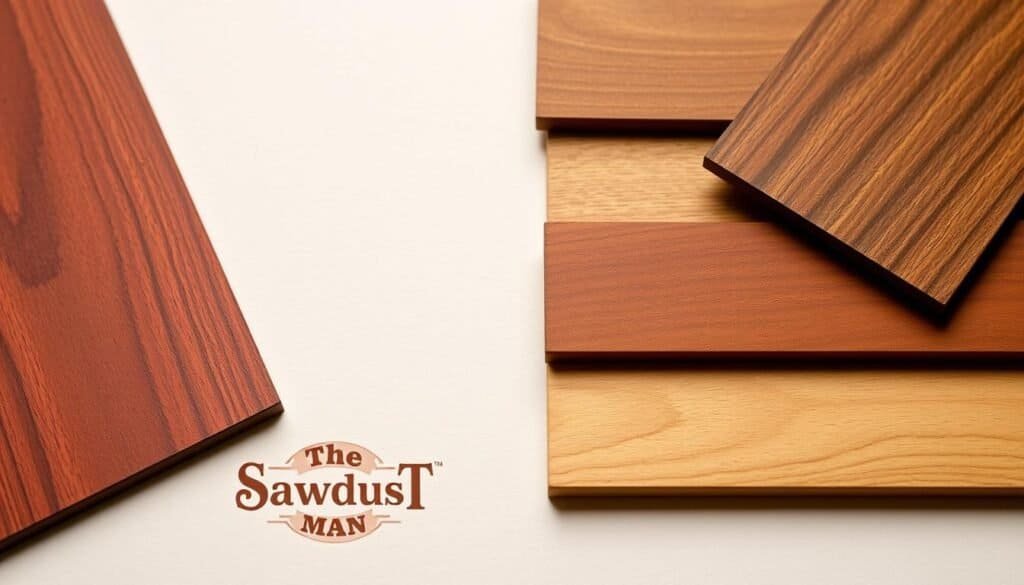
By learning these staining techniques and picking the right maple wood stain colors or hardwood floor stain colors, you can make your hardwood projects look even better.
Water-Based vs. Oil-Based Stains for Grain Enhancement
Choosing the right stain is key to enhance wood grain. Water-based and oil-based stains differ in how they affect wood. Each type has unique qualities that can change your wood project’s look.
Water-Based Stains are easy to use and dry fast. They’re perfect for simple projects. But, they might not show wood grain as much as oil-based stains do.

Oil-Based Stains penetrate wood deeply, bringing out vibrant colors. They take longer to dry and clean up can be harder. But, the grain enhancement is worth it.
Think about your wood type and desired look when picking a stain. Water-based stains are good for softer woods and subtle grain. Oil-based stains are better for hardwoods and deep colors.
- Advantages of Water-Based Stains:
- Easy to apply
- Quick drying times
- Less odor
- Advantages of Oil-Based Stains:
- Deep penetration into wood
- Rich, vibrant colors
- Durable finish
Special Techniques for Dramatic Grain Enhancement
To elevate your woodworking, try special staining techniques. They bring out the wood grain’s natural beauty. Layering different stain colors is a great method to create a unique pattern.
Layering Stains gives a multi-dimensional look. Start with a base coat, let it dry, then add more coats of different colors. This works well with woods like oak or pine that have a strong grain.
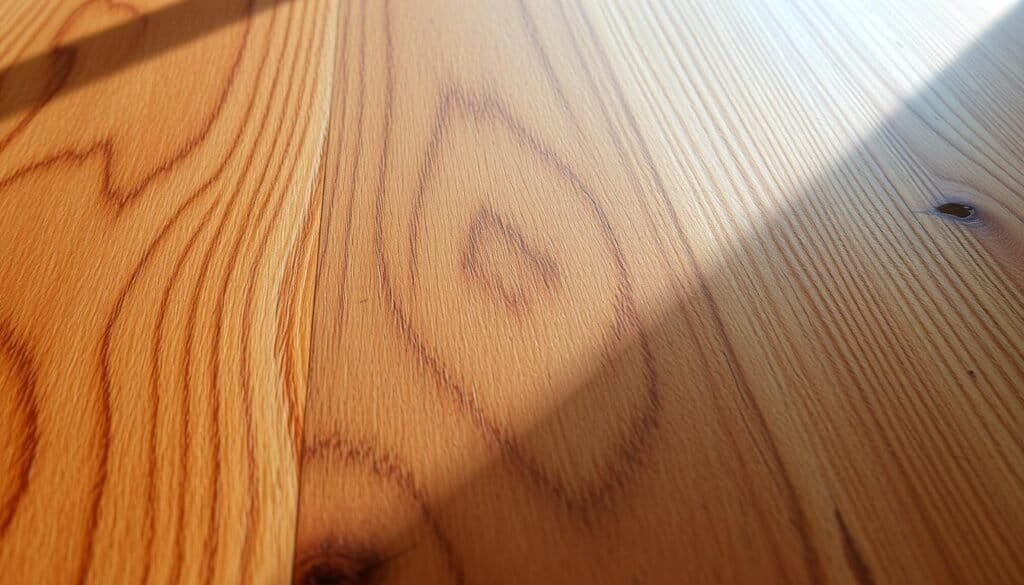
- Try out different stain mixtures to find the right one for your project.
- Use a hazelwood stain on pine for a warm, rich look.
- Be bold with special staining techniques like ragging or sponging to add texture.
By mixing these techniques and trying various stains, you can dramatically enhance the grain. This makes your project stand out. Whether it’s furniture or decor, the right stain can make a huge difference.
Popular Brand Options for Grain-Enhancing Stains
Looking to make your wood’s grain stand out? Several top brands offer excellent staining solutions. They’re known for quality, durability, and beauty.
Leading Brands in Wood Staining
- Minwax is famous for its wide stain color range. It suits various wood types and finishes. Their minwax stain colors highlight wood grain’s natural beauty.
- Sherwin Williams has a vast wood stain palette. Their sherwin williams wood stain colors chart helps pick the right color.
- Behr is a favorite among DIY fans and pros. Their behr wood stain color chart offers many options for different projects.
These popular wood stain brands are known for their grain-enhancing abilities. They work well with oak, pine, and hardwoods like maple and cherry.
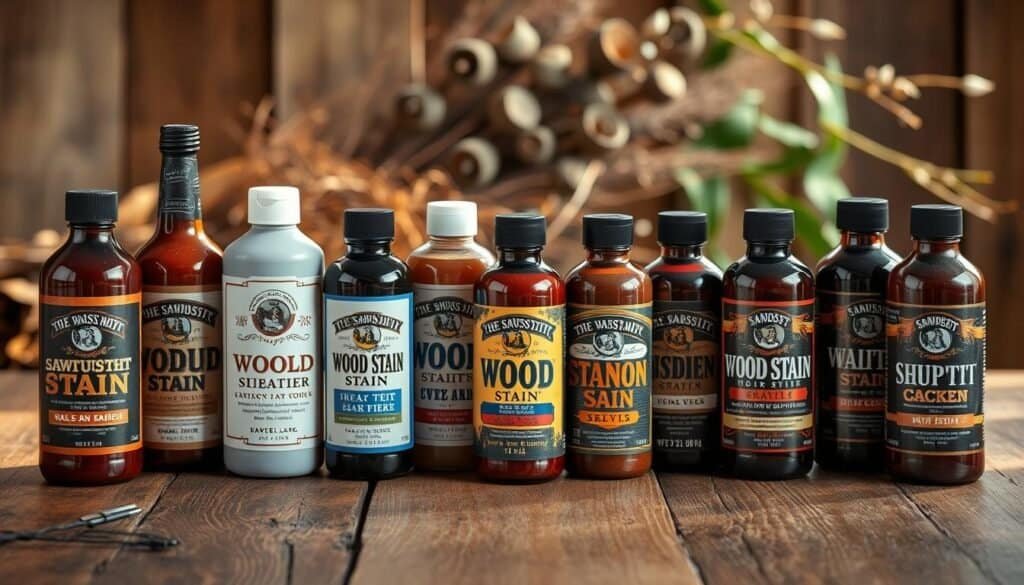
Choosing the right stain is key. Think about your wood type and desired finish. Brands like Minwax, Sherwin Williams, and Behr ensure a professional look that showcases the wood grain.
DIY Application Tips for Perfect Grain Enhancement
Enhancing wood furniture or projects is easy with the right tips. To get professional results, know how to apply stain correctly. First, make sure your surface is clean and dry. Dust or moisture can ruin the stain’s look.
Choose a good brush or applicator for your stain. A foam brush or lint-free cloth works best for many projects. Always apply stain in the grain’s direction to prevent uneven spots. Work in a well-ventilated area and follow the stain’s instructions.
For more tips on improving your DIY projects with stain, check out thiswood stain secret.
Common Mistakes to Avoid
Don’t apply too much stain at once to avoid a sticky finish. Use thin coats, letting each dry before adding the next. Also, watch the drying time between coats to prevent messes. Always test the stain on a small area first to avoid color surprises.

By avoiding these mistakes and following these tips, you can enhance your wood projects. You’ll get beautiful, professional-looking results that make your DIY projects stand out.
Mixing and Customizing Stains for Unique Results
Unlock the full power of your woodworking by mixing and customizing stains. This way, you can get unique results that show off your style. Try different stain colors and techniques to make a one-of-a-kind finish.
Custom stain colors open up endless possibilities for woodworkers. To start, here are some tips:
- Begin with a base stain color and add small amounts of other colors to get the shade you want.
- Test the stain mix on a small, hidden area of the wood to see if it bleeds or gets uneven.
- Keep track of your stain mixtures, including the color ratios, so you can make the same look again if needed.
Understanding color theory is key when mixing stain colors. Here are some important points:
- The wood type can change how the stain color looks, so test it on a sample first.
- Mixing different stain colors can create a unique hue, but be careful not to mix too much, as it can look muddy or uneven.
- Think about the finish you’ll apply over the stain, as it can affect the final color and look.
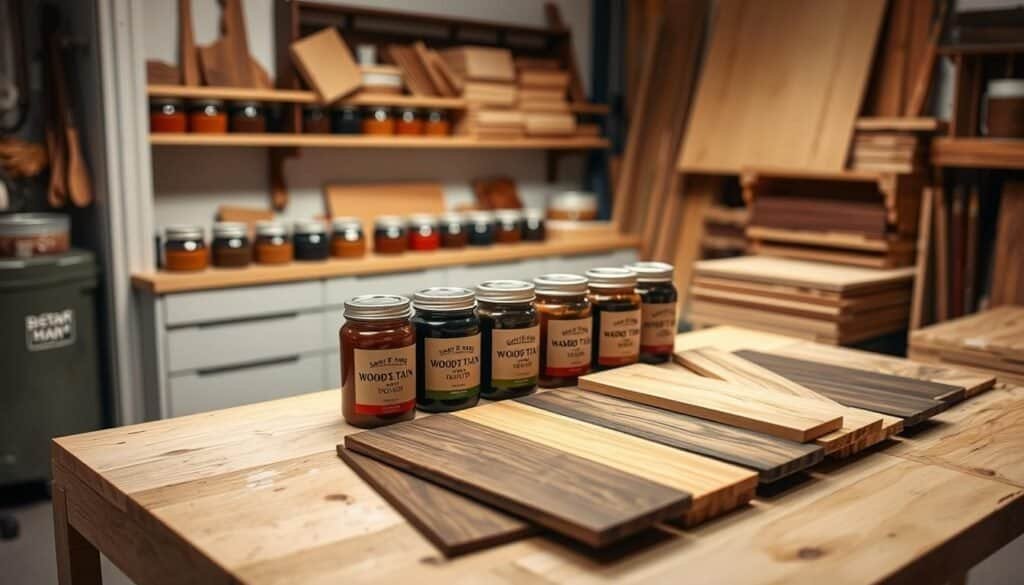
By using these tips and techniques, you can make unique wood stain ideas that take your woodworking to the next level. Whether you want a bold, statement piece or a subtle, understated finish, custom stain colors let you achieve your dream look.
Conclusion: Choosing the Perfect Stain for Your Project
Choosing the right wood stain can make your project look amazing. With the right tips, you can get professional results. Understanding how stain works with wood grain is key to highlighting your woodwork’s beauty.
When picking a stain, think about the wood type, color, and finish you want. Try out different stains and methods to find the perfect stain color for your project. Brands like Minwax and Varathane have many options, including water-based and oil-based stains, for all needs.
Use a wood stain color visualizer to see how stains will look on your project. This tool can save you time and prevent mistakes. By following the advice in this article and checking out popular brands, you can pick the best wood stain for your project. You’ll get stunning results.