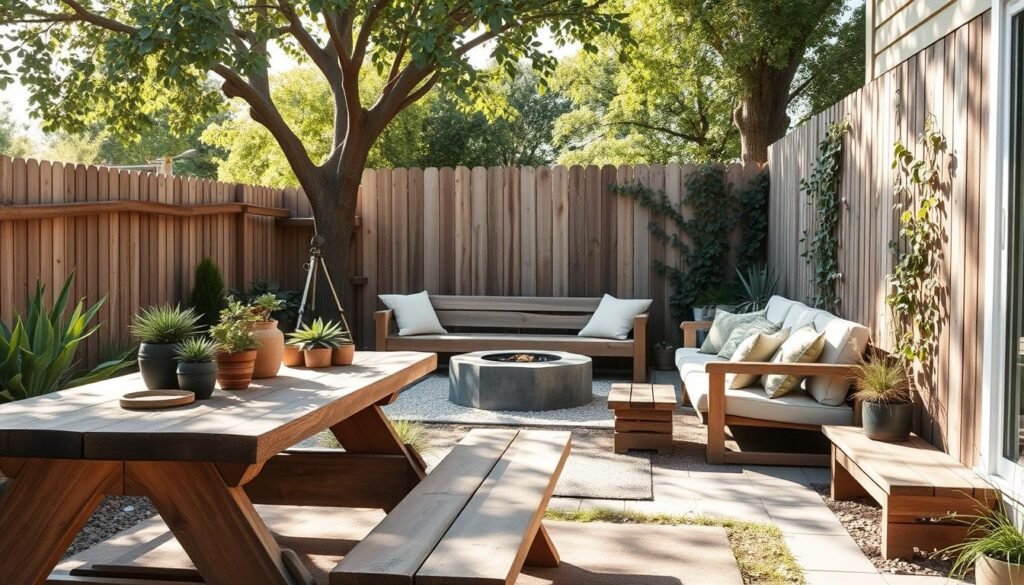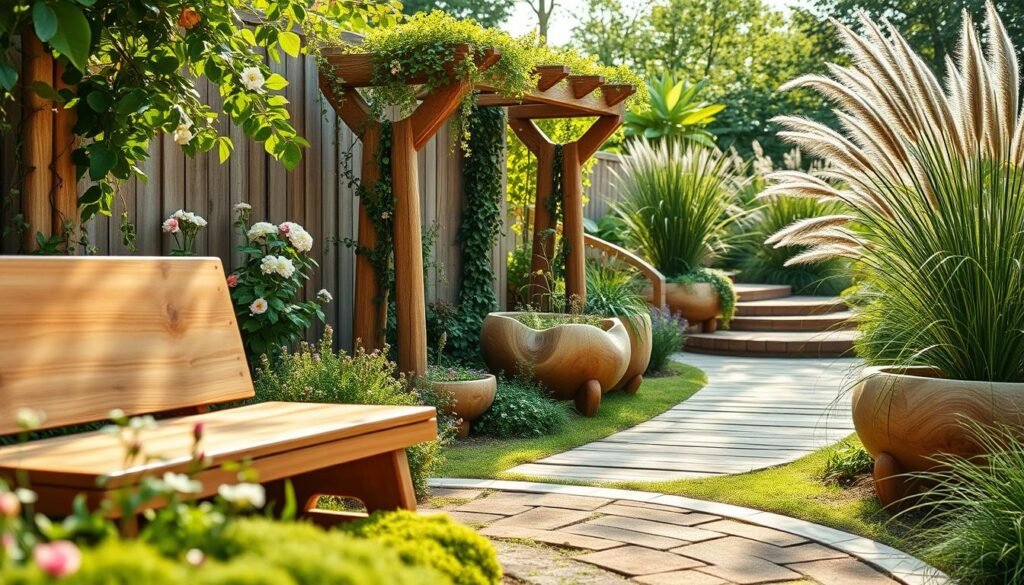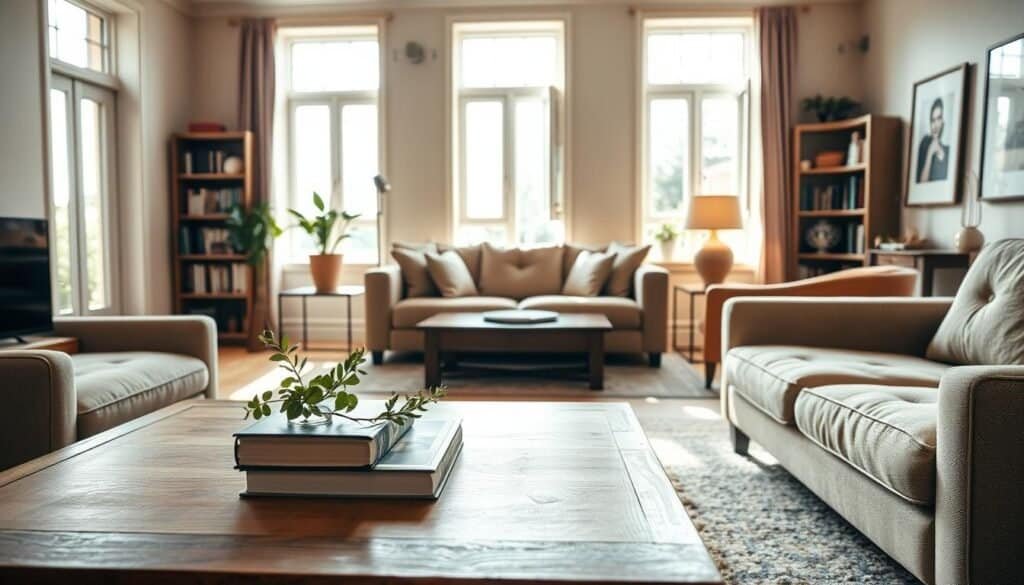
Adding a personal touch to your home is easy with layering techniques and wood textures. This DIY project lets you express your creativity and boost your home decor. Mixing different wood tones and textures makes your living space unique and welcoming.
Layering wood textures brings depth and interest to your interior design. It’s perfect for updating a room or your whole home. With a bit of creativity, your space can show off your personal style.
The Magic of Wood in Personal Expression
Wood is perfect for showing off your style. Its natural beauty and flexibility make it great for personal expression. Wood textures, like different wood grain designs, offer endless creative options.
Wood grain design can change a room’s feel. For example, a blonde wood texture brings warmth and elegance. On the other hand, a rough wood grain adds a cozy, rustic vibe.
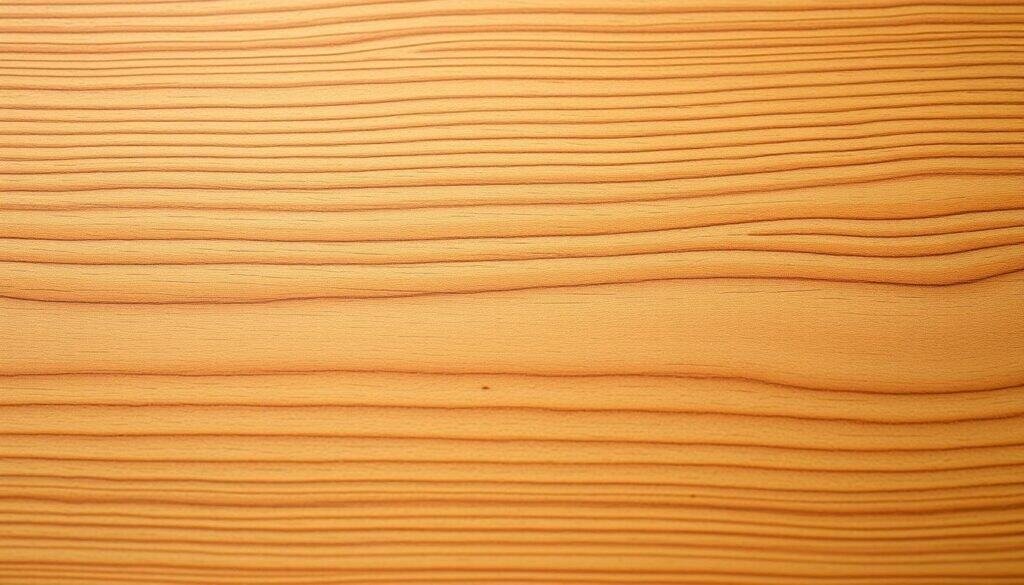
- Natural wood grain, which adds an organic touch
- Reclaimed wood, for a unique, weathered look
- Wood veneer, which offers wood’s beauty at a lower cost
Using these wood textures in your decor lets you show off your personality. Whether you want a modern or traditional look, wood textures can help you get there.
Exploring the World of Wood Textures
Wood textures can change how a space feels, adding unique charm and beauty. They work well with light, changing how they look at different times.
Morning Light Effects
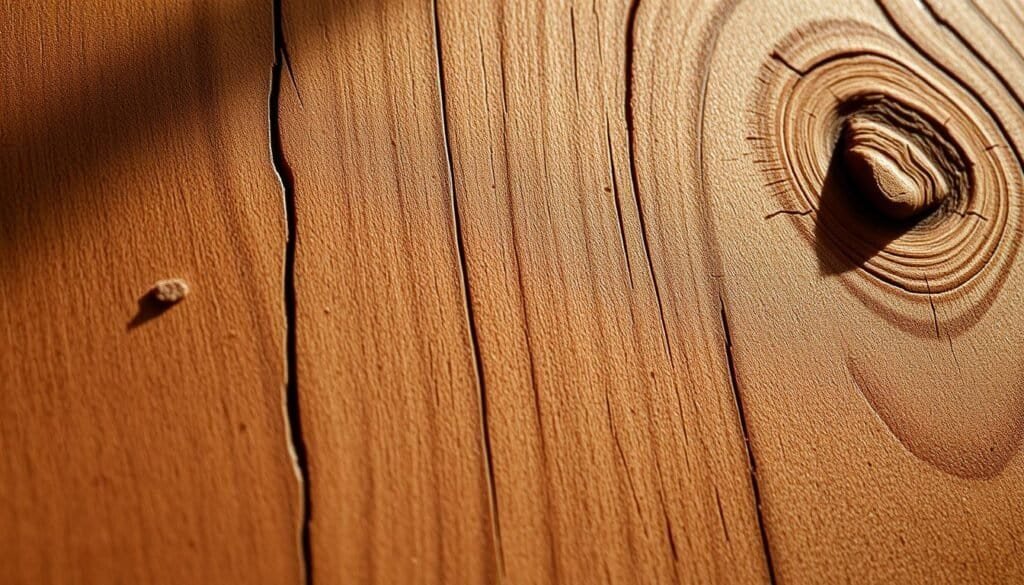
In the morning, soft light makes the wood pattern background stand out. It highlights the wood’s details and textures. This makes the space feel welcoming, ideal for beginning the day.
Using a wood texture printable can add more depth to a room. It’s a smart way to enhance the morning light’s effect.
Evening Ambiance Creation
As evening comes, wood textures look different. The evening light makes smooth wood surfaces glow, creating a cozy feel. This is great for living areas where you want to relax.
Adding woven architecture concept or honeycomb structure details can make the space more interesting. It adds depth and visual appeal.
For more ideas on using modern textures, check out The Sawdust Man.
Understanding how wood textures work with light can help you create spaces that change with the day. This makes your space dynamic and engaging.
Want to Express Yourself a Little? Layering Wood Textures is an Easy Start
If you want to show off your style, try layering wood textures. It’s a great way to add depth and character to your home without big changes.
Minimalist Approaches
For a minimalist vibe, focus on small wood texture differences. Mix matte and slight sheen finishes for a sleek look. Pair teak wood texture with lighter woods for a modern feel.
- Choose woods with similar grain patterns for a cohesive look.
- Limit the number of different wood textures to maintain simplicity.
- Use a neutral color palette to enhance the minimalist feel.
Rustic Expressions
To get a rustic look, mix rough woods with smoother ones. This mix creates a cozy and appealing space. For example, rustic wood texture with smooth finishes adds warmth.
- Choose reclaimed or distressed wood for an authentic rustic look.
- Mix different wood species to create a unique and layered appearance.
- Consider adding metal or stone elements to complement the rustic wood.
Modern Interpretations
For a modern look, try bold wood texture and finish contrasts. High-gloss with matte woods makes a striking effect. Start with easy woodworking projects to learn layering.
- Use a combination of light and dark woods to create a dramatic contrast.
- Incorporate geometric patterns with wood inlays for a modern twist.
- Experiment with different textured finishes to add depth and interest.
Layering wood textures is a fun and creative way to improve your home decor. Whether you like minimalist, rustic, or modern, the key is to have fun and try new layering techniques.
Getting Started: Tools and Materials You’ll Need
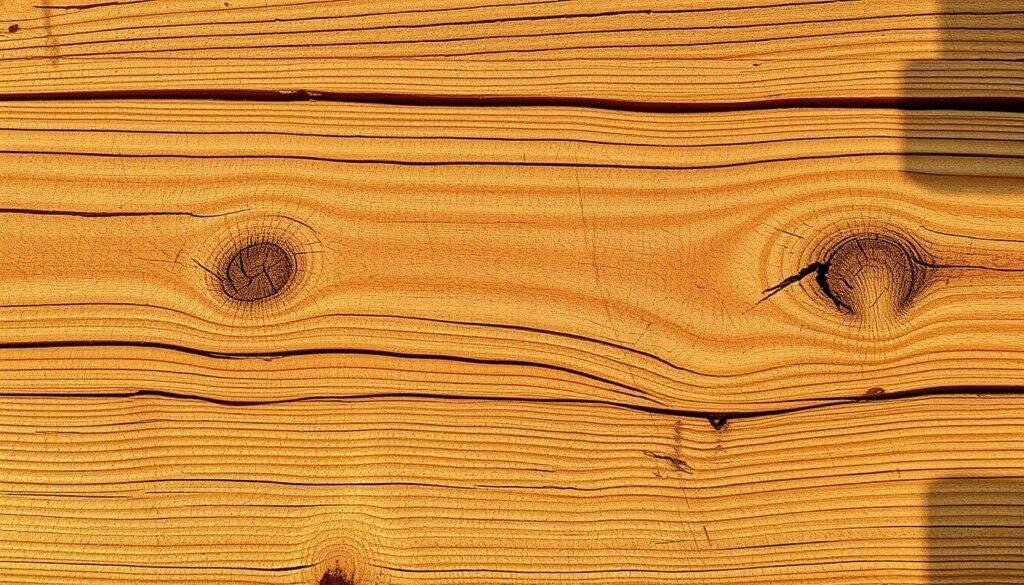
Before starting your wood project, make sure you have the right tools and materials. This step is key to achieving the look you want in your wood projects for the home.
You’ll need tools like sandpaper, a wood finish applicator, and a clean cloth. The materials you choose depend on the wood type and the finish you want.
Oil-Based Options
Oil-based finishes are known for their durability and ability to enhance wood color. They give a warm, classic look to your wood decoration ideas. But, they dry slower and need mineral spirits for cleaning.
Water-Based Alternatives
Water-based finishes dry faster and are easier to clean with soap and water. They’re perfect for wooden home decor ideas where you want a lighter finish.
When picking between oil-based and water-based finishes, think about your project’s needs. Oil-based is great for a rustic wood deco look. Water-based is better for keeping the wood’s natural color.

Choose your finish wisely, and always work in a well-ventilated area. Follow the manufacturer’s instructions. With the right tools and materials, you’ll create stunning wood things that enhance your home’s beauty.
5 Beginner-Friendly Techniques for Layering Wood
For beginners, starting with simple wood layering techniques is key. Layering wood textures can make any room feel warmer and more unique. It’s a great way to improve your home’s look.
Technique 1: Mixing Wood Tones – Mixing different wood tones is a simple way to layer wood. You can pair light and dark woods in furniture and decor. For example, a dark wood coffee table with light wood flooring looks great together.
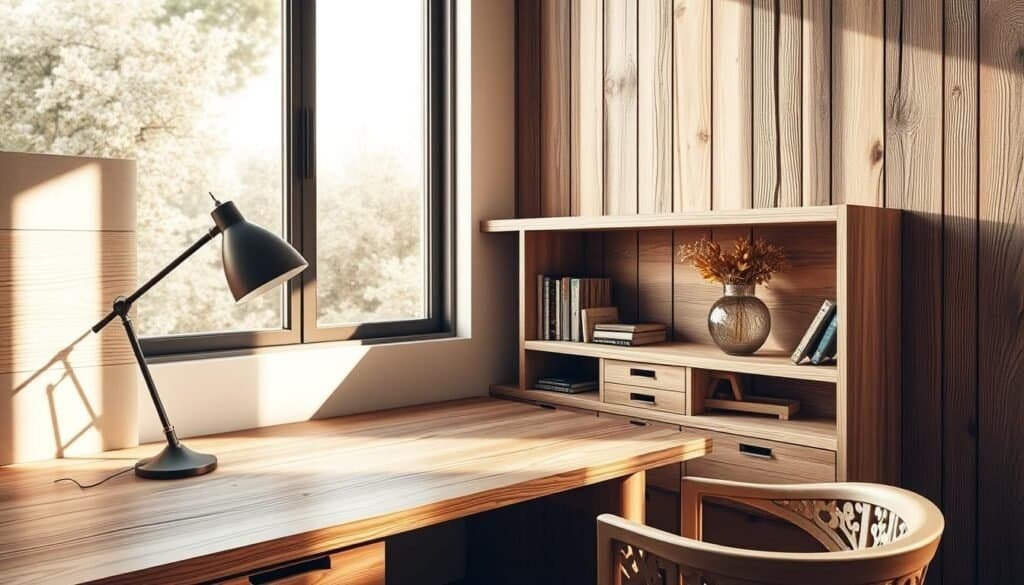
Technique 2: Combining Wood Textures – Combining smooth and rough-hewn woods adds depth. A smooth wood dining table with rough-hewn wood chairs is a unique combination.
- Use a variety of wood items, like wooden vases and wall art, to add layers.
- Incorporate natural wood décor elements, such as branches or wooden sculptures.
- Experiment with different finishes, like matte and glossy, to add visual interest.
Technique 3: Layering Wood with Other Materials – Mixing wood with materials like metal or fabric can enhance your decor. A wooden chair with metal legs or a wooden table with a fabric runner looks stylish.
Technique 4: Creating a Focal Point – Use wood to create a focal point in your room. A statement piece of wood furniture or decor can draw attention.
- Identify a focal point in your room, such as a fireplace or large window.
- Use wood design ideas to create a statement piece, like a wooden wall art or a reclaimed wood shelf.
- Balance the focal point with other elements in the room to avoid overwhelming the space.
Technique 5: Adding Wood Accents – Adding wood accents is a simple way to layer wood textures. Wooden accents, such as wooden picture frames or wooden coasters, add warmth to your decor.
By using these beginner-friendly techniques, you can start layering wood textures in your home. This will bring warmth and character to your living space.
DIY Weekend Projects to Express Your Style
Make your living space special with a DIY project that shows off your style. Use the warmth of wood texture design. Weekend projects let you try out different textures and patterns without a big renovation.

To begin, gather basic materials. You’ll need wooden planks with different brown wood texture, a saw, sandpaper, and a drill. First, cut the wood into the shapes and sizes you need.
Then, sand the cut wood to make it smooth. This step is key for a professional finish in your DIY project.
Personalization Options
Working with wood lets you add your own touch. You can stain the wood to highlight its natural wooden texture or paint it to match your decor.
Think about adding metal accents or detailed carvings for a personal flair.
Construction Basics
When building your DIY project, consider the wood material texture you’re using. Different woods have unique looks and strengths that impact your project.
Use the right joinery techniques to make your project strong and lasting.
Styling Your Shelves
After building your shelves, decorate them with items that match the wood texture. Arrange items by texture, color, or size for a beautiful display.
Pattern Ideas
Try out different wood pattern textures to add depth to your project. You can make a herringbone pattern, a simple grid, or something more complex.
Feel free to mix patterns and textures for a unique look that shows your style.
Assembly Tips
When putting together your DIY project, follow the instructions for any tools or hardware you use.
Take your time to ensure everything is aligned right and securely attached.
Room-by-Room Guide to Layering Wood Textures
Layering wood textures can change how your rooms look and feel. It’s important to know how to do this in each room. This way, you can make your home feel welcoming and cohesive.
In the living room, mixing a natural wood parquet pattern floor with herringbone parquet laminate floor wall texture furniture adds depth. Wooden decorative items, like a coffee table or wall art, can make the look even better.
The kitchen benefits from a seamless wood floor pattern. Pair this with wooden cabinets or a kitchen island for a harmonious look. Wooden utensils or a cutting board add extra texture.
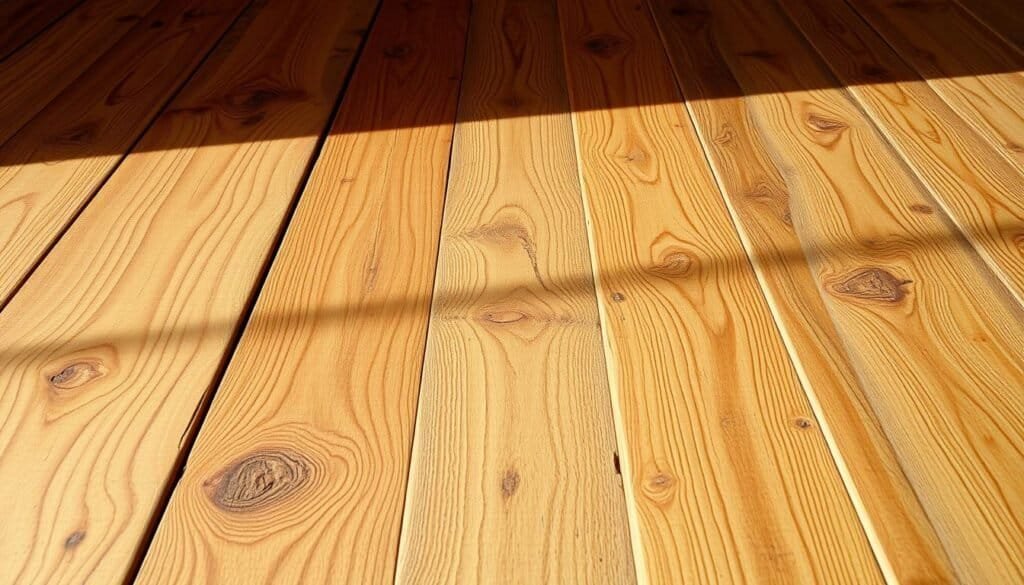
Bedrooms are perfect for layering wood textures through furniture and flooring. A raw wood texture floor paired with wooden bed frames or dressers makes the room cozy. Wooden accents, like a headboard or nightstand, enhance the texture.
Bathrooms can also use wood textures, but make sure the wood is sealed for moisture. A wood floor texture for architecture can be used for flooring. Wooden cabinets or a vanity add warmth.
By following these tips and trying out different wood textures, you can make your home inviting and layered. Use textures like natural wood parquet pattern and herringbone parquet laminate floor wall texture to create a beautiful space.
Caring for Your Textured Wood Creations
Keeping your wood textures in good shape is key for their look and life. The right care makes your wood panel texture and other interior textures stay bright and lovely.
To keep your textured wood looking great, just follow these easy steps:
- Dust regularly with a soft, dry cloth to stop dust and dirt buildup.
- Don’t let your wood textures get direct sunlight or extreme heat, as it can fade or harm them.
- For deeper cleaning, use a damp cloth with a gentle wood cleaner. But don’t soak the wood.
- Put on wood conditioner or wax now and then to shield the wood and keep its natural charm.
For wood floor texture and floor texture, use felt pads under furniture legs to stop scratches and ensure easy movement. Check your floors often for wear signs and fix any problems right away.

Looking for ideas on adding textured wood to your decor? Check out textured home accents for tips on using logs decor and natural wood background elements well.
By following these care tips, you can enjoy your textured wood for many years. This way, you keep their special look and beauty alive.
Conclusion: Finding Your Voice Through Wood Textures
Layering wood textures is more than a design trick. It’s a way to express yourself through your home. By using natural materials, you can make a space that shows who you are.
Adding a product on shelf or modern wooden wall art can change a room’s feel. Earth inspired design brings the outdoors inside. It makes spaces warm and cozy.
To get a look that works, mix different wood textures. Oak wood patterns add depth and interest. Don’t be shy to show off your skills, like a craftsmanship poster.
Exploring wood textures lets you create a special and welcoming place. It also helps you find your voice in interior design. So, start layering and let your personality show in your decor.