
Renovating your home is more than just picking furniture and decor. Experts say the key to a beautiful finish is in the details, like wood finishing.
A well-finished wood surface can make a room look polished and classy. Whether you love DIY projects or are renovating your home, knowing about professional wood finishing is key.
It’s not just about varnish or stain. It’s about bringing out the wood’s natural beauty and protecting it. Getting wood finishing right ensures your home stays beautiful for years.
1. The Secret World of Professional Wood Finishing
The world of professional wood finishing is complex. The right techniques can make a piece of furniture stand out. Expert wood finishers know that a perfect finish comes from understanding materials and methods.
It’s not just about varnish. Professional wood finishing starts with preparing the wood. This means sanding, filling in imperfections, and making the surface smooth and even.

Choosing the right finish is key. Experts pick the best stain, dye, or clear coat for each project. They apply thin coats, letting each dry before adding the next.
Learning these techniques can help anyone achieve professional results. Whether you’re an experienced woodworker or a DIY beginner, knowing the secrets of wood finishing can elevate your projects.
2. Essential Preparation Steps Before You Decorate: The Wood Finishing Touches Pros Swear By
Experts agree that certain steps are key to a beautiful wood finish. Before decorating, it’s important to get your wood ready.
Sanding is the first step. It smooths out the wood, removing any blemishes. This makes the surface even for staining or finishes.

Next, you’ll stain the wood. Staining brings out the wood’s color and beauty. Picking the right stain is critical for the look you want.
Lastly, apply a protective finish. It shields the wood from harm and adds shine. This boosts your wood decor’s look.
By doing these steps, you’ll get a wood finish that looks like a pro did it. It will take your decorating to the next level.
3. Understanding Wood Types and Their Unique Finishing Requirements
Getting a wood finishing project right starts with knowing what your wood needs. Each type of wood has its own special qualities. These need different finishing methods to show off their best features.
Hardwoods like oak and maple can take many finishes, from shiny polyurethane to soft wax. But softwoods, such as pine and fir, have more resin. They might need extra steps like sanding and sealing for a smooth look.
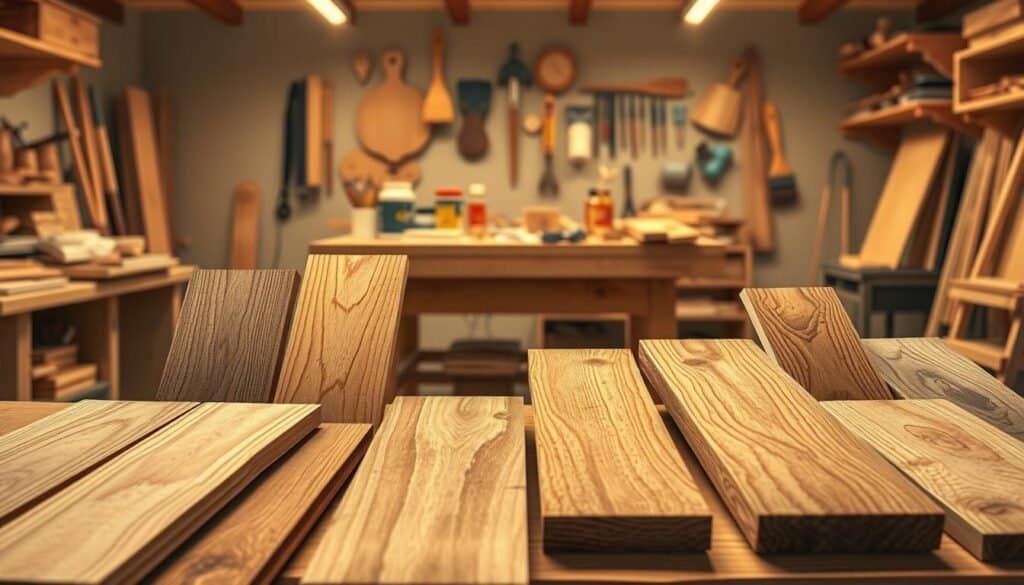
Exotic woods, like teak and mahogany, are tough and have beautiful colors. They need special finishes to protect them and highlight their natural beauty. Knowing these differences is key for DIY projects. The wrong finish can ruin your work.
Choosing the right finish for your wood ensures it looks great and lasts long. Whether you’re fixing up furniture or making something new, understanding your wood’s needs is worth it. It will make your project a success.
4. Pro-Grade Tools That Transform Your Finishing Results
To improve your DIY wood finishing, getting pro-grade tools is key. The right tools can make your finish smoother, more even, and look professional.
Choosing the right applicator for finishes is very important. Brushes are common, but the bristles matter a lot.
Natural vs. Synthetic Bristles: Making the Right Choice
Natural bristles work best with oil-based finishes. They hold a lot of finish and apply it smoothly. Synthetic bristles are better for water-based finishes. They don’t soak up water and stay flexible.
Foam Applicators: When They Outperform Brushes
Foam applicators can also give great results. They’re perfect for small, detailed areas or when you need a very smooth finish. They’re less likely to leave brush marks, making them ideal for some projects.
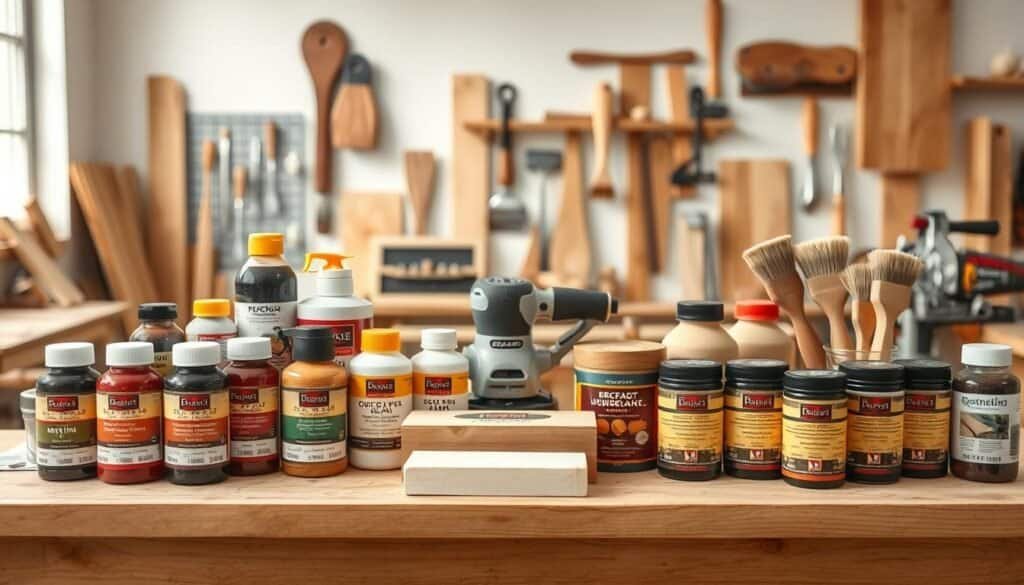
Choosing the right tool for your project depends on the finish and the look you want. By picking pro-grade tools that fit your project, you can get a finish that makes your woodwork look amazing.
5. Stains and Dyes: Creating the Perfect Color Foundation
Stains and dyes are key in wood finishing. They help bring out the natural beauty of wood. Whether you’re fixing up furniture or starting from scratch, the right choice can make your work shine.

There are many types of stains and dyes, each with its own traits and ways to use them. Knowing these differences is key to getting the color and finish you want. For example, oil-based stains go deep into the wood for a lasting color. Water-based stains dry faster and are easier to clean up.
The “Pop the Grain” Method
The “pop the grain” method uses a water-based stain to lift the wood grain. Then, sanding it smooth creates a glossy finish. For tips on using wood stain in DIY projects, check out The Sawdust Man.
Color Washing for Aged Effects
Color washing gives wood a worn, aged look. Apply a thin stain or dye layer and wipe it off for a soft, multi-tonal effect. This method is perfect for a vintage or antique look in your wood decor.
Trying out different stains and dyes with various techniques can lead to many effects. From modern to traditional, you can enhance your projects’ look. By learning these wood finishing techniques, you can make your work truly stand out with unique decorating tips and wood decor elements.
6. Protective Finishes That Stand the Test of Time
A good protective finish can greatly extend the life and look of wood projects. These finishes are key to keeping wood surfaces beautiful and durable. They protect wood from moisture, UV light, and wear, keeping it looking great for years.

There are many protective finishes available, each with its own benefits and how-to’s. Polyurethane, varnish, and lacquer are among the most common. The right finish depends on the wood type, project use, and look you want.
Spray Application Techniques
Spray application is a favorite for applying protective finishes. It gives a smooth, even coat, perfect for detailed projects. For a pro finish, you need the right tools and know-how.
Building Depth Through Multiple Thin Coats
Using thin coats to build depth is a top tip for a quality finish. This method ensures an even coat, avoids drips, and prevents the finish from getting too thick. Thin coats lead to a deep, rich look that highlights the wood’s beauty.
In summary, protective finishes are vital in wood finishing. Picking the right finish and learning how to apply it are key. Whether you’re an experienced woodworker or new, knowing about protective finishes is essential for top-notch results.
7. Natural Finishes: The Revival of Traditional Methods
Homeowners are now looking for eco-friendly options, leading to a comeback of natural finishes. This change is because people want to be kinder to the planet and go back to old ways.
Natural finishes like wax, oil, and shellac are great because they last long and look good. They also don’t use harsh chemicals like some modern finishes do.
To get the best out of natural finishes, applying them right is key. Using thin, even coats and letting them dry fully between layers makes a big difference. This affects how well and long the finish lasts.
Maintenance Schedules for Long-Term Beauty
Keeping natural finishes looking good needs regular care. This means reapplying the finish now and then and staying away from strong cleaners. A simple care plan helps keep natural finishes beautiful for years.
Natural finishes make homes healthier and add a special, lasting beauty. As more people care about the planet, natural finishes will likely stay popular for wood projects.
Choosing natural finishes and knowing how to use and care for them lets people make beautiful, green spaces. These spaces show a person’s dedication to being eco-friendly.
8. Troubleshooting Common Wood Finishing Problems
Troubleshooting is key in wood finishing. Even with the best planning, problems can pop up. We’ll look at common issues and how to solve them.
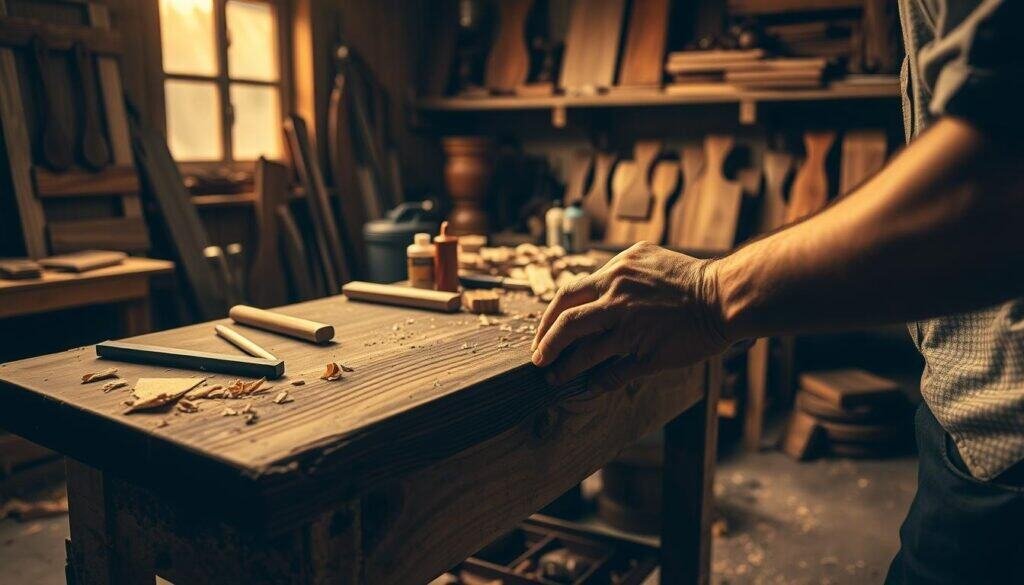
Rings and water marks can ruin your wood finish. Start by using a wood finish reviver or a mix of white vinegar and olive oil. Rub it in with a soft cloth and buff to shine. For tough marks, use a touch-up marker or fine-grit sandpaper.
Fixing Sticky or Soft Finishes
A sticky or soft finish is a big problem. Try a thin layer of finish over the area and let it dry. If it’s not fixed, sand it back to wood and start again.
Knowing how to fix common problems saves time and effort. Whether you’re new or experienced, expert advice helps. With practice, you’ll master DIY wood finishing and tackle any project with confidence.
9. Time-Saving Techniques Without Sacrificing Quality
Wood finishing experts use special techniques to save time without losing quality. In the world of professional wood finishing, being efficient is key. This ensures high-quality results on time.
Having a well-organized workspace is a big time-saver. This means having all tools and materials close by. It also means keeping the area clean and dust-free, and ensuring good air flow.
Setting Up an Efficient Finishing Station
Creating an efficient finishing station is vital. Organize your tools like brushes, rags, and sandpaper so they’re easy to find. A clean, dust-free area is also important for a smooth finish.
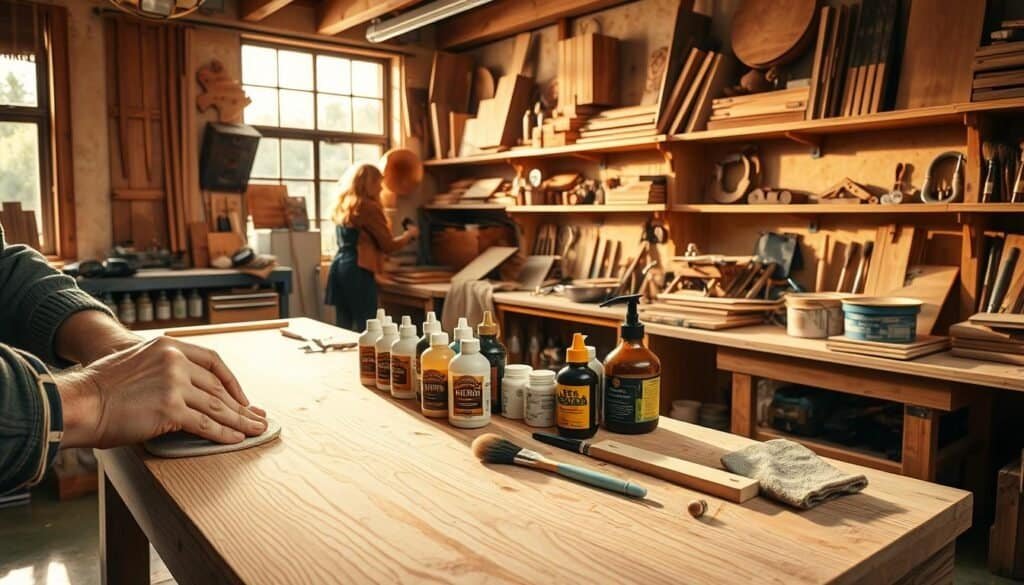
Organizing projects by finish type saves a lot of time. By grouping projects by finish, you can prepare everything needed in advance. This saves time and boosts efficiency.
Using these time-saving methods can make you more productive. Whether you’re a pro or a DIY fan, these tips will help you get great results quickly.
10. Conclusion: Elevating Your Wood Projects with Professional Finishing Touches
The art of wood finishing is key to making your projects stand out. It involves preparation, choosing the right tools, and following expert advice. This way, you can turn simple wood into something truly special.
Before adding the final touches, think about what professionals use. Whether it’s solid hardwood or engineered wood, the right techniques matter. They ensure your project looks great and lasts long.
By following the tips in this article, you’ll get closer to achieving top-notch results. With time and effort, you’ll master wood finishing. You’ll create stunning, lasting pieces that show off your skill.