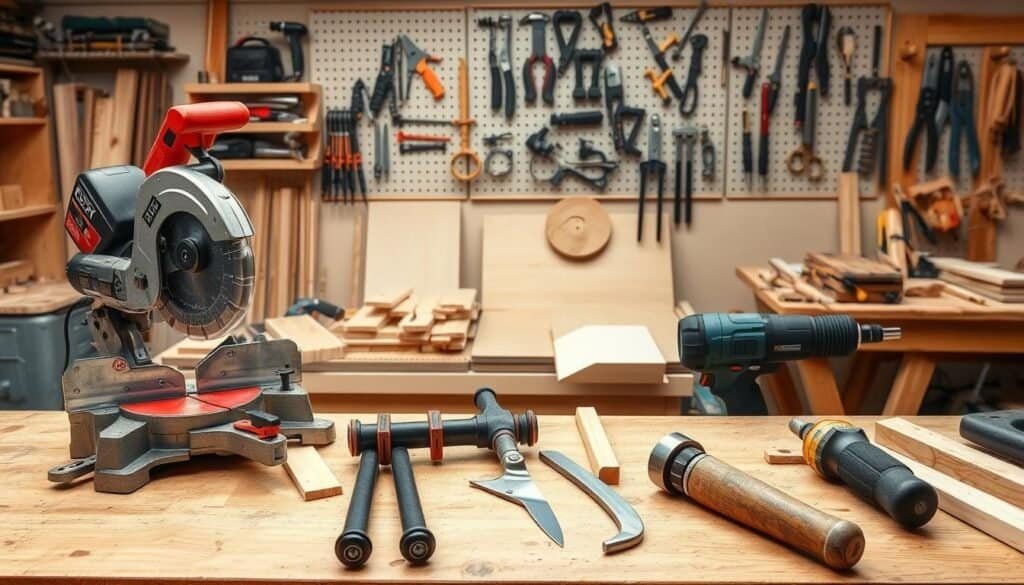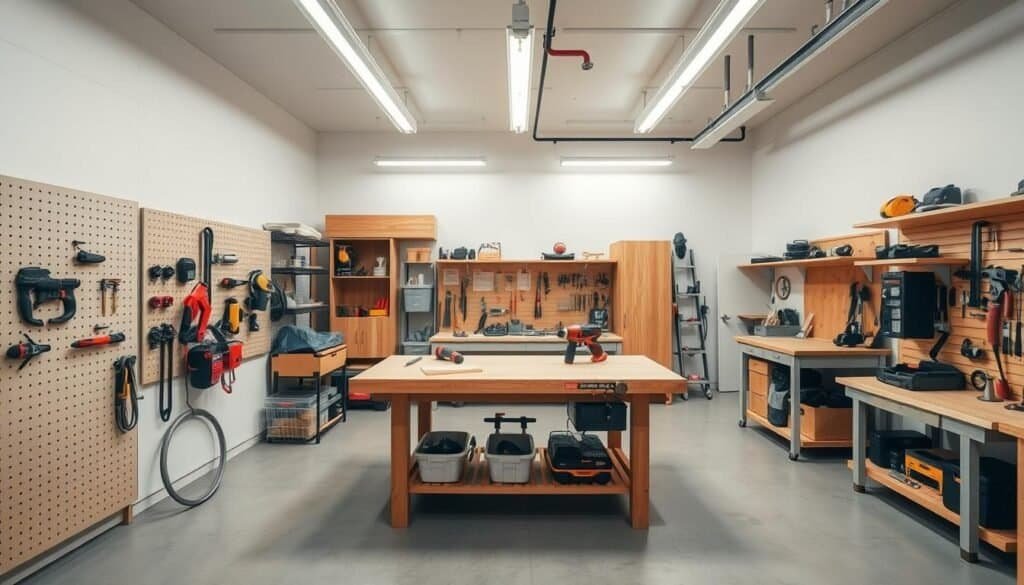
Creating an efficient workspace in your small wood shop doesn’t have to be expensive. With the right wood shop organization tips, you can turn a cluttered garage or shed into a productive space. If you’re starting or looking to improve your woodworking, turning your garage into a workshop is a good idea.
By using budget-friendly woodworking shop organization strategies, you can make the most of your space without spending too much. This article will show you how to organize your workshop on a budget. It will help improve your woodworking experience.
Assessing Your Space and Needs
Before you start organizing your small wood shop, it’s key to assess your current space. Look for areas that need improvement. This will help you understand your workshop’s layout and what needs fixing.
Measuring Your Workshop is a vital step. Take precise measurements of your workshop. This includes the dimensions of your workbench, storage areas, and other important features. It helps you plan your organization strategy better.
Identifying Areas for Improvement
After measuring your workshop, find areas that need better organization. Look for cluttered spaces, tools not in their place, and other issues that slow you down. Ask yourself:
- Are your tools and materials easy to find?
- Is your workbench tidy and free of clutter?
- Are there any safety hazards in your workshop?
By answering these questions, you can spot specific areas that need work. You can then plan how to fix them. This might involve using small workshop organization hacks or finding cheap ways to organize your woodworking space inexpensively.

Effective strategies include sorting your tools and materials, focusing on your tasks, and exploring low-cost wood shop organization ideas. By carefully assessing your workshop, you can make it more efficient, productive, and fun for woodworking.
How to Organize a Small Wood Shop on a Budget: The Planning Phase
To make a small wood shop efficient, start with a budget-friendly plan. This phase is key to setting up your diy wood shop organization strategies. It lays the groundwork for a tidy workspace.
Begin by checking what you have and what you need. Look at your tools, materials, and space. See what you can keep, what you need, and what to get rid of. This helps you figure out what you need for woodworking shop organization.
Setting Realistic Goals and Timelines
After knowing what you need, set realistic goals and timelines. Organizing a tiny workshop or small wood shop takes time. Break big tasks into smaller ones. Set aside specific times for each task.
For example, spend one weekend sorting tools and another building storage. Achievable goals keep you moving and motivated.

Good planning means prioritizing tasks. Focus on the most important and urgent ones. Start with areas that need the most work, like improving your workflow or small workshop organization ideas.
By following these steps and sticking to your plan, you’ll create a well-organized small wood shop. It will meet your needs without costing too much.
Maximizing Vertical Space with DIY Storage Solutions
Using vertical space wisely can turn your small wood shop into a super-efficient workspace. DIY storage solutions help keep tools and materials organized and within easy reach. This way, you make the most of your limited floor space.
Utilizing Wall Space is key to making the most of vertical space. You can put up shelving, hooks, and bins to store tools, lumber, and more. This keeps your space tidy and makes it easier to find what you need.
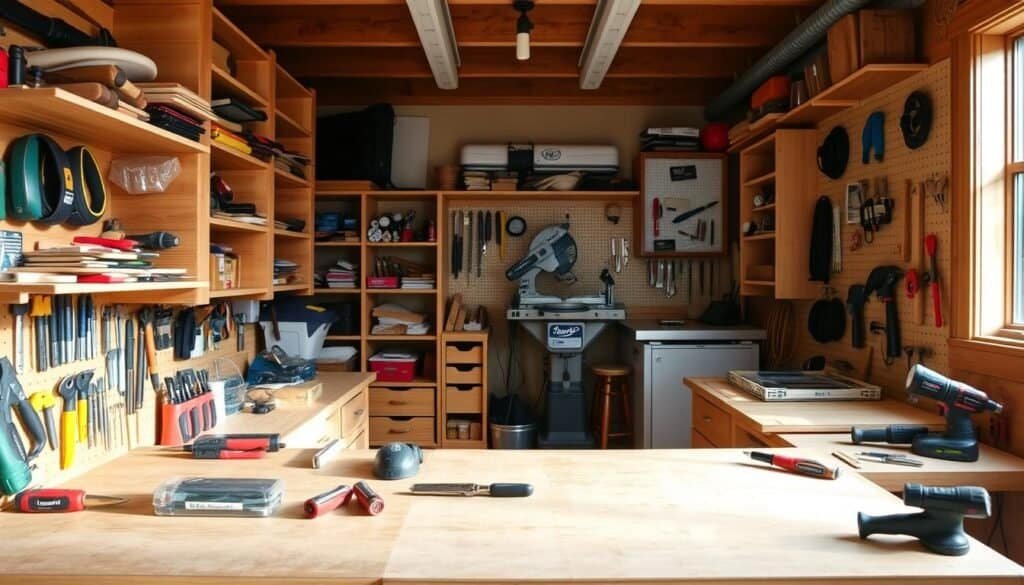
Building your own storage is a smart way to save money and meet your needs. You can craft shelving, cabinets, and drawers that fit your workshop perfectly. This maximizes your space.
- Use reclaimed wood or pallet wood to create unique and functional storage units.
- Design your storage units with adjustable shelving to accommodate different sizes of tools and materials.
- Consider adding casters to your storage units for easy mobility.
By using DIY storage solutions, you can make your wood shop more efficient, organized, and productive. This approach not only boosts your workshop’s functionality. It also makes your workspace safer by reducing clutter and improving access to tools and materials.
Budget-Friendly Workbench Options
Setting up a small woodworking shop needs a good workbench. A workbench makes your workspace comfy and efficient. It helps you focus on your projects.
There are many affordable workbench options. You can build one yourself or buy a pre-made one. Let’s look at both options to find the best fit for you.
Building Your Own Workbench
Building a workbench yourself can save money and be fun. Here are some key considerations:
- Use strong materials that can handle your projects.
- Think about the size and layout to fit your shop and needs.
- Add storage like drawers or shelves to keep things organized.
Popular DIY workbench designs include the simple sawhorse workbench and the modular workbench. These designs are flexible and can be customized to fit your space and needs.

If you prefer a pre-made workbench, there are many affordable ones. Here’s what to look for:
- Choose workbenches made from solid materials like steel or hardwood.
- Make sure the workbench fits in your shop and has enough space.
- Look for extra features like a built-in vice or storage to make it more useful.
Choosing a budget-friendly workbench lets you create a great workspace in your small shop. Whether you build one or buy a pre-made one, you’ll enjoy your woodworking projects more.
Tool Organization Strategies That Won’t Break the Bank
Keeping your tools organized can make woodworking better. A messy workshop slows you down and can be dangerous. We’ll look at ways to organize your tools without spending a lot.
Organizing Your Tools for Maximum Efficiency
To work better in your woodwork shop layout, organize your tools well. Sort them by what they do and how often you use them. This makes it easier to find what you need.
Using a pegboard is a smart move. You can put it on a wall or a door. Pegboard hooks are cheap and can hold lots of tools. For a 2 car garage woodworking shop layout, think about using more pegboards or mixing them with other storage.

Old containers or crates can also store tools. Just label them so you know what’s inside. For more tips on setting up your workshop, see our guide on how to start a woodworking business from your garage. It has good advice on workshop setup design and the tools needed for woodworking.
Toolboxes are also a smart buy for keeping things tidy. There are many sizes and styles to choose from. Pick one that fits your tools and your space.
Keeping your tools organized is key. Make cleaning up a regular part of your routine. This way, you’ll enjoy woodworking more and work better.
Mobile and Modular Solutions for Flexible Workshop Layouts
Creating a flexible workshop layout is key for better productivity in small woodworking shops. A flexible layout lets woodworkers quickly switch between tasks and projects. This boosts overall efficiency.Modular workstationsare essential for a flexible workshop. They can be rearranged or reconfigured as needed.
For example, a workbench on wheels can be moved around the shop. Or, a modular storage unit can change to fit different tools and supplies.
Creating a Flexible Workshop Layout
To make a flexible workshop layout, start by checking your current space and finding areas to improve. Think about the projects you usually do and the tools and supplies you need. Then, look for ways to add mobile and modular elements, like workbenches on casters or modular storage units.
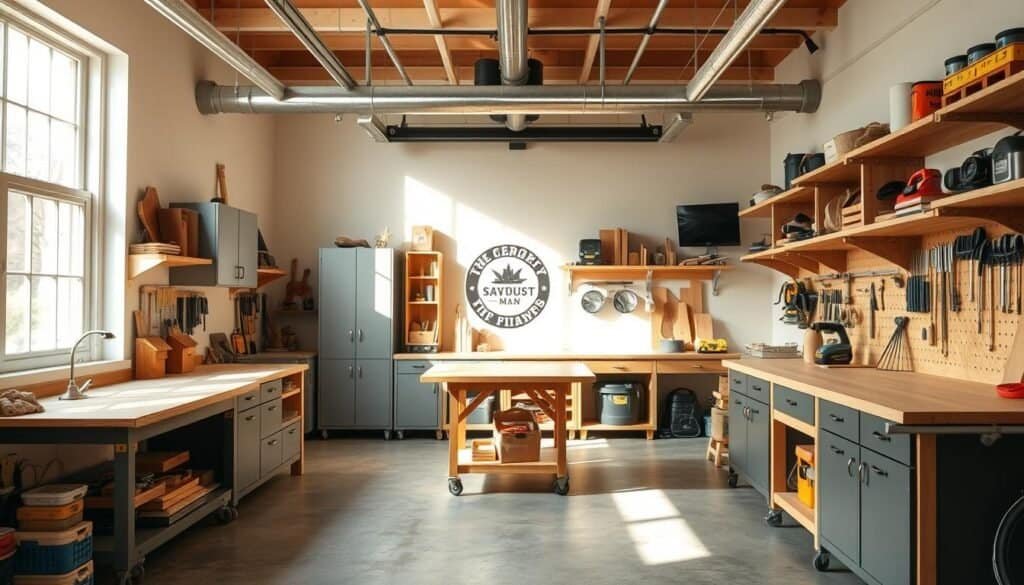
Usingmobile workstationsthat can be moved is a good strategy. Also, designingmodular storage unitsthat can change as needed is helpful. These elements make your workshop adaptable to different tasks and projects. They also boost your productivity.
In small woodworking shops, think about the workflow and how tasks and projects will be done. A flexible and adaptable workshop improves your efficiency and makes work more enjoyable.
Affordable Lumber Storage Ideas
Starting with affordable lumber storage ideas can boost your woodshop’s efficiency. A good storage system saves time, improves safety, and boosts productivity.
Think about your woodshop floor plans when planning storage. A well-designed layout can greatly affect your storage needs. For example, a 20×24 storage/workshop floor plans offers plenty of room for tools and lumber.

Building your own lumber storage is a smart, budget-friendly choice. You can tailor these units to fit your wood working shop layout floor plans perfectly.
Here are some tips for making your lumber storage units:
- Choose affordable materials like plywood or reclaimed wood.
- Make the units adjustable for different lumber sizes.
- Use your ceiling height to add vertical storage space.
By using these affordable storage ideas, you can make your woodshop more organized, efficient, and safe. Whether your workshop is small or large, optimizing lumber storage is key to a better woodworking experience.
Budget-Conscious Dust Collection and Shop Cleanliness
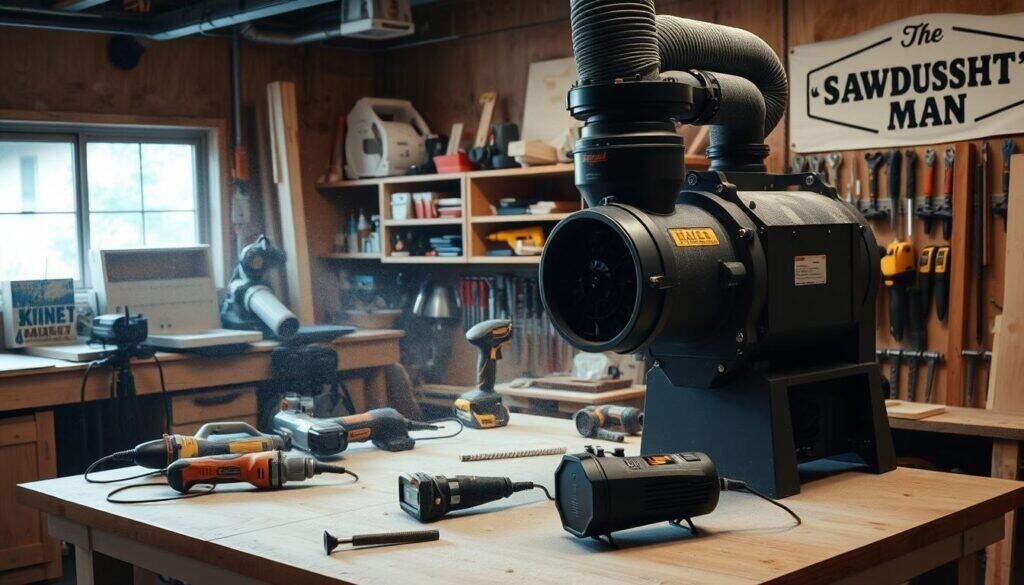
Keeping your workshop clean and dust-free doesn’t have to be expensive. Good dust collection is key for a safe and healthy space. This is even more important in small wood shops where dust can build up fast.
A well-organized workshop layout helps a lot with dust collection. Think about getting a heavy-duty workshop cabinet for your dust collection system. It keeps it out of the way but easy to get to.
Affordable Dust Collection Solutions
If you’re on a tight budget, there are cheap dust collection options. You can make your own dust collector with stuff from the hardware store. Or, you can use an old shop vacuum for dust collection. For more complex setups, check out shop plans workshop rockler woodworking & hardware for ideas.
Keeping your workshop clean also means regular cleaning and organization. Add some interior vintage touches like signs or antique tool displays. They make your workshop look good while keeping it tidy.
With these budget-friendly tips, you can make your workshop safe, healthy, efficient, and fun to work in.
Repurposing Household Items for Workshop Organization
Repurposing household items is a creative way to organize your woodworking workshop. It saves money and adds a personal touch to your workspace.
Start by looking around your house for items to repurpose. Old pallets can become storage units or workbenches. Crates are great for storing small parts and tools, keeping them organized and easy to find.
Upcycling Old Items for Workshop Use
Upcycling is about being creative and resourceful. For example, old mason jars can store nails, screws, and other small hardware. Attach them to a wooden board or metal strip on the wall for easy access.
Consider using old toolboxes or chests for tool storage. An old ladder can become a shelving unit for lumber or materials. Thinking outside the box leads to innovative solutions in woodworking workshop design.

In a compact woodshop, saving space is key. Use wall-mounted storage like pegboards or slatwall panels to keep tools and materials organized. Old containers or bins can store small items, keeping your workspace tidy.
These small woodshop storage ideas save space and improve workflow. Remember, an efficient woodworking shop is all about organization and creativity.
- Repurpose old pallets into storage units or workbenches.
- Use mason jars for storing small hardware.
- Transform old ladders into shelving units.
- Utilize wall-mounted storage solutions like pegboards.
By using these strategies, you can create a well-organized workshop that shows your style and meets your needs. It’s budget-friendly and enhances your woodworking shop plans.
Optimizing Workshop Workflow on a Budget
Turning your small wood workshop into a high-productivity space is possible. Start by looking at your current workflow and finding ways to improve it.
Creating an Efficient Workflow
To make your compact workshop more efficient, follow these steps:
- Assess Your Workflow: Map out your typical workflow. Find and remove any unnecessary steps.
- Organize Your Tools: Keep your tools organized and within reach. This saves time on each project.
- Implement a ‘Station’ System: Set up stations for different tasks. This keeps your workflow smooth.
Outdoor woodshops need to consider the weather. A covered area or a mobile setup can help avoid weather problems.

When setting up your small woodworking shop, think about how materials and you move. Minimize unnecessary movement by placing tools and materials where you need them.
By using these tips, you can make your small wood workshop more efficient and productive, even on a tight budget. Look into small wood workshop ideas like modular workstations or smart storage to improve your workflow.
Conclusion: Maintaining Your Organized Workshop
Keeping your workshop organized is key to staying productive and enjoying your space. A good small shop layout or woodshop plan is just the start.
Staying Organized Over Time
Set aside time for cleaning and upkeep to keep your workshop tidy. This helps avoid clutter and keeps things running smoothly. Use a “home for everything” rule, where each item has its own spot.
This makes finding tools and materials easier, boosting your work flow and productivity. A well-thought-out woodworking shop floor plan also aids in keeping things organized. It helps reduce waste and makes woodworking more efficient.
Looking at different small shop layout ideas can inspire you to find the best setup for your space. By sticking to these tips, you’ll enjoy a more productive and fun woodworking experience.