Starting an outdoor project is exciting. Choosing the right spot and planning for drainage is key. Using quality raised garden bed construction tips helps grow healthy food.
Proper planning prevents common mistakes. Think about soil depth and wood choice for plant health. Cedar and Redwood last longer than pine.
Key Takeaways:
- Select spots with six hours of sunlight for the best growth.
- Use rot-resistant materials like Cedar to prevent structure failure.
- Ensure the soil stays loose and airy for healthy root systems.
Many folks enjoy growing fresh produce at home. Elevated setups control soil quality. This guide helps homeowners through essential first steps for a beautiful and productive yard.
Every decision affects how much food grows over seasons. Proper preparation keeps the structure strong for years. Douglas Fir is a budget-friendly option, but choosing the right location is most important for beginners.
1. Choose the Perfect Location for Your Raised Garden Bed
Finding the right spot for your raised garden bed is key to a successful veggie garden. The best location gives your plants enough sunlight and keeps them safe from harm.
Understanding the Importance of Sunlight for Plant Growth
Most veggies and flowers need at least 6 hours of direct sunlight per day to grow well. But, some plants can do okay in partial shade. Knowing how much sunlight your plants need helps you pick the best spot for your raised garden bed.
When looking at your yard, think about the layout and any gardens or features that might block sunlight. For instance, a vegetable garden pergola or pergola can offer shade. So, it’s important to include these in your planning.
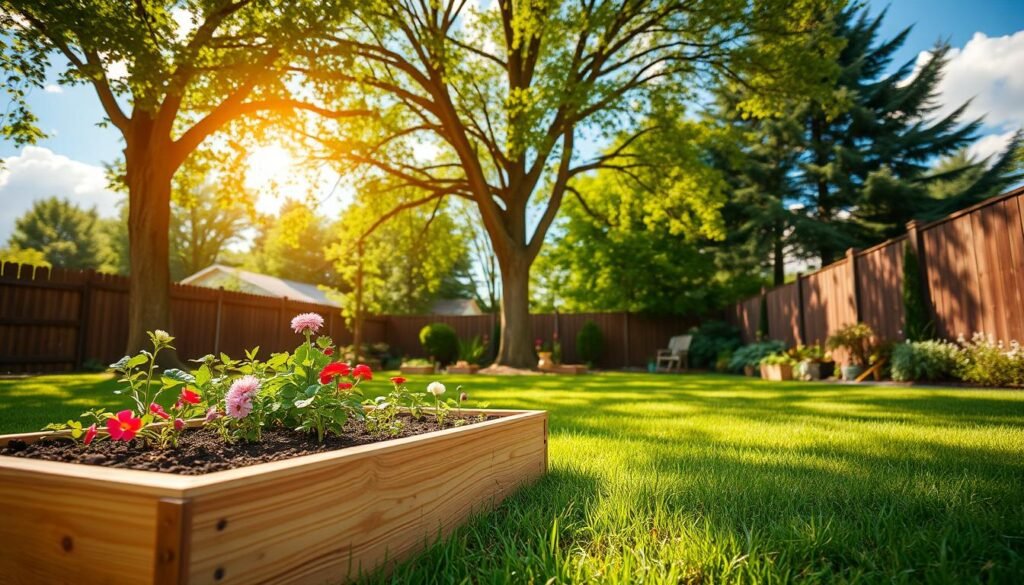
Here are some important things to think about when choosing the perfect location:
- The amount of sunlight the area gets
- How close it is to a water source
- How well it’s protected from wind
- How easy it is to get to
By carefully looking at these points, you can make a raised garden bed that will flourish.
2. Determine the Right Size and Dimensions
A well-planned raised garden bed starts with choosing the correct size and dimensions tailored to your gardening needs.
The size of your raised garden bed depends on your backyard space and the plants you want to grow. For example, if you’re growing vegetables, think about how big each plant will get. This ensures they have enough room without crowding the bed.
Key Considerations for Size and Dimensions:
- Available Space: Look at the area for your raised garden bed. Think about its length, width, and any obstacles that might change the bed’s size.
- Type of Plants: Different plants need different spaces. Tomatoes and squash need more room than lettuce or herbs.
- Accessibility: A wider bed might be hard to reach across. So, make it no more than 4 feet wide if you’ll access it from both sides.
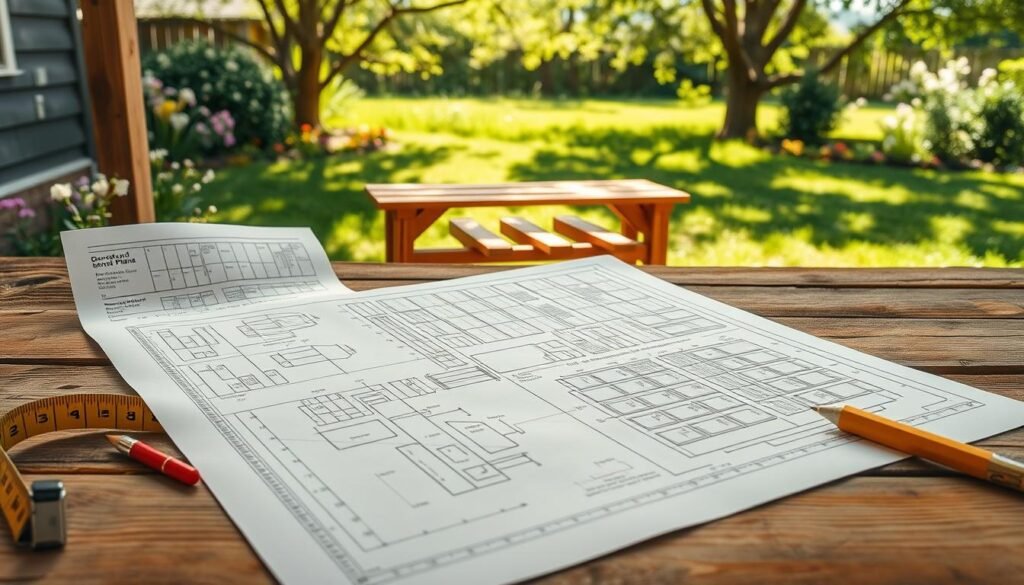
Creating a simple plan or sketch of your garden bed can help. It lets you figure out the best size for your needs.
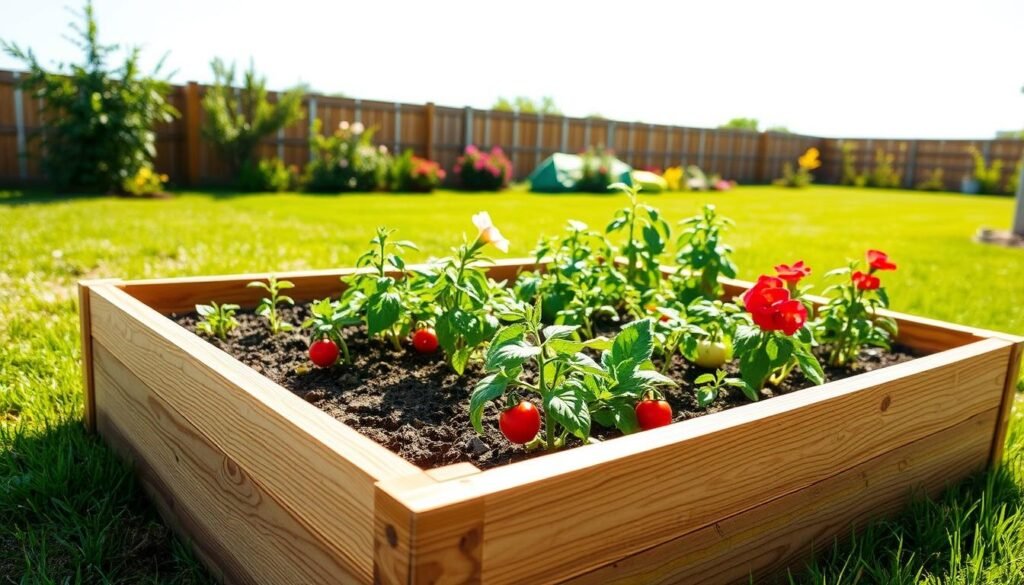
For a backyard garden vegetable setup, think about garden design permaculture. This can help use space better. You can plant different plants together to help each other grow or fight pests.
By carefully choosing the size and dimensions of your raised garden bed, you can make a plan that works well and looks good.
3. Select the Best Materials for Your Garden Bed
Choosing the right materials for your raised garden bed is key. It affects how long it lasts and how much care it needs. The materials you pick will also impact how well it handles weather and how easy it is to maintain.
Considering Durability and Maintenance Requirements
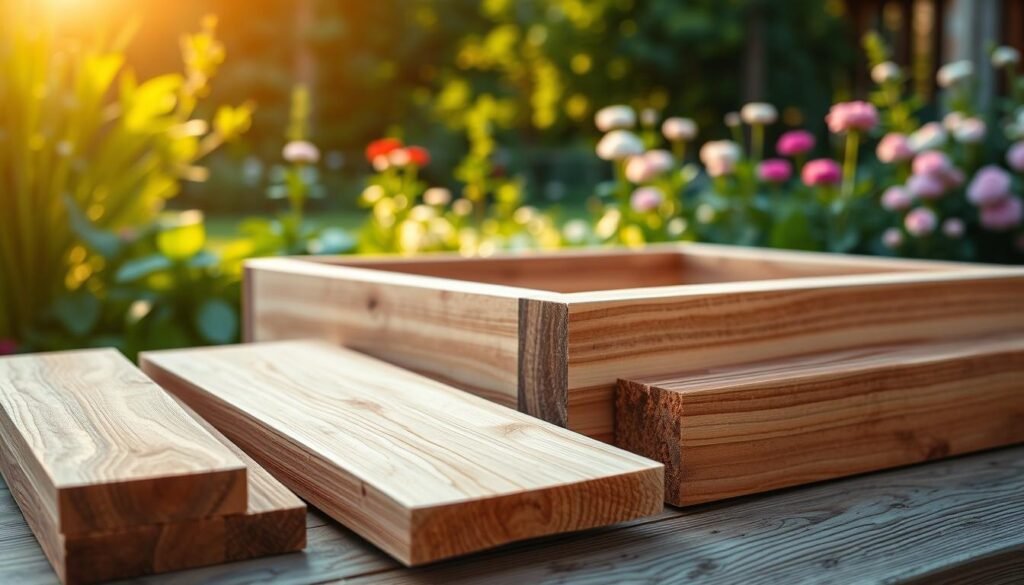
When picking materials, think about how durable they are and how much upkeep they need. Popular choices include cedar, recycled plastic, and composite materials. Each has its own advantages and disadvantages.
Cedar is a favorite because it naturally fights off rot and bugs. It also looks good in gardens. But, it might cost more than other options.
Recycled plastic is durable and easy to care for. It stands up to rot, bugs, and weather well. Yet, it might not look as nice as natural wood.
Composite materials mix wood fibers and plastic for a strong, easy-to-care-for product. They offer a natural wood look with plastic’s durability.
Here are important things to think about when picking materials for your raised garden bed:
- How well it resists rot and lasts
- How it stands up to bugs
- Its impact on the environment
- How it looks and fits with your garden
- Its cost and value
By weighing these factors and knowing the good and bad of each material, you can choose wisely. This will help your garden look great and stay healthy.
4. Plan Your Budget and Cost-Saving Strategies
Creating a raised garden bed on a budget needs planning and creativity. Building a raised garden bed is a smart way to start gardening. But, it’s key to plan your budget well.
First, figure out the costs of materials, soil, and extra features for your garden set ups. Think about the size of your bed and the materials you’ll use. For example, using reclaimed wood can save money.
Here are some ways to save money:
- Look for sales or discounts to get materials at the best prices.
- Use reclaimed or recycled materials for the bed’s frame.
- Choose a smaller bed to use less materials.
- Go for a simple design to save on labor costs.
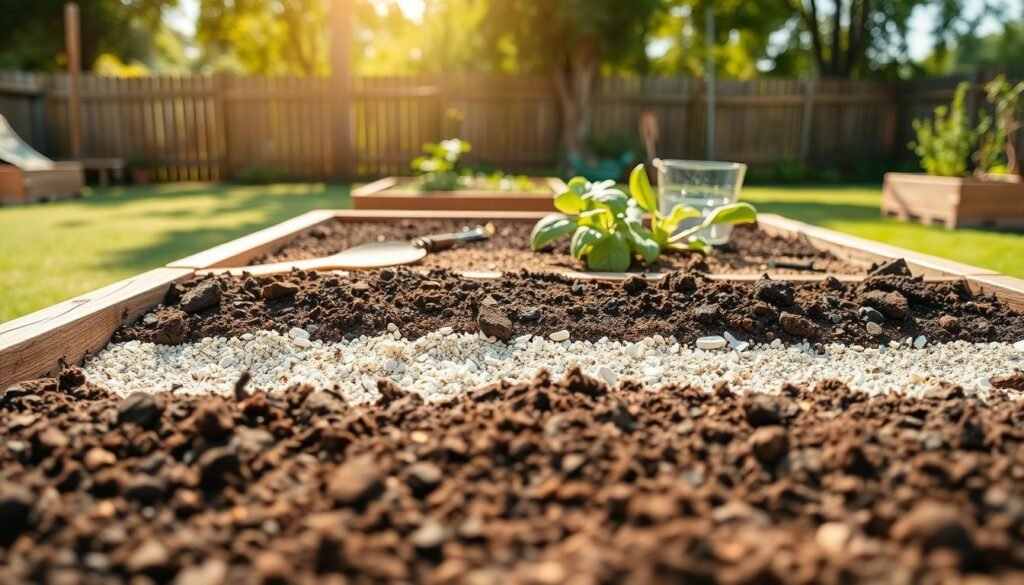
For the soil mix in your raised garden bed, making your own mix can save cash. Mix topsoil, compost, and perlite or vermiculite. A good mix is 60% topsoil, 20% compost, and 20% perlite or vermiculite.
By planning your budget and using these tips, you can make a lovely and useful raised garden bed. You can grow many garden beds vegetable plants without spending too much.
5. Design Your Raised Bed Layout
To make the most of your raised garden bed, a good design is key. A well-thought-out layout boosts your garden’s look and function.
Think about how big your plants will get and leave enough room. This ensures good air flow and easy access. It also helps prevent diseases and makes upkeep simpler.
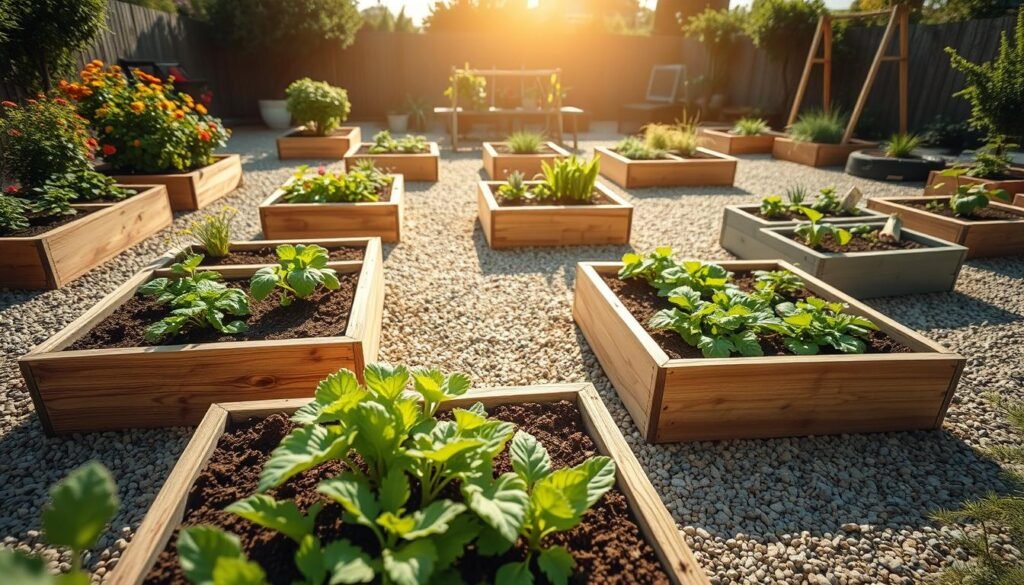
Companion planting means growing different plants together for better growth and health. For instance, marigolds with tomatoes can keep nematodes away.
Crop rotation is also vital in your design. It keeps the soil rich, fights pests and diseases, and boosts yields.
- Plant complementary vegetables, herbs, and flowers together.
- Rotate crops to avoid depleting the soil of specific nutrients.
- Consider the growing requirements and space needs of each plant.
By using companion planting and crop rotation, you can build a diverse and strong garden ecosystem.
6. Understand Soil Mix Requirements
The soil mix for your raised garden bed is key for plant health and growth. Each plant has its own needs. So, pick a mix that fits your crops best.
When picking a soil mix for your raised garden bed, think about pH, nutrients, and drainage. A balanced mix helps plants grow well and cuts down on the need for extra fertilizers.
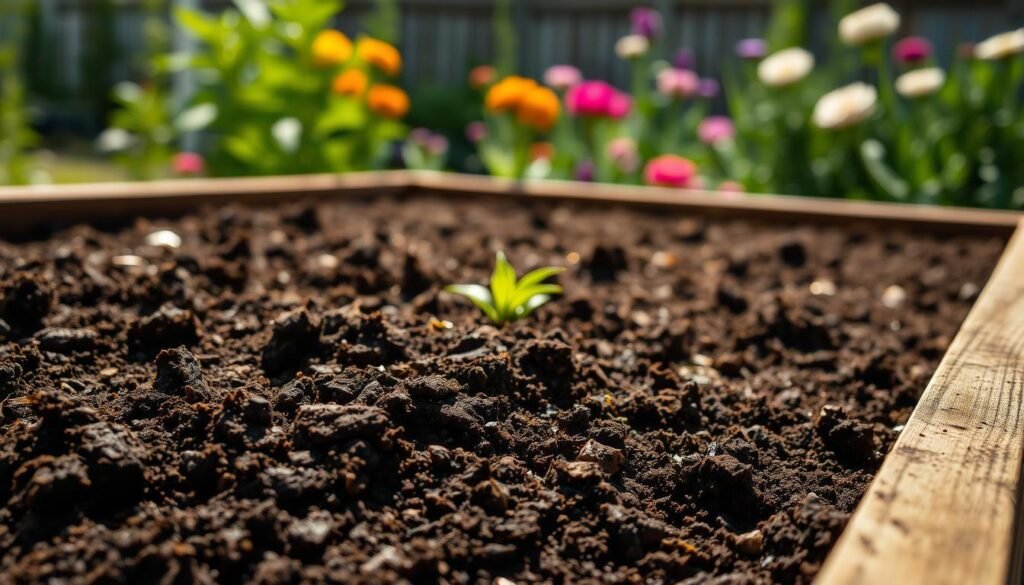
A good mix should have a pH that matches your plants. Most veggies like a slightly acidic to neutral soil pH, between 6.0 and 7.0. Testing your soil mix often helps you adjust the pH if needed.
Nutrients are also important. A mix with lots of organic matter, like compost, gives plants a steady nutrient supply. Adding well-rotted manure or compost tea can boost your soil’s nutrient level.
Drainage is key for healthy plants. A mix that drains well prevents waterlogged soil, which can harm roots. Adding perlite or vermiculite can help with drainage in your raised garden bed soil mix.
- Choose a mix made for raised beds and vegetable gardens.
- Think about your plants’ needs when picking a soil mix.
- Test and adjust the pH of your soil mix as needed.
- Add organic matter to boost nutrient levels.
- Make sure the mix drains well to avoid waterlogged soil.
Understanding and using the right soil mix is essential for a thriving veggie garden in raised beds. Whether you use garden boxes or raised beds with lights, the right soil mix is vital for a good harvest.
7. Plan for Proper Drainage
When building a raised garden bed, drainage is key. Without it, water can pool in the soil. This can harm your plants by causing root rot and other issues.
To fix this, add drainage holes in the bottom of your bed. The size and number of holes depend on your bed’s size and soil type. Generally, holes every few feet work well, but adjust as needed.
Adequate drainage can also be helped by a drainage layer. Use gravel or broken pottery at the bottom. This layer lets water drain through, preventing it from pooling in the soil.
A well-draining bed is essential for a dream vegetable garden backyards can be proud of. It keeps the soil healthy, promoting strong root growth and a better harvest.
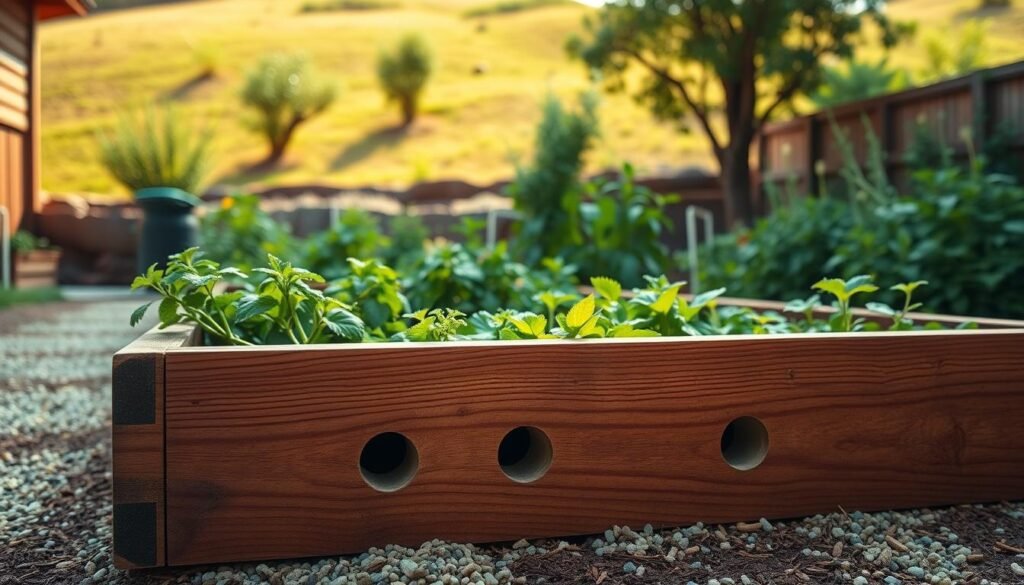
When designing your raised garden bed, think about drainage and aesthetics. Adding a vegetable garden with trellis and flowers can make your garden more interesting and diverse.
Good drainage also affects your garden lighting. A vegetable garden lighting system can highlight your garden’s beauty. It also provides light for plants in the evening or shaded areas.
- Ensure your raised bed has adequate drainage holes.
- Consider adding a layer of gravel or broken pottery to improve drainage.
- Design your garden with both functionality and aesthetics in mind.
8. Decide on the Ideal Height and Depth
To make your raised garden bed both useful and easy to use, think about its height and depth. The size of your bed affects how well your plants grow and how comfortable you are while gardening.
The depth of the raised garden bed is key because it decides how much room your plants’ roots have. Some plants, like tomatoes and carrots, need more soil than others, like lettuce or herbs. A deeper bed can grow more plants, but it needs more soil.
When picking the height of the raised garden bed, think about how easy it is to reach. A taller bed makes gardening easier, as you won’t have to bend or stoop as much. But, it might cost more and need stronger materials.
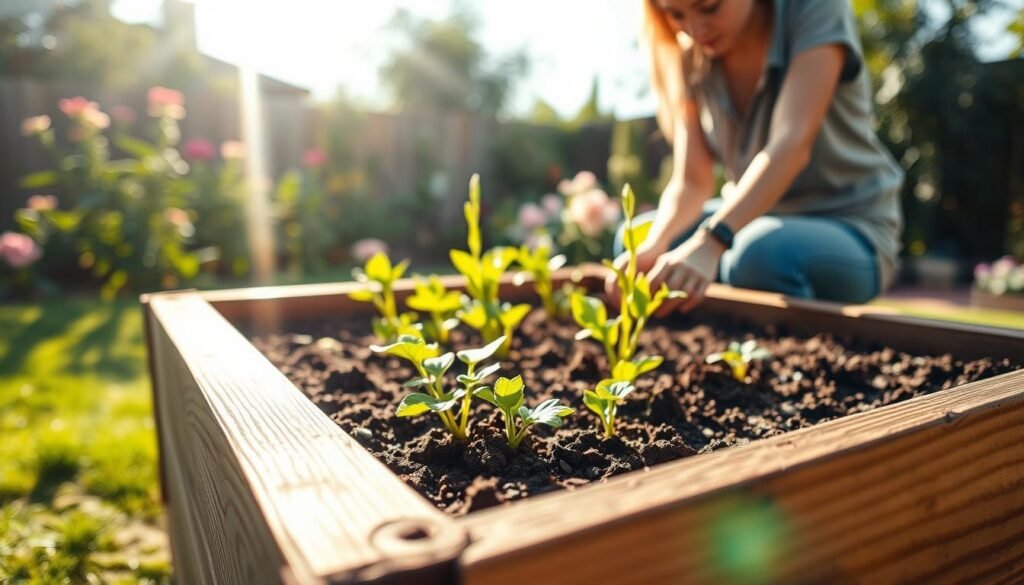
Here are some basic tips for the height and depth of raised garden beds:
- Most vegetables and flowers need 6-12 inches of soil.
- Root vegetables like carrots or potatoes need at least 12-18 inches.
- For easier access, aim for a bed height of 30-36 inches.
- If you use a wheelchair or have mobility problems, 36-40 inches is better.
Adding a vegetable garden with arch or a veggie garden arch can make your garden look better and work better. These features help climbing plants and make your garden more interesting.
Also, think about making your garden pollinator-friendly. Choosing the right plants and designing your garden for pollinators can make it lively and eco-friendly.
9. Consider Additional Features and Enhancements
To make your raised garden bed even better, think about adding features that boost both function and looks. These extras can make gardening more fun and productive. They can also make your garden look amazing.
One great idea is to add irrigation systems. Efficient irrigation helps your plants get the right water. This cuts down on waste and prevents too much water.
Adding Aesthetic Touches to Your Garden Bed
Adding beauty to your raised garden bed can make it stand out. You could use decorative edges, garden ornaments, or plants that look good together. Some cool ideas include:
- Putting up a trellis or arbor for climbing plants
- Adding mulch or compost for better soil and looks
- Using plants that add color and texture
- Installing paths or stepping stones for easy walking
When planning your garden bed, think about the cottage vegetable garden aesthetic you want. Look at different kitchen garden layout raised beds and raised kitchen garden beds for inspiration. This way, you can make a garden that’s both unique and useful.
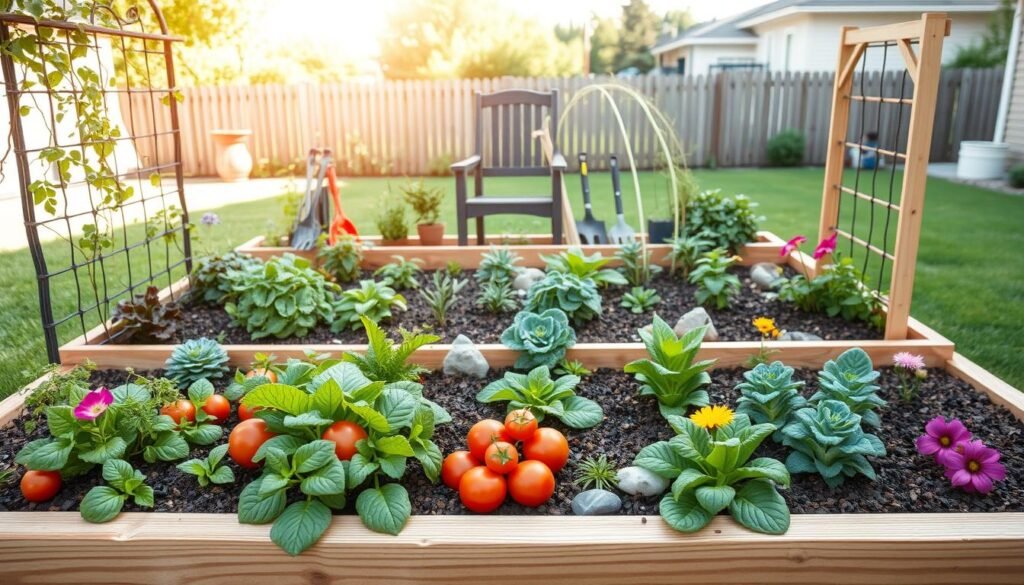
- Choose plants with different looks and colors for interest
- Include a place to sit or a bench for relaxation
- Have a garden cart or storage bin for tools and supplies
By adding these features and enhancements, you can make a raised garden bed that’s both useful and beautiful.
10. Before You Build a Raised Garden Bed, Read This
Before you start your raised garden bed, think about these important points.
When you’re ready to begin your raised bed kitchen garden project, remember to plan well. A good raised bed kitchen garden design looks great and helps your plants grow better. It also makes gardening easier.
Building your kitchen garden raised beds requires patience and a willingness to learn. This approach helps you overcome any problems and enjoy your gardening journey.
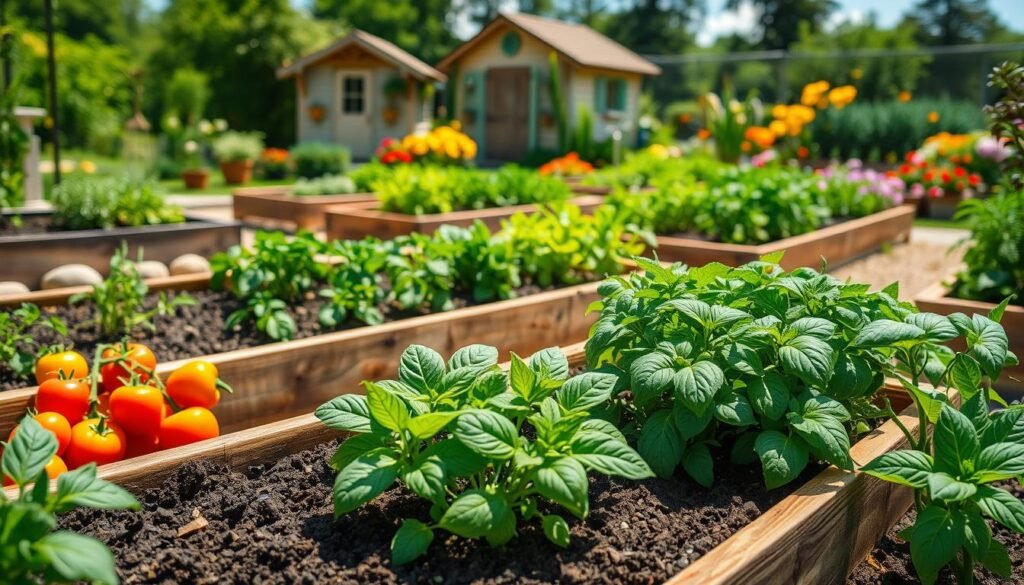
By considering these tips, you can make a garden that’s both productive and beautiful. Take your time to plan well. And don’t be afraid to ask for help when you need it.
- Review the key considerations for building a raised garden bed.
- Plan carefully to ensure a productive and enjoyable gardening experience.
- Be patient, flexible, and willing to learn and adapt as you go.
By keeping these tips in mind, you can have a garden that’s full of fresh food and looks great. It will bring you joy and satisfaction.
11. Conclusion
With careful planning, you can make a stunning raised garden bed. It will give you fresh produce and joy for years. Whether you’re experienced or new to gardening, a well-designed raised bed is great for your outdoor space.
Think about using a raised garden bed example plan. You can choose an L-shaped design or brick ideas. For inspiration, check out gardenary garden designs or learn to build an L-shaped bed to use your space well.
By following the tips in this article, you’ll create a thriving and beautiful garden. It will meet your needs and make your outdoor area better.