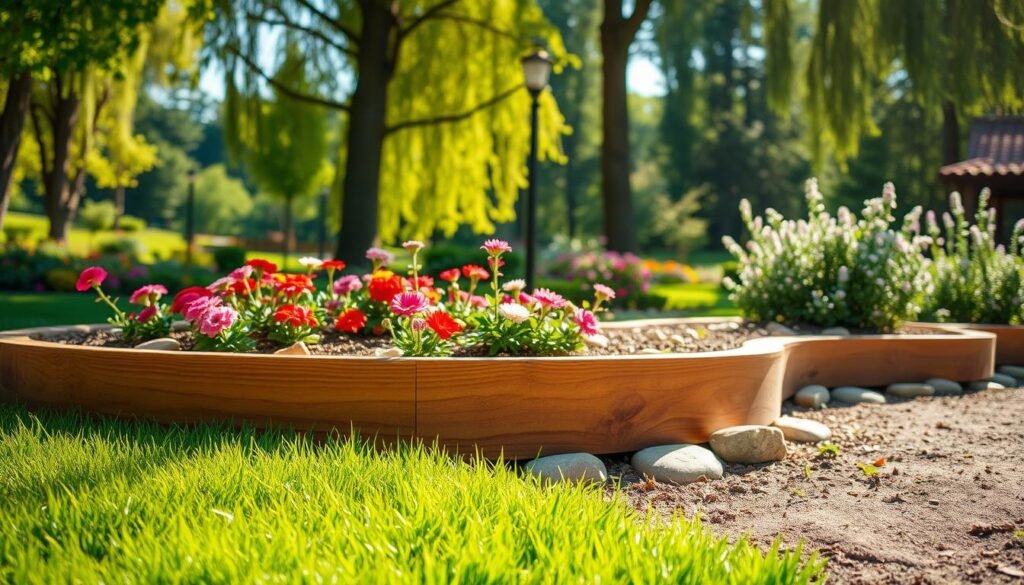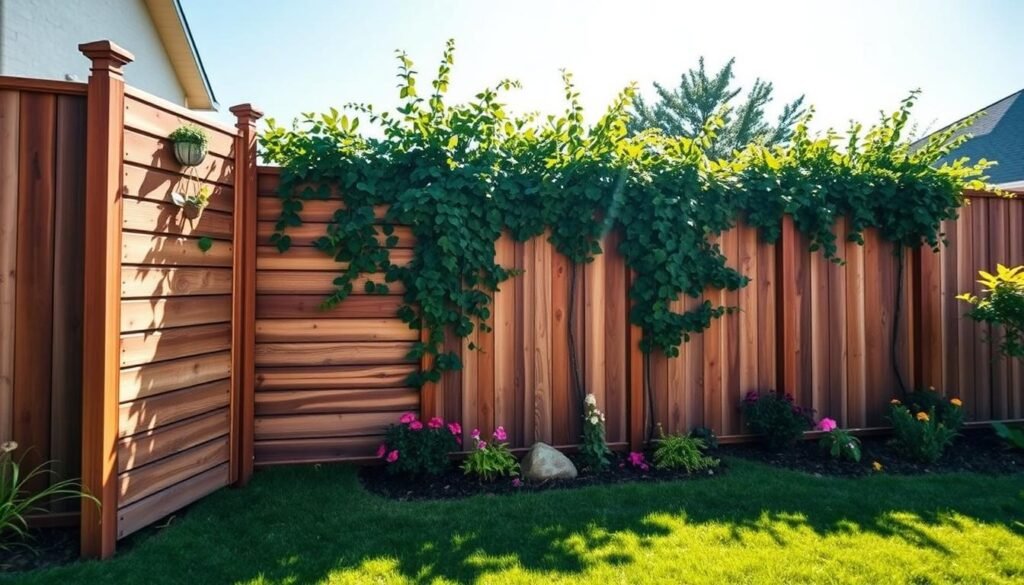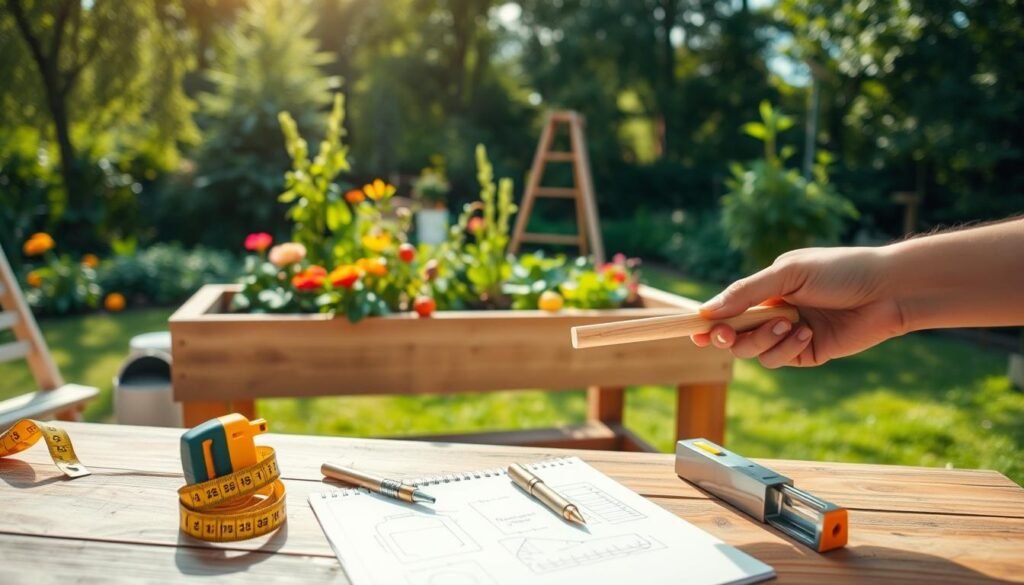
Creating durable garden seating is more than just looks. Many start looking for outdoor wood bench plans without thinking about the weather. Proper preparation is key to success.
When building wooden furniture, think about the weather. Rain and sun can damage it. Choosing the right materials and support is essential for a lasting project. Stability is more important than style.
Following seating assembly tips leads to a lasting result. Good patio furniture design focuses on strength. The right lumber prevents rot and keeps it safe.
Planning these details now saves time and money. It helps avoid mistakes like wobbly legs or warped seats. Let’s explore the essential steps for a perfect backyard area.
Key Takeaways:
- Durability First: Choose rot-resistant lumber to fight moisture and sun damage.
- Solid Foundation: Focus on strong joints for long-term safety and stability.
Before You Build an Outdoor Wood Bench, Know This
It’s important to know what you need and want before building an outdoor wood bench. This helps make sure your bench fits your outdoor area perfectly. It also ensures your project turns out as you hoped.
Assessing Your Needs and Preferences
First, think about why you want an outdoor wood bench. Is it for sitting in your garden, as a decoration, or for adding function to your patio? Knowing this will help you decide on size, material, and design.
Consider the space you have, your outdoor area’s style, and how many people will use the bench. For example, a small garden bench might be smaller and simpler. But a larger patio bench could be longer and more detailed.
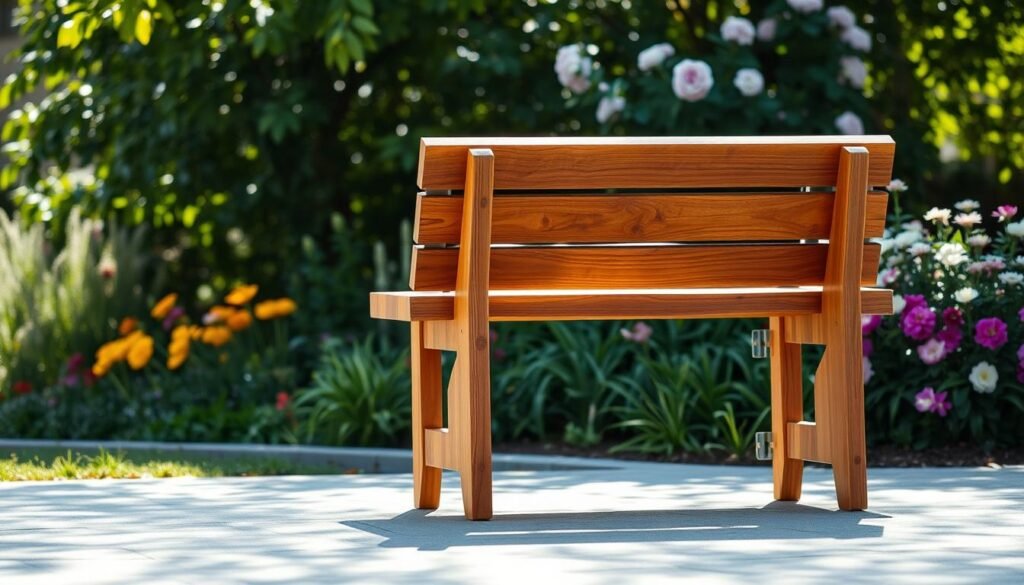
Also, think about how durable and easy to maintain your bench should be. This means choosing the right wood and finish. The best wood for outdoor benches is usually weather-resistant, like cedar or teak, which can handle different weather.
- The style and design of the bench
- The color and finish of the wood
- The comfort and ergonomics of the bench
- The budget for the project
By carefully thinking about your needs and preferences, you can make an outdoor wood bench that looks great and works well. This careful planning makes your project fun and fulfilling.
Selecting the Best Wood for Outdoor Benches
Choosing the right wood for your outdoor bench is key. It must handle different weather and last long. The wood you pick affects both its durability and look.
For weather-resistant wood benches, some woods are better than others. Here are the top picks:
- Cedar: It fights off rot, decay, and bugs well, making it a favorite for outdoor furniture.
- Teak: Teak is tough and keeps moisture out, perfect for outdoor benches.
- Redwood: Like cedar, redwood has oils that protect it from rot and bugs.
- Pressure-Treated Wood: This wood is treated to fight rot and bugs, a budget-friendly option.
When picking wood for your wooden garden benches or diy wooden benches outdoors, think about these:
- Durability: Pick wood that can handle your local weather.
- Maintenance: Think about how much upkeep you want for your bench.
- Style: Choose wood that fits your outdoor space’s style.
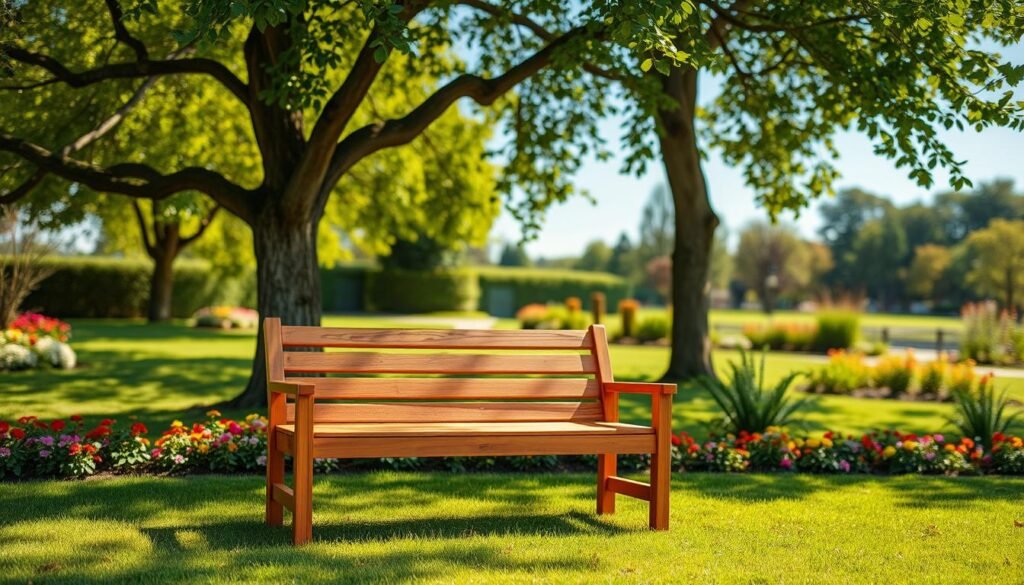
By keeping these points in mind and picking the right wood, you can make a beautiful, lasting outdoor bench. It will bring joy for many years.
Determining the Right Bench Design and Style for Your Space
The design and style of your outdoor bench should match your taste and the space you have. It’s key to think about both how it looks and how it works. This will help you choose the perfect bench for your outdoor area.
Think about how you want your bench to be used. Will it be the main attraction, or will it blend in? Match the bench’s style with your outdoor furniture and patio or garden decor.
For a modern vibe, go for a sleek, simple design. For a traditional or rustic feel, a wooden bench with detailed carvings is better. Make sure your bench fits with your decor.
The bench is a key part of outdoor furniture design. It adds to the space’s feel. Choose materials, colors, and shapes that fit your outdoor area well.
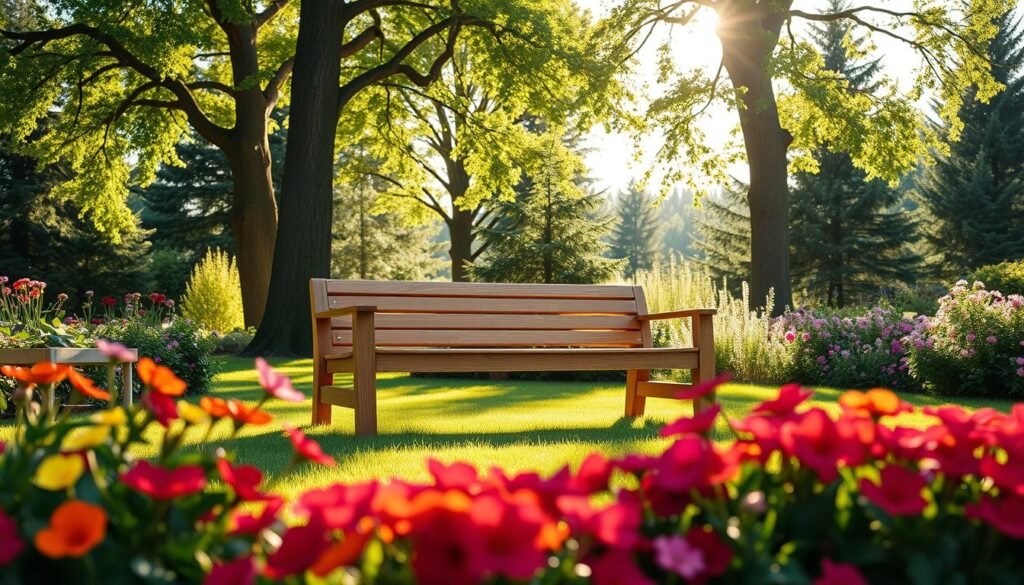
- Recycled plastic benches for a sustainable look
- Wooden benches with detailed carvings for a traditional feel
- Metal benches with a powder-coated finish for durability
For a DIY garden bench, pick a design that fits your skills and tools. There are many plans and tutorials online, from simple to complex projects.
By considering these points, you can find an outdoor bench that’s perfect for your space. It will also make your outdoor area more beautiful and useful.
Choosing the Perfect Location and Placement Strategy
Finding the right spot for your outdoor bench can change your garden or patio. When picking a spot for your outdoor bench seating, think about a few things.
First, think about the sunlight. If you’ll be reading or relaxing, a spot with some shade is good. But if you love sunshine, choose a sunny spot.
Drainage is also important. You don’t want your bench where water collects. This can make the wood damp and damage it. Make sure the area drains well to keep your garden bench seating dry.
Accessibility matters too. Put your benches for outside where they’re easy to get to. Think about the path flow in your garden or patio. Place your bench to make it a cozy spot, not a block.
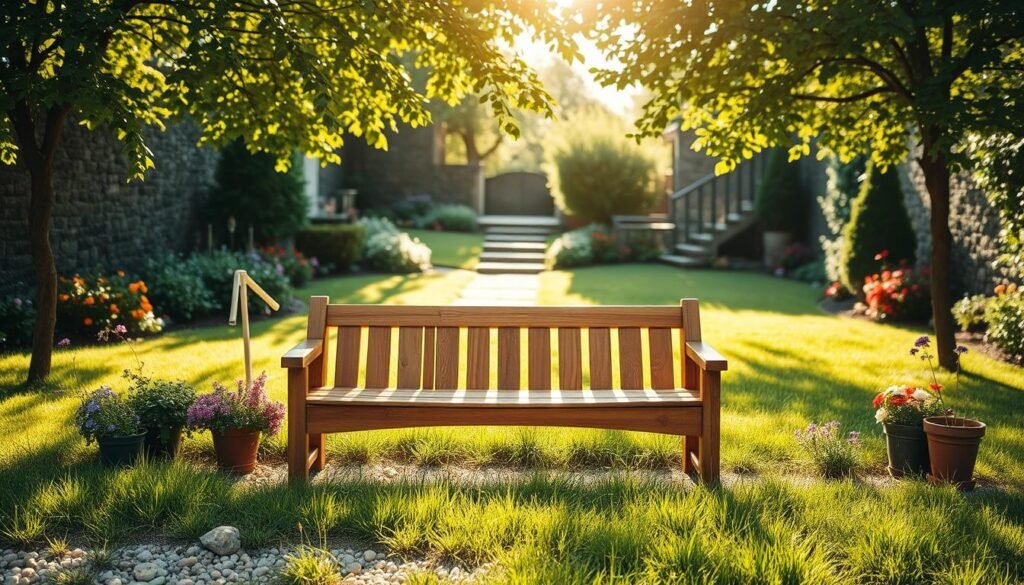
- Put a bench under a pretty tree or near flowers for a nice view.
- Use your bench to mark off different spots in your garden or patio, like a seating area or reading spot.
- Think about what you’ll see from your bench. Place it to look out over a garden feature or a nice view.
By carefully picking where to put your outdoor wood bench, you can make a welcoming and useful outdoor area. You’ll enjoy it for many years.
Assessing Your Woodworking Skill Level and Project Complexity
Figuring out your woodworking skill level is key to picking the right outdoor wood bench project. This step ensures you choose a project that fits your skills. This way, you’ll have a fun and successful DIY wood bench project.
Honest self-assessment is key. Think about your experience with woodworking tools and techniques. Also, consider your ability to follow plans or instructions. Beginners should look for easy wood bench plans. These plans should need minimal tools and simple instructions.
Choosing a Project That Suits Your Skills
When picking a wooden bench project, think about a few things:
- The type of woodworking techniques involved
- The complexity of the design
- The tools and materials required
- The time needed to complete the project
If you’re new to woodworking, start with simple projects. Then, move to more complex ones as you get better. Bench building tips from experienced woodworkers can help a lot.
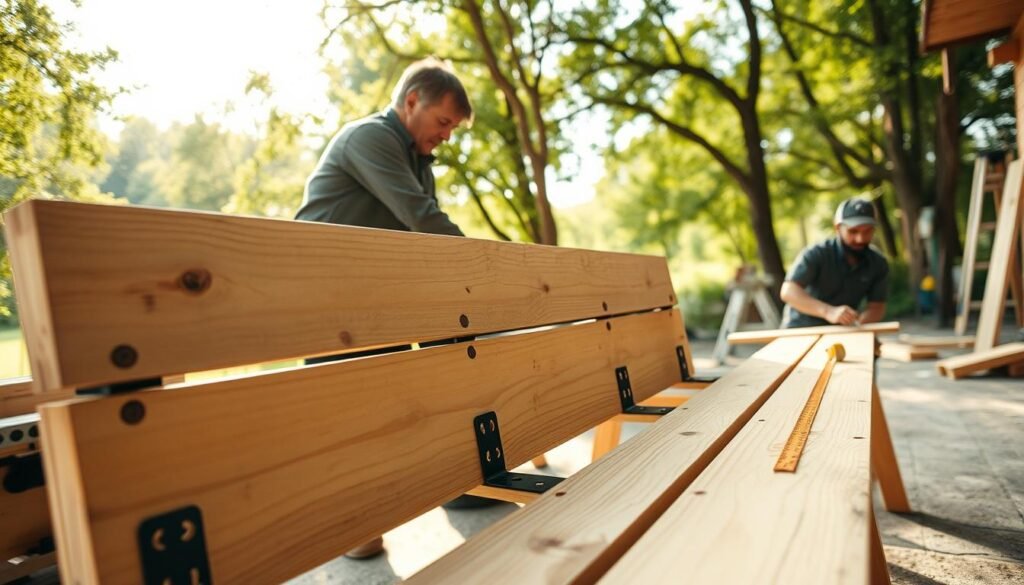
For those with more experience, you might want to tackle more detailed designs or bigger projects. But, always check if the project matches your skills and resources.
By accurately checking your woodworking skill level and picking the right project, you’ll make a beautiful and useful outdoor wood bench.
Gathering the Right Tools, Materials, and Hardware
To start a DIY wood projects furniture outdoor benches project, you need the right tools, materials, and hardware. This is key for a smooth and successful project.
First, list the tools you’ll need. For outdoor wooden bench plans, basic tools like a circular saw, drill press, and sandpaper are essential. Don’t forget a tape measure, square, and level for accuracy and precision.
Next, pick the right materials. The wood type depends on your simple outdoor wooden bench plans and how durable you want it. Cedar, pine, and recycled plastic lumber are good choices. Always check how much material you need for your project.
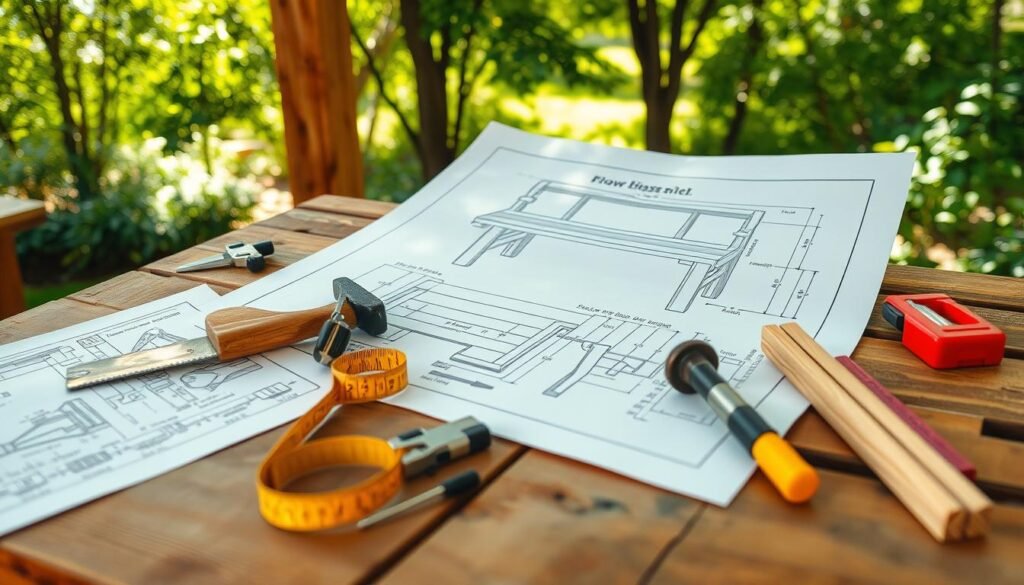
Hardware is also important. You’ll need screws, nails, or bolts to put the bench together. The type and amount needed vary with the bench’s design and size. For a park bench, you might need extra hardware like armrest supports and leg brackets.
Here’s a list of materials and tools you might need:
- Wood (depending on the type and quantity required for your project)
- Screws, nails, or bolts
- Circular saw
- Drill press
- Sandpaper
- Tape measure
- Square
- Level
With all the necessary tools, materials, and hardware, you’re ready to start your project. This will help ensure it turns out as planned.
Planning Your Budget and Understanding Cost Variables
Knowing the costs for an outdoor wood bench is key to a great project. To make a outdoor furniture plan that’s both beautiful and useful, you must think about all the costs.
The price of building an outdoor wood bench can change a lot. The main thing to think about is the wood type. Different woods cost different amounts, and some are better for outdoors than others. For instance, pressure-treated lumber is cheaper than woods like cedar or redwood that naturally resist rot.
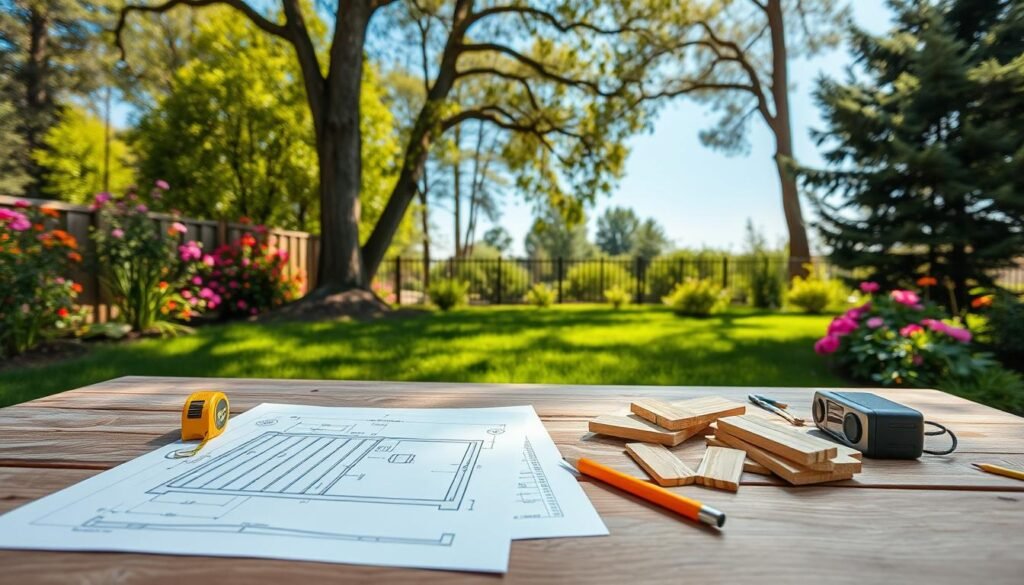
Also, don’t forget about the cost of tools and hardware. If you have a lot of tools already, you won’t have to buy as much. But if you’re starting, you might need to spend on various tools and fasteners. You should also think about any extra features, like bench with planters or fancy trim.
Another thing that can affect your budget is how complex your design is. A simple bench is usually cheaper than a detailed one with many parts. If you want a special yard decoration ideas, you might need to spend on special tools or materials.
To plan your budget, consider these costs:
- Material costs (lumber, hardware, etc.)
- Tool expenses (power tools, hand tools, etc.)
- Additional features (planters, decorative trim, etc.)
- Design complexity
By knowing these costs and planning your budget, you can make a lovely outdoor wood bench. It can be simple or a fancy cement garden benches design. Good planning is essential for a successful project.
Weather Protection, Finishing, and Long-Term Durability
Protecting your bench from the weather is key to making it last. When you build an outdoor wooden bench diy, think about how different weather can affect the wood. Rain, sun, and extreme temperatures can harm the wood, causing it to rot, crack, or fade.
To fight these issues, apply a protective finish. This could be a waterproof sealant or a UV-resistant stain. These help keep the wood safe from moisture and sunlight.
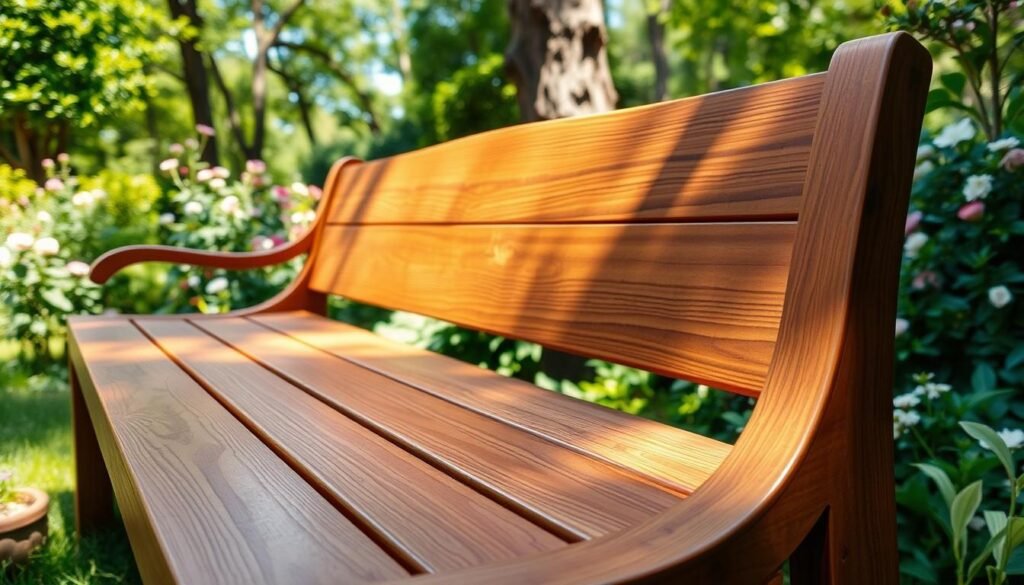
There are many finishing techniques to make your bench last longer. Here are a few:
- Apply a waterproof sealant to keep moisture out
- Use a UV-resistant stain to stop fading and color change
- Put on a wood oil or wax to feed and protect the wood
When picking a finish, think about the wood type, look, and protection level. Also, don’t forget to keep your bench in good shape with regular care.
For outdoor bench decorating ideas, add cushions or pillows for comfort and style. You can also put plants or flowers around the bench to make it more inviting.
With the right weather protection, finishing, and upkeep, your weather-resistant wood bench will be a beautiful and useful part of your outdoor area for many years.
Finding Quality Outdoor Bench Plans and Instructions
To build a beautiful outdoor bench, start with quality plans and instructions. The internet has many resources, but not all are good. Look for plans that are detailed, easy to follow, and match your skill level.Reliable Sources for Outdoor Wood Bench Plans
There are many reliable places to find top-notch outdoor wood bench plans. Some of the best sources include:
- Woodworking websites and blogs
- DIY forums and communities
- Home improvement stores
- Online marketplaces for woodworking plans
When searching forfree outdoor bench plans, check the source’s credibility. Read reviews or comments from other users. This will help you understand the plans’ quality and accuracy.
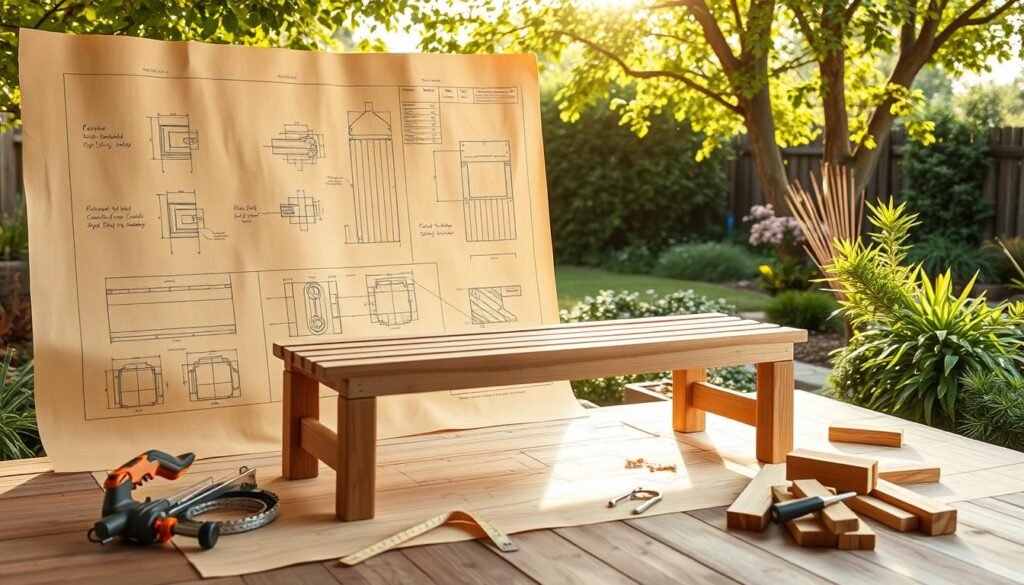
What to Look for in Quality PlansWhen looking at outdoor wood bench plans, consider these factors:
- Clear instructions and diagrams
- Detailed cutting lists and materials needed
- Step-by-step photos or videos
- Adjustability and customization options
If you want to build aDIY garden bench with back, make sure the plans have detailed assembly instructions. They should also cover any special needs for the backrest.
By following these tips and picking the right plans, you can make a beautiful and lasting outdoor bench. It will improve your outdoor space for many years.
Conclusion
Building an outdoor wood bench is a rewarding DIY project. It can make your outdoor living space more functional and beautiful.
Choosing the right wood, design, and weather protection is key. This way, you can create outdoor furniture that looks great and fits your garden ideas.
A well-made wood bench adds value to your outdoor area. It also gives you a cozy spot to relax and enjoy nature.
With the tips from this article, you’re ready to start your project. You’ll turn your idea into a reality that brings joy and peace to your outdoor space.