
Mixing different wood tones in one room can seem hard. But, when done right, it adds depth and interest. Mixing light and dark wood furniture can make your room feel welcoming.
With the right approach, your home can become stylish and sophisticated. Using various wood design ideas, you can make your space unique and personal. Whether you need interior decor tips or project inspiration, knowing how to mix wood tones is essential.
Let’s dive into how to blend light and dark wood to improve your room’s look.
Understanding the Appeal of Mixed Wood Tones
Combining different wood tones in a room adds depth and character. It’s not just about mixing; it’s about finding a balance. This balance makes the space look better.
Current interior design trends show that mixed wood tones are popular. They add interest to a room. By using various wood colors, a space can feel both modern and rustic.

- Adding depth and visual interest to a room
- Creating a unique and personalized space
- Bringing together different design elements, such as modern and rustic styles
To get a modern rustic design, balance light and dark wood tones. Here’s how:
- Start with a main wood tone and add contrasting accents
- Use different wood textures, like smooth and distressed
- Add natural elements, like plants or stone, for a rustic touch
Understanding mixed wood tones and how to use them makes a space stylish and welcoming.
Popular Wood Types and Their Characteristics
Wood is a versatile material with many types, each with its own look. The wood you choose can change the feel and style of a room.
Popular Wood Types:
- Oak: Known for its durability and classic look, oak is a popular choice for furniture and flooring.
- Maple: With its light color and smooth texture, maple is often used in modern designs.
- Cherry: Cherry wood is prized for its rich, reddish-brown color and fine grain.
- Pine: A softwood with a knotty texture, pine is often used in rustic or country-style decor.
- Walnut: Dark and luxurious, walnut is used to add a touch of sophistication to a room.
Knowing the characteristics of these wood types is key to balancing wood texture in a room. For example, mixing light woods like maple with darker woods like walnut can look great.
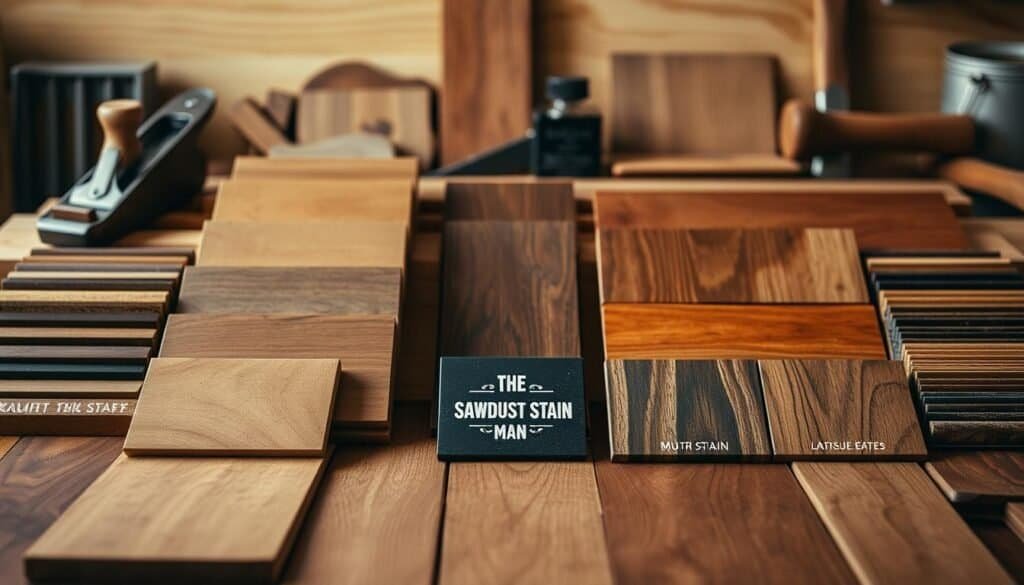
Using wood stain swatches helps pick the right wood tone for your decor. This is very important when combining different wood types in one room.
By understanding each wood type’s unique features and using tools like wood stain swatches, you can create a stylish and harmonious space. This space will showcase the beauty of wood.
Creative Ways to Mix Light and Dark Wood in One Room
Mixing light and dark wood in a room is all about finding balance. It can make your space more interesting and deep. Here are some creative ways to mix light and dark wood for your next room makeover.
Start by choosing a main wood tone and add the other as accents. For example, dark wood furniture can be paired with lighter wood flooring or decor. This method keeps your room looking unified and avoids a messy feel.
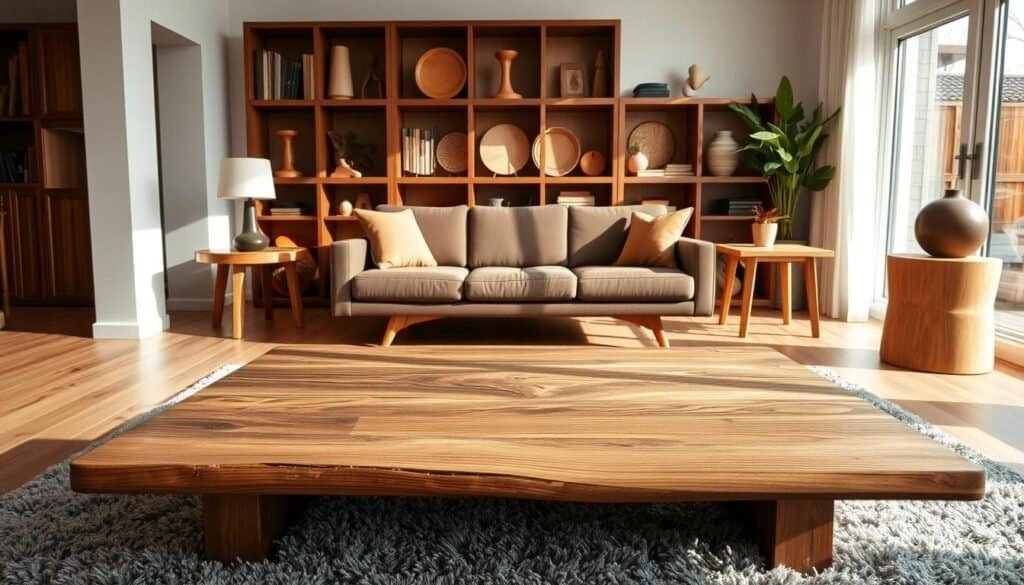
- Pair a dark wood dining table with lighter wood chairs.
- Use a light wood floor and complement it with dark wood furniture pieces.
- Combine a dark wood headboard with a lighter wood dresser in the bedroom.
For more wood decor ideas, check out spring-infused wood decor ideas to brighten your home.
Think about your room’s style and how the wood tones will fit. Mixing light and dark wood can create a unique and inviting atmosphere. It shows off your personal style.
To mix light and dark wood successfully, focus on balance and harmony. Use a main wood tone, add complementary pieces, and think about your room’s style. This way, you can make a space that’s both beautiful and creative.
Key Principles for Harmonious Wood Combinations
Combining different wood tones in a room is an art. It’s about knowing the difference between warm and cool wood tones. Understanding how they work together is key to a beautiful space.
Warm vs. Cool Wood Tones
Wood tones fall into two main groups: warm and cool. Warm wood tones have yellow, orange, or red hues, making a room feel cozy. Oak and pine are examples. On the other hand, cool wood tones have blue or grey undertones, creating a calm atmosphere. Maple and ash are cool wood examples.
Mixing wood tones within the same category is easier. For example, pairing warm woods together looks cohesive. But, mixing warm and cool tones can add interest if done right.
Identifying Undertones in Finished Wood
It’s important to know the undertones of finished wood. Look at the wood under different lights to see its true undertones. Natural light shows the real colors, while artificial light can change how it looks.
- Check the wood’s color: Warm woods have golden or honey tones, while cool woods look grey or blue.
- Think about the finish: The finish can change how the wood looks. A warm finish can make it seem golden, while a cool finish makes it appear greyer.
- Compare with other woods: Putting different wood samples together helps see how their undertones mix.
Understanding warm and cool wood tones and identifying undertones helps create beautiful wood combinations. Try different pairings and think about the look you want. This will help you find the perfect mix for your home.
Living Room Strategies: Mixing Woods with Style
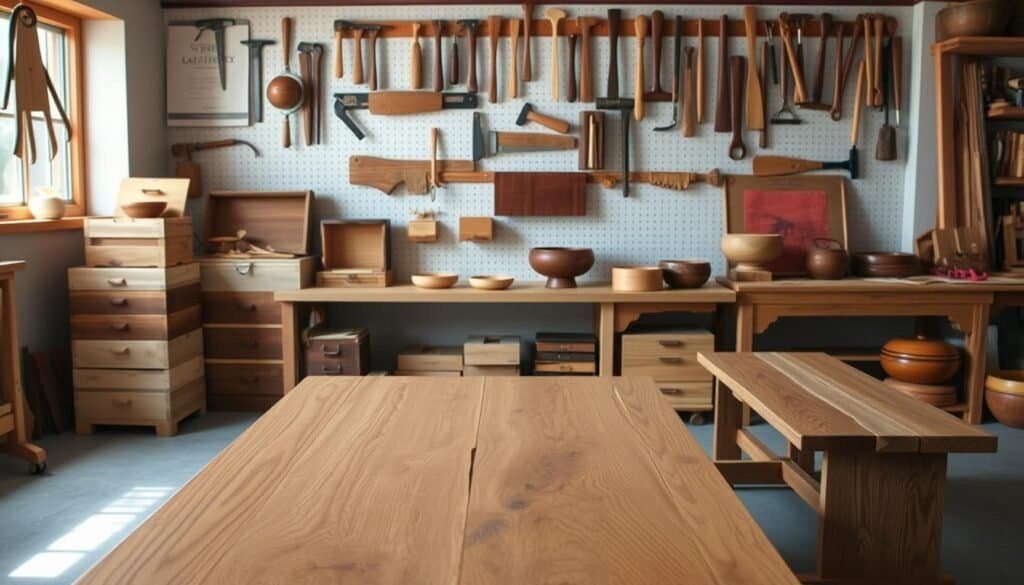
Mixing woods in the living room is an art. It needs careful thought to blend different tones and textures. To make a space look good, think about how to connect different wood tones.
Using floating shelves and wall art is a smart way to mix woods. A light wood shelf can match a dark wood coffee table or side table. This creates a balanced look.
Floating Shelves and Wall Art
Floating shelves are great for showing off items, books, or ornaments. They add depth to the room. Wall art with wooden frames or elements can make the space look cohesive and stylish.
- Use floating shelves to display decorative wooden objects or ornaments.
- Pair floating shelves with wall art that complements the wood tones.
- Consider the scale and proportion of the shelves and wall art to ensure they don’t overwhelm the space.

Decorative wooden objects are key in mixing woods with style. Wooden sculptures, carved wooden bowls, or wooden wall decor add texture and interest. They make the room stand out.
- Choose decorative wooden objects that complement the existing wood tones in the room.
- Mix different textures, such as smooth and carved wood, to add depth.
- Use decorative wooden objects to create a focal point in the room.
By using these strategies, you can make a living room that looks great with different wood tones. The trick is to balance everything so it looks good together.
Bedroom Designs with Contrasting Wood Elements
Adding contrasting wood tones to your bedroom can make it more interesting. Mixing light and dark wood elements brings a unique charm. It shows off your personal style.
To create a balanced look, start with a main wood tone. Then, add contrasting pieces. For instance, a dark wood bed frame can be paired with light wood nightstands or a dresser. This mix creates a beautiful balance.
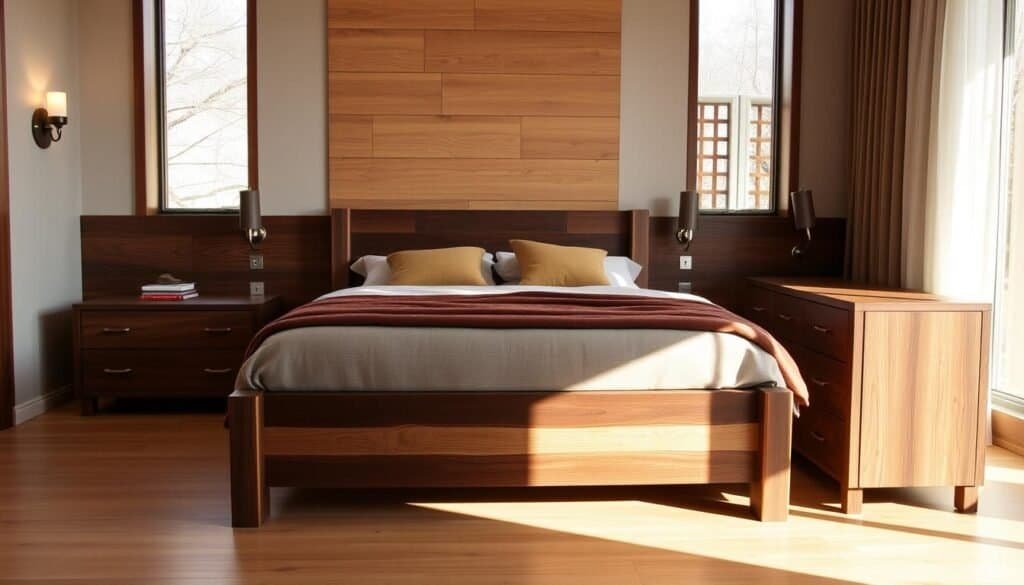
Think about the look you want when mixing wood tones. Warm woods like oak or walnut work well for a cozy feel. For something modern, try ash or beech. For more ideas, check out The Sawdust Man.
Here are some tips for using contrasting wood in your bedroom:
- Start with a neutral base: Use neutral colors on walls and bedding. This creates a calm background for your wood tones.
- Balance warm and cool tones: Make sure your room doesn’t feel too warm or cool. Balance your wood tones.
- Add texture: Mixing textures, like smooth wood and rough beams, adds depth to your bedroom.
By carefully choosing contrasting wood elements, you can make a beautiful bedroom. It can be cozy or modern, depending on your style. Mixing wood tones helps you achieve the perfect atmosphere.
Kitchen and Dining Areas: Blending Wood Tones
To blend wood tones in kitchen and dining areas, planning is key. The goal is to mix different wood tones for a cohesive look.
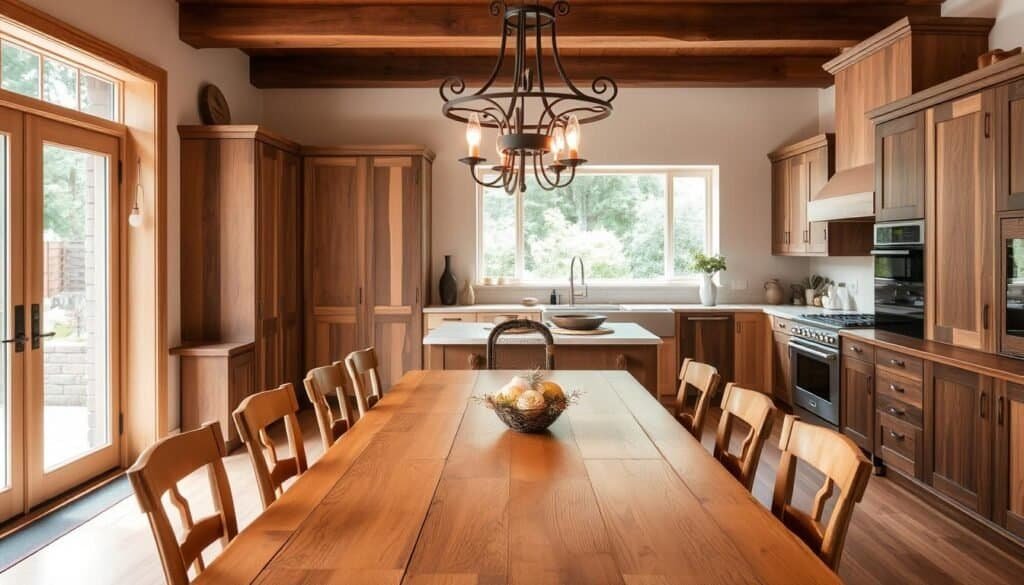
One way to balance wood tones is by mixing dark cabinets with light countertops. Dark cabinets add depth and style. Light countertops bring brightness and openness. This mix makes your kitchen look great.
Dark Cabinets with Light Countertops
For example, dark espresso cabinets paired with light granite countertops look amazing. The dark cabinets bring stability, while the light countertops add brightness and space.
- Choose dark wood species like espresso or walnut for your cabinets.
- Select light-colored countertops such as granite, quartz, or marble.
- Consider adding wooden accents in a tone that complements both the cabinets and countertops.
Light Cabinets with Dark Accents
You can also use light cabinets and add dark accents with furniture or flooring. This makes your kitchen bright and inviting, with a touch of dark wood.
For instance, white or beige cabinets work well with dark hardwood flooring or a dark wooden dining table. This mix adds contrast and warmth to your dining area.
- Select light-colored cabinets to keep the space feeling open.
- Add dark wood accents through furniture or flooring.
- Balance the look with neutral or complementary wall colors.
By carefully blending wood tones, you can make your kitchen and dining area stylish and practical. Whether you choose dark cabinets with light countertops or light cabinets with dark accents, the goal is to find a balance that suits your space.
Complementary Elements to Enhance Mixed Woods
To make a room with mixed wood tones look good, you need complementary elements. These elements help tie the room together. One key way is to pick the right wood and paint colors.
Choosing the right paint color is very important. A neutral paint can balance out different wood tones. A bold color can make a statement. Think about the wood tones’ undertones. Warm woods like oak go well with earthy tones. Cool woods like maple work with calmer shades.
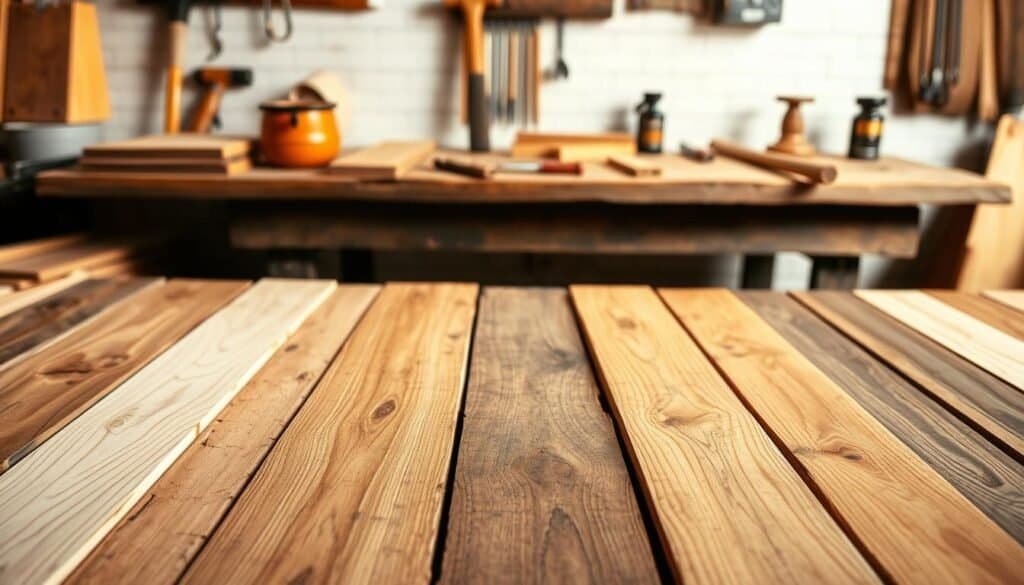
Other decorative items can also make mixed wood decor better. For example, natural textiles like woven baskets or a jute rug add warmth. Metallic accents like brass or copper can add interest.
Some key elements to consider are:
- Natural textiles like rugs and woven baskets
- Metallic accents such as brass or copper
- Greenery or plants to bring in a natural element
- Artwork or decorative pieces that reflect the room’s color palette
By carefully choosing these elements, you can make a space that looks great and feels welcoming.
Conclusion: Creating Your Unique Wood-Toned Space
You can make a special wood-toned space that shows off your style. Mixing light and dark wood tones brings depth and interest to any room. This works well in living rooms, bedrooms, or kitchens.
A stylish wood tone living room might have oak and walnut furniture. Adding walnut and white accents can make it sleek and modern. Or, a walnut and white living room can give a clean, modern look.
Think about the look you want for your space. Balance your wood tones to create harmony. With some creativity, you can make a beautiful space that highlights your favorite wood tones.
Whether you prefer a classic oak and walnut look or a modern walnut and white design, the goal is to find a balance that suits you.