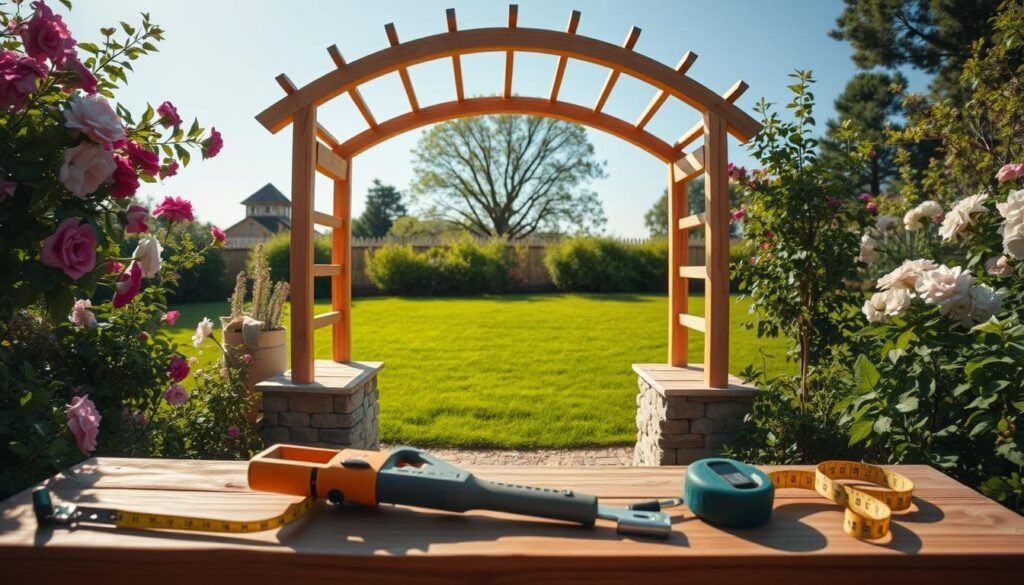
Imagine walking into green spaces through stunning wooden portals. This DIY project offers fresh outdoor landscaping ideas for any home. Building decorative garden structures creates instant charm and elegance for any property owner.
This garden archway design serves as a grand focal point. It welcomes guests while providing strong support for climbing roses or ivy. Lush vines add rich texture and natural beauty to this landscape.
Starting this backyard entrance transformation improves curb appeal quickly. Stable posts and wind resistance ensure long-lasting beauty. Make this property stand out with simple construction steps and basic tools.
These features define boundaries and guide visitors through paths. Wood or metal options provide durability and style. Enjoy crafting beautiful spots that highlight natural plant growth throughout every season.
Homeowners appreciate how these gateways lead into secret hideaways. Every detail adds value and serenity to every outdoor area. Planning today leads to better results tomorrow.
Key Takeaways:
- Enhance home aesthetics using elegant wooden frames.
- Provide sturdy support for beautiful climbing plants.
- Create welcoming atmosphere with simple building steps.
Planning Your Garden Archway Project
A well-planned garden archway can make your backyard look amazing. It can really improve the look of your outdoor space. You need to think about a few things, like where to put it, how big it should be, and what it should look like.
Key Considerations for Planning:
- Check if your garden’s style fits with the archway.
- Choose the plants you want to grow on or around it.
- Think about what look you want your garden archway to have.
Thinking about these things helps you make a garden archway that makes your backyard look better. It’s important to plan well for a garden feature installation that makes your backyard beautification better.
Here are some more tips:
- Measure your space to find the perfect size for your archway.
- Choose materials and designs that match your garden’s style.
- Use your archway to draw attention to a special part of your garden.
Choosing the Perfect Location for Maximum Impact
The spot you pick for your garden archway is key. It can be a stunning centerpiece, guiding the eye to a special part of your garden. Think about your garden’s flow and how people will see the archway from different spots.

A whimsical garden loves unique touches, and your archway is a big one. Place it at your garden’s entrance or use it to highlight a beautiful view or statue.
Height Considerations for Walkthrough Comfort
The archway’s height is important for comfort. It should be tall enough for easy walking, without feeling too tight. Aim for a height of 7-8 feet for a comfortable stroll.
Width Requirements for Garden Access
The archway’s width matters too, for easy garden access. A width of 4-6 feet works well, allowing for easy movement and upkeep. If it’s a main entrance, consider a wider archway for bigger groups or tools.
Choosing the right spot, height, and width for your archway makes it a standout feature. It adds beauty and function to your creative garden ideas. It also welcomes visitors to your outdoor space. Whether you’re into garden diy ideas or just looking for inspiration, a well-placed archway can really make a difference.
For container gardening fans, a garden archway is a great way to show off your plants. It adds interest and beauty to your garden.
Selecting Materials That Match Your Garden Style
Choosing the right material for your garden archway is key. It affects how it looks and lasts. The material should match your garden’s style, whether it’s modern, traditional, or a mix.
Natural wood is a favorite for garden archways. It looks great and fits well with the garden. But, it’s important to know its pros and cons.
Pros and Cons of Natural Wood
Natural wood adds a warm, organic feel to your garden. It makes your garden look welcoming. Plus, it’s easy to design with, allowing for many styles.
- Pros:
- Looks natural and warm
- Can be stained or painted to fit your decor
- Good for the environment if sourced right
- Cons:
- Needs regular care to avoid damage
- Can cost more, depending on the wood
- May not last as long as other materials
Cost Comparison of Wood Types
Wood prices vary a lot. Cedar and redwood are pricier because they resist rot and insects well. Pine and spruce are cheaper but less durable.
When planning your outdoor projects, think about cost, durability, and upkeep. Here’s a quick look:
| Wood Type | Cost | Durability |
|---|---|---|
| Cedar | High | High |
| Pine | Low | Medium |
| Redwood | High | High |
Looking for something other than wood? Metal and vinyl are good alternatives. They need less care and last longer. They’re perfect for adding a modern touch to your garden.
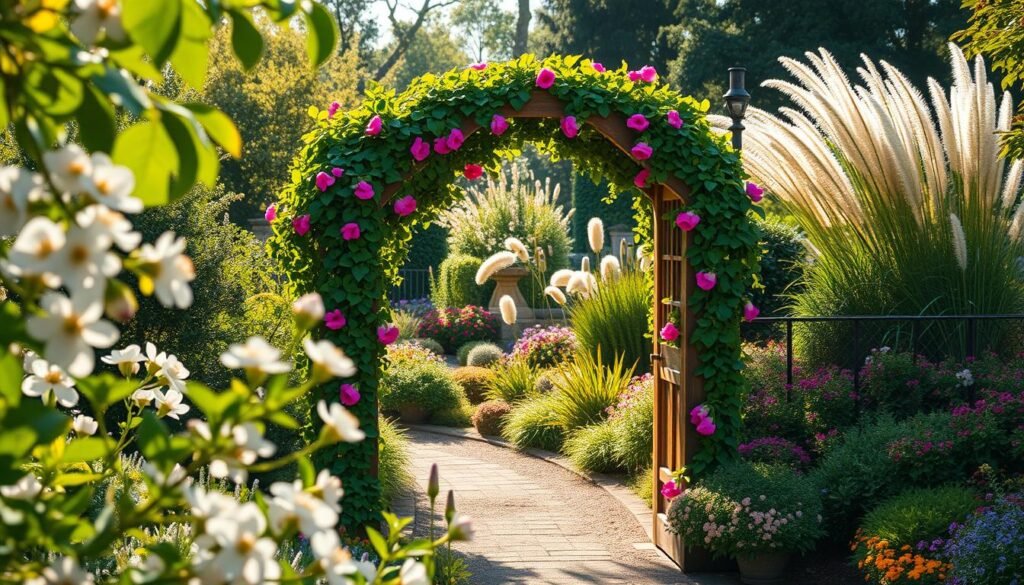
The right material depends on your needs, budget, and garden style. By thinking about these, you can make a beautiful and useful garden archway. It will make your outdoor space even better.
Exploring Design Styles for Your Backyard Entrance
A garden archway is more than just an entry point. It’s a chance to add character and charm to your outdoor space. You can choose from modern, sleek designs or traditional, rustic ones. Your garden archway can match your garden style perfectly.
If you like something different, try adding garden folly elements. Use reclaimed wood or used tires to make a unique archway. It will become a highlight of your garden.
Incorporating Garden Folly Elements
Garden follies are decorative structures that add interest without serving a purpose. You can add a miniature farmstand or a quirky sculpture to your archway. Hang old farm tools or other items to make it personal.
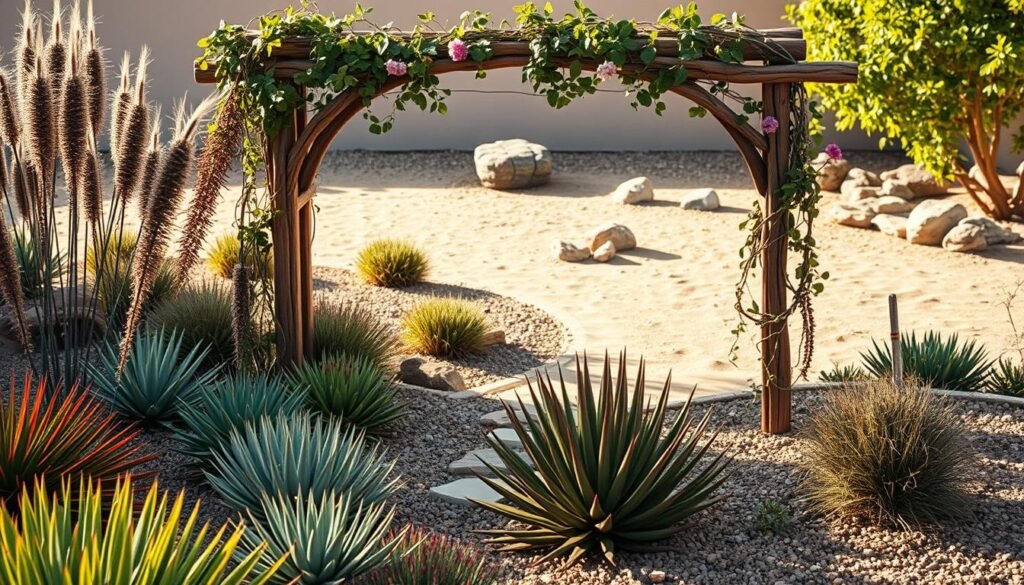
To make your archway stand out, add artistic touches. Use foundation planting around it with plants that match its design. For a dry garden, choose plants that don’t need much water.
Consider using your archway to support climbing plants. This adds a lush, green feel to your entrance. By picking the right plants, you can make a beautiful entrance that shows off your style.
The design of your garden archway should match your garden’s look and your taste. Think about garden folly, artistic touches, and plants that complement it. This way, you can create a unique and welcoming entrance to your garden.
Building the Foundation and Support Structure
A stable garden archway starts with a solid foundation and support. A strong base keeps your archway standing tall, even when the weather gets tough.
First, dig holes for the support posts. How deep these holes are is key to your archway’s stability.
Recommended Hole Depth for Stability
The hole depth depends on your archway’s height and the soil type. A good rule is to make the hole one-third the post’s height above ground.
- For an 8-foot archway, holes should be 2.5 feet deep.
- In loose or sandy soil, dig deeper for more stability.
- Always check local building codes for specific needs.
Using Post Hole Diggers and Augers
For efficient hole digging, use a post hole digger or an auger. Each tool has its own benefits.
- Post Hole Diggers: Great for small projects, they offer precise control.
- Augers: Better for big projects, they dig deeper with less effort.
Choose based on your project size and preference. For DIY archways, a post hole digger usually works well.
A japanese rain chain brings elegance to your garden’s drainage. A solid foundation does the same for your archway. Adding hanging planters outdoor around it enhances your garden’s look.
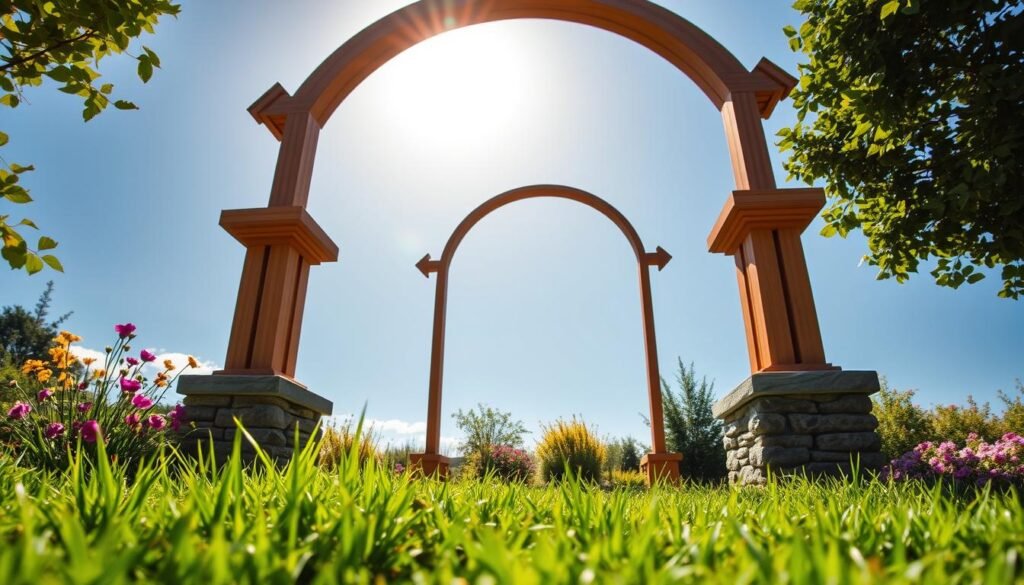
A strong foundation lets you add pretty touches like a bird fountain or pond flowers. This creates a peaceful and welcoming garden space.
Constructing the Archway Frame and Crossbeams
Starting your DIY garden archway project means building the frame and crossbeams. This is where your archway starts to look like something real. It’s key to do it right for both looks and strength.
The frame and crossbeams are more than just support. They also add to your garden’s look. You can make curved arches or straight ones, depending on your style and materials.
Creating Curved Arches with Flexible Materials
Flexible materials like wood or metal are great for curved arches. Flexible wood, such as cedar or willow branches, can be bent into shape with wire or screws. For lasting curves, metal rods or pipes work well.
- Choose materials that are flexible and can be shaped without breaking.
- Use a template or form to achieve a consistent curve.
- Secure the curved beams in place with appropriate fasteners.
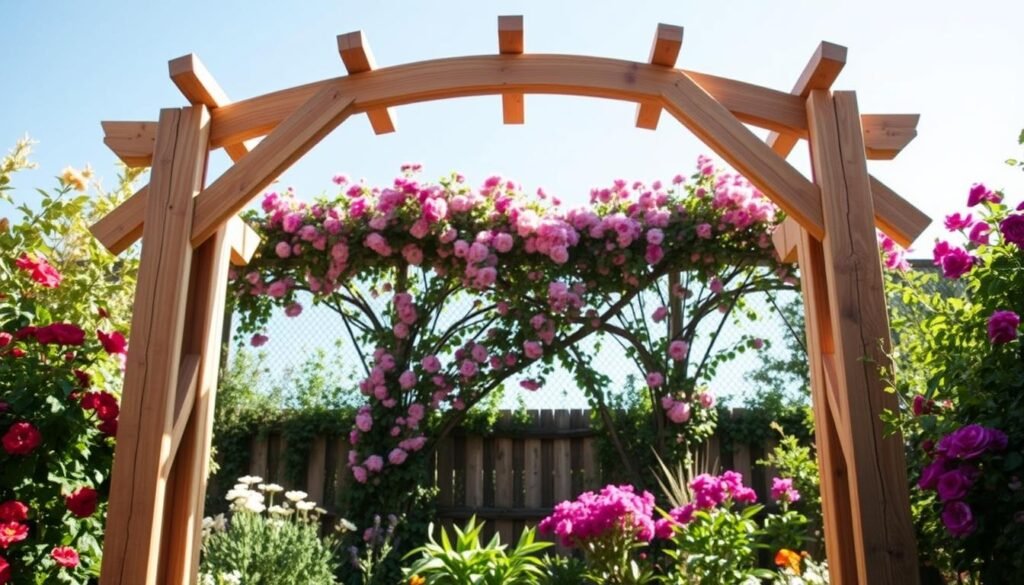
For a traditional or modern look, go for straight beams. This needs careful measuring and cutting for perfect fits. Using high-quality wood or metal for your straight beams makes a strong and nice archway.
- Measure and cut your beams to the required length.
- Use appropriate joinery techniques, such as mortise and tenon or screws, to secure the beams together.
- Ensure that the corners are square and the structure is level.
Choosing the right materials and methods is key for a great garden archway. Whether curved or straight, it will make your garden entrance stand out. Don’t forget to add cute garden labels or homemade plant labels to make it even more special.
A Garden Archway Can Change the Feel of Your Backyard Entrance
Adding a garden archway can make your backyard entrance more welcoming. The right design and materials can turn it into a stunning feature. It becomes a beautiful focal point, guiding your eye to the garden entrance.
Just as popsicle stick garden markers and garden name tags add a personal touch, a garden archway elevates your outdoor space. You can make it even more beautiful by adding climbing plants and flowers. Use plant labels diy or popsicle stick garden labels for a charming, rustic look.
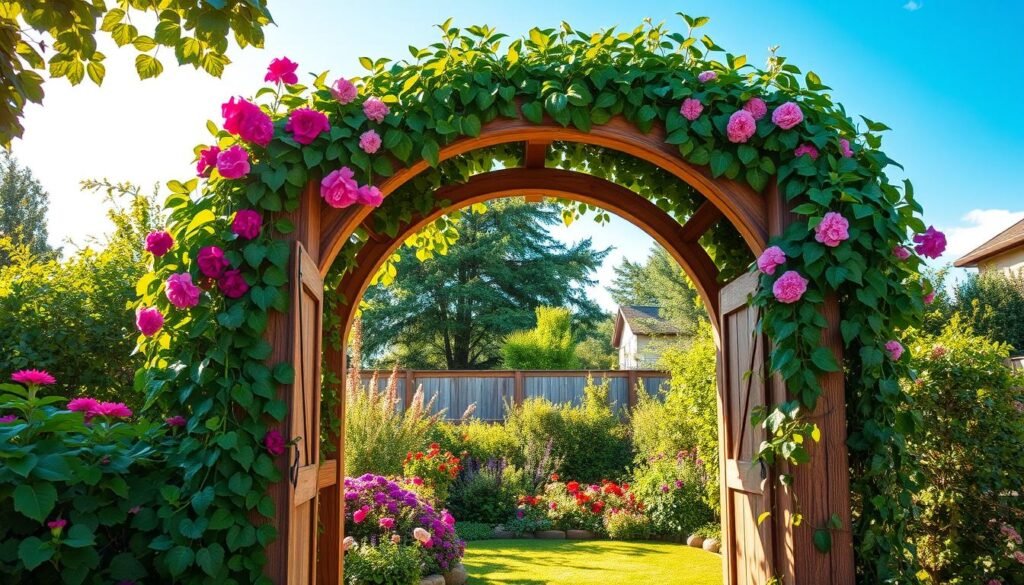
A well-designed garden archway can also make your garden feel grander. It can make your backyard entrance look more expansive. This way, you create a beautiful, inviting space that shows off your personal style.
Selecting and Training Climbing Plants
The right climbing plants can make your garden archway a stunning centerpiece. They add beauty and texture, making your backyard feel lush and welcoming.
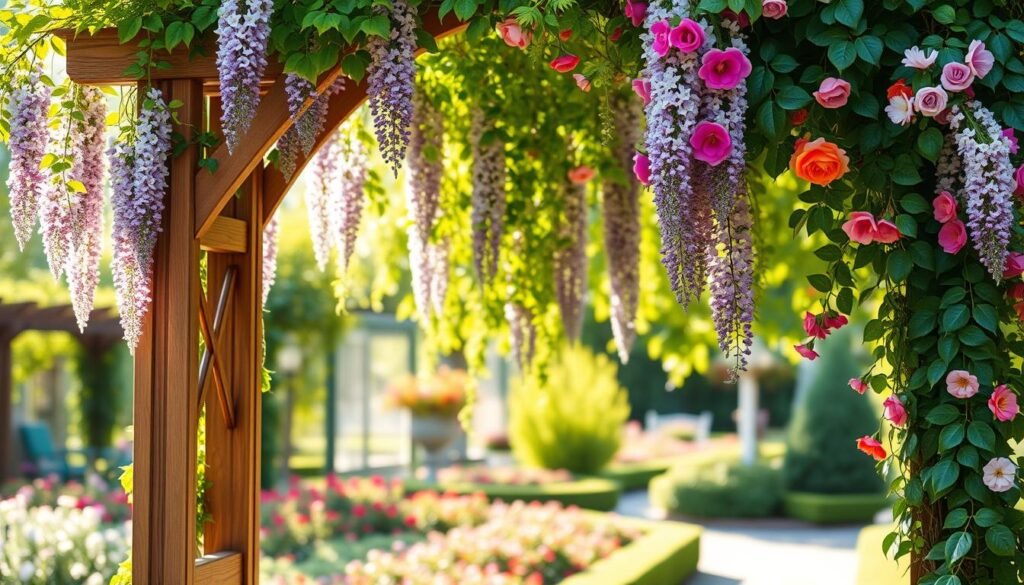
Choosing climbing plants depends on your garden style and what you like. For a classic look, think about clematis, roses, and flowering vines. These plants are beautiful and easy to train on your archway.
Clematis, Roses, and Flowering Vines
Clematis comes in many colors and blooms at different times, making it a great choice. Roses add a romantic feel, and flowering vines like morning glories bring vibrant colors to your garden. Make sure to give them the right support and training.
- Clematis: Prune in early spring to encourage new growth.
- Roses: Regularly deadhead to promote continuous blooming.
- Flowering Vines: Train them gently around the archway for even coverage.
Fast-Growing Options: Wisteria and Honeysuckle
Wisteria and honeysuckle are fast-growing and perfect for quick coverage. They need regular pruning to stay in check, which is great for small gardens.
- Wisteria: Prune twice a year to maintain shape and promote flowering.
- Honeysuckle: Regular pruning helps to control its vigorous growth.
Adding Finishing Touches and Decorative Elements
Make your outdoor space better with decorative elements that match your garden archway. The right touches can turn your garden into a cozy spot for relaxation or fun.
Enhance the ambiance of your garden with string lights or pathway lighting. These lights not only show off your archway but also make your garden warm and inviting at night.
String Light Installation Ideas
String lights can go over your archway or along the path to it. Think about using solar-powered lights for a green choice.
- Wrap string lights around the archway frame for a whimsical touch.
- Hang them above the pathway to create a magical ambiance.
Pathway Lighting for Evening Ambiance
Pathway lighting helps visitors find their way through your garden. You can pick from many styles, like solar-powered stake lights or low-voltage LED lights.
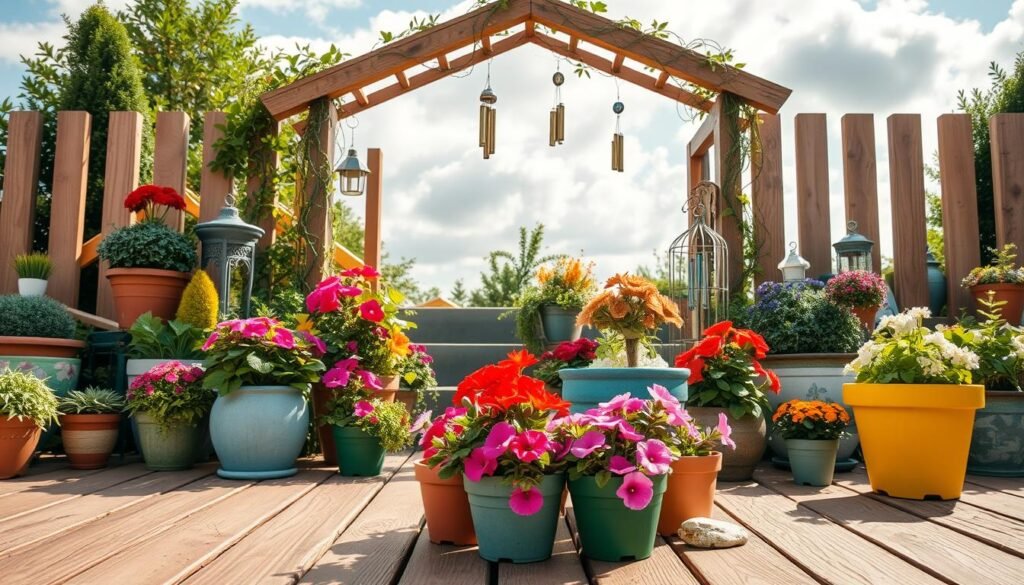
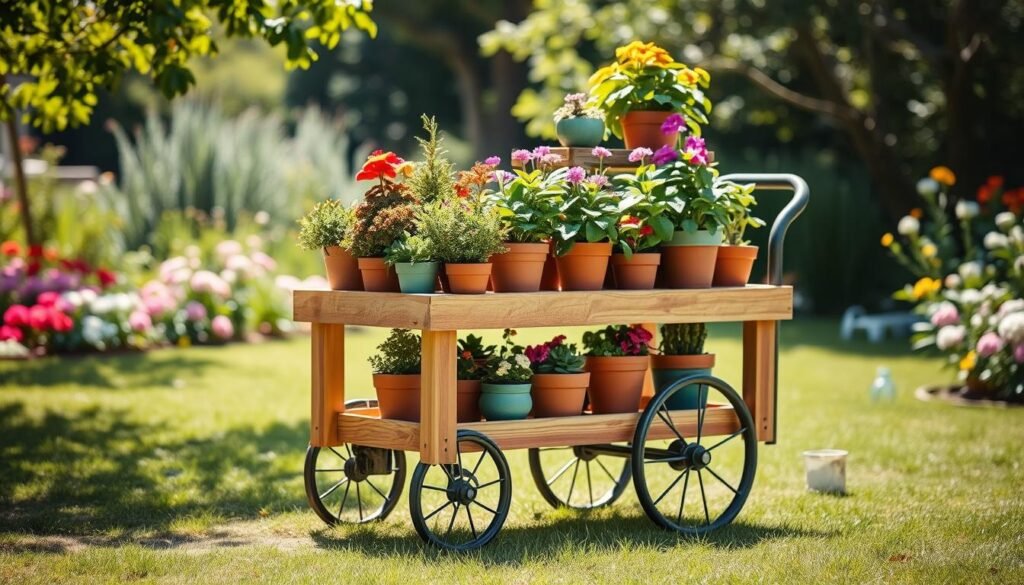
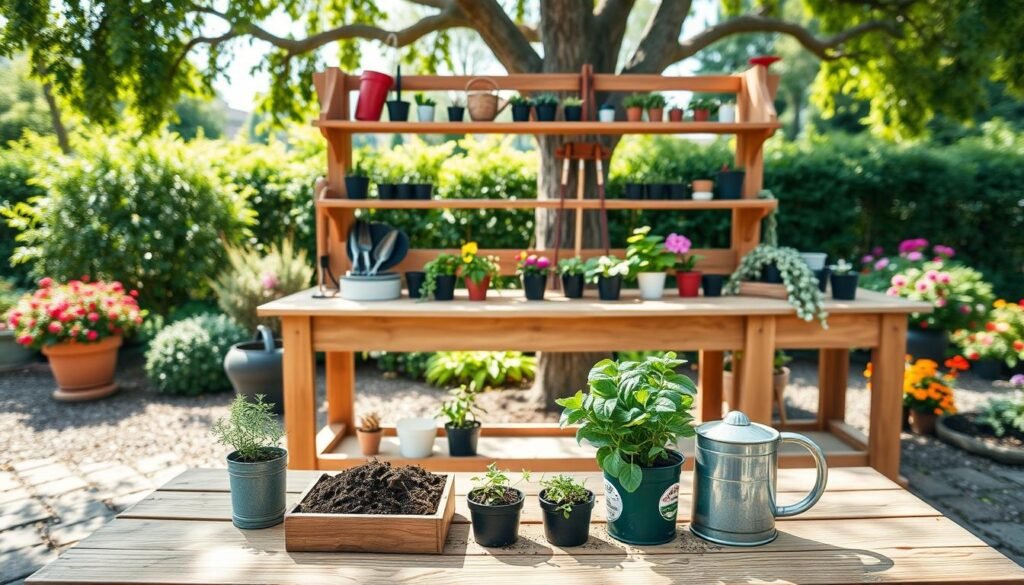
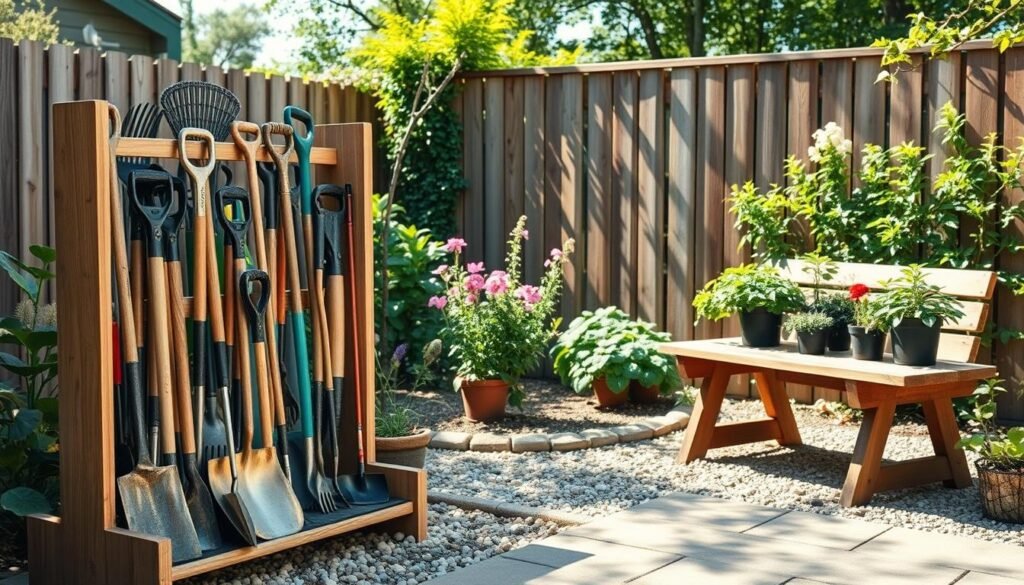
Add to your garden archway with outdoor pots ideas and cute herb garden ideas and a DIY tool organizer
. Put decorative pots and planters around the archway to bring color and texture.
For a unified look, pick elements that fit your garden style. Choose wooden decorations for a rustic vibe or modern metalwork for a sleek look. This will match your wooden projects diy and house yard ideas.
Conclusion
Building a DIY garden archway is a fun project that can make your outdoor area look better. It creates a beautiful entrance to your garden. By following the steps in this article, you can make a stunning feature that adds value and beauty to your garden.
You can make your garden archway even more special. Add a small outdoor herb garden or use wood pallet planters. These ideas bring greenery to your outdoor decor. You can also try garden decor projects like a pallet garden to make your space unique.
With a bit of creativity and some basic materials, you can make a breathtaking garden archway. It will be the highlight of your outdoor oasis. So, start your DIY project today and enjoy the beauty and peace it brings to your garden.