Creating a personal home vegetable garden brings many rewards. Building your own frame lets you control soil quality and drainage. This ensures your plants grow well all season long. Many people love raised beds for vegetable gardening because they create the best environment for plants.
Vegetable garden beds turn a simple backyard garden vegetable area into a top-notch zone. Using quality materials makes your backyard raised garden last for years. These structures help fight weeds and keep soil loose for better root growth.
Learning to grow your own garden vegetable crops adds fresh flavors to your meals. With some planning and the right tools, you can create a productive space in your yard. Begin your journey today and enjoy the joy of harvesting your own food.
Why This Raised Bed Setup Just Works — See Why
If you want to grow more veggies with less work, check out this raised bed setup just works. These beds offer a controlled space for plants to flourish, no matter your soil. They also help with drainage and warm soil sooner in spring.
There are many raised garden bed ideas for all skill levels, making diy raised bed gardening easy for everyone. You can adjust these frames to fit any space, from small patios to big backyards. Starting small helps beginners learn without feeling too much.
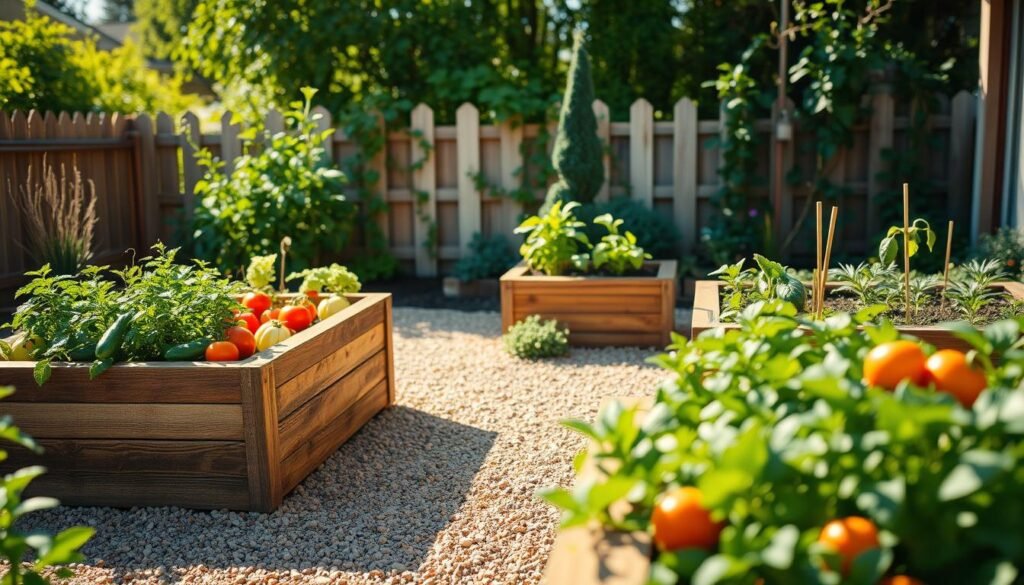
Looking at raised bed ideas, you’ll see pros focus on both looks and function. These designs improve root health and make weeding or harvesting easier. You can get to the center of your plants without stepping on the soil.
Finding the right raised garden bed inspiration completes your garden. Once you grasp the basics, you can build a lasting system. Consistency and planning are key to a successful harvest.
Essential Benefits of Raised Garden Beds for Home Growers
Why are many people choosing above ground gardening for their vegetable patches? It’s because these setups are efficient and offer control. When starting a food garden, you want a system that supports you.
Many find raised beds great for both beginners and experts. Elevating your garden lets you control the soil and plant health. You can avoid bad soil conditions.
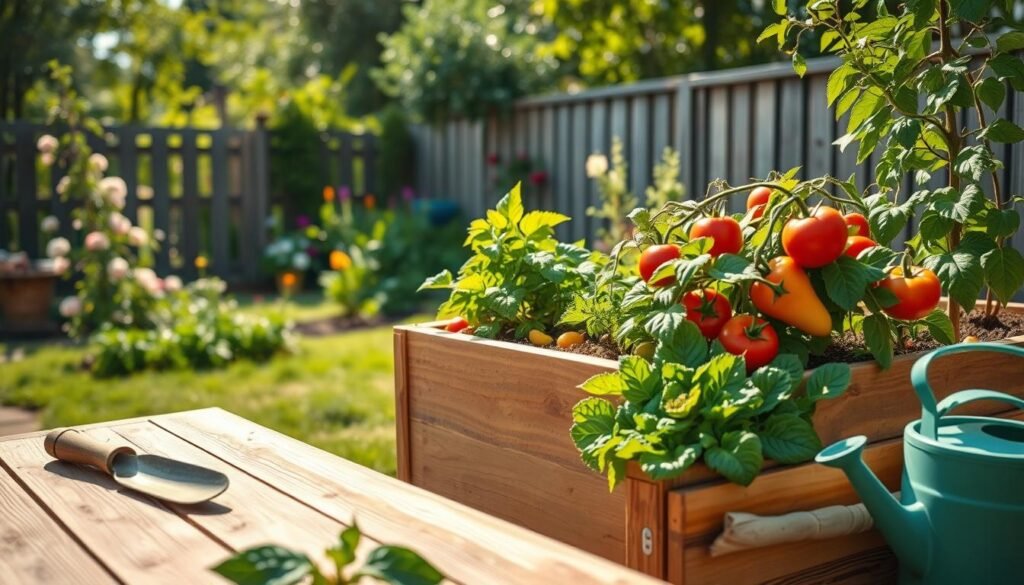
The benefits of raised garden beds go beyond looks. They solve common problems that can lead to burnout. Here are the main advantages:
- Improved soil drainage: Water flows away, preventing root rot and keeping plants healthy.
- Reduced weed pressure: Fresh soil means less weeds, making it easier to manage.
- Easier access: The beds’ height makes planting and harvesting more comfortable.
Choosing above ground gardening lets you create the perfect spot for veggies. You can adjust the soil for your crops, leading to better food garden results. This precision is key to successful diy raised bed gardening.
These structures make caring for your plants easier. A well-made frame sets you up for a productive season. The benefits of raised garden beds make diy raised bed gardening a great choice for backyard growers.
Selecting the Best Materials for Your DIY Garden Bed
When you start planning your diy garden beds, the material you choose makes all the difference. The right choice ensures your structure lasts for years while keeping your soil and plants safe from harmful chemicals.
Cedar is a popular choice because it is naturally resistant to rot and insects. While it carries a higher upfront cost, its longevity makes it a smart investment for a long-term diy garden bed.
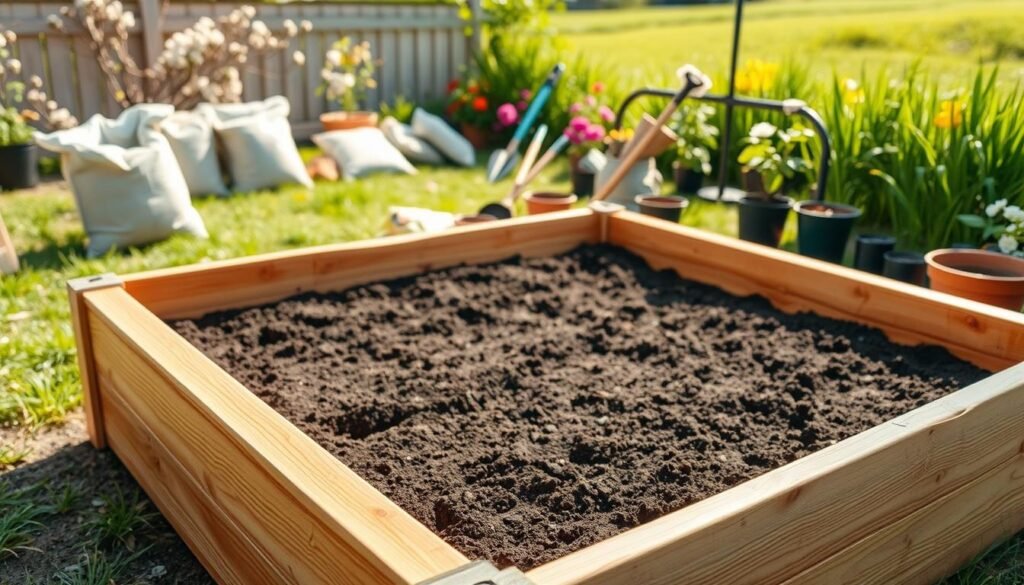
If you are looking for a diy raised garden bed cheap easy, untreated pine is a fantastic alternative. You can extend its life by applying a food-safe sealant or using a plastic liner to prevent direct contact with the soil.
For those who prefer a modern look, composite materials offer a durable, low-maintenance solution. While these are not always the most budget-friendly, they provide a clean aesthetic and excellent weather resistance.
- Cedar: Best for natural durability and beauty.
- Untreated Pine: Best for a cheap easy diy raised garden bed.
- Composite: Best for long-term, low-maintenance gardening.
Building a diy easy raised garden bed does not have to break the bank. You can often find reclaimed wood or cedar scraps at local lumber yards to keep your costs down.
Ultimately, the best easy diy raised garden bed is one that fits your specific needs and budget. Whether you choose wood or composite, your diy raised garden box cheap easy will provide a wonderful home for your vegetables.
Planning Your Efficient Raised Bed Design and Layout
A well-planned raised garden layout turns your outdoor space into a productive haven. Good garden planning is key to a dream veggie garden. It lets you use every inch of your soil well. An efficient raised bed design ensures your plants get the care they need to grow well.
Whether you have small vegetable gardens or big huge garden ideas, the same rules apply. Focus on easy access and sunlight to bring your veggie garden ideas to life. A well-organized layout stops overcrowding and makes upkeep simpler.
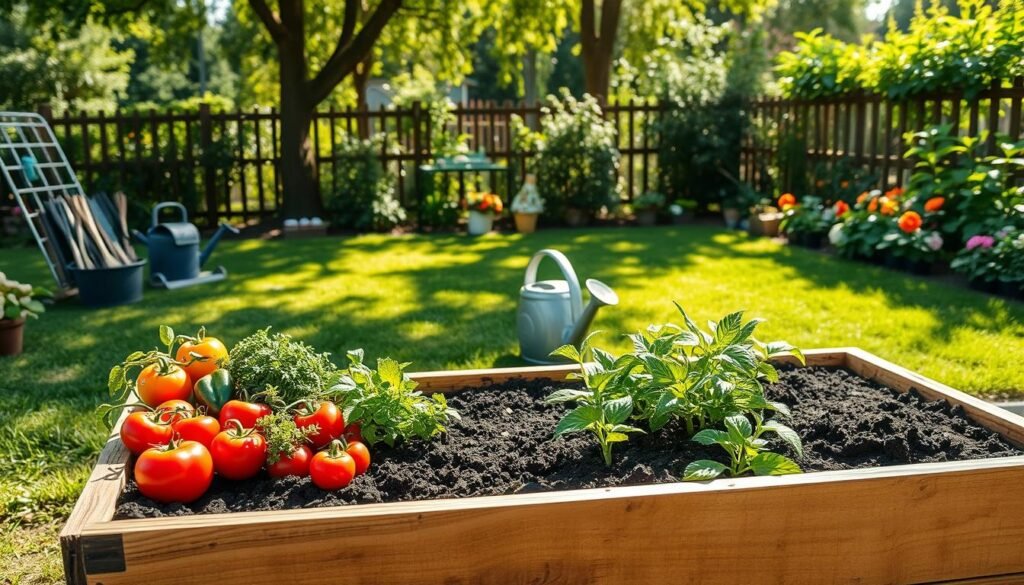
Using garden design permaculture can really increase your harvest. Many growers use a garden farm design for a self-sustaining garden. Here are some key tips for your layout:
- Place your beds in a north-to-south orientation to capture maximum sunlight.
- Keep pathways at least three feet wide to allow for wheelbarrow access.
- Group plants with similar water requirements together to save time.
- Install vertical supports on the north side of the bed to avoid shading smaller crops.
When designing your vegetable garden, think about how you move through it. A well-thought-out raise bed garden design keeps tools and water close. This level of organization is what makes a home grower successful.
For those focused on cooking, a kitchen garden layout raised beds approach is best. You can put raised kitchen garden beds near your back door for easy access to fresh herbs. A dedicated raised bed kitchen garden lets you try high-yield varieties. A specific raised bed kitchen garden design keeps your kitchen garden raised beds both beautiful and productive.
If you need inspiration, look for a raised garden bed example plan that fits your yard. Many follow a gardenary garden style, which focuses on structured, beautiful, and functional planting zones. By using these methods, you can create a garden that gives your family fresh food all season.
Step-by-Step Guide to Building a Cedar Raised Garden Bed
Building a DIY cedar raised garden bed is simpler than you think. Cedar is great for DIY garden beds because it fights off rot and bugs. This DIY garden trellis tutorial will guide you to make a sturdy frame for your veggies.
First, collect your cedar boards, screws, and a drill. A key raised bed construction tip is to level your site before starting. A level frame stops soil erosion and helps water reach your plants evenly.
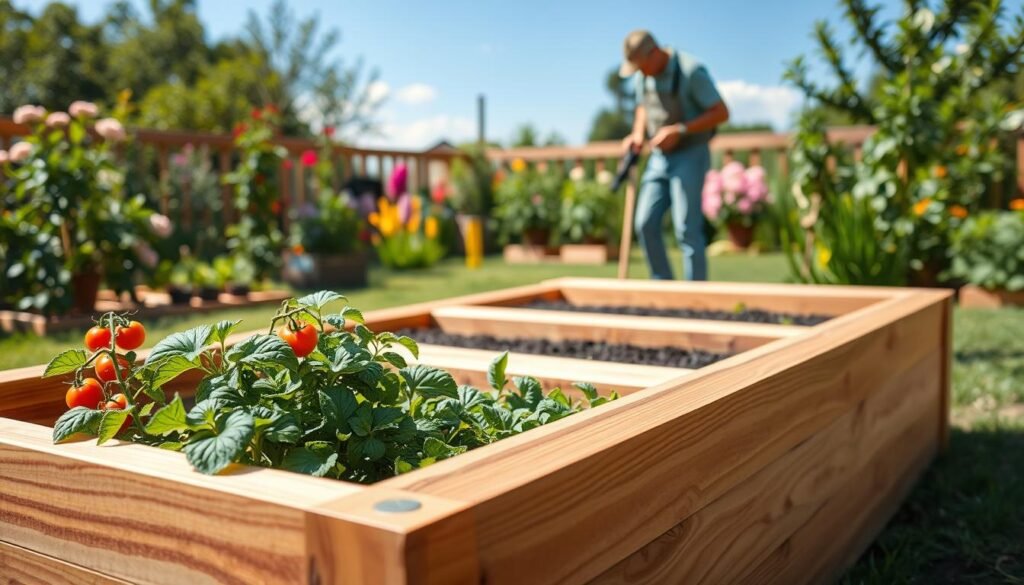
To make a basic rectangular frame, follow these steps:
- Measure and cut your cedar boards to the right size for your garden boxes.
- Drill pilot holes at the ends of each board to avoid splitting during assembly.
- Use 4×4 cedar posts for the corners for extra stability, a secret for how to make a garden box.
- Check the frame with a level as you attach each side to keep it aligned.
For an l-shaped raised garden bed, the steps are similar but you’ll join three sections at the corners. This design is great for using corner spaces and making your DIY raised garden easy to access from all sides.
When doing raised beds DIY, remember to focus on strength. Use high-quality, rust-resistant screws to keep your DIY raised beds strong against wet soil. By following these steps on how to make garden boxes, you’ll create a useful and beautiful space for your garden for years.
Creative Ideas for Brick and Stone Raised Garden Beds
Make your landscape stand out with masonry garden structures. Brick and stone give a permanent and architectural look that lasts. They keep soil temperatures stable for your veggies.
Looking for raised garden bed ideas that are both beautiful and functional? Try a backyard garden with a brick retaining wall. It creates a tiered look, separating plants and adding depth. A well-made raised garden brick structure can be the centerpiece of your outdoor space.
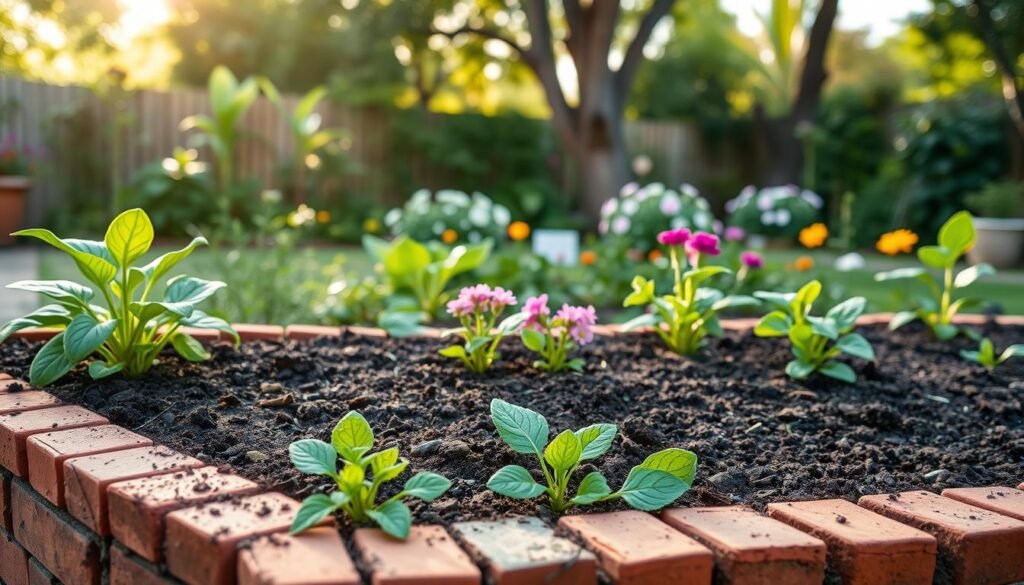
Want to try a diy brick garden bed? Start with a simple rectangular shape. Stacking bricks makes a sturdy frame that needs little upkeep. It’s great for beginners in masonry work.
When planning your garden, think about mixing brick with plants for a lush look. Trailing herbs or flowers along the brick edges soften its lines. This mix of stone and greenery is perfect for any home gardener.
Whether you like simple or complex designs, these structures are durable. A well-built brick garden bed won’t rot or warp, lasting many seasons. Explore these ideas to make a garden that’s as beautiful as it is productive.
Optimizing Soil Mix for Thriving Vegetable Garden Beds
The secret to vibrant vegetable garden beds is in the quality of your growing medium. A high-quality raised bed soil mix is like the lifeblood of your plants. It gives them the nutrients and structure they need to grow well. Without good drainage and aeration, even the most expensive seeds won’t do well.
To create the perfect environment for your garden vegetable crops, aim for a balanced blend of organic materials. A well-draining mix prevents root rot and keeps moisture available during hot summer days. Focus on these core components to build a foundation that supports vigorous growth:
- Compost: Provides vital nutrients and improves soil structure.
- Topsoil: Offers a stable base for root development.
- Organic Matter: Enhances water retention and microbial activity.
- Perlite or Vermiculite: Improves aeration and drainage for healthy roots.
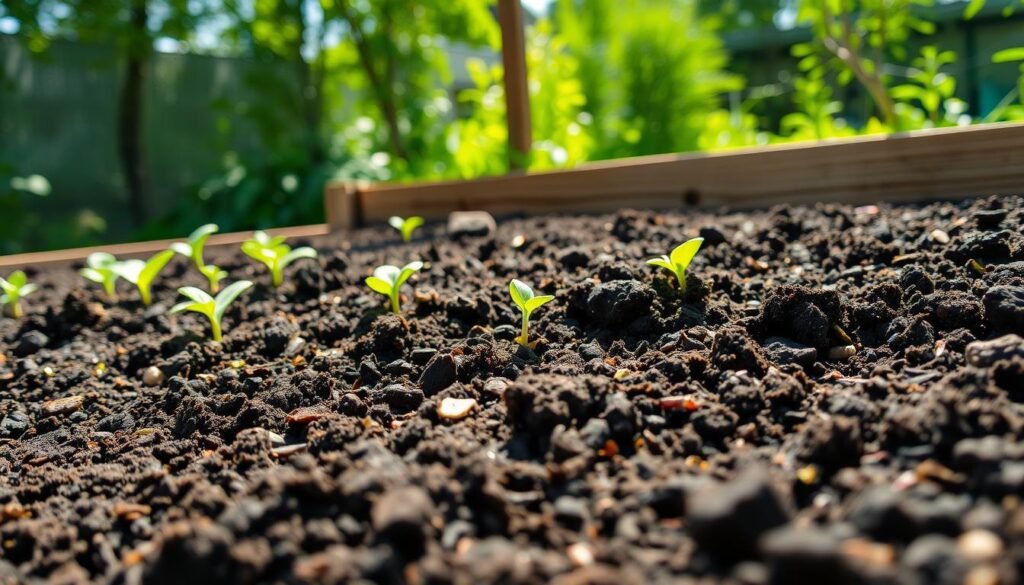
Proper soil management is key for maintaining healthy garden beds vegetable all season. Regularly add fresh compost in the spring to replenish nutrients. This simple practice keeps your vegetable garden beds fertile and productive year after year.
By focusing on the biological needs of your plants, your raised bed soil mix will support high yields. A healthy garden vegetable patch is not just about the plants you see above ground. It’s also about the complex ecosystem thriving beneath them. Investing time in your soil today will pay off with a bountiful harvest in your garden beds vegetable.
Integrating Trellises and Arches for Vertical Gardening
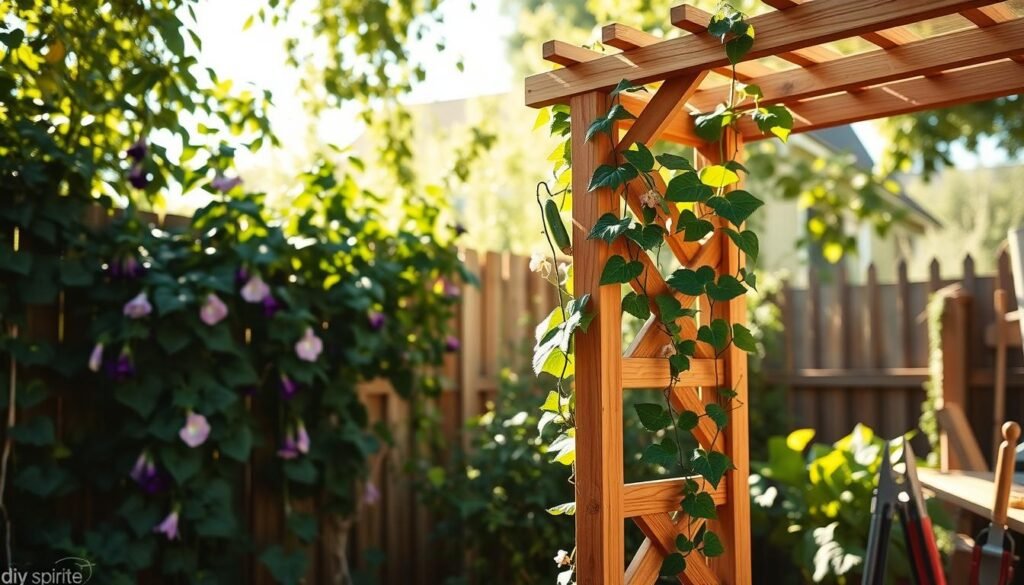
Turning your backyard into a productive oasis is easier when you think vertically. A sturdy veggie garden arch helps guide climbing plants like cucumbers and pole beans upward. This saves space for other crops.
For a more substantial structure, consider a vegetable garden pergola. A well-built vegetable pergola supports heavy vines and creates a shaded walkway. It turns your garden into a functional and beautiful outdoor room.
If you live in areas with unpredictable weather, look into covered garden ideas. You can build raised covered garden beds with removable netting or plastic covers. These protect sensitive seedlings from harsh sun or frost.
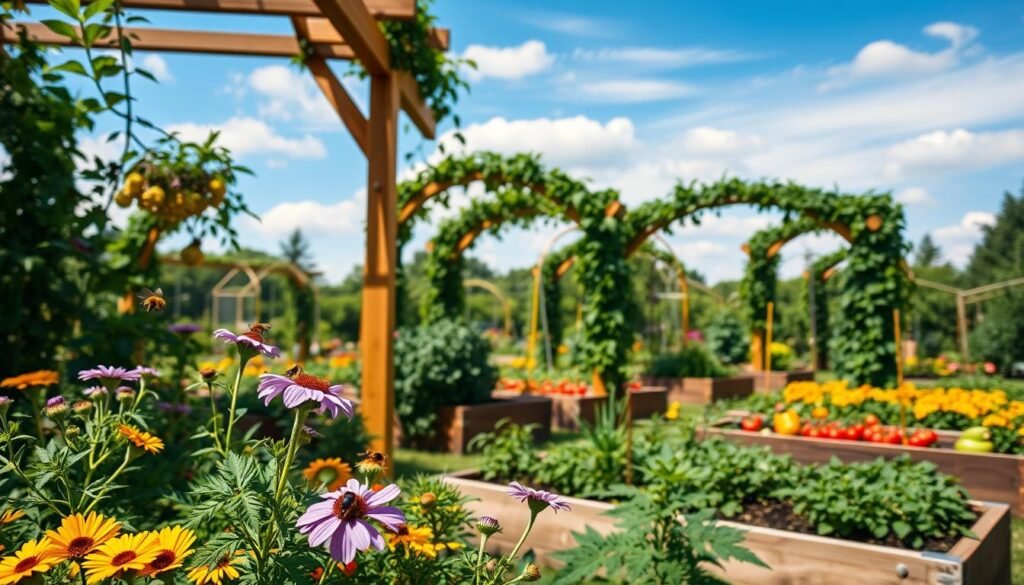
Adding a vegetable garden with trellis and flowers creates a stunning display. A vegetable garden with arch supports invites pollinators into your space. This mix of beauty and utility makes your garden thrive all season.
A pergola vegetable garden is both a reliable support and a striking focal point. It adds depth to your landscape design and keeps plants healthy and accessible. Vertical gardening is the best way to elevate your home growing experience.
Adding Aesthetic Touches with Lighting and Pollinator Plants
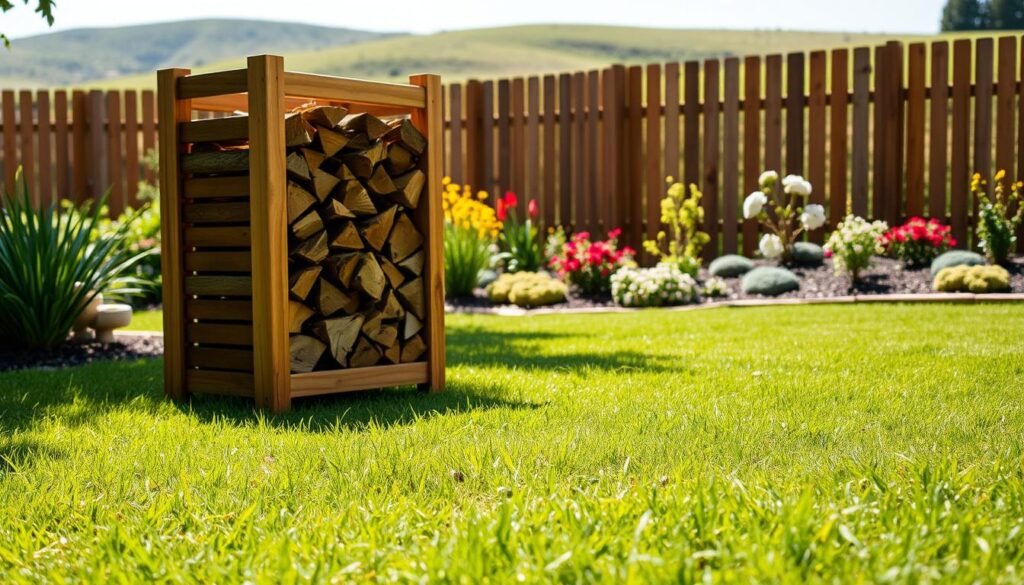
You can make your outdoor garden firewood rack come alive with sensory details. Turning a simple area into a dream vegetable garden backyard needs both function and beauty. Creative garden beds ideas keep your space both useful and beautiful all year.
Vegetable garden lighting lets you enjoy your harvest at night. Use raised garden beds with lights like solar-powered LEDs or low-voltage path lights. They add safety and a cozy feel for evening strolls.
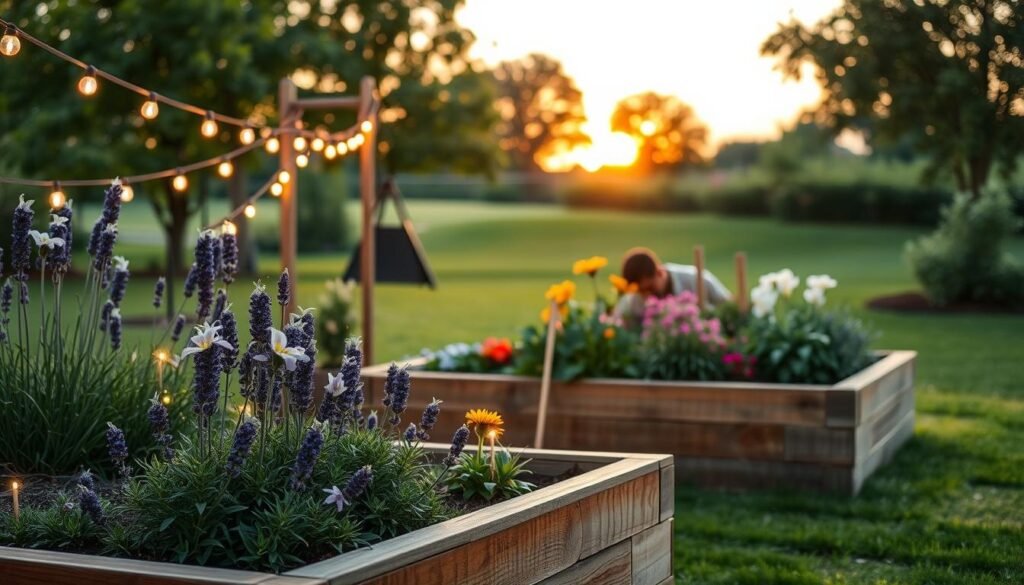
A vegetable garden with trellis and flowers is a vertical wonder. Climbing plants like jasmine or sweet peas add height and scent. This makes your garden more interesting and uses space well.
To get a cottage vegetable garden aesthetic, focus on pollinator-friendly landscaping. Plant native flowers with your veggies to support local bees and butterflies. Here are some key plants for a lively garden:
- Lavender: It attracts pollinators and smells wonderful.
- Marigolds: They keep pests away and brighten up your garden.
- Coneflowers: They bloom for a long time and attract many insects.
- Borage: Its star-shaped flowers are a favorite of bees.
By adding these touches, you make a garden that’s good for your kitchen and your senses. A well-designed garden is like a living piece of art that changes and grows every month.
Tips for Maintaining Your Backyard Vegetable Garden Year-Round
To keep your vegetable garden thriving, follow a consistent routine that changes with the seasons. Stay proactive with your maintenance to keep your raised beds for vegetable gardening productive all year.
Focus on soil health first. Every spring and fall, add organic compost to replace nutrients used by plants. This simple step keeps your diy raised garden soil ready for new seeds.
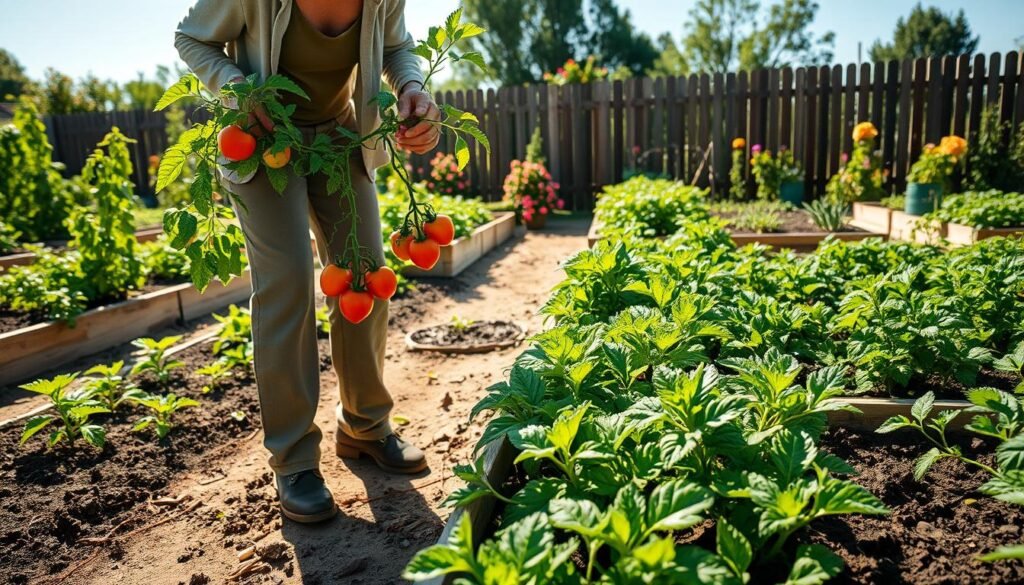
Mulching is key for managing your backyard garden vegetable space. Use straw or shredded leaves to keep moisture in during hot summers and stop weeds. This protects delicate roots from extreme temperatures.
Regularly check your raised beds diy structures for damage. Look for signs of wear or rot, like after heavy rain or snow. Keeping your diy raised beds in good shape prevents failure and keeps your garden looking neat.
Here are some seasonal tasks to keep your veggie garden in top shape:
- Prune overgrown herbs and vegetables to encourage better airflow and prevent disease.
- Winterize your beds by clearing out dead plant debris before the first frost arrives.
- Rotate your crops annually to prevent soil-borne pests from settling in one spot.
- Monitor irrigation systems to ensure water reaches the roots efficiently without wasting resources.
By following these veggie garden ideas, you can manage your space with confidence. With consistent care, your backyard becomes a reliable source of fresh produce. A little effort makes your garden a vibrant, healthy sanctuary for years.
Conclusion
Building a raised garden bed is a rewarding journey. It brings fresh, healthy produce right to your table. You now have the knowledge to turn your outdoor space into a productive sanctuary.
By using these design, construction, and maintenance strategies, your backyard oasis will last for years. You can create a vibrant landscape that feeds your family and helps local pollinators.
Start by choosing materials from trusted brands like Home Depot or Lowe’s. Get your tools ready and start transforming your soil today.
Growing your own food gives you a unique sense of accomplishment. Watch your garden grow with each season as you improve your skills. Share your progress with neighbors or join local gardening groups to exchange tips and seeds.
Your commitment to sustainable living begins with a single frame. Enjoy the process of nurturing life from the ground up. Happy planting as you watch your backyard vegetable garden reach its full height.