Making a handmade cutting board adds a personal touch to your kitchen. With the right materials and techniques, you can create beautiful, functional pieces. These pieces become a conversation starter, whether you’re experienced or just starting with beginner woodworking projects.
For those new to woodworking projects, a cutting board is a great starting point. It’s a useful item that can match your kitchen’s style. You can find inspiration online for your project, helping you make something truly unique.
The Magic of Handcrafted Wooden Kitchenware
Making handcrafted wooden kitchenware is more than just creating useful items. It’s about adding a personal touch to your kitchen. By picking the right wood and using the right finishing techniques, you can make pieces that are both stunning and long-lasting.
Hardwoods like maple and walnut are great for handmade cutting boards and wood serving platters. They are dense and can withstand wear well.
When doing kitchen diy projects, the design matters a lot. You can choose simple designs or complex patterns, based on your skill and taste.
Your creations should look good and be useful and safe for food. Looking into different kitchenware design ideas can spark creativity.
There are many projects online, like guides for making wooden serving trays and cutting boards. For example, you can find DIY wooden chopping board projects for ideas.
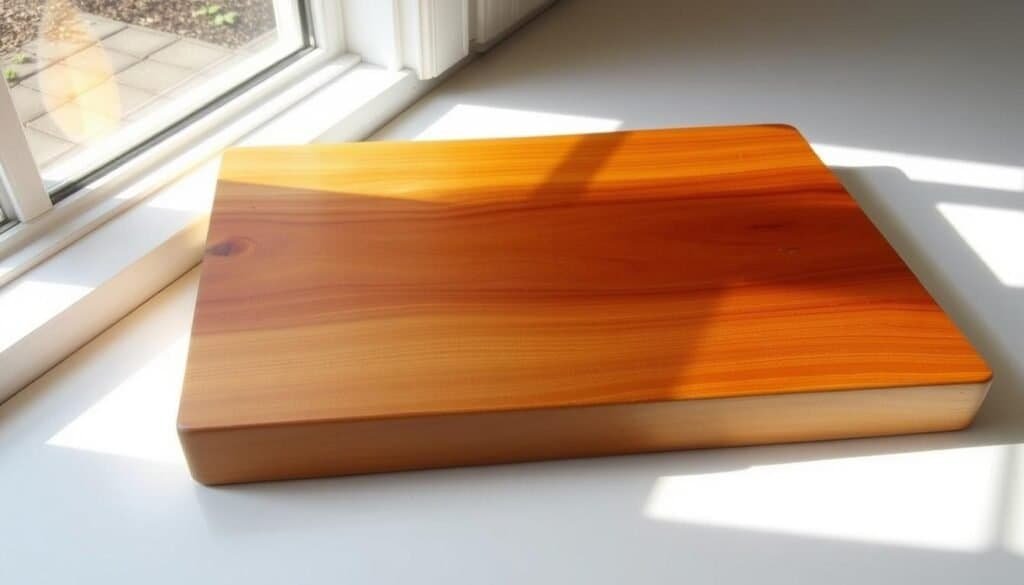
Creating handcrafted wooden kitchenware is a fulfilling experience. It lets you mix functionality with personal style. Whether it’s a serving tray wood project or a beautifully made cutting board, making it by hand is truly magical.
DIY Wooden Cutting Boards That Look Store-Bought: Materials and Tools
Starting your DIY wooden cutting board project means picking the right materials and tools. First, choose the wood for your cutting board.
Understanding Your Wood Options
The wood you pick affects your cutting board’s durability and look. Hardwoods like maple, walnut, and cherry are great for cutting boards. They’re dense and wear-resistant, perfect for DIY kitchen decor.
Think about these when picking wood:
- The wood’s density and hardness
- The grain pattern and color
- The wood’s resistance to moisture and bacteria
You’ll need specific tools for a professional-looking cutting board. You’ll need a table saw or circular saw for cutting, a planer for smoothing, and sandpaper for the finish. If using scrap wood ideas, you might need more tools for reshaping and refinishing.
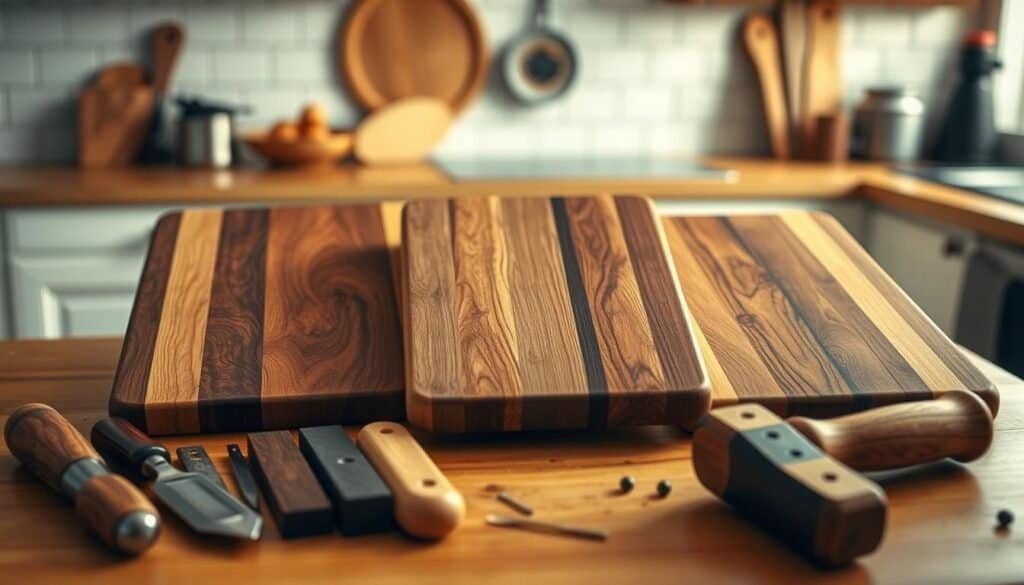
For a top-notch finish, get specialized tools like a router for edges and a jigsaw for curves. Knowing your materials and tools helps you make a cutting board that looks like it came from a store. Now, you’re set to start how to make a cutting board that looks store-bought.
5 Beginner-Friendly Cutting Board Designs Anyone Can Create
Woodworking offers endless possibilities, and simple cutting board designs are a great place to start. Creating a cutting board is rewarding and a great way to learn.
Here are five beginner-friendly cutting board designs perfect for woodworking newcomers:
- A simple rectangular cutting board, ideal for beginners to practice their woodworking skills.
- A round cutting board, a unique shape that’s easy to make.
- A wooden chopping board with a juice groove, adding a practical feature.
- A cutting board with a handle, making it easier to move around the kitchen.
- A simple wooden chopping board with a contrasting wood inlay, adding elegance.
For inspiration, check out more DIY wooden chopping board projects to find the perfect design for your skill level.
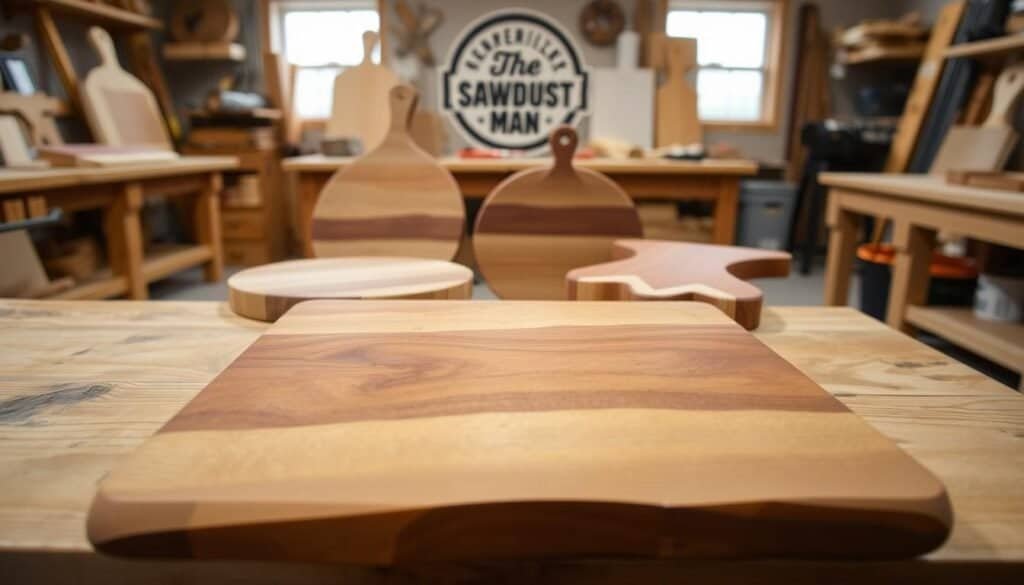
When making your first cutting board, think about the wood and finish you want. Maple and walnut are great choices because they’re durable and look good.
To make your cutting board unique, try different chopping board ideas. You can vary the wood thickness or add special edge details.
- Choose the right wood for your project, considering durability and cost.
- Keep your design simple to avoid unnecessary complications.
- Use proper safety equipment when working with power tools.
- Consider adding a finish that protects the wood and makes the board easier to clean.
By following these tips and starting with a simple design, you can make a beautiful and useful tablas para picar madera for your kitchen.
From Lumber to Masterpiece: Step-by-Step Cutting Board Tutorial
With the right tools and a bit of know-how, you can turn ordinary lumber into an extraordinary cutting board. This guide will show you how to make a beautiful, functional cutting board from scratch.
Preparing Your Lumber and Cutting Out the Board Shape
The first step is to prepare the lumber. Choose a hardwood like maple or walnut. Make sure the wood is properly dried and free of defects.
To prepare your lumber, you’ll need to:
- Cut the lumber into the required thickness using a planer.
- Inspect the wood for any imperfections and remove them.
- Cut the wood into the desired dimensions for your cutting board.
Once your lumber is ready, it’s time to cut out the board shape. Use a jigsaw or a bandsaw to cut along the marked lines. Safety first: always wear protective gear, including safety glasses and a dust mask, when working with power tools.
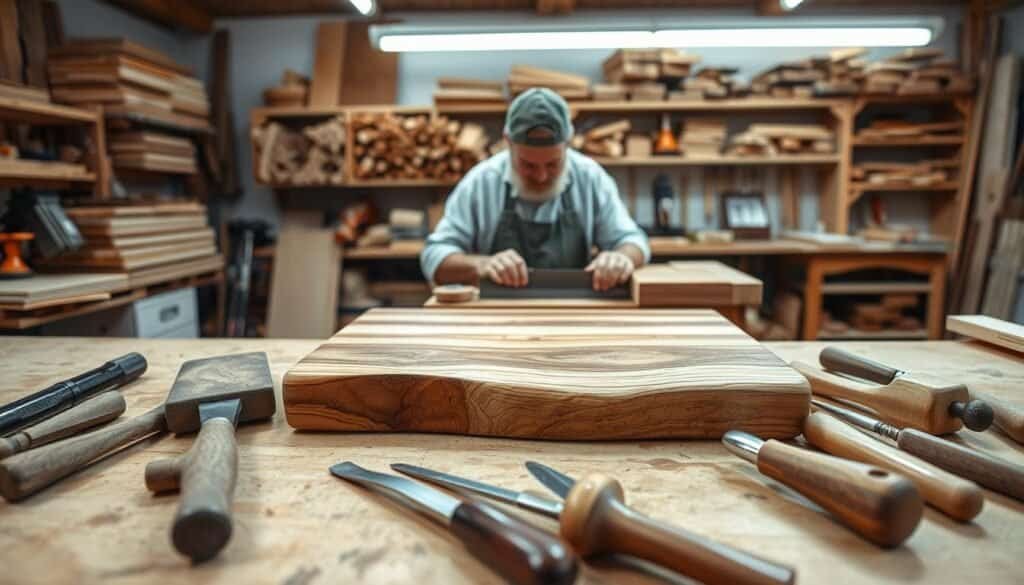
After cutting out the shape, sand the cutting board to smooth out any rough edges or surfaces. Start with coarse-grit sandpaper and work your way up to finer grits for a silky finish.
Creating a cutting board is not only a fun DIY wooden project but also a great way to learn fundamental woodworking skills. Whether you’re a beginner or an experienced woodworker, this project can be a rewarding experience. Plus, a handmade cutting board makes a thoughtful gift or a unique item to sell as part of your small wood projects to sell.
By following these steps and paying attention to detail, you’ll be able to create a beautiful cutting board that showcases your craftsmanship. Happy woodworking!
Advanced Techniques That Make Your Boards Stand Out
To make your cutting boards special, try advanced techniques. Using different woods and patterns is a great way to do this.
Advanced woodworking can turn your cutting boards into art. By using various woods and designs, you can make unique pieces. These will catch the eye in any kitchen.
Incorporating Different Woods and Patterns
Using different types of wood can add interest to your cutting boards. Mixing woods with contrasting colors and patterns creates stunning effects. For example, maple and walnut together make a striking contrast.
- Striped patterns by alternating different woods
- Checkerboard patterns by creating a grid with different woods
- Geometric patterns by combining different shapes and woods
For more ideas, check out The Sawdust Man. They have lots of creative ideas and designs.

- Choose woods that complement each other in terms of color and grain pattern.
- Experiment with different patterns and designs to find what works best for you.
- Consider the durability and maintenance requirements of the woods you choose.
By using these advanced techniques, you can make cutting boards that are both useful and beautiful. They will be the highlight of any kitchen.
Finishing Touches for Food-Safe, Beautiful Boards
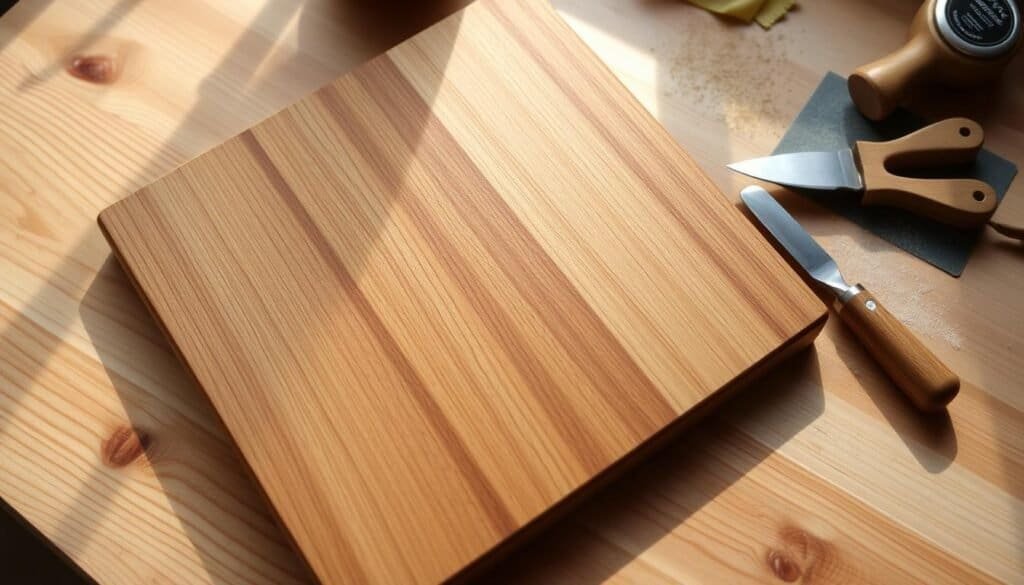
The last step in making your DIY wood cutting board is adding a finish. This finish makes it look great and safe for food. It also protects the wood from moisture and makes cleaning easier.
Choosing the Right Finish is key. You want something durable, safe for food, and meets food safety standards. Options include mineral oil, beeswax, and water-based polyurethane.
Applying a Food-Safe Finish
Before you start, your cutting board needs to be ready. Sand it smooth, remove dust, and make sure it’s dry.
- Begin by sanding with fine-grit sandpaper to smooth the surface.
- Use a clean, dry cloth to remove dust or debris.
- Put on a thin, even layer of your chosen finish, as the instructions say.
For extra protection, apply thin coats one at a time. Let each coat dry before adding the next. This avoids drips and unevenness.
- It becomes more durable and resistant to wear.
- It’s safer for food by stopping bacteria growth.
- It looks better, adding to your DIY kitchen decor.
By following these steps and picking the right finish, you’ll make a stunning and useful kitchenware design. It will impress your friends and family.
Beyond Cutting: Creating Stunning Wooden Serving Boards
Elevate your gatherings with bespoke wooden serving boards that double as a centerpiece. A well-crafted wood serving tray can transform any occasion, whether it’s a casual brunch or a formal dinner party.
When designing your serving board, consider the occasion and the overall aesthetic you wish to achieve. For instance, a rustic wooden board can add a warm, cozy feel to your coffee setup ideas, while a sleek, modern design can enhance your cafe kitchen aesthetic.
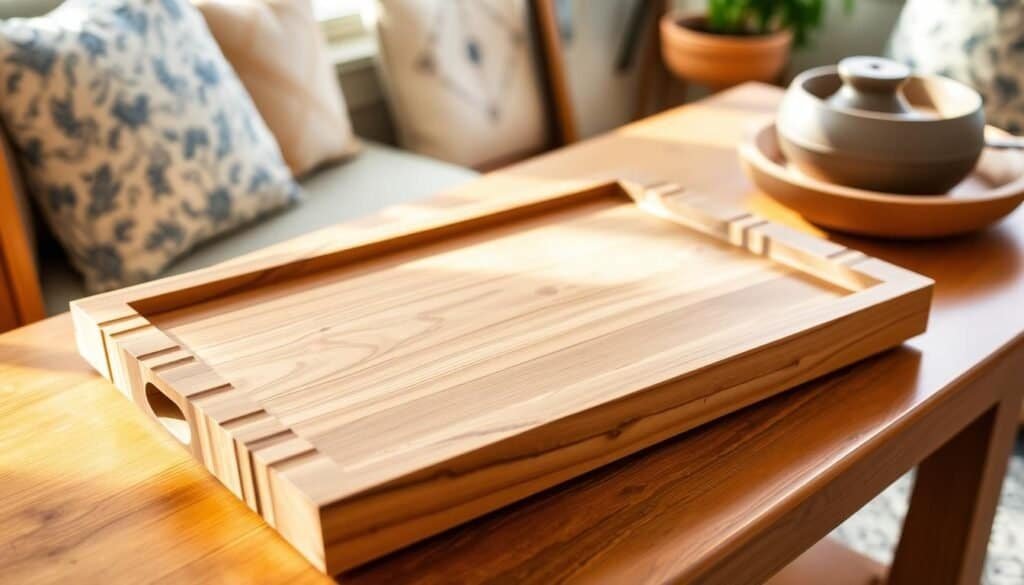
Different occasions call for different designs. For holiday gatherings, you might incorporate seasonal elements or colors into your serving board ideas. For example, a Christmas-themed board could feature festive engravings or a red and green color scheme.
To create a board that stands out, consider adding unique features such as engraved names, special messages, or intricacies that reflect the occasion. This personal touch can make your wooden serving board a cherished keepsake.
When it comes to styling your serving board, think about the overall room inspo kitchen you want to achieve. Pair your wooden serving board with complementary kitchenware and decor to create a cohesive look that impresses your guests.
- Choose the right wood type for durability and aesthetic appeal.
- Consider the size and shape based on the occasion and the items to be served.
- Add decorative elements that match the theme or occasion.
By following these tips and infusing your creativity, you can create stunning wooden serving boards that are sure to be the centerpiece of your gatherings.
Caring for Your Handcrafted Wooden Boards
How well you care for your handcrafted wooden boards affects their life span. Proper care keeps them functional and beautiful.
Cleaning and Conditioning Your Wooden Boards
To clean your wooden boards, avoid harsh chemicals and water. Wipe them down with a damp cloth and mild soap. For tough stains, try baking soda and water.
Conditioning is also key. Use food-safe wood conditioner or mineral oil often. This keeps the wood moist and prevents damage.

- Regularly clean your wooden boards with a damp cloth.
- Use mild soap and avoid harsh chemicals.
- Condition your boards regularly with food-safe products.
In kitchens with wooden countertops or a butcher block island, keep up with cleaning and conditioning. This boosts your boards’ durability and matches your kitchen style. Whether it’s a farmhouse countertops look or a backsplash with butcher block counters, it’s all about care.
Conclusion: From Kitchen Essential to Conversation Piece
Turning a simple kitchen task into art, making your own wood cutting boards and serving boards can make them special. They can go from being just useful to being something people talk about. By adding these handmade items to your diy kitchen decor, your kitchen gets a warm and personal touch.
Think about placing your wooden boards as decorative pieces on your kitchen walls or as the centerpiece on your dining table. They fit right in with your home decor ideas. You can also use them to add a rustic feel to your minimalist wood furniture. This creates a look that shows off your personal style.
When you show off your creations, you get to enjoy what you’ve made and inspire others with your skill. Whether you give your handmade boards as gifts or display them in your kitchen, they’ll catch everyone’s eye. They show your care and love for wood decor.
By sharing your woodworking story and the stories behind your creations, you make a simple kitchen task into something special. It brings people together, starts conversations, and creates memories in your kitchen. It’s where kitchen ideas come to life.