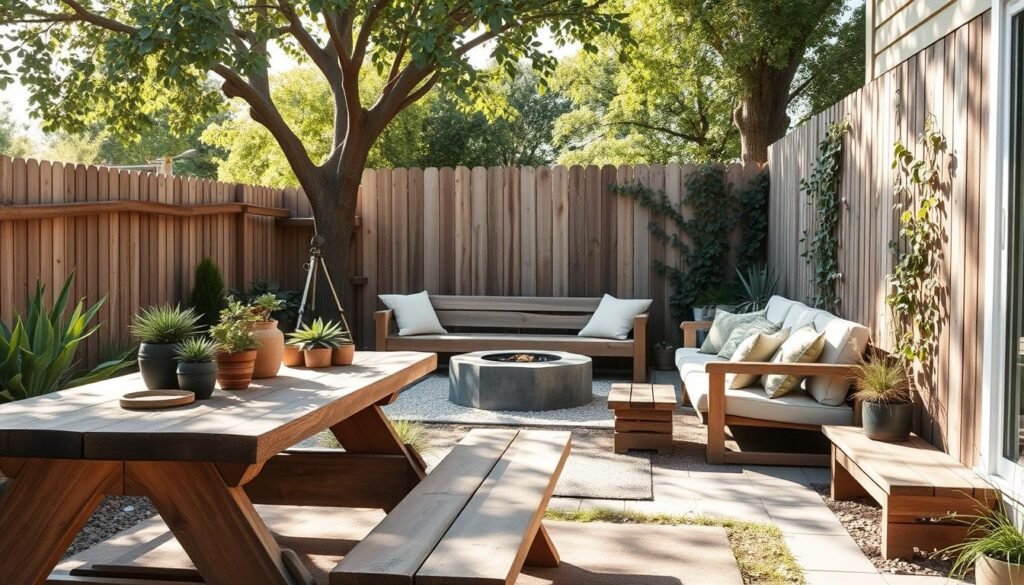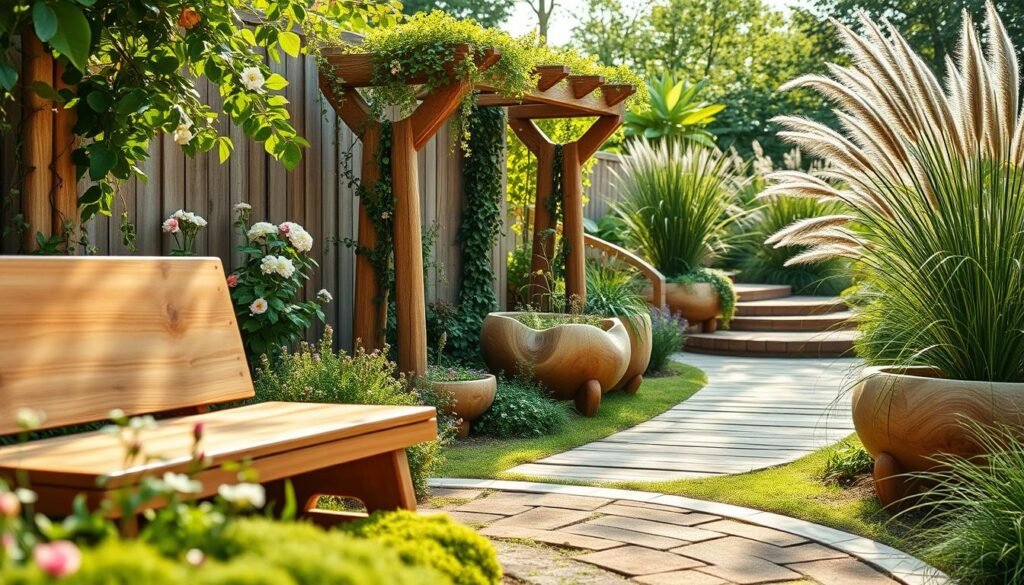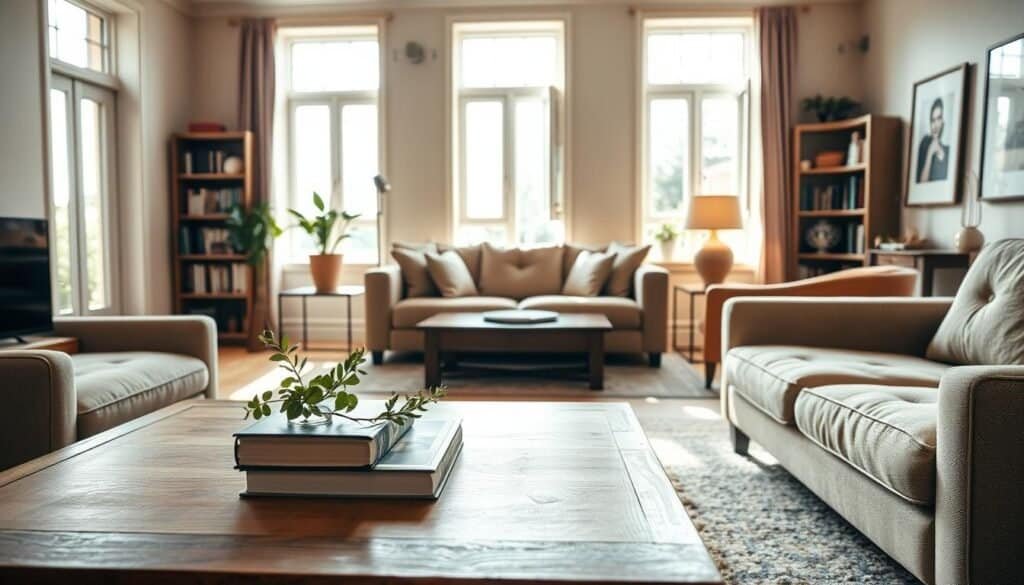
Ever feel lost in a world of distractions, struggling to focus? You’re not alone. In today’s fast world, distractions are common. But, there’s a simple way to get your focus back: try sensory textures.
Texture therapy uses touch to clear your mind and boost work. Different textures can calm and focus you. Whether it’s a wooden surface or soft fabric, textures help reset your mind.
Adding textures to your day can improve focus and work. It’s easy and works well to keep you focused and calm.
The Science Behind Textures and Mental Focus
Textures and our mental state are closely linked. Research shows that tactile stimulation is key to our brain’s processing. It helps us focus and stay concentrated.
The Role of Tactile Stimulation in Cognitive Processing
Tactile stimulation is more than touch. It’s vital for how our brain handles information. Studies say it boosts memory and attention.
How Touch Receptors Signal the Brain
Touching different textures sends signals to our brain. It decides how to react to these signals. This can either calm or stimulate our mind.
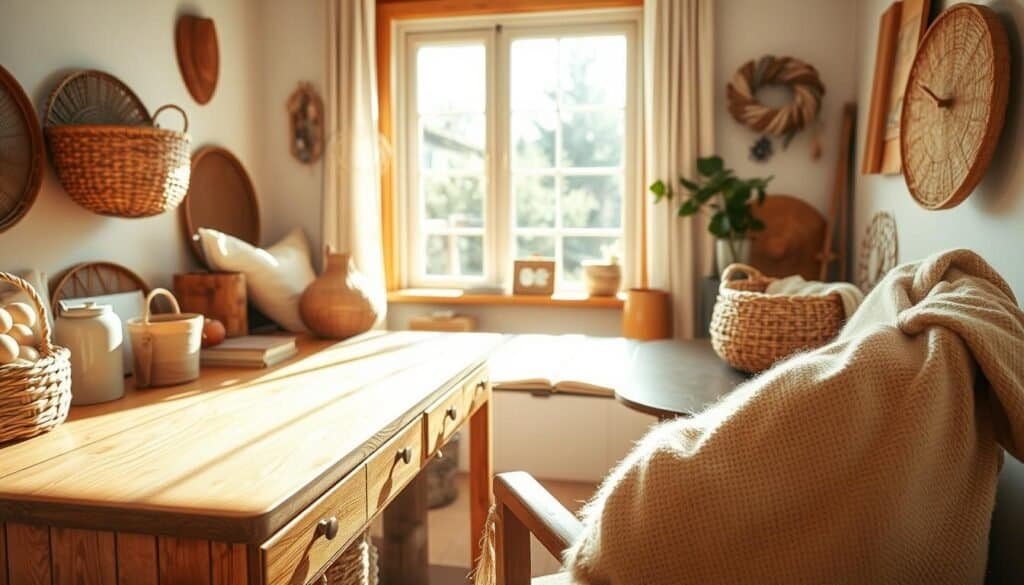
Research shows textures can change our attention span. Some textures calm us, while others stimulate us. This affects how well we can focus.
Sensory Grounding Techniques
Sensory grounding uses textures to keep us in the present. It’s great for those feeling distracted or anxious. It gives us a real focus point.
Understanding textures and mental focus is powerful. Using texture therapy daily can improve our concentration and mental clarity. It’s a simple yet effective way to boost our mental health.
Feeling Distracted Today? Textures Can Help You Reset
In today’s world, distractions are everywhere. But, textures can change the game for clear thinking. Our surroundings greatly affect our focus, and textures are key to a good environment for concentration.
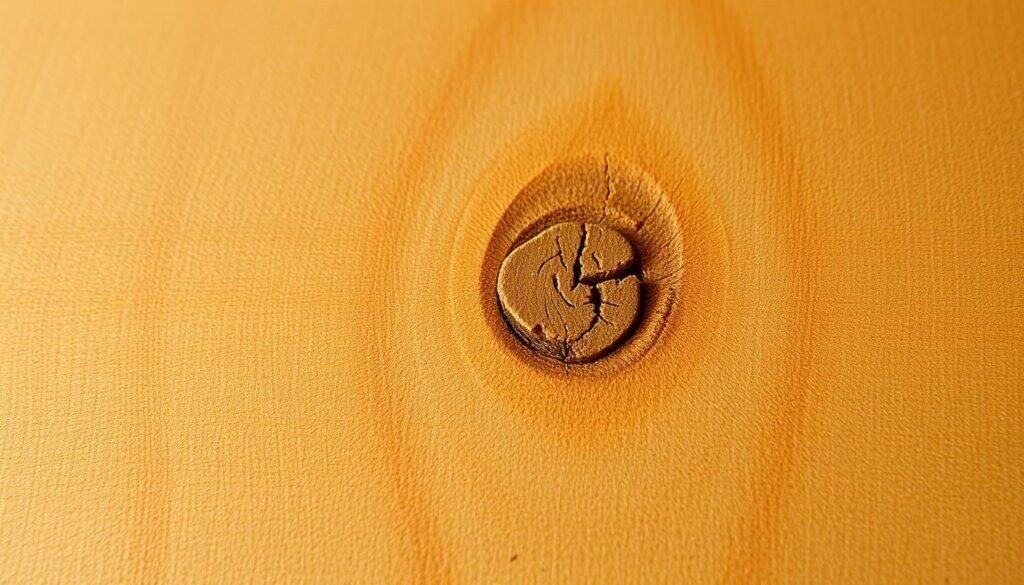
Textures can make us feel different emotions. For example, a natural wood grain or log texture can feel warm and cozy. On the other hand, a smooth surface can make us feel calm. Knowing how textures affect us helps us choose better environments.
Quick Texture Exercises for Mental Reset
Try simple texture exercises to reset your mind. Holding a small object with an interesting texture, like a wooden cube, can help. You can also use a wood texture printable on your devices for a visual reminder.
Redirecting Attention with Tactile Sensations
Tactile sensations are great for focusing. By noticing the texture of an object, like tree bark or a stone, you can ignore distractions. Keeping a collection of textures to touch can help keep your mind clear.
Creating Texture Anchors for Focus
A wood pattern background or textured wallpaper can keep your focus. Having a tactile object on your desk can also help. Try different textures to see what works best for you.
Adding various textures to your space and daily life can boost your mental clarity. It helps you stay focused better.
Natural Textures That Promote Grounding
Natural textures help us feel connected to the earth. They make our living and work spaces feel better. This can improve our well-being and clear our minds.
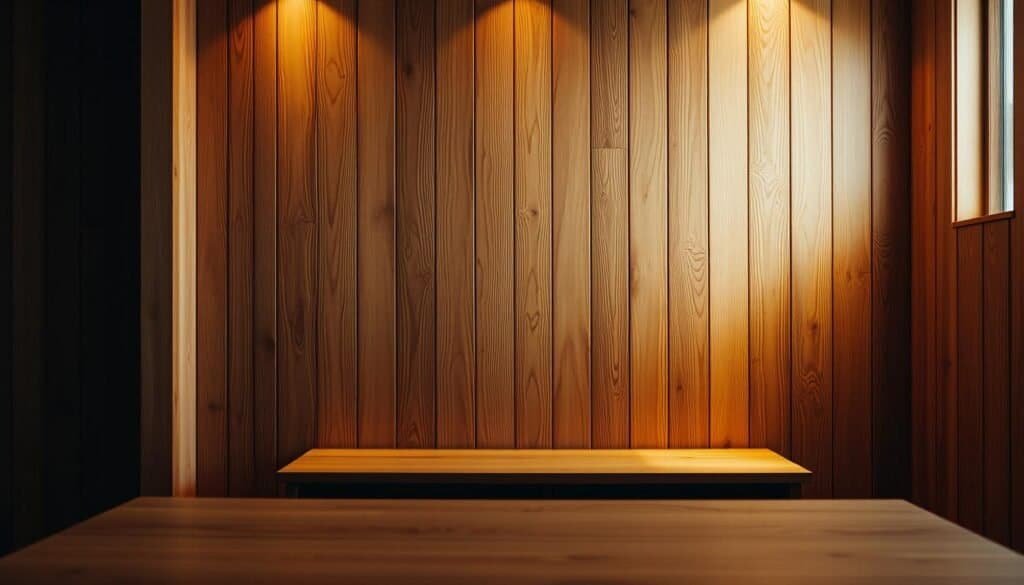
Dark wood and light wood affect us differently. Dark wood feels warm and cozy, making us relax. Light wood makes spaces feel open and clear, helping us focus. For more on wood grain texture in design, check out this resource.
Incorporating Natural Wood Elements in Your Space
You can add natural wood to your space in many ways. Use wooden furniture, add wooden accents, or include wooden material texture in your decor. This brings warmth and character, making us feel grounded.
Smooth vs. Rough Stone Textures
The texture of stone affects our mood. Smooth stone brings calm and serenity. Rough stone adds ruggedness and a nature connection. Both can ground us in our spaces.
Small Stone Objects for Desk Focus
Small stone objects on your desk boost focus. Touching stone is calming and grounding. It helps reduce distractions and boosts productivity.
Leaf Patterns and Variations
Leaf patterns bring nature inside, making us feel connected. Different leaf patterns add interest and calmness. They help us feel grounded.
Bark, Seeds, and Natural Elements
Adding bark and seeds to your decor enhances grounding. Use them in decorations or as part of a design theme. They add depth and character to your space.
Soft Textures for Calming an Overstimulated Mind
Using soft textures can calm an overstimulated mind. These textures offer a peaceful escape from daily chaos. They help create a calm atmosphere.
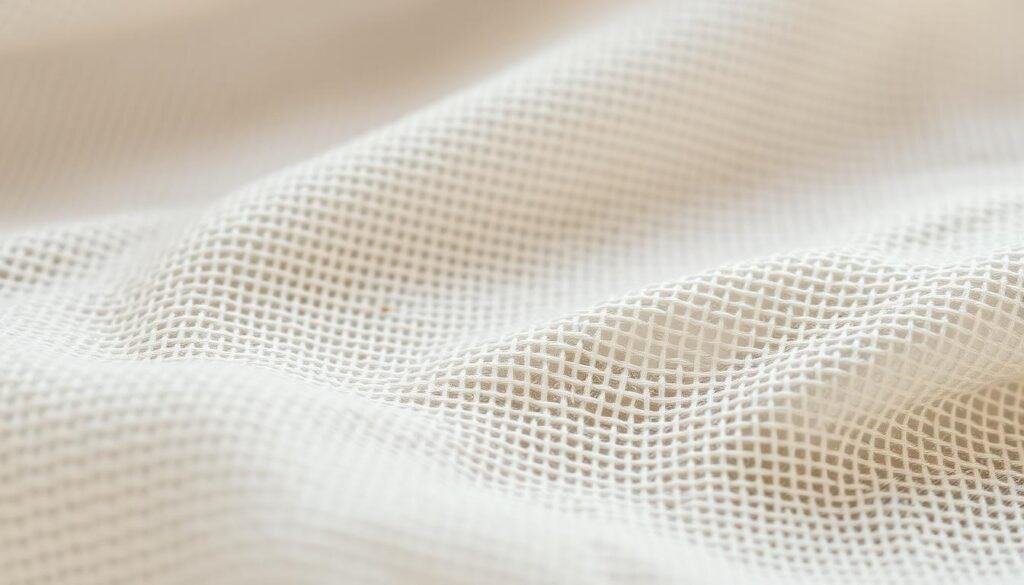
Natural fibers like cotton, wool, and linen are very soft. Cotton is breathable and feels good on the skin. It’s great for clothes and bedding.
Wool keeps you warm but isn’t heavy. Its natural texture is cozy. Linen is smooth and natural, perfect for home decor.
- Cotton: Breathable and gentle
- Wool: Warm and cozy
- Linen: Smooth and natural
Synthetic Textures with Calming Effects
Some synthetic textures can also calm us. Soft plush and microfiber fabrics feel comforting. They’re often used in furniture and decor.
- Soft plush materials for comfort
- Microfiber fabrics for relaxation
Layering Textures in Your Environment
Mixing different textures can make a room more calming. Use a brown wood texture for furniture and a green texture background for walls. Add throw blankets with a fabric texture seamless pattern.
Adding a water texture feature or a stucco texture accent wall can also improve the space. This way, we can make an environment that helps us relax and feel less stressed.
Textural Contrasts to Stimulate and Refocus
Different textures can make a space lively and help you focus better. Textures add depth and make our senses work harder. This helps us stay sharp and focused.
The Attention-Grabbing Power of Contrast
When we mix textures, our attention gets caught. For example, a smooth stone texture seamless surface next to a rough one grabs our eyes. It makes our minds work harder.

To use textures well, mix them in your space. Try a rug with a grain texture on a smooth floor. Or, use a blue texture background on a wall to draw the eye.
Cool Textures for Alertness
Cool textures like metal or glass wake us up. They make us more alert and focused. Adding a texture background hd image, like a high-resolution photo, also adds coolness.
Warm Textures for Grounding
Warm textures, like wood or fabric, make us feel safe and calm. Using natural petrified wood texture in your decor adds warmth. It connects us to our surroundings.
By mixing textures and creating transitions, you make a space that’s good for your mind. It’s not just pretty; it helps you stay sharp and feel at ease.
Incorporating Texture Therapy into Your Daily Routine
Adding various textures to your daily life can boost your mental clarity. Texture therapy helps reduce stress and improve focus. Let’s see how you can make texture therapy a part of your day.
Awakening the Senses with Varied Textures
Begin your day with different textures. For instance, start with a wooden textured surface close-up on your bedside table. Or, look at a close-up of rustic wood texture on your wall. This awakens your senses and sets a good mood for the day.
Texture-Based Morning Routines
Make your morning routine textured. Use a loofah sponge with a rough texture in the shower, then smooth lotion or cream. This mix of textures is refreshing.
Desk-Friendly Texture Tools
At work, use texture tools to stay focused. Try a rustic farmhouse table desk organizer, a stress ball with different textures, or a small potted plant. These tools add variety to your workspace.
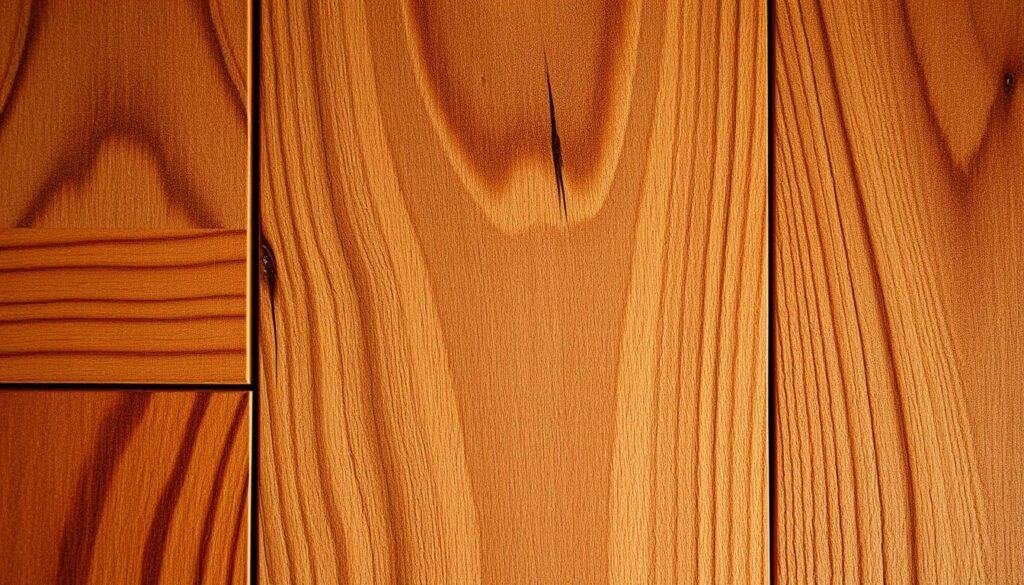
Take short breaks to touch different textures. Hold a smooth stone, pet a furry animal, or touch various fabrics. These two-minute texture breaks refresh your mind.
Transitioning from Work to Rest Through Touch
As you switch from work to rest, use texture to signal the change. Wear soft clothes or hold a plush blanket. The texture change signals your brain to relax.
Bedtime Texture Rituals for Better Sleep
Make a bedtime routine with soothing textures for better sleep. Read a book with a smooth cover, use a weighted blanket, or stretch on a soft mat. These activities help you relax.
By adding these texture therapy practices to your daily life, you can improve your mental health. Try different textures to find what works best for you.
- Explore different textures in your environment
- Incorporate texture into your daily routines
- Use texture tools at your workspace
- Take regular texture breaks
- Use texture to transition between activities
Creating a Texture-Rich Workspace for Enhanced Focus
Turning your workspace into a place with lots of textures can really help you focus better. Adding different textures can make your work area more interesting and engaging.
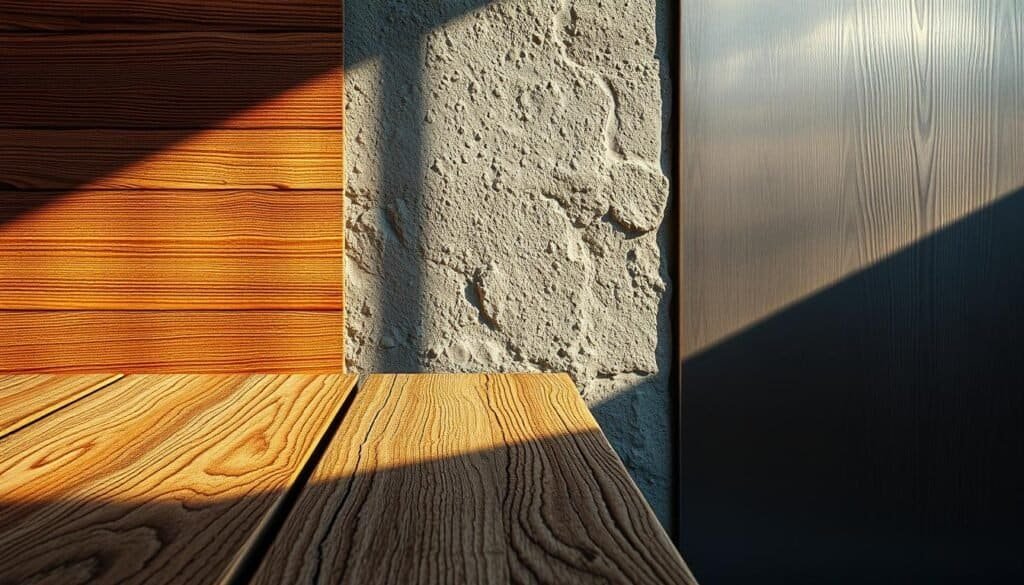
Using tools made from organic materials like wood or bamboo can warm up your space. These natural materials make your office feel less cold and more welcoming.
Textural Elements for Different Work Tasks
Each task needs its own level of stimulation. For tasks needing deep focus, smooth textures like glass or metal are good. For creative tasks, textures like fabric or paper can spark your imagination.
- Smooth textures for focus: glass, polished metal
- Varied textures for creativity: fabric, paper, natural fibers
Wall Textures and Their Impact on Focus
The feel of your walls can really affect your focus. Smooth walls can calm you down, while textured walls can get your mind working. Try using pinecone fairy or other natural items for a unique wall texture.
Floor and Furniture Textures for Grounding
The textures of your floor and furniture are also key to a focused work area. Mixing textures like hardwood floors, woven rugs, and furniture with natural finishes can bring balance and stability.
- Hardwood floors for a natural feel
- Woven rugs for added warmth and texture
- Natural finishes on furniture for a grounded feel
By carefully choosing textures for your workspace, you can make a place that boosts both focus and creativity. Whether it’s using organic materials, different textures for tasks, or picking the right wall, floor, and furniture textures, a rich-textured workspace can greatly improve your work life.
DIY Texture Tools for Focus and Concentration
Making DIY texture tools is fun and helps improve focus. Using different textures in your daily life can help manage distractions. It also makes your mind clearer.
Materials and Assembly Instructions
To make your own texture tools, you’ll need various materials. This includes fabrics, woods, and natural elements. For example, you can use fairy garden houses diy to build a small textured world. First, collect your materials. Then, follow simple steps to put your tools together.
Using Texture Boards for Different Distraction Types
Texture boards can tackle different distractions. For example, a board with fairy house crafts can help you stay focused. Try out different textures and setups to see what works best for you.

Collecting natural textures can be calming and rewarding. Look for items like leaves, rocks, and shells. Use these to make your texture tools. You can even build a fairy house diy from these materials to help you focus.
Creating Texture Boxes for Focus Exercises
Texture boxes are great for improving focus. Fill a box with textures like beads, sand, or small toys. Use it as a tactile distraction. You can even put a mini fairy garden diy inside for extra visual interest.
Repurposing Everyday Items for Texture Therapy
You can turn everyday items into unique texture tools. For instance, use old fairy garden furniture to make a textured surface. Be creative and try different items to find what works best for you.
Sustainable Texture Tools from Household Materials
Making texture tools from household items is good for the planet and saves money. Use things like cardboard, fabric scraps, and recycled materials. This way, you can create fairy garden designs that help you focus and concentrate.
Conclusion: Embracing Textural Awareness for Mental Clarity
Modern life can be overwhelming and distracting. But, adding texture therapy to our daily lives can help us feel clearer and more focused. Textures, like the softness of fairy furniture and the details of fairy garden crafts, are key to our sensory experiences.
By paying attention to textures, we can make spaces that relax and inspire us. Try making a fairy tree house or a woodland fairy house for your yard. You can also build a fairy garden village with kits and supplies, including fairy doors and a rope ladder.
Exploring texture therapy can greatly improve your mental health. Even small changes, like adding natural textures to your workspace or making a mini tree house, can make a big difference. By prioritizing texture, you can become more focused, creative, and peaceful.