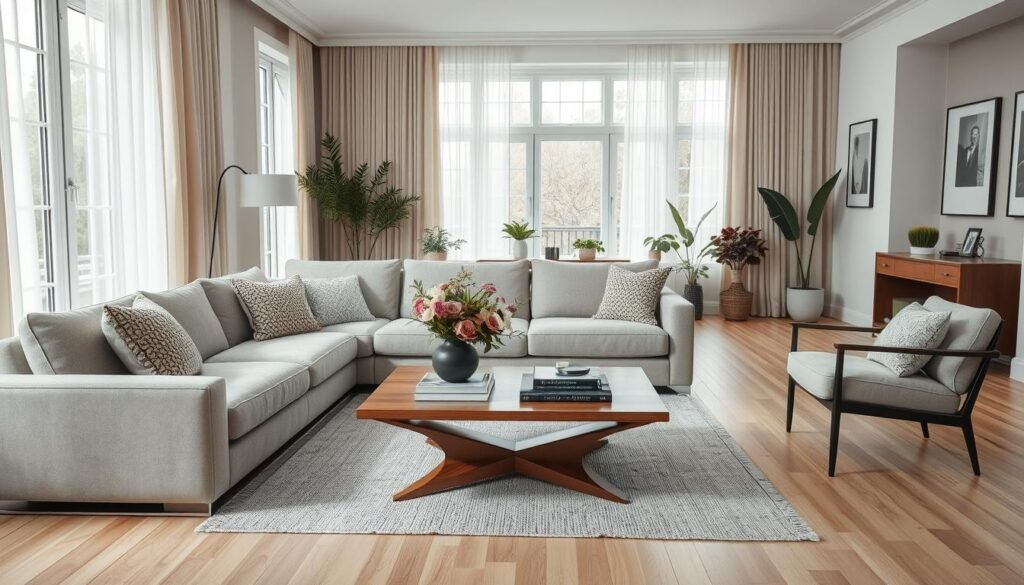
Creating a beautiful room is easy if you only focus on looks. But the best homes come from our unique habits and daily routines. If a room looks great but doesn’t feel right, something’s off.
Finding the right living space design tips begins with watching how we move. A functional home supports our hobbies and rest. This way, every corner feels useful and welcoming.
Choosing authentic home decor lets our personality show in every detail. It’s time to ditch trends that don’t meet our needs. Furniture should meet our daily needs first.
By decorating your home authentically, we create a place for true relaxation. Good interior design for real life mixes style with the messy truth of living. Let’s rethink our approach to make a house that truly reflects our soul. Authentic spaces celebrate our unique paths while giving us comfort.
1. Start by Honestly Assessing How You Actually Use Your Space
To design a living space that mirrors your real lifestyle, you first need to understand how you actually use your space. This involves taking a step back and assessing your daily habits and routines.
Your daily habits play a significant role in determining the functionality and layout of your home. For instance, if you work from home, you might need a dedicated office space. On the other hand, if you’re always on the go, you might prioritize storage for your belongings.
Here are some practical tips for assessing your space usage:
- Observe how you move through your home. Identify any bottlenecks or areas that feel cramped.
- Note which areas of your home get the most use and which remain largely untouched.
- Consider your daily routines. For example, do you enjoy cooking? If so, your kitchen might need to be more functional.
Creating a welcoming home environment also means being honest about your lifestyle. If you have pets or young children, you’ll want to incorporate elements that accommodate their needs, such as durable furniture and safe storage for hazardous materials.
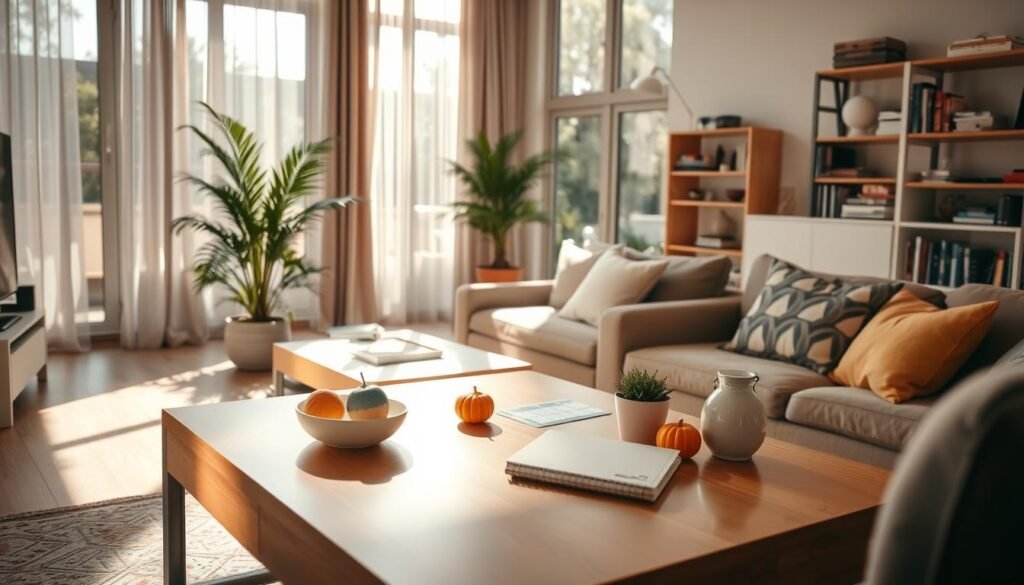
By understanding how you use your space, you can make informed decisions about your home decor strategies. This honest assessment will help you achieve a balance between balancing guest preferences with personal style and creating a space that truly reflects your lifestyle.
2. Are You Decorating for Guests… Or for How You Actually Want to Live?
It’s a common problem to find the right balance. We want our homes to be both comfy for us and welcoming for guests. We often struggle between showing our true selves and impressing visitors.
Decorating for guests can make our homes look great for parties. But it might make them feel less like our own. On the other hand, authentic home decor that shows how we live can make our homes feel more relaxed and cozy.
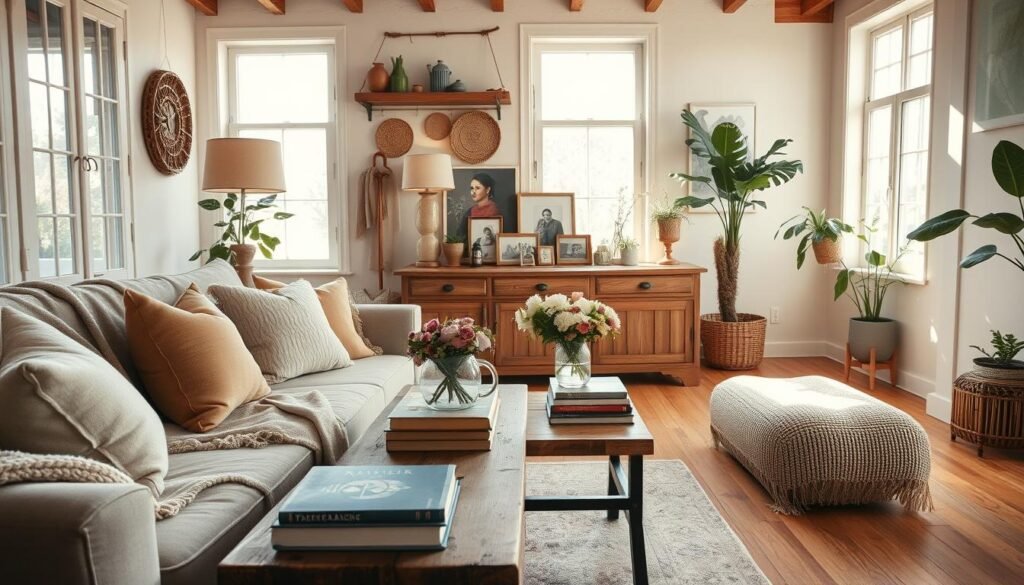
Finding a balance is key. Here are some tips to help you decide how to decorate:
- Think about how you move through your home and use each room every day.
- Consider the activities you love and how to include them in your decor.
- Don’t hesitate to add personal touches that show your personality and style.
By considering these points, you can make a home that looks good and works well. It will show your style and be a cozy place for you and your guests.
3. Design Your Entryway for Real-Life Function First, Beauty Second
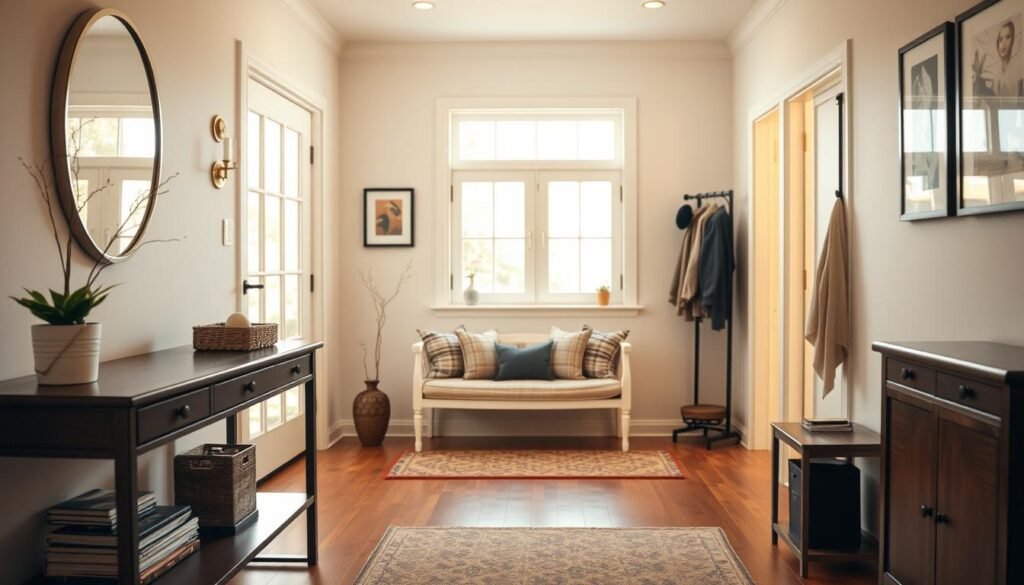
A good entryway is more than looks; it’s a space that feels welcoming. When designing, think about what you need daily, like a place for coats and keys. This way, you make a space that’s both useful and beautiful.
Wallpaper for Small Entryways That Enhance Space
Choosing the right wallpaper can change a small entryway. Go for wallpaper for small entryways that makes the space look bigger. Light colors and vertical patterns can make it feel more open. Pick a design that adds interest without feeling too busy.
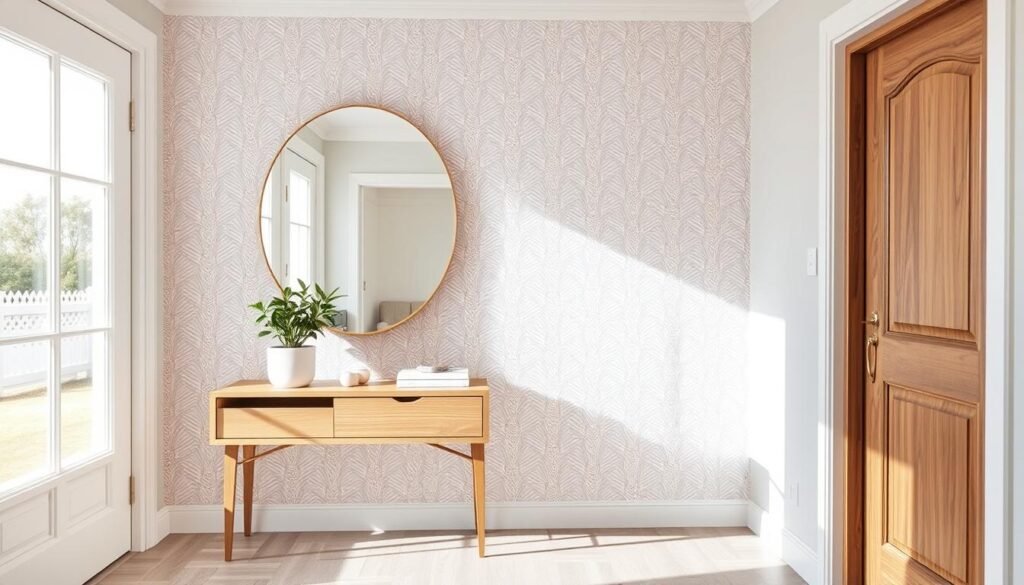
To make a cozy cottage entrance, focus on warmth and charm. Use natural materials and soft lighting. Add colors that invite you in. For cozy cottage entrance ideas, think about adding a bench, a vintage rug, and some plants.
Country style entryways are all about rustic charm. Use natural textures and earthy colors in your design. This will give your entryway a cozy, country feel.
English Farmhouse and French Styled Home Entries
An English farmhouse entryway is about classic elegance with a rustic touch. Mix traditional materials like wood and stone with vintage accessories and flowers.
French styled home entries are all about sophistication. Use soft pastels, detailed moldings, and elegant lighting to achieve this look.
By focusing on function and adding your personal style, you can make an entryway that’s both beautiful and practical.
4. Create a Living Room That Matches Your Actual Evening Routine
The living room is where we unwind after a long day. It’s key to make it fit our evening habits. Whether you binge-watch shows, read, or relax with family, the design should match your lifestyle.
Comfortable Living Room Ideas Beyond Magazine Perfection
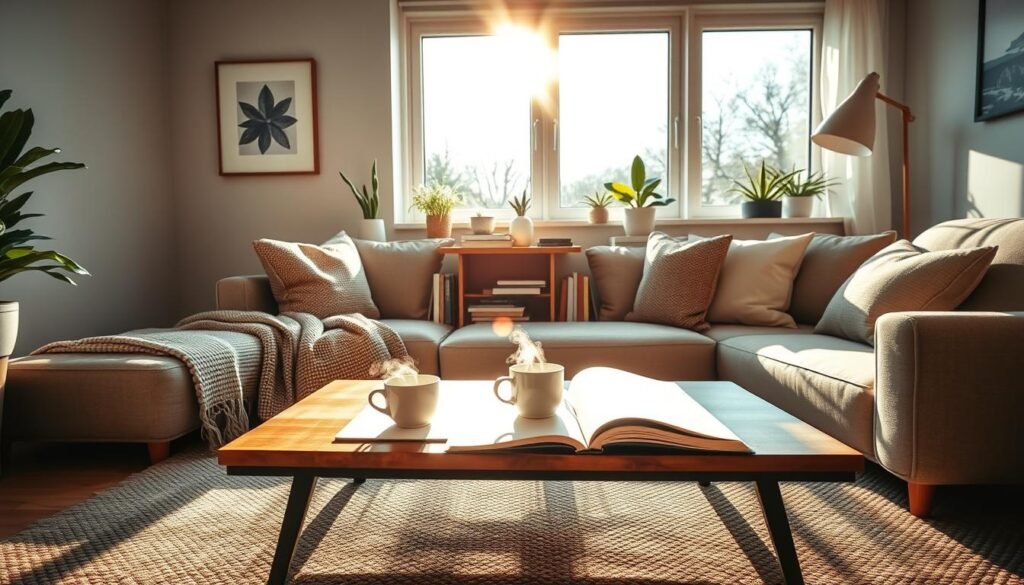
Forget about magazine-perfect decor. Think about what makes your living room comfy. Cozy seating and soft lighting are big pluses. Add plush sofas, big pillows, and warm lamps for a cozy feel.
Adding personal touches like family photos or heirlooms makes the room special. It feels more like home.
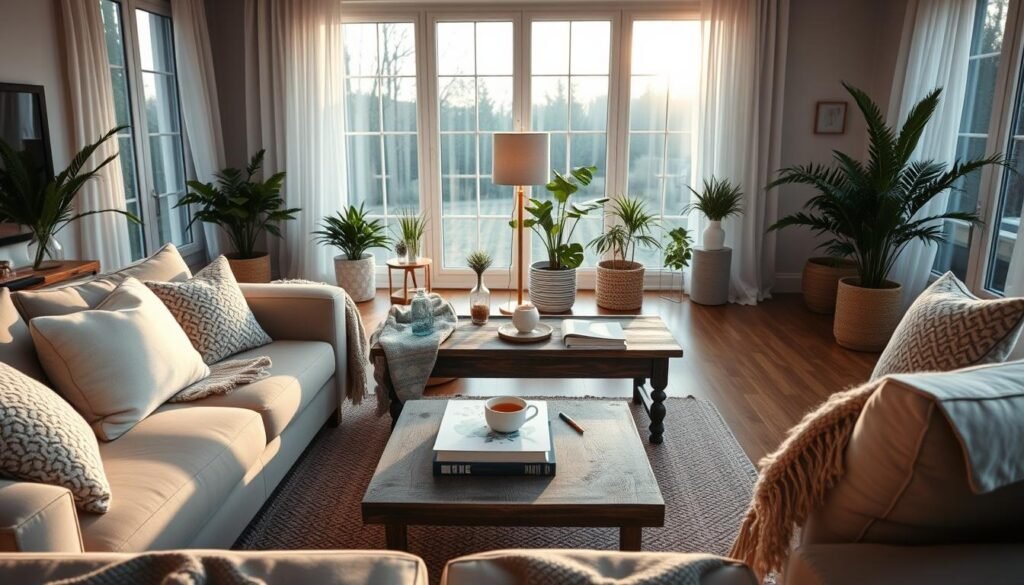
In today’s world, a cozy living room is a true haven. Focus on relaxation and comfort. Use warm colors like earth tones or soft pastels for a calming vibe.
- Throw blankets and rugs in warm colors add coziness.
- Natural elements like fireplaces or vase with branches warm up the space.
- Choose big, comfy furniture for lounging.
With these tips, you can make a living room that’s both beautiful and a cozy retreat after a long day.
5. Choose Color Palettes That Support Your Mood and Daily Energy
A well-chosen color palette can turn your home into a cozy haven. It can boost your mood and match your lifestyle. The colors around you greatly affect your feelings and energy all day.
The right cozy house color palette or cozy apartment color scheme can change how you feel at home. Warm colors like oranges and reds boost energy, great for living areas or gyms. Cool colors like blues and greens help you relax, perfect for bedrooms or meditation rooms.
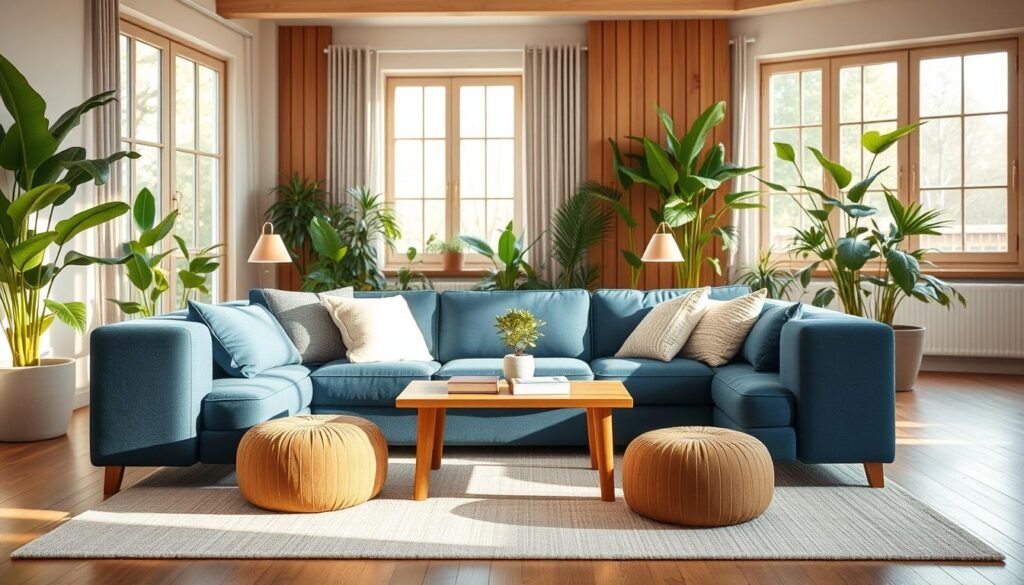
Think about each room’s purpose and how you want to feel there. A warm color palette apartment invites coziness. Soft, muted tones create a calm atmosphere. In small spaces, a smart small apartment color palette can make it feel bigger or cozier.
Considerations for Choosing the Right Color Palette
- The natural light in your home: Colors can appear differently under various lighting conditions.
- The color of your furniture and decor: Ensure your color palette complements these elements.
- Your personal preferences: Choose colors that you enjoy and that reflect your personality.
An earthy small apartment color scheme adds warmth and character. The goal is to pick a palette that looks good and supports your well-being and daily life.
6. Select Furniture Based on How You Actually Sit, Sleep, and Live
To make your living space work well, pick furniture that shows how you live. Think about how you use your space for sitting, sleeping, and relaxing.
When picking furniture for your living room decor apartment or home design living room, choose items that are comfy. For example, if you love reading or watching TV, a soft sofa is key.
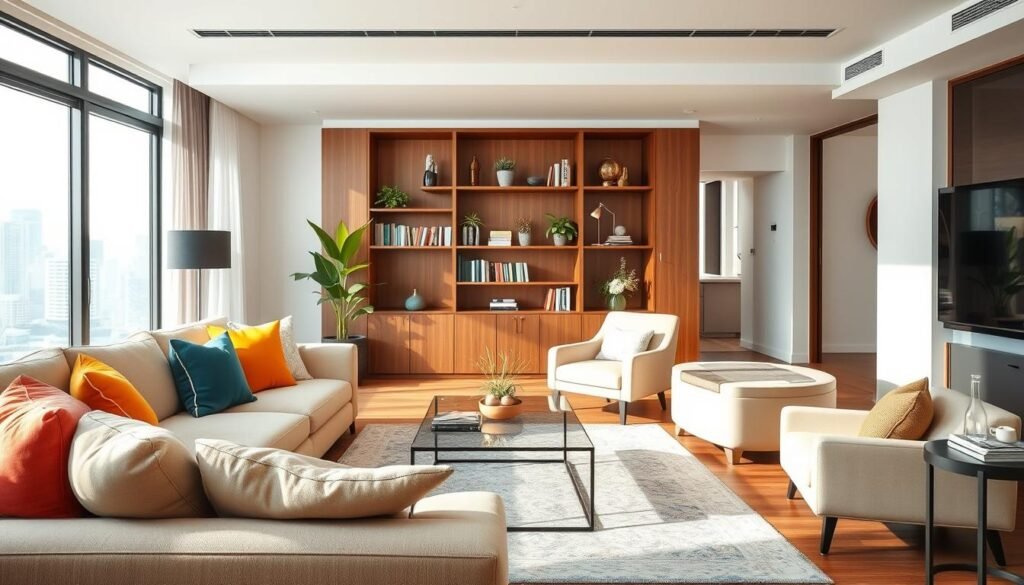
In smaller places like apartments or condos, apartment living room design and condo living room design need careful thought. Go for furniture that does more than one thing, like a storage ottoman or a coffee table with hidden storage.
Here are some tips for choosing the right furniture:
- Think about your daily habits and how you use your space.
- Pick furniture that’s comfy and lasts long.
- Make sure your furniture fits your room size.
- Choose pieces that do more than one thing to save space.
By focusing on decor home living room ideas that are both functional and comfy, you can make a space that really shows who you are and what you need.
7. Let Your Real Hobbies and Daily Habits Guide Your Design
To make your space feel real, let your hobbies and daily life shape your design. Think about how you live and add elements that support your lifestyle.
If you love reading, set up a cozy reading nook with a comfy chair and bright lights. If cooking is your thing, make your kitchen functional and neat. Add lots of storage for your cookbooks and tools.
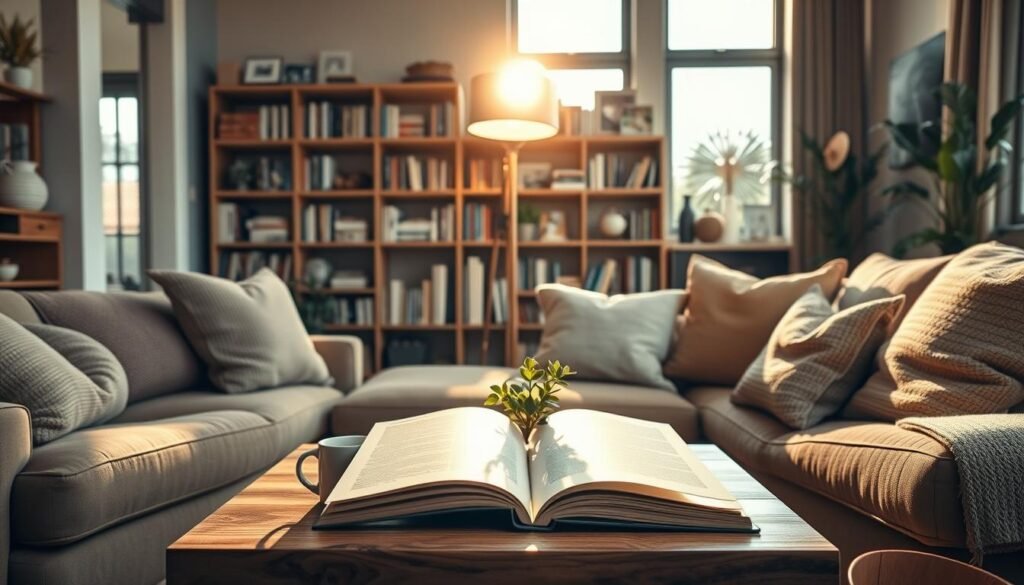
Your living room should reflect your daily habits. If watching TV is your go-to, create a cozy winter living room with a soft sofa and a fireplace. For those who work from home, a dedicated office with a good desk and chair is a smart choice.
By designing with your hobbies and habits in mind, you’ll get a space that’s both useful and lovely. It will give you apartment decor inspiration that fits your life perfectly. This way, you’ll have a realistic apartment decor that you can keep and enjoy for a long time.
8. Embrace Realistic Maintenance Standards for Your Lifestyle
A well-designed home is more than just looks. It’s about creating a space that’s easy to keep up with and fits your lifestyle. When decorating your living room or condo, think about how your choices will affect your daily life.
If you live in a small apartment, choosing multi-functional furniture can be a big help. It saves space and cuts down on clutter, making it easier to keep clean. Look into a storage ottoman or a coffee table with hidden storage.
Here are some practical tips for maintaining your living space:
- Choose materials and finishes that are durable and easy to clean, such as hardwood floors or stain-resistant fabrics.
- Opt for a simple color palette, like a combination of dark grey and beige, which can hide stains and dirt more effectively than bold patterns.
- Invest in furniture with removable covers that can be washed or dry-cleaned.
By choosing design options that are easy to maintain, you can have a beautiful living room that’s also practical. For example, a dark grey and beige living room is stylish and hides dirt and stains well. It’s ideal for busy homeowners.
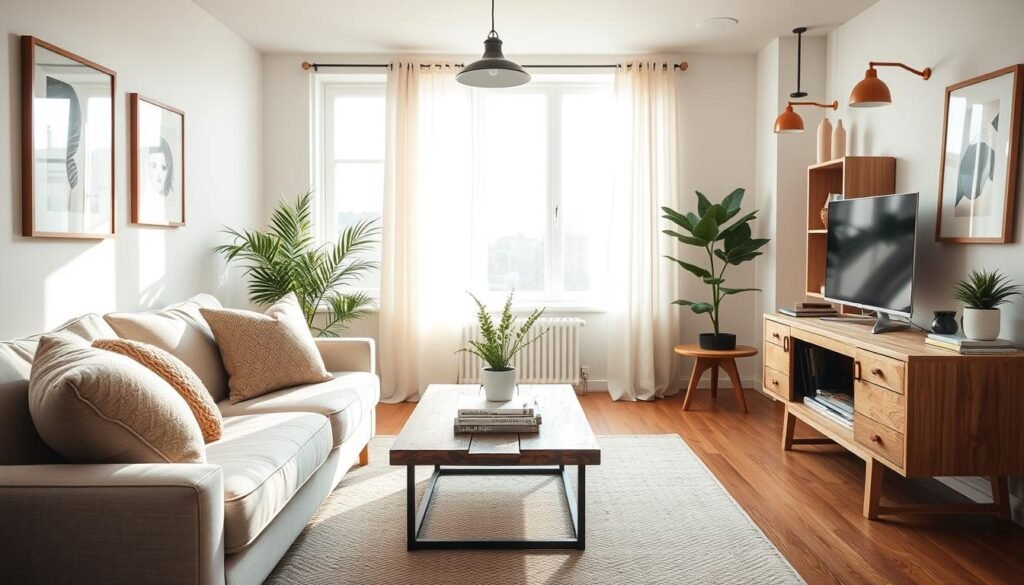
In conclusion, designing a living space that reflects your real lifestyle is more than just picking decor. It’s about creating a space that’s both beautiful and easy to keep up with. By considering your lifestyle and preferences, you can make a home that’s a joy to live in and simple to maintain.
9. Build Flexibility Into Your Space for Life’s Changes
Your home should grow with you, adapting to life’s ups and downs. It’s important to design a space that changes with your needs. This could be because your family is growing, you work from home, or your hobbies change.
Embracing flexibility in home design means making smart choices. Think about the layout and furniture. For example, choosing furniture that does more than one thing can make your space more adaptable. A storage ottoman can be a coffee table, extra seat, or storage all in one.
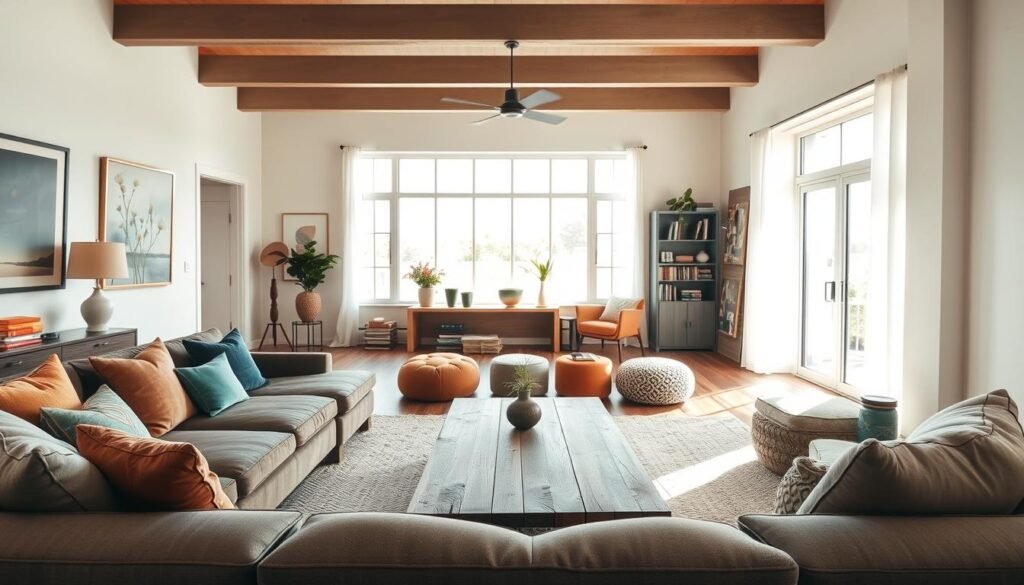
When dreaming of your dream apartment decor, think about flexibility. You can create different zones in your open-plan living area. Use rugs, curtains, or dividers to separate spaces without feeling trapped.
In home hall design, think beyond just a hallway. It can be a place for art, a cozy reading spot, or a small office. The goal is to use the space in creative ways that fit your lifestyle.
- Choose furniture that can serve multiple purposes.
- Use modular designs that can be easily rearranged.
- Incorporate storage solutions that keep clutter at bay.
By using these strategies in your interior design your home project, you’ll create a space that’s both beautiful and practical. This way, your home will stay a comfortable and inspiring place, no matter what life brings.
Conclusion
Creating a living space that shows your real lifestyle is key. It’s about making a home that works well and feels true to you. By figuring out how you use your space, decorating for your needs, and picking furniture that fits your habits, you can make a cozy living room.
A cozy living room should be all about comfort and calm. Think about a color scheme that lifts your mood and matches your energy. Look at cozy living room designs that mix function and beauty for inspiration.
Embracing realistic upkeep and making your space flexible helps it grow with you. Use cozy living room designs inspiration to make a space that really shows who you are.