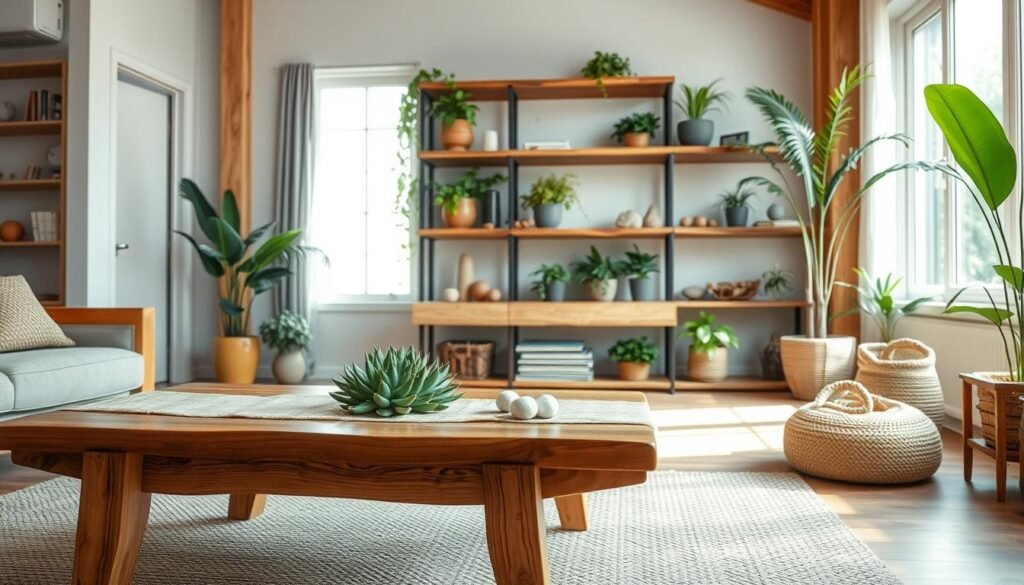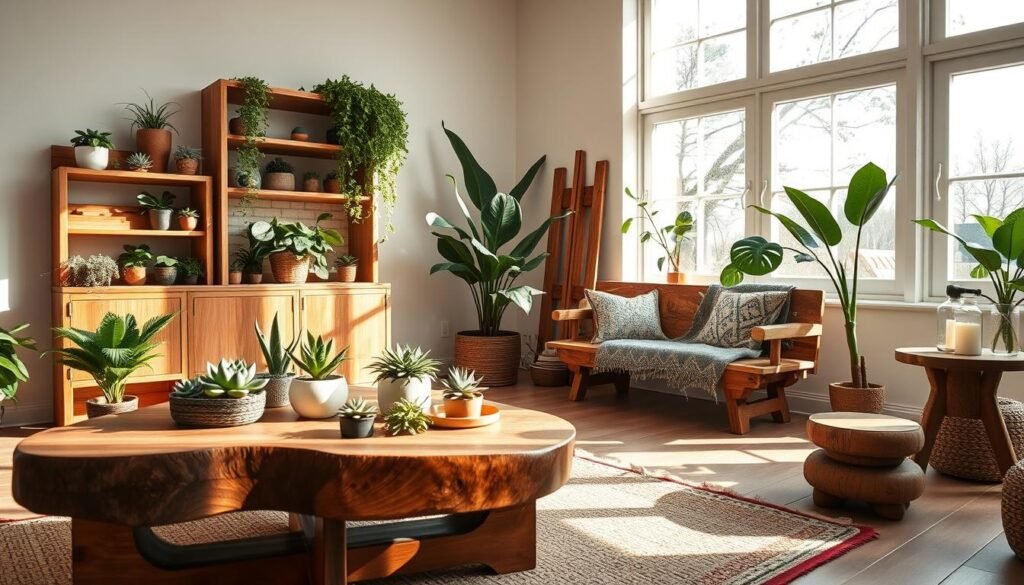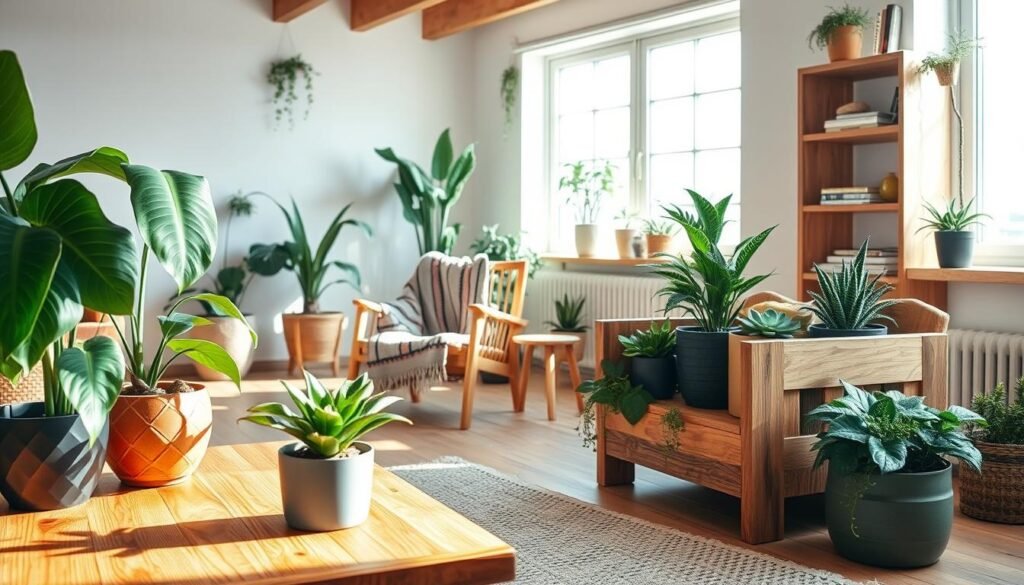
When thinking about a home makeover, it’s common to want to change everything. But, sometimes the best solution is not to overhaul the entire room. Instead, just adding a touch of life can make a big difference.
Adding a few well-chosen elements can bring new life into a room without a big renovation. This method saves time and money. It also allows for a more subtle and nuanced change.
By using interior design that focuses on warmth and character, homes become more inviting. Adding plants, artwork, or other decorative items is key. The goal is to find the perfect balance.
The Difference Between Decor and Life in Your Space
The line between decor and life in a space is often blurred. Yet, knowing the difference is key to a vibrant home. Decor includes furniture arrangement, color scheme, and other design elements. These are vital in setting a room’s look and feel.
“Life” in a space means its energy and vibrancy. It’s about making a space welcoming and lively. Decor focuses on looks, but life is about the experience of being there. A room might look great but feel dull if it lacks energy.
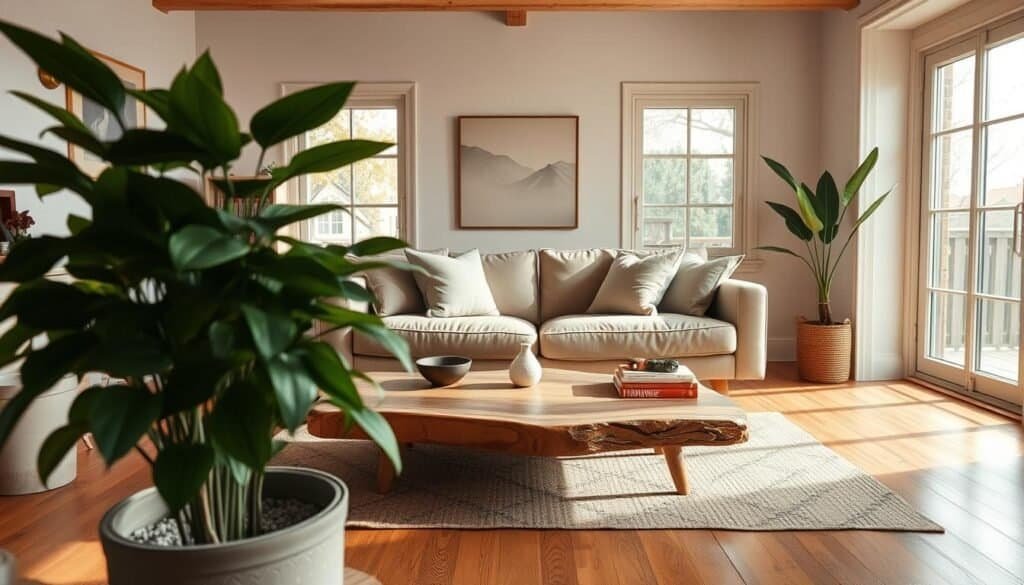
- A well-planned furniture arrangement that encourages interaction
- A color scheme that evokes the desired mood
- Incorporating natural elements and textures
- Using lighting to create ambiance
Understanding decor and life helps create a space that looks good and feels alive. It’s about finding the right mix of beauty and atmosphere. This way, your home will feel truly alive.
Signs Your Room Needs Life, Not More Decor
There’s a fine line between a room that’s decorated and one that’s truly alive. When a space feels stagnant, it’s often a sign that it needs more than just additional decor.
Key indicators that your room needs a boost of life include a lack of character, dullness, and a feeling of emptiness, even after decorating efforts.
- A space that feels cold and uninviting
- Lack of texture and depth
- No natural elements or living components
Incorporating indoor plants can be a simple yet effective way to bring life into a room. Not only do they purify the air, but they also add a touch of nature, making the space more welcoming.
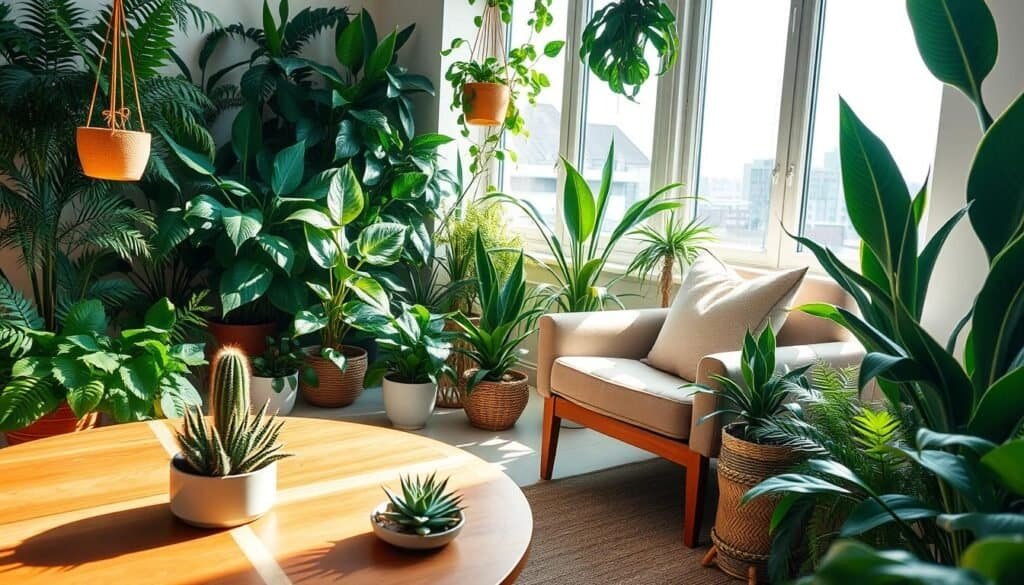
By recognizing these signs and introducing elements like house plants decor, you can transform your space. This approach to space transformation focuses on creating a harmonious balance between decor and living elements.
Bringing Nature Indoors: The Power of Houseplants
Houseplants can make your home feel more welcoming and lively. They’re not just pretty; they also clean the air and help keep your home healthy.

There are many houseplants to choose from, fitting different styles and care levels. For easy care, Snake Plants and ZZ Plants are great. They do well in low light and need water only sometimes, perfect for those with little time.
Money Plants and Pothos Varieties
Money Plants and Pothos Varieties add elegance. Their long vines and heart-shaped leaves beautify any space. They like bright, indirect light and regular water.
Monstera and Philodendron Varieties
Monstera and Philodendron Varieties make a bold statement. The Monstera leaf stands out with its unique holes and size. These plants need well-draining soil and bright, indirect light.
Tall Floor Plants for Empty Corners
Tall Floor Plants fill empty spaces and add height. Species like green plants Dracaena and Philodendron grow tall. They need regular pruning to keep their shape.
Adding these plants to your home boosts the house plants aesthetic and improves air quality. Whether you’re looking for indoor plants decor or just want to liven up your space, there’s a plant for you.
Creating a Plant Care Schedule That Works
A good plant care schedule is key to keeping indoor plants healthy. It’s important to have a routine for watering, lighting, and fertilizing. This ensures your plants get what they need.
First, figure out what your plants need. Some need more water, while others like it drier. Check the soil by sticking your finger in it up to the first knuckle. If it’s dry, it’s time to water. For more tips on mixing plants with other elements, check our related article.
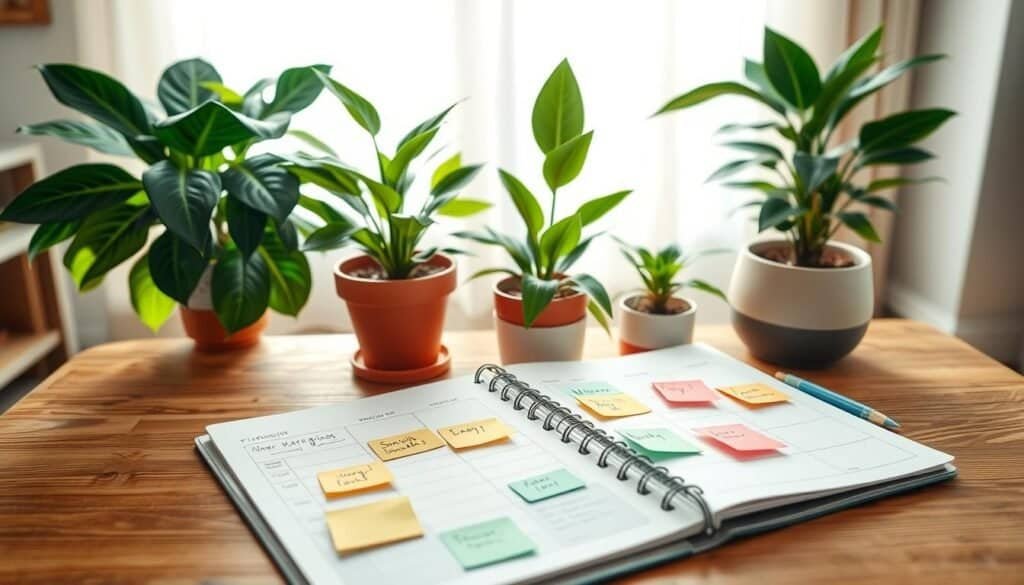
Next, make a houseplant watering schedule. Use a calendar or app to remember when to water. Also, think about how much light your plants need. Some need direct sunlight, while others prefer indirect or low light. Move them to the right spot to get the right light.
Lastly, remember to fertilize your plants. Use a balanced fertilizer in the growing season (spring and summer) to help them grow. By following these steps and making a indoor plant care schedule that fits your plants, you’ll enjoy beautiful, healthy houseplants.
When Your Room Needs Life: Strategic Plant Placement
When it comes to indoor plants styling, where you place them matters a lot. The way you arrange your plants can really change how a room feels.
One great way to stand out with your plants is by setting up floor-to-ceiling plant displays. You can use tall planters or shelves to stack plants from the floor to the ceiling.
Floor-to-Ceiling Plant Displays
Floor-to-ceiling plant displays add a bold touch to any room. They also help clean the air and bring nature indoors. To pull off this look, mix different plant sizes and textures for depth and interest.
Grouping Plants of Different Heights
Another smart idea for indoor plant shelving ideas is to group plants by height. Place smaller plants on tables or shelves, and put bigger ones on the floor.
For more ideas on indoor plants shelf ideas, check out this article on chic indoor wood plant shelves for modern apartments.
Here are some other indoor plant corner ideas:
- Use corner shelves to make the most of space
- Make a plant corner with hanging and potted plants
- Choose plants with different textures and sizes for interest
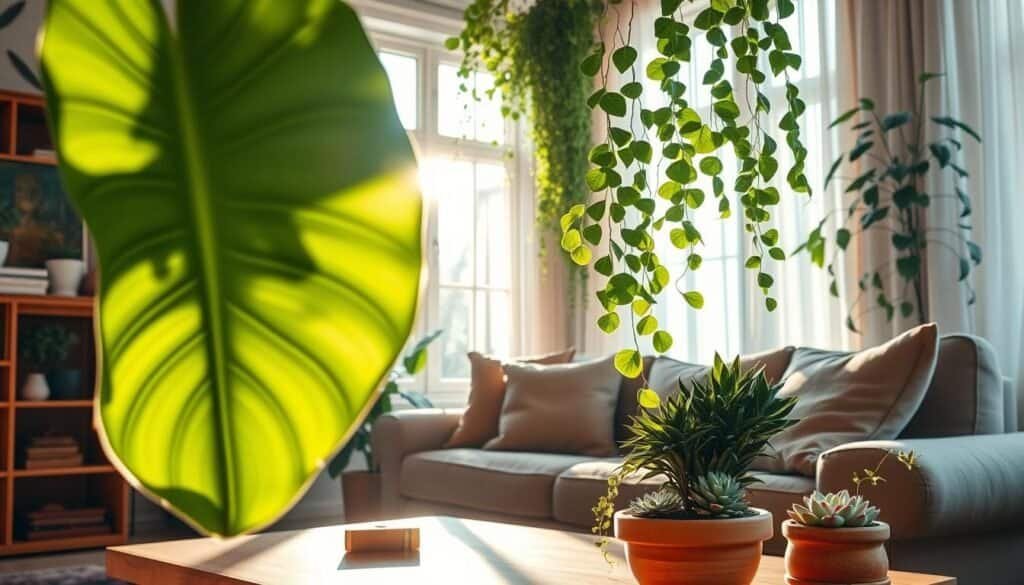
Creating Plant Accent Walls and Focal Points
A well-designed plant accent wall can be the centerpiece of your living room decor. By incorporating plants into your wall design, you can add depth, texture, and visual interest to the space.
To create a stunning plant accent wall, start by selecting the right plants. Choose a mix of plants with varying textures and heights to add depth to your display. Some popular options include ferns, succulents, and flowering plants like orchids or bromeliads.
Tips for Creating a Plant Accent Wall:
- Use a mix of plant sizes and textures to add visual interest.
- Select plants that thrive in low-light conditions if your living room doesn’t get much natural light.
- Consider using a trellis or other support system to maximize space.
When arranging your plants, consider creating a focal point by grouping taller plants together or using a statement piece, like a large fern or a flowering plant.
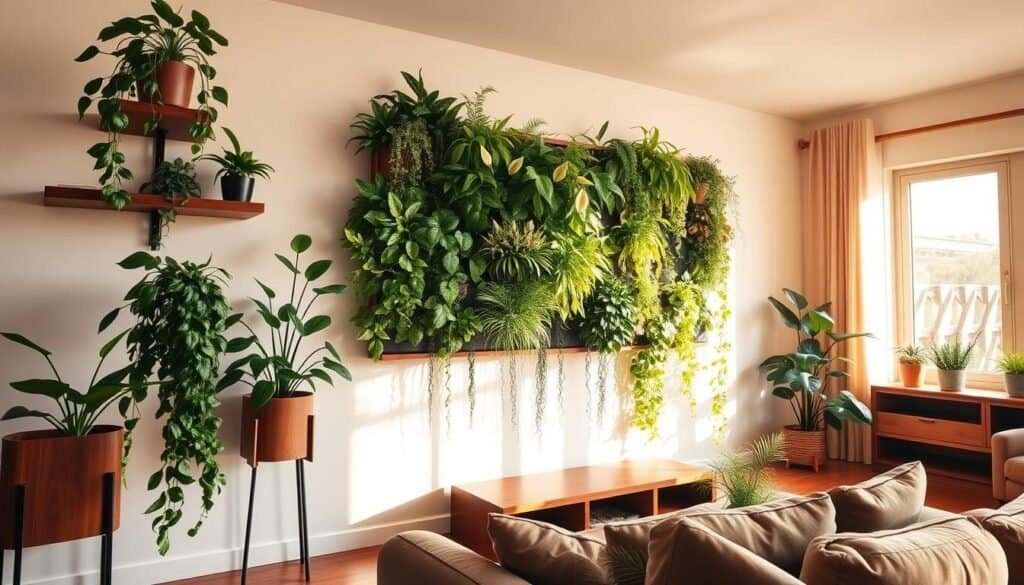
By following these tips, you can create a beautiful plant accent wall that adds life and energy to your living room. Whether you’re looking to create a calming oasis or a vibrant display, a well-designed plant accent wall can be the perfect solution.
Beyond Plants: Natural Elements That Add Life
There are many natural elements that can make your home feel warmer and more alive. Adding these elements can really improve how your living space looks and feels.
Using natural textiles is a great way to make a room feel cozy. Wool, jute, and linen can add warmth and depth. For instance, a jute rug can make a living room feel snug. Linen drapes can add a touch of sophistication.
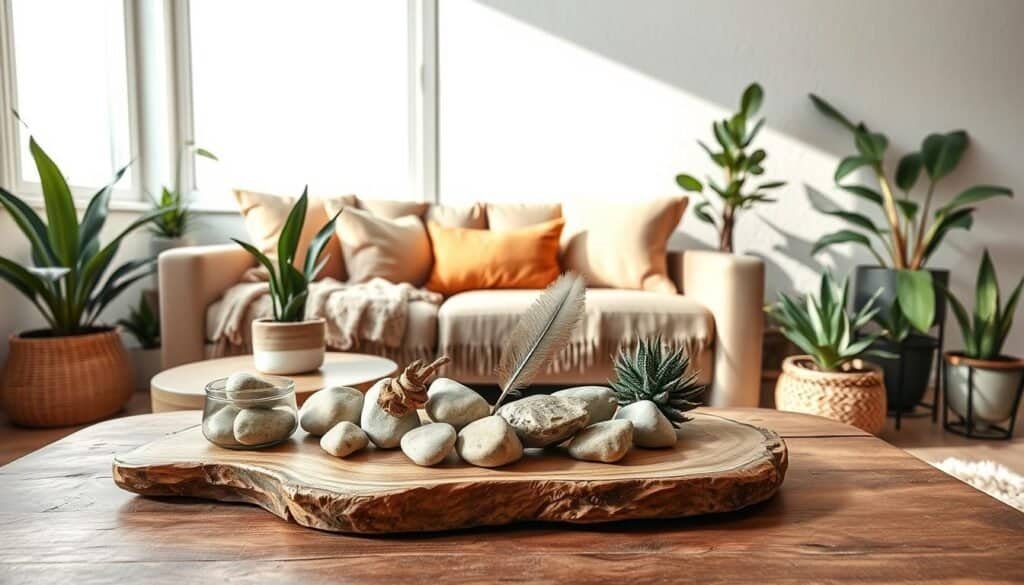
Wood accents are another home decor idea to consider. Wooden furniture or decorations can make a room feel cozy and welcoming. For more ideas on mixing wood with plants, check out this article on pairing natural plants with wood.
Stone features can also bring life to a room. A stone fireplace or a decorative stone vase can bring the outdoors in. This makes your space more dynamic and interesting.
By adding these natural elements, you can make your home feel more inviting and lively. It’s all about finding the right mix that suits your space.
Light and Movement: Dynamic Elements for Static Spaces
To make a room come alive, think about adding light and movement. These elements can turn a dull space into a lively place.
Using new lighting fixtures is a great way to add light. LED lights can change colors or brightness, making the room feel different. Also, placing lamps or sconces right can show off the room’s features or art, adding depth.
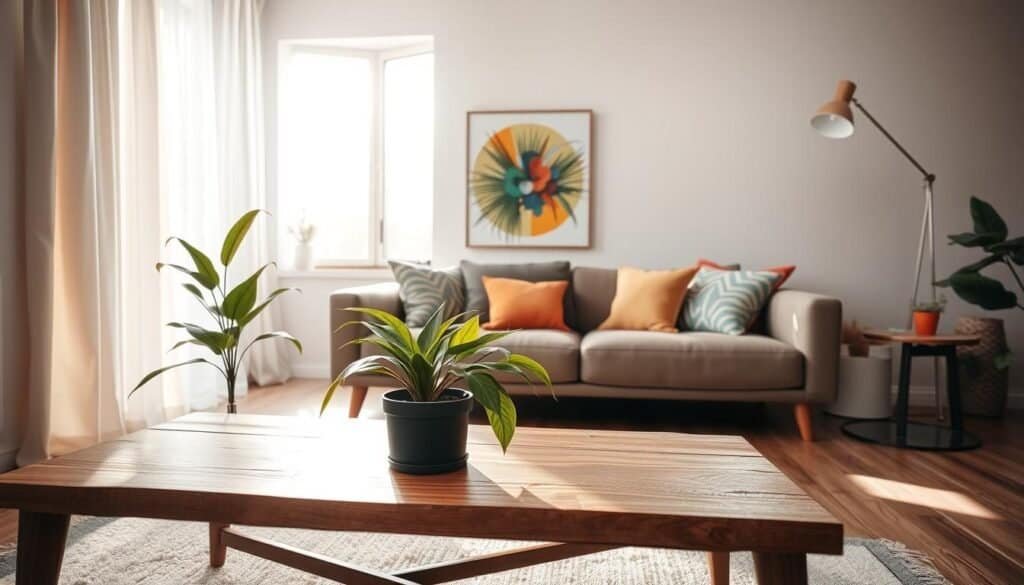
Movement can be brought in with mobiles or kinetic sculptures. These add interest and can make the room feel calm. For example, a mobile in a nursery or bedroom can be both calming and beautiful.
Adding plants can also make the room look better. A room full of plants not only cleans the air but also brings in a natural feel. Try arranging plants to make the room feel like it’s moving, like with hanging planters or tiered shelves.
When adding dynamic elements, keep these tips in mind:
- Check the room’s natural light and figure out how to add to it.
- Pick lighting that looks good and works well.
- Choose mobiles or sculptures that match the room’s style and colors.
- Make sure to place dynamic elements in a way that doesn’t overwhelm the room.
By carefully adding light and movement, you can make a static space feel welcoming and lively for everyone.
Color Psychology: Using Hues to Energize Spaces
Understanding color psychology is key to energizing your living space. Colors deeply affect our emotions and surroundings. They influence our mood and energy levels.
When picking a color scheme, think about the atmosphere you want. For an earthy plant room aesthetic, use greens and browns. These colors bring calm and connect us to nature. They work well with houseplants indoor, making the space feel natural.
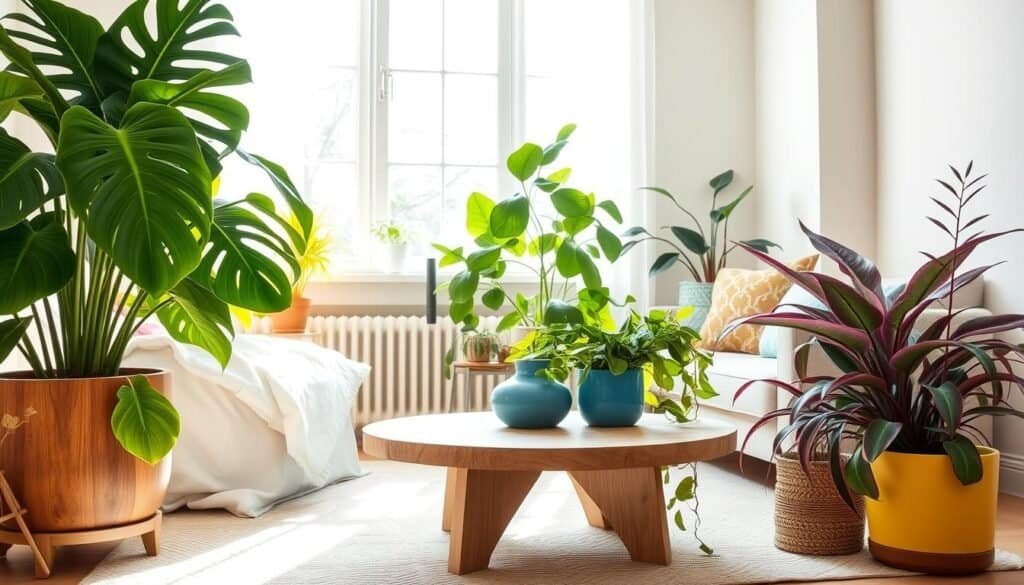
Different colors make us feel different ways. Blue is calming, while yellow boosts creativity. Choosing colors that match your goals makes your space look and feel great.
To use color psychology well, first figure out the room’s purpose and mood you want. Then, pick a color scheme that fits this atmosphere. Think about the wall color and the furniture and decor you’ll add.
Textural Elements That Create Dimension
Adding different textures can make any space feel more alive. Texture is key in interior design, adding depth and beauty. Mixing textures creates a layered, engaging space.
Natural materials like wood, stone, and fibers are great for texture. They warm up a room, making it cozy. For example, a wooden coffee table or a stone vase can add a natural touch.
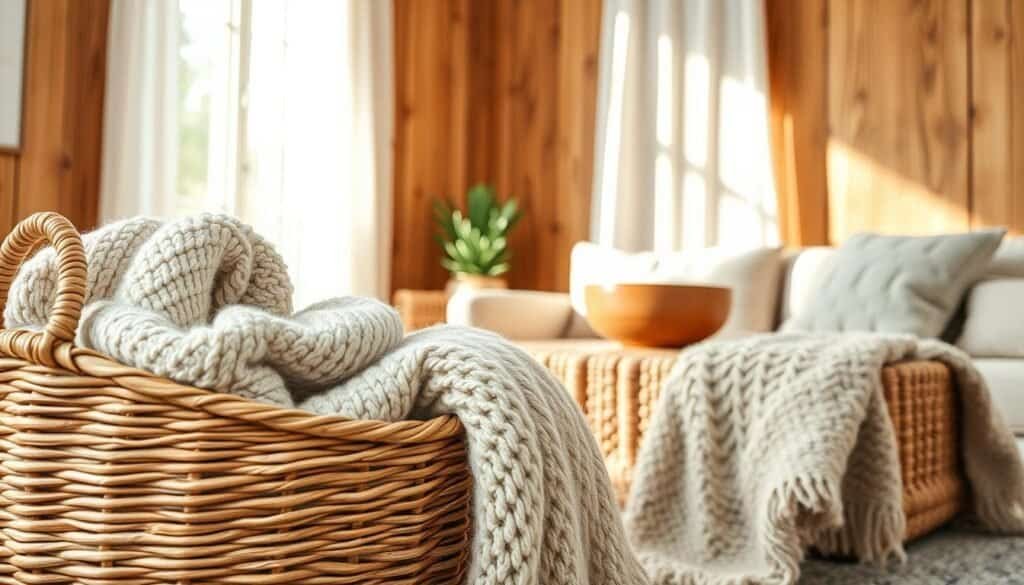
Humidity-loving plants with unique textures also add depth. Plants like ferns and peace lilies clean the air and add texture. Their varied leaves and growth patterns make a room interesting.
Using furniture and decor with different textures can also change how a room feels. Mixing smooth surfaces like glass or metal with rougher textures like burlap or brick makes a space dynamic. Even natural elements for countertops, like granite or marble, can add texture.
By carefully choosing various textures, you can make a space rich and inviting. It becomes multi-dimensional and welcoming.
Room-by-Room Guide to Adding Life
To make your home lively, think about each room’s unique needs. This way, you can make spaces that are not just pretty but also full of life.
Plant Corner Ideas for Living Rooms
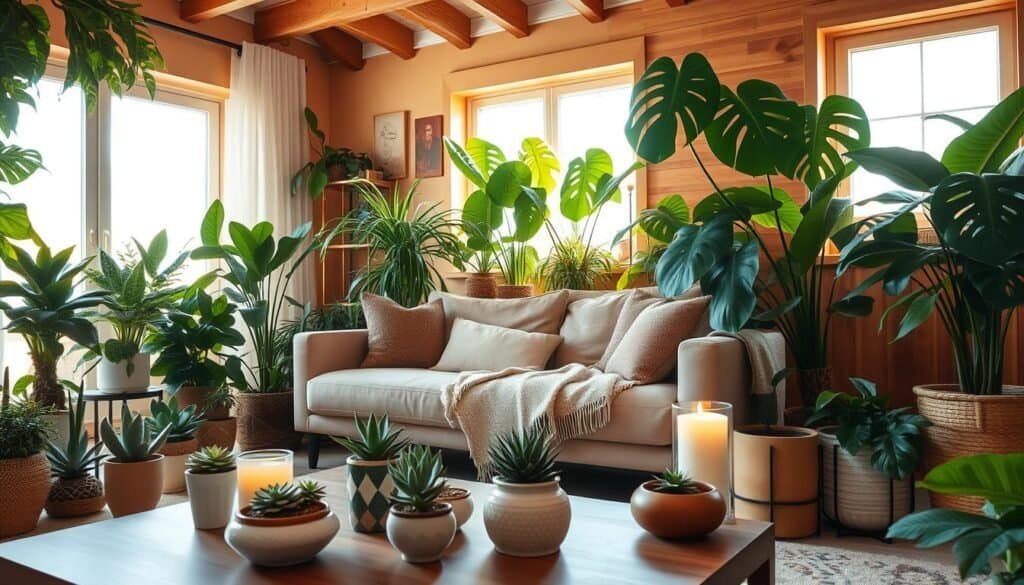
In the living room, a big floor plant or a stylish plant shelf can make a big difference. Mix plants with different textures and heights to catch the eye.
- Choose tall plants like snake plants or fiddle leaf figs.
- Hang plants or create a living wall for more greenery.
- Play with plants of different shapes and colors.
Coffee Table Styling with Natural Elements
For your coffee table, try a decorative bowl with river rocks, shells, or pebbles. A small vase with fresh flowers or a potted plant also works well.
Bedside Plant Arrangements and Natural Textiles for Comfort
In the bedroom, soft textiles and calming plants create a peaceful vibe. Use cotton or linen for bedding and curtains. Add some greenery with easy-to-care-for succulents.
Humidity-Loving Plants for Bathrooms and Natural Materials That Withstand Moisture
Bathrooms do well with plants that love humidity, like ferns or orchids. Choose natural materials like bamboo or teak for accessories to add warmth and texture.
Herb Gardens and Edible Plants for Kitchens, and Natural Elements for Countertops
In the kitchen, an herb garden or pots of basil or rosemary can add freshness. Use natural materials like granite or butcher block for countertops to warm up the space.
By following these tips for each room, you can make your home lively, full of energy, and beautiful.
Conclusion: Embracing the “Just Enough” Philosophy
Creating a lively space doesn’t always mean adding lots of decor. Sometimes, a few key elements can make a big difference. By using home decor ideas that include plants, you can make your room feel alive and welcoming.
The houseplants aesthetic is very popular for good reasons. Plants not only clean the air but also make a room feel more vibrant. By choosing the right elements, you can find the perfect balance between decor and life.
The aim is to make your space feel like home. By following the “just enough” philosophy, you can avoid too much clutter. Instead, focus on adding special touches that make your space unique. Whether it’s a piece of art or a vase with flowers, finding that balance is key.