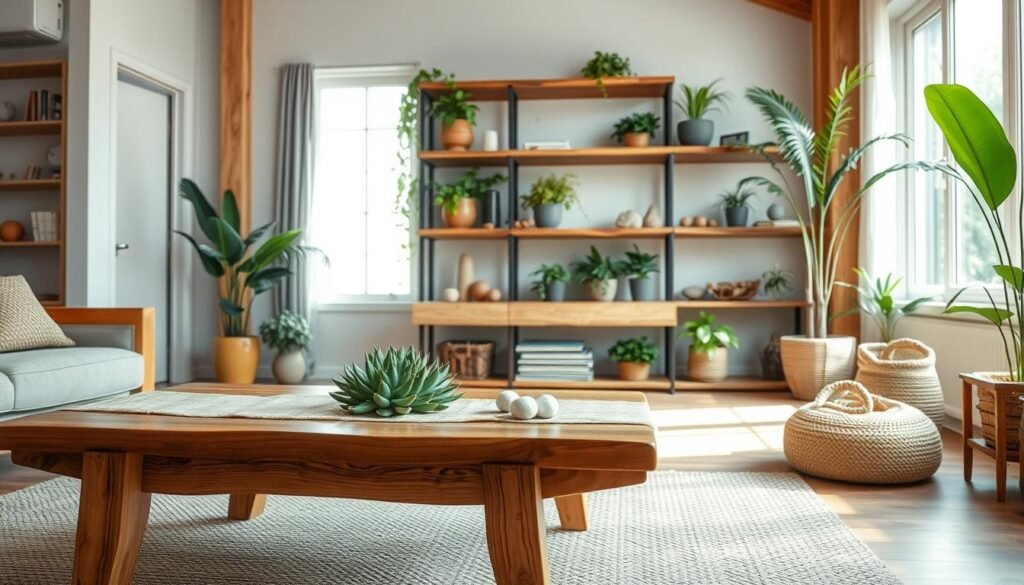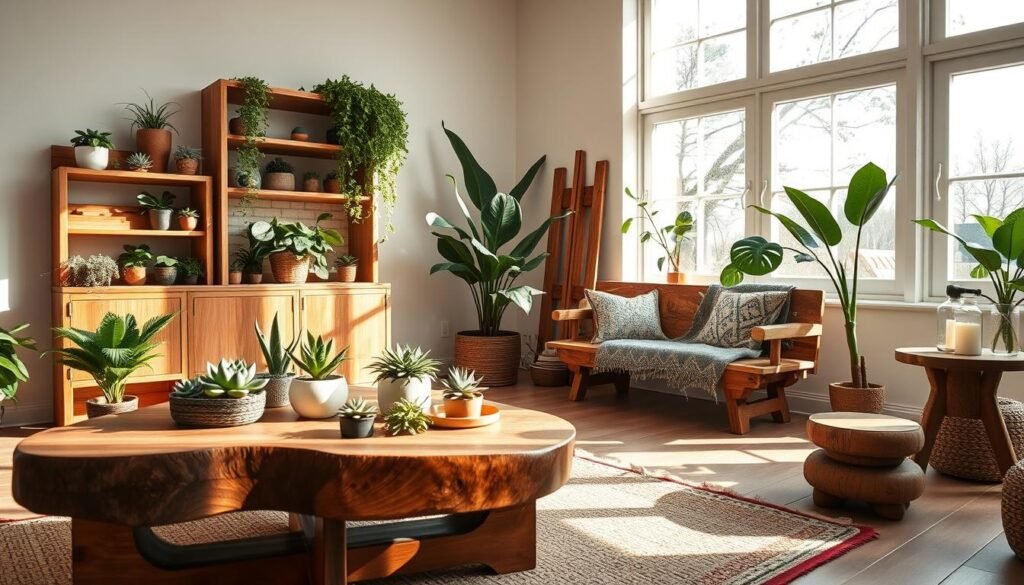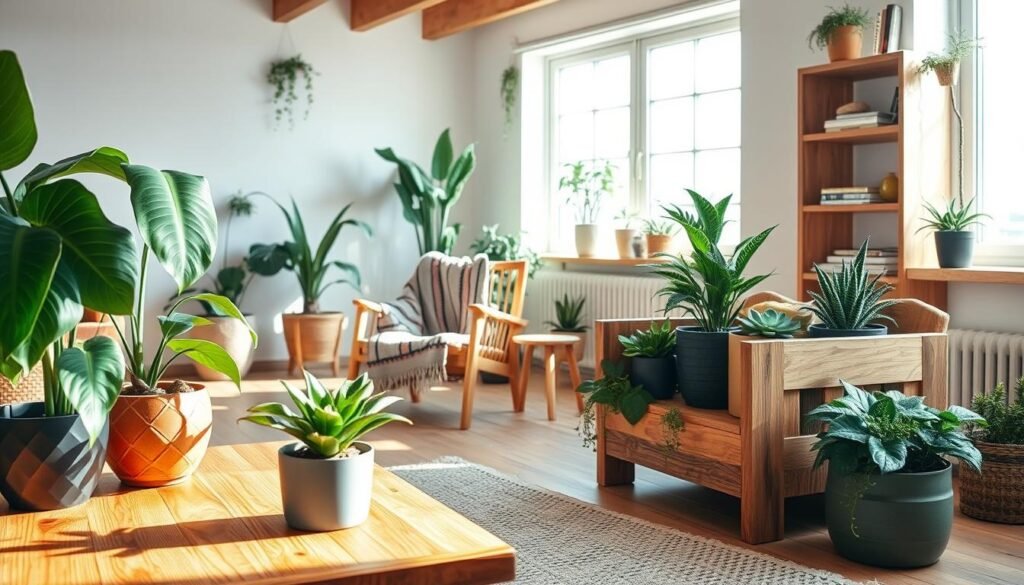
Indoor spaces can sometimes lack a personal touch, making them seem cold and uninviting. But, adding elements of nature, like indoor plants, can really improve the feel.
Adding house plants to your decor not only makes your space look better. It also makes it feel more welcoming. With so many styles and types of indoor plants out there, you’re sure to find the perfect one for your home or office.
By carefully choosing indoor plants for your space, you can turn it into a cozy and lively place. It will reflect your personal style. Whether you want to make your home look better or your office more inviting, the right plants can make a big difference.
The Biophilic Connection: Why We Need Green Companions
Having plants around us is more than just pretty. It’s tied to our biology. Humans naturally want to connect with nature, a feeling called biophilia. This love for nature is not just about looks but is part of our evolutionary roots.
Evolutionary Roots of Plant-Human Relationships
Humans and plants have been connected for ages. Plants were key to survival and health in ancient times. Today, our bond with plants affects our mind and body health. Some important parts of this connection include:
- The calming effect of being around plants
- The role of plants in air purification
- The possibility of plant communication and plant consciousness
The Subtle Influence of Living Elements
Living things like plants quietly change our world and our health. They help us feel connected to nature, even in cities. To boost this feeling, try pairing your plants with a warm wood for a cozy indoor space.
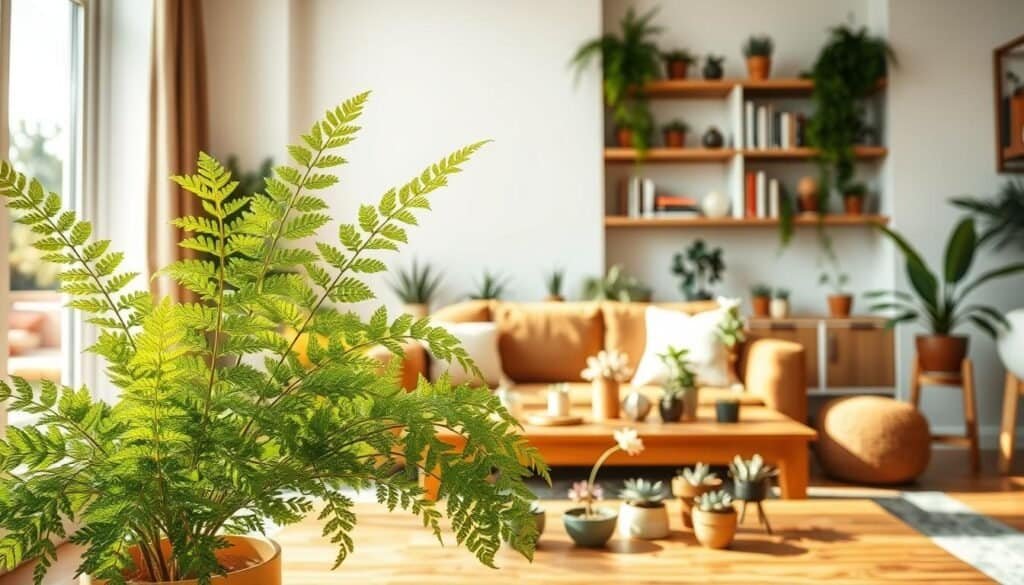
By understanding and caring for our bond with plants, we can enjoy the benefits of this ancient tie. It helps us live healthier and more balanced lives.
How Plants Improve Mental Wellbeing and Reduce Stress
Adding plants to your home can greatly improve your mental health. Studies show that plants can reduce stress and boost mental wellbeing. They create a calm atmosphere, bringing peace and tranquility.
Plants as Natural Mood Enhancers
Plants are natural mood enhancers, with some species affecting us more than others. Plants with bright colors or fragrant flowers can lift our mood and fight depression. Adding a soft wooden touch to your greenery can make the space even more calming.

Setting up a meditation area with plants can enhance your mindfulness. Choose plants with different textures and colors to create a soothing space. This can help reduce stress and make it easier to meditate.
To get the most mental health benefits from plants, pick ones that are easy to care for. Snake plants, spider plants, and peace lilies are great choices. They purify the air and can thrive in various conditions.
The Air-Purifying Power of Indoor Plants
Indoor plants do more than look good. They also clean the air we breathe. This makes our homes healthier places to be.
NASA-Approved Air-Filtering Varieties
NASA found some plants that clean the air well. Spider Plants, Peace Lilies, and Snake Plants are top choices. They remove harmful chemicals from the air.

Plants make oxygen and take in carbon dioxide through photosynthesis. This helps clean the air. They also remove pollutants, making our homes safer.
Knowing how plants improve air quality helps us choose the right ones. With the right plants, our homes can be healthier and more comfortable.
Creating Living Spaces Where Plants Feel Human Connections
Understanding how plants interact with their environment helps us design spaces that feel welcoming. This approach makes our homes look better and strengthens our bond with plants.
The Concept of Plant Intelligence in Home Design
Recent studies show that plants can respond to their surroundings in complex ways. This knowledge lets us design homes that meet the needs of both humans and plants. It promotes a peaceful coexistence.
For example, placing plants in the right light can help them grow better. This improves the air in our homes. It’s a key part of plant intelligence in home design. It shows how knowing about plant behavior can guide our decorating choices.

Plants can sense human touch, sound, and emotions. By recognizing this plant response to human interaction, we can make spaces that foster good interactions between humans and plants.
- Talking to plants can make them grow and stay healthy.
- Gentle touch or stroking leaves can help plant growth.
- Putting plants in social areas can make them part of our decor and interactions.
By using these insights in our decor, we can make living spaces that are both beautiful and caring. This approach to home design can improve our well-being and help us appreciate nature more.
Plant Placement Strategies for Maximum Impact
Choosing the right spot for your plants is key to making your home look better. By picking the perfect spot, you can make any room look and feel better.
Using Monstera, Philodendron, and Other Dramatic Varieties
Dramatic plants like Monstera and Philodendron can be real showstoppers. Here are some tips to make them stand out:
- Place them in corners to add depth and texture.
- Use them as a focal point in a room by placing them on a console table or side table.
- Hang them near windows to create a lush, verdant feel.
From Living Room Plants to Bathroom Sanctuaries
Different rooms offer unique chances for plant placement. For living room plants, put them on coffee tables or shelves for a green touch. In bathrooms, plants like ferns or orchids do well in humid air, making a peaceful spot.
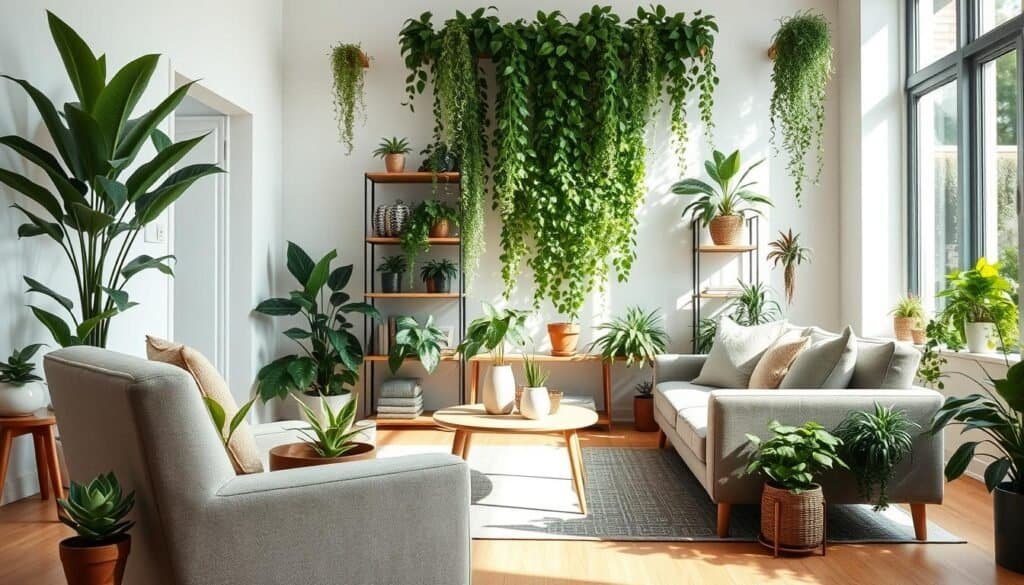
By using these plant placement strategies, you can make your living space more welcoming and stunning. Whether it’s a Monstera in the living room or a peace lily in the bathroom, the right spot can change everything.
The Art of Plant Styling: Beyond Basic Greenery
Plant styling is more than just adding plants to your home. It’s about mixing plants with your decor to make your space lively. This turns your home into a colorful oasis.
Combining Ferns, Ivy, and Flowering Plants
Mixing different plants is key in plant styling. Ferns, ivy, and flowering plants add texture and color. For example, combining ferns with ivy and colorful flowers creates a lush look.
Think about each plant’s needs when mixing them. This careful planning makes your home look better and feel welcoming.
Creating Wood and Plant Accent Wall Combinations
Wood and plant accent walls are another cool way to style your home. They mix living plants with wood for a stunning look. Wood and plant accent walls bring warmth and depth to your space.
To make one, attach wooden slats to a wall and add plants. You can use planters or a living wall system. This mix of wood and plants makes your home cozy and inviting.
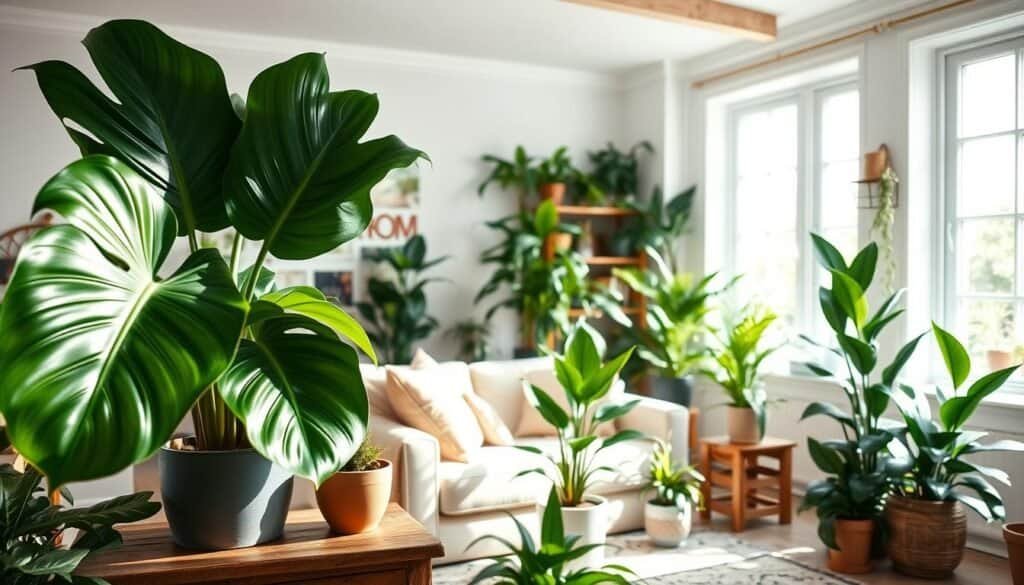
Plant Care Fundamentals for Thriving Indoor Gardens
Learning the basics of plant care is key to a healthy indoor garden. It’s important to understand how to create a good environment for your plants.
Creating and Maintaining a Plant Care Schedule
To keep your indoor plants healthy, you need a regular care schedule. This includes:
- Watering your plants at the right frequency
- Providing adequate light for your plants’ needs
- Fertilizing to promote healthy growth
- Pruning to maintain shape and encourage new growth
Consistency is key in plant care. Sticking to your schedule helps avoid many problems.
Recognizing Signs of Plant Stress and Solutions
Even with good care, plants can show stress signs. Common indicators include:
- Yellowing leaves, which can signal overwatering or underwatering
- Droopy leaves, often a sign of underwatering or low humidity
- Pests or diseases, which can be treated with appropriate remedies
By spotting these signs early, you can fix the issue. For example, adjusting your watering or treating pests can help your plants recover.
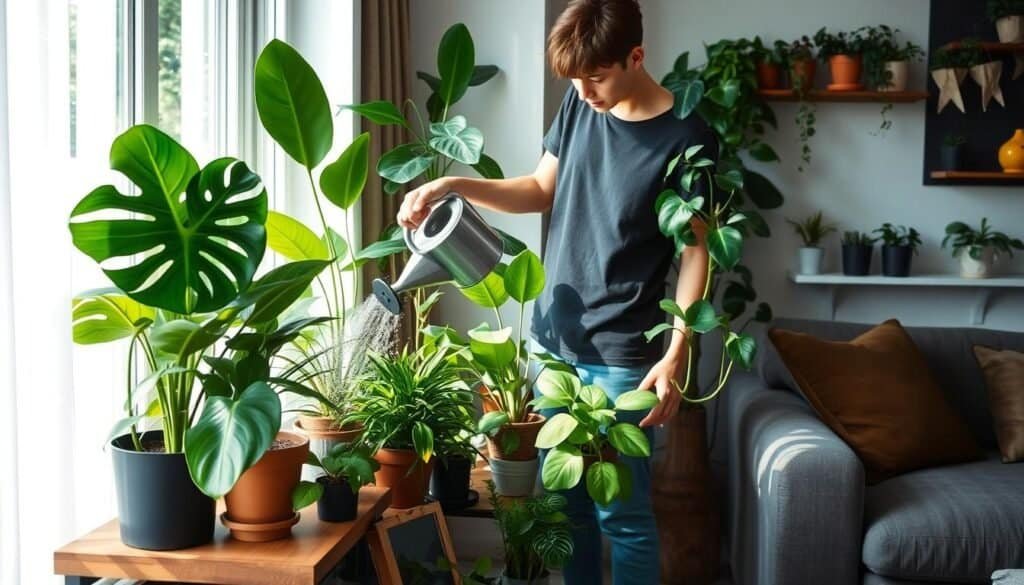
By mastering these plant care fundamentals, you can enjoy a lush, thriving indoor garden. It will bring joy and freshness to your home.
Creative Display Ideas: Shelves, Corners, and Vertical Spaces
To turn your home into a lush oasis, you need more than just plants. Creative display ideas can make any space vibrant. Use shelves, corners, and vertical spaces to show off your plants.
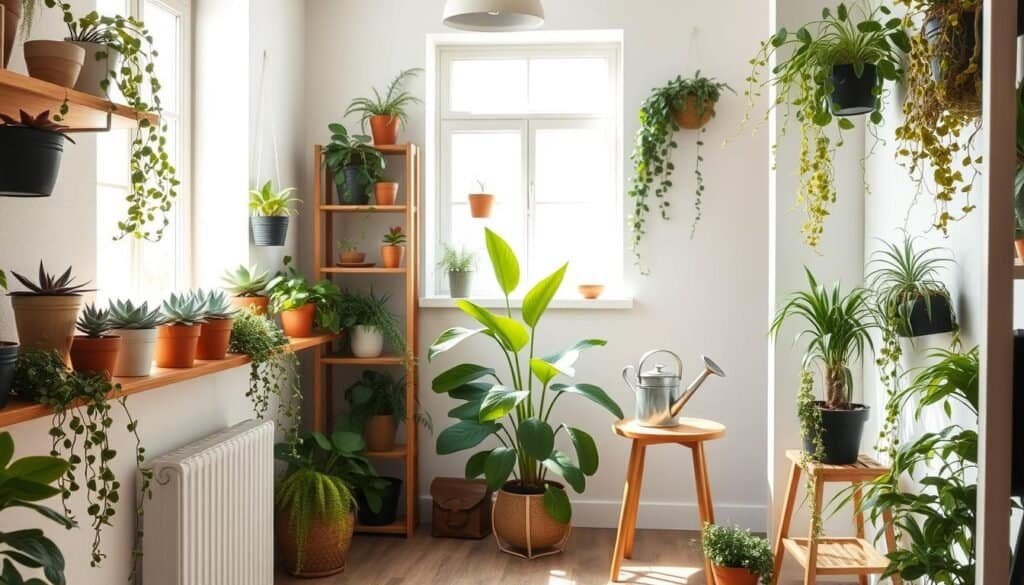
A well-designed plant corner can be the heart of your home. To get the perfect plant corner aesthetic, mix plants of different textures and sizes. Add a comfy seating area, and you have a cozy spot. For more ideas on blending nature with comfort, check out this article.
- Choose plants that do well in low light for corners with little natural light.
- Use a mix of hanging plants and potted plants to add depth.
- Add decorative elements like woven baskets or natural stone.
Vertical Gardens and Living Walls
If you have little floor space, vertical gardens and living walls are great. They save space and look amazing. You can use trellises, wall-mounted planters, or a DIY grid system.
- Pick plants that do well in a vertical setup.
- Make sure you have the right irrigation system.
- Think about your plants’ lighting needs when placing your vertical garden.
Plants for Different Living Environments
Starting a lush indoor garden means knowing what your space needs. Each environment has its own set of plants that do well.
Thriving Options for North-Facing Windows
North-facing windows get less sunlight, perfect for plants that like shade. Some excellent options are:
- Chinese Evergreen
- Pothos
- Snake Plant
These plants are not only beautiful but also tolerant of low light conditions. They’re great for rooms with little natural light.
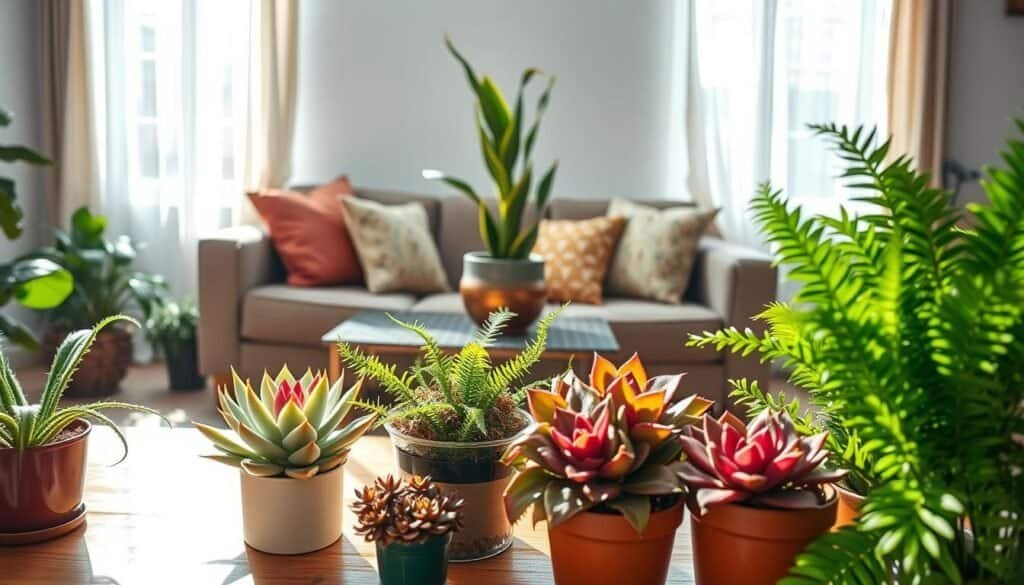
Busy homeowners or new gardeners should choose low-maintenance plants. Succulents and ZZ Plant are forgiving and easy to care for. They need less water and care.
These plants come in many shapes and sizes. They let you add greenery to your home easily, without a lot of work.
Seasonal Considerations for Indoor Plant Care
To keep your indoor plants healthy all year, you need to make seasonal care changes. Each season brings its own challenges and chances for growth.
Winter Protection and Summer Growth Strategies
In winter, plants need protection from cold drafts and less water because it’s colder and drier. Summer, on the other hand, is warmer and brighter. This means more water and maybe more fertilizer to help them grow.
Humidity, Temperature, and Seasonal Light Changes
Seasons also change indoor humidity and light. In dry winters, using a humidifier keeps plants moist if they like it that way. Summer can get too hot, so adjusting where plants sit or using curtains helps keep them cool.
The Social Aspect: How Plants Connect People
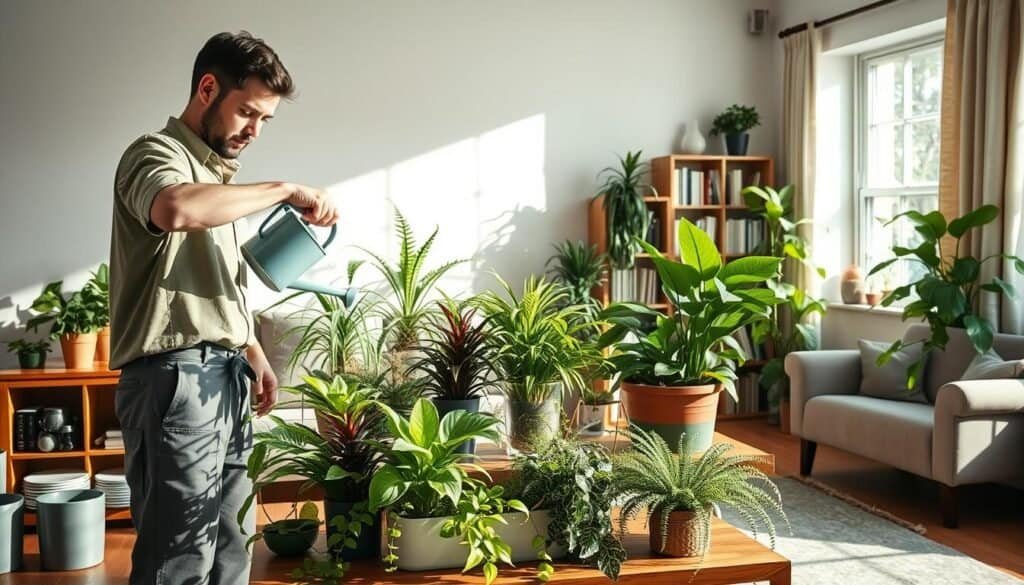
Plants bring people together, creating a space for sharing and learning. This common interest builds strong bonds and a sense of belonging among plant lovers.
The Joy of Sharing Cuttings and Plant Knowledge
Plant enthusiasts love to share cuttings and knowledge. They do this in many ways, like:
- Exchanging plant cuttings with friends and family
- Participating in plant swaps and events
- Sharing tips and advice on social media and online forums
Sharing plant cuttings does more than just grow new plants. It also strengthens connections and builds a community. It’s a way to spread the joy of plants and help others grow their own.
Online and Local Plant Communities
Plant lovers also connect through online and local groups. These groups are great for sharing experiences, asking questions, and learning from others.
Here are some ways to join in:
- Join online forums and social media groups focused on plants
- Attend local plant meetups and events
- Visit plant shops and nurseries to meet other enthusiasts
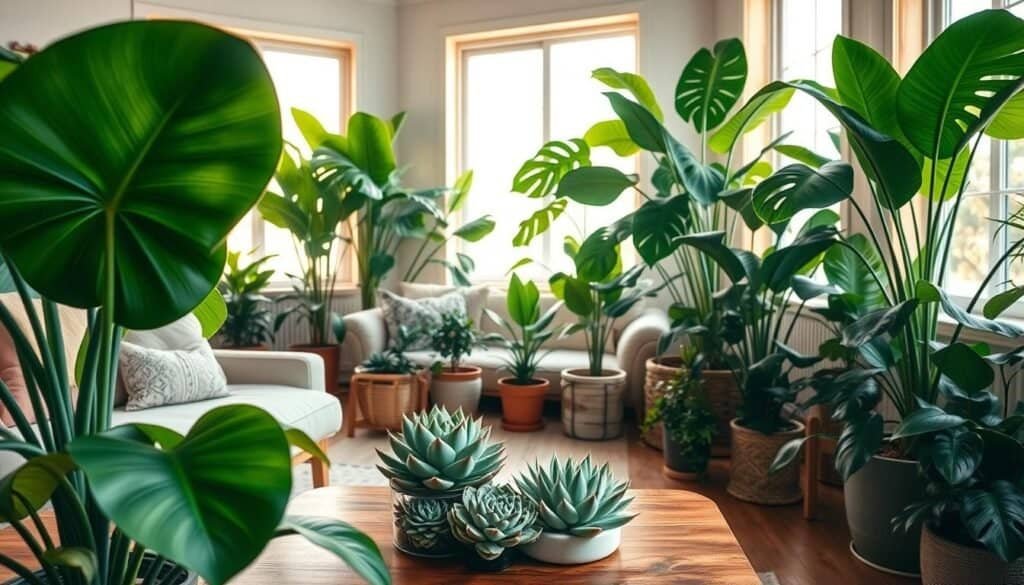
Being part of these communities helps plant enthusiasts grow their knowledge. They also make lasting connections with others who share their passion.
Conclusion: Embracing the Human-Plant Connection in Your Home
Incorporating plants into your home can greatly improve your mental health and life quality. By embracing the human-plant connection, you can make your home more welcoming and calming.
Start by combining natural elements like wood with your indoor plants. Check out the creative designs at The Sawdust Man. This mix of organic textures adds depth and warmth to your decor.
Adding indoor plants to your life improves your home’s look and makes it more serene. As you explore indoor plants, you’ll find joy in nurturing a connection that brings balance and harmony to your life.