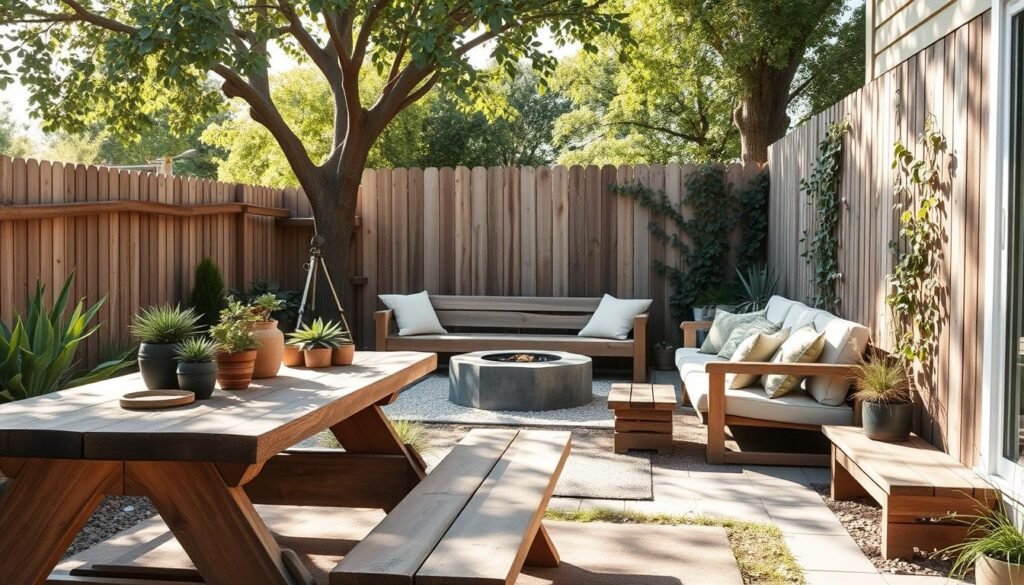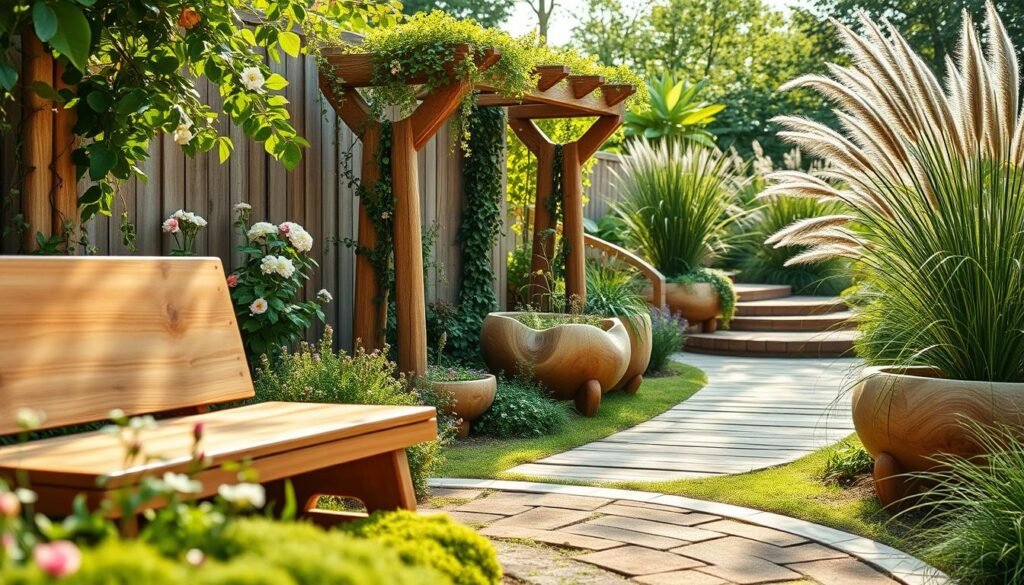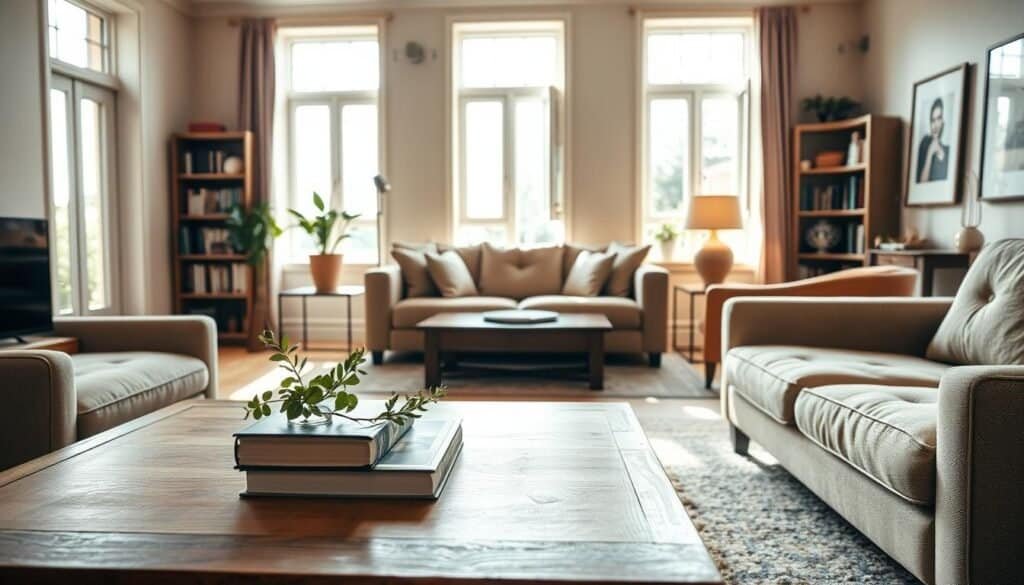
Ever walked into a beautifully designed room but it felt off? Maybe the furniture was sleek, and the colors were perfect. But the atmosphere felt harsh or uninviting. This often happens when a space lacks soft textures.
Soft textures can change a cold space into a cozy one. They make it feel more welcoming and comfortable. In interior design, mixing sharp, modern elements with soft textures is essential for a harmonious atmosphere.
Adding plush throw blankets, soft rugs, and comfy upholstery can make a space cozy. This invites relaxation. In this article, we’ll show how to add soft textures to your space. This will make your interior more balanced and inviting.
Understanding the Balance Between Sharp and Soft in Interior Design
To make a space look good, you need to mix sharp, modern things with softer, touchable ones. In interior design, achieving harmony with textures is key for a room that’s both modern and welcoming.
Creating Harmony with Textures
Textures add depth and interest to a room. Mixing different textures, like smooth surfaces, rough stone, and soft fabrics, creates a layered look. For example, sleek furniture with a plush rug and natural wood grain adds warmth and character.
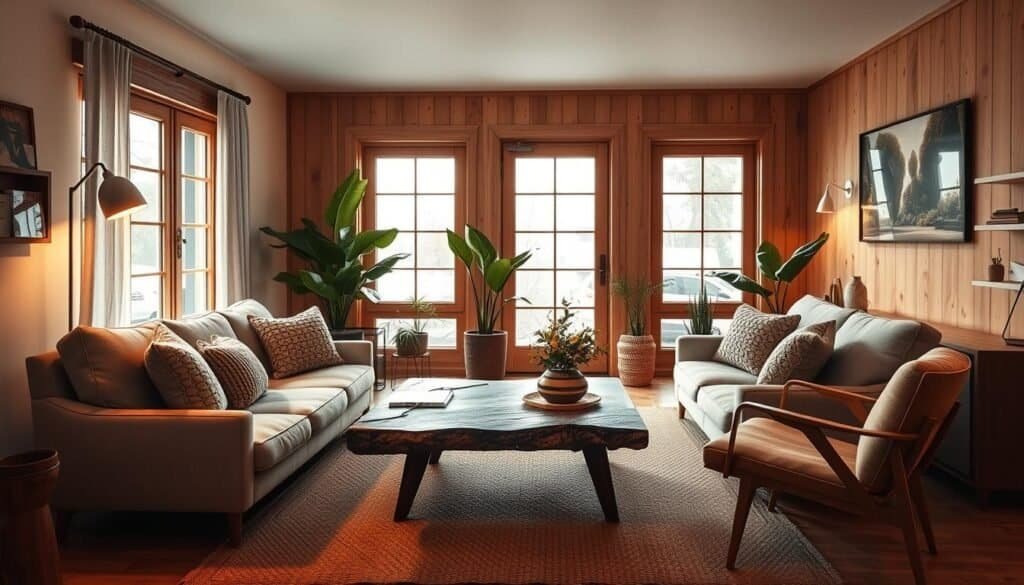
To get a balanced look, mix tactile things like throw blankets, pillows, and rugs with sharp, angular furniture. This mix makes a space that’s both sophisticated and cozy. For more ideas, check out our article on modern texture ideas that add warmth and.
By carefully mixing sharp and soft elements, you can make your home feel harmonious and inviting. The secret to a great room makeover is finding the right mix of textures and elements.
The Power of Textiles: Transforming Spaces with Fabric
Fabric is a powerful tool in interior design. It can change a sharp, modern space into a soft, welcoming one. The right use of textiles can make a room feel cozier and more inviting.
Using different fabrics in your decor is very effective. For example, plush throw blankets, velvet pillows, and soft rugs add texture. These elements make a room comfortable and look good. You can find inspiration for your next project by checking out modern texture ideas.

When picking textiles, think about the look you want. For a calm feel, choose soft colors and natural fabrics like cotton or linen. For a bold look, go for vibrant colors and patterns. The goal is to mix textures and patterns well for a soothing atmosphere.
Using seamless fabric patterns can also add interest to a room. These patterns can be used on wallpaper or upholstery for a unified look. By carefully choosing and mixing different textiles, you can turn your space into a cozy retreat that shows off your style.
Natural Wood Elements: Bringing Warmth and Character
Using natural wood in interior design is a classic choice. It adds warmth and character to any room. This makes the space feel more inviting and cozy.
The grain of natural wood is truly beautiful. The beauty of wood grain comes from its unique patterns and textures. These add depth and interest to your decor.
The Beauty of Wood Grain
Wood grain design is not just pretty; it tells a story. From the rustic charm of reclaimed wood to the sleek look of oak or maple, there’s a wide range of patterns. This variety opens up endless design possibilities.
- Reclaimed Wood: Adds a touch of history and character with its weathered look.
- Oak Wood: Known for its durability and classic, timeless appeal.
- Maple Wood: Offers a light, clean look that can brighten up a room.
You can add natural wood elements in many ways. This includes wooden furniture, paneling, or even wood accent walls. The key is to balance the wood tones with other elements in the room. This creates a harmonious and inviting atmosphere.

For example, pairing a wooden coffee table with a natural wood grain texture can enhance a room’s decor. Adding a wood-patterned rug can also add warmth. Experimenting with different wood textures and patterns can help you achieve a balanced, texture-rich space.
Some popular ways to incorporate natural wood include:
- Using wooden beams or paneling to add structural interest.
- Incorporating log texture through decorative elements or statement pieces.
- Selecting furniture with unique wood grain designs.
By thoughtfully integrating natural wood elements, you can create a space that feels both warm and welcoming. It’s perfect for relaxing or entertaining.
Room Feeling Too Sharp? Let’s Add Some Gentle Textures Through Wall Treatments
When a room feels too sharp, it’s time to add gentle textures. The right wall treatment can make a space cozy and inviting. Natural textures add depth and interest.
Stucco texture is great for a rustic, earthy look. It comes in various finishes, from smooth to textured. Stone texture seamless patterns mimic natural stone walls without the real thing.
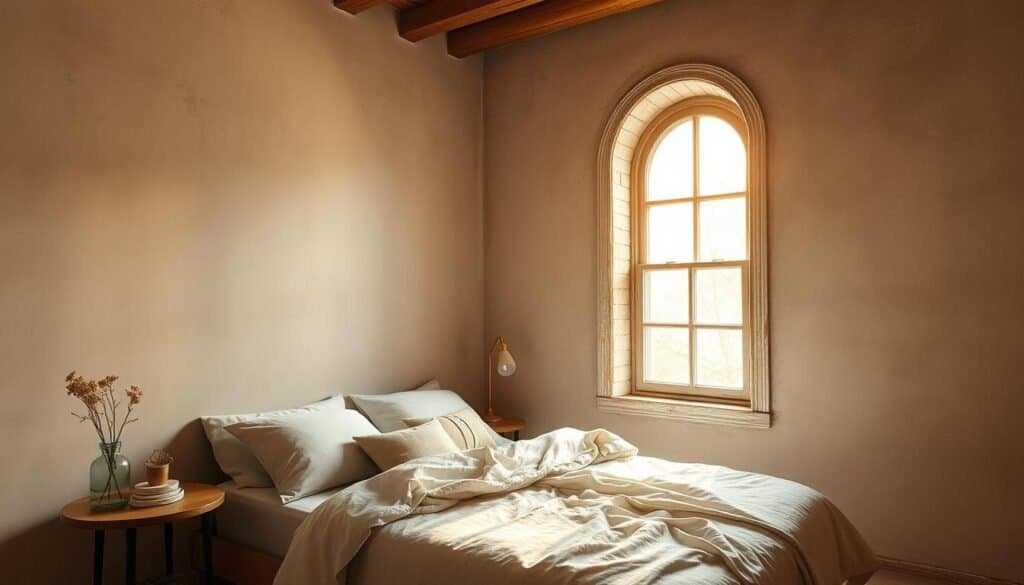
- Venetian plaster for a smooth, luxurious finish
- Textured wallpaper for a subtle, patterned look
- Reclaimed wood paneling for a rustic, natural ambiance
Choosing the right wall treatment can soften your room’s feel. It makes your space more welcoming. Whether you want a bold or subtle look, pick something that fits your decor.
Soft Flooring Solutions: From Rugs to Carpeting
Soft flooring adds warmth and comfort to any room. You can replace your flooring or just add warmth with rugs and carpeting. This makes a big difference.
Rugs bring style and texture to your space. They come in many materials, patterns, and sizes. For example, a rug with a brown wood texture or grain texture adds a natural feel.

Carpeting is a permanent solution, great for bedrooms and living areas. It makes your home quieter and cozier. Choose carpeting that matches or complements your furniture and decor.
For more ideas on adding texture and materials to your home, check out modern texture ideas. They add warmth and depth to your space.
Choosing the right soft flooring enhances your home’s comfort and look. Whether it’s a plush carpet or a stylish rug, your flooring sets the stage for your decor.
Natural Elements and Organic Materials in Interior Design
Natural elements and organic materials are key in making a space feel welcoming. They bring warmth, texture, and character to any home. By using elements from nature, you can make your home feel more inviting.
The Benefits of Natural Elements
- Bring the outdoors in by using natural materials like wood, stone, and plants.
- Create a sense of calm and serenity with organic textures and earthy tones.
- Enhance the aesthetic appeal of your space with unique, natural patterns.
The Role of Organic Materials
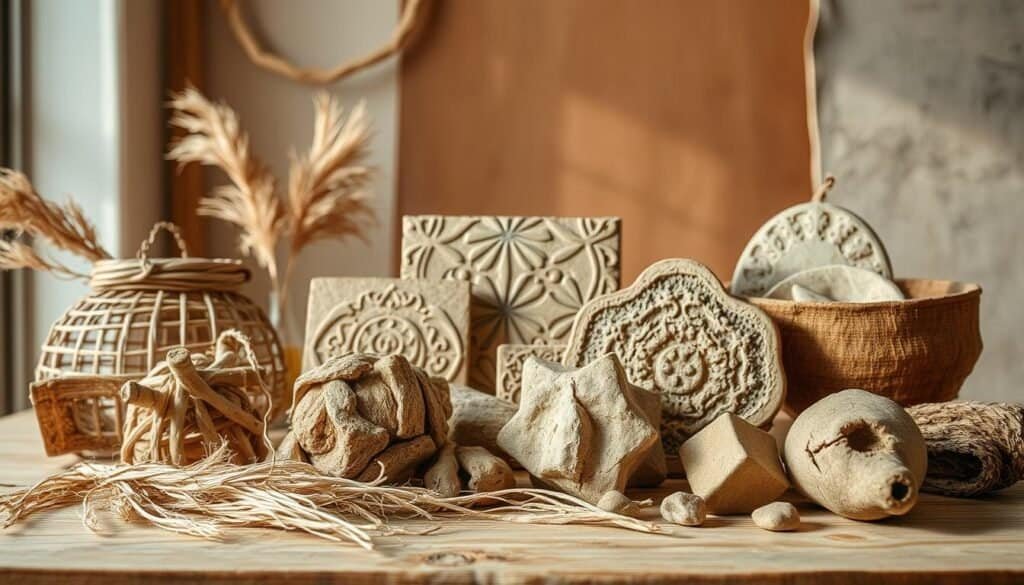
Organic materials are vital in interior design. They add depth and interest to a room. Materials like woven fibers, natural clays, and organic fabrics can be used in many ways, from furniture to wall treatments.
Here are some ways to use organic materials:
- Using natural fiber rugs to add warmth underfoot.
- Incorporating woven baskets and storage solutions.
- Selecting furniture made from natural woods or rattan.
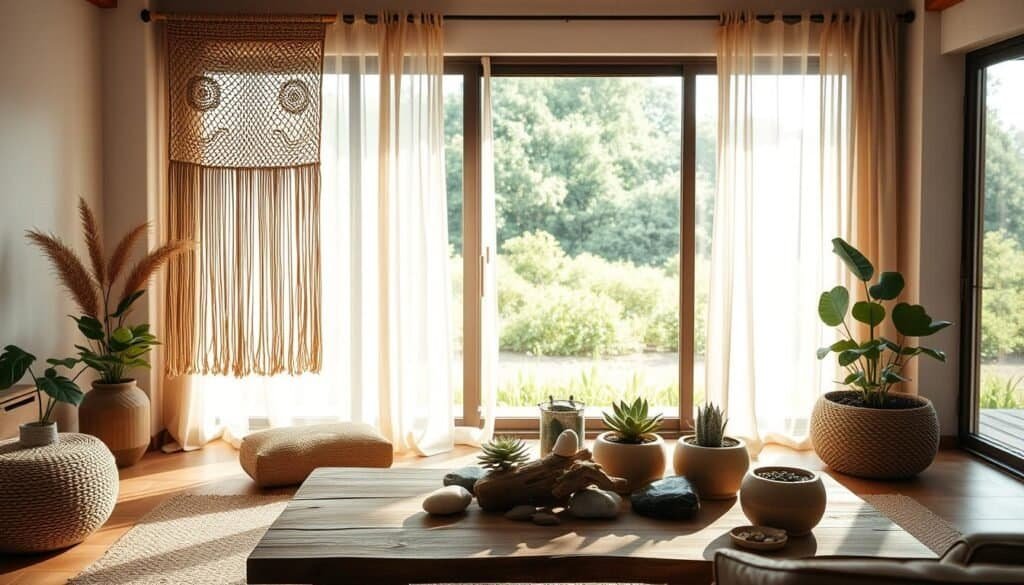
By carefully adding natural elements and organic materials, you can make a space that feels connected to nature. It will be both beautiful and functional.
Lighting Techniques to Soften Hard Edges and Surfaces
Effective lighting can change a room’s feel by softening its edges and surfaces. The right lighting techniques make your home feel more welcoming.
Layered lighting is a great way to soften edges. It mixes overhead, table, and floor lamps for a cozy feel. For example, a table lamp with a soft shade near a corner can soften its harshness.
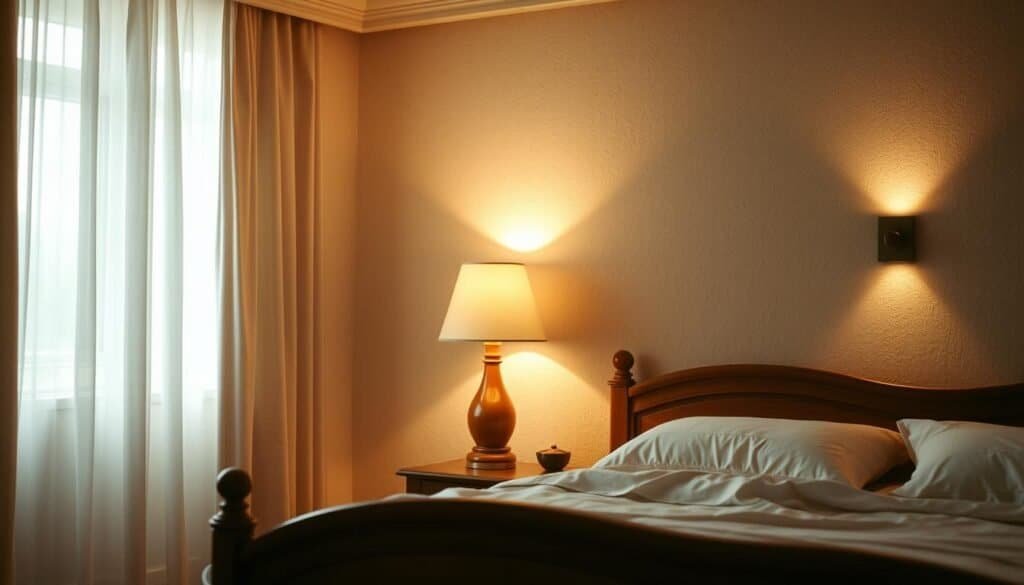
The type of light bulb also matters. Warm bulbs make a room cozy, while cool bulbs energize it. Using warm bulbs in a room with a gold texture background adds luxury.
Dimmers are also key. They let you change light levels for different times or activities. This is handy in rooms with many uses, like a living room that’s also a home office.
Using these lighting techniques can make your home more comfortable and beautiful. It’s all about creating a cozy atmosphere.
Accessories and Decor Items That Add Tactile Interest
Creating a space that feels good to touch is more than just furniture. It’s about the accessories and decor items you choose. These elements make a room feel welcoming and engaging.
Vintage accents are perfect for adding touch interest. Things like antique vases, old books, and vintage decor add character. They also invite you to touch them, making your space feel warmer and more inviting.
A wooden surface with rustic texture also adds to the feel of a room. Think about adding wooden decorative items or furniture with a warm, dark wood finish. For more ideas, check out The Sawdust Man for inspiration on wooden pieces.
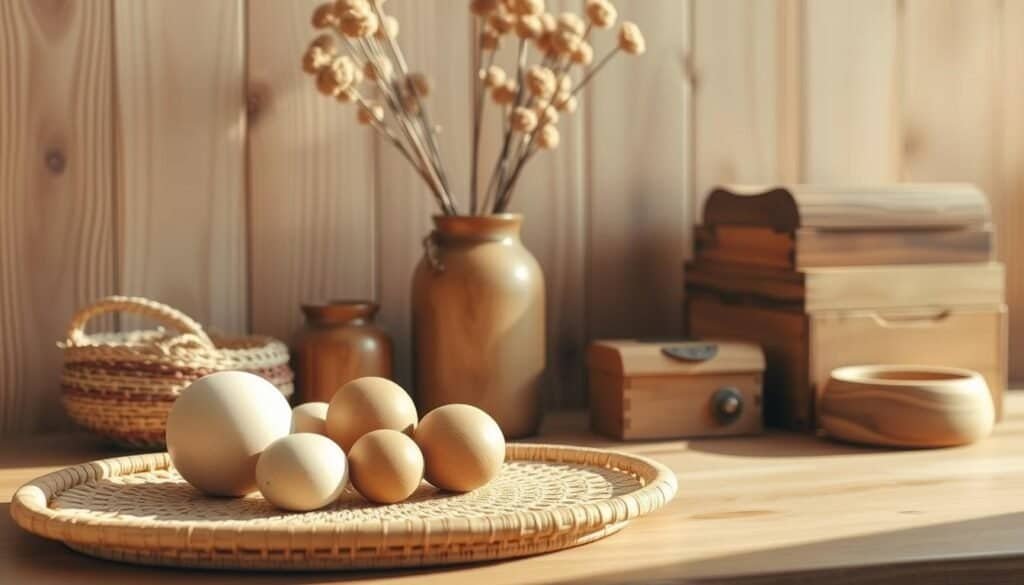
Other decor items like throw blankets, woven baskets, and rustic prints also add to the touch experience. They not only look good but also encourage you to interact with them. This makes your space feel more inviting.
By carefully choosing accessories and decor, you can make a space that delights the senses. Whether it’s vintage, natural, or textured decor, the right items can turn your space into a cozy haven.
DIY Projects to Create Custom Textured Elements
Get creative and add Rustic texture to your home decor with custom DIY elements. DIY projects make your space unique. They add a special touch that store-bought items can’t.
Creating a fairy garden is a magical DIY project. It’s a tiny world that can fit in your garden or on a balcony. You’ll need a container, soil, plants, and tiny furniture or stones to start.
Making Your Own Textured Elements
Start with simple projects like a gnome house DIY. Use wood, stone, or clay for these charming houses. You can also make fairy furniture DIY from twigs, moss, and other natural materials.
- Choose a theme for your DIY project, like a whimsical forest or a magical village.
- Select materials that fit your theme, such as wood for a rustic look or glass for a more ethereal feel.
- Don’t be afraid to experiment and try out new things – it’s all part of the DIY fun!
For a mini fairy garden DIY, use small containers like old tea cups or wooden crates. Fill them with soil, add tiny plants, and decorate with miniature furniture or pathways from small stones.
DIY projects let you add a personal touch to your home decor. Whether it’s a fairy garden houses DIY project or a simple textured wall hanging, your creations will make your space warm and unique.
Conclusion: Creating Your Perfectly Balanced, Texture-Rich Space
Incorporating different textures is essential for a balanced and welcoming home. By mixing sharp and soft elements, you create a space that shows off your style.
A texture-rich space is not just pretty; it’s also inviting to touch. Think about the warmth of wood and the softness of rugs. Each adds to a cozy feel.
Adding natural home design and nature-inspired interior design elements can make your space even better. Try using organic materials like woven fibers or earthy stone to bring nature inside.
When making your balanced space, have fun and be creative. Try out different textures, patterns, and materials. Find the mix that you love.
Following the tips in this article will help you create a texture-rich space that’s both beautiful and useful. Start today and enjoy a harmonious, earthy interior design-inspired home.