Do you dream of a lush sanctuary but struggle with limited square footage? Many homeowners think they need acres of land to enjoy nature. But, you can transform your property with the right approach. Smart planning turns even the tightest corners into vibrant, productive retreats.
We will explore professional design strategies to maximize every inch of your yard. By focusing on vertical growth and clever zoning, you can create a functional oasis. These Easy Garden Layout Ideas That Make Small Spaces Feel Like a Park offer a blueprint for success. You deserve a beautiful escape right outside your back door.
Implementing these techniques ensures your greenery thrives while maintaining an open, airy atmosphere. Let us guide you through the process of building your own private haven today.
Easy Garden Layout Ideas That Make Small Spaces Feel Like a Park
You don’t need a big estate to have a peaceful park. Easy garden layout ideas can turn a small yard into a beautiful retreat. The key is to mix open spaces with dense greenery.
Small space landscaping works by playing with perspective. Tall shrubs or vines can make your yard seem bigger. This trick makes your outdoor space feel larger.
To make your backyard feel like a park, add a winding path. Straight paths end the garden too soon. But curves invite you to explore every corner.
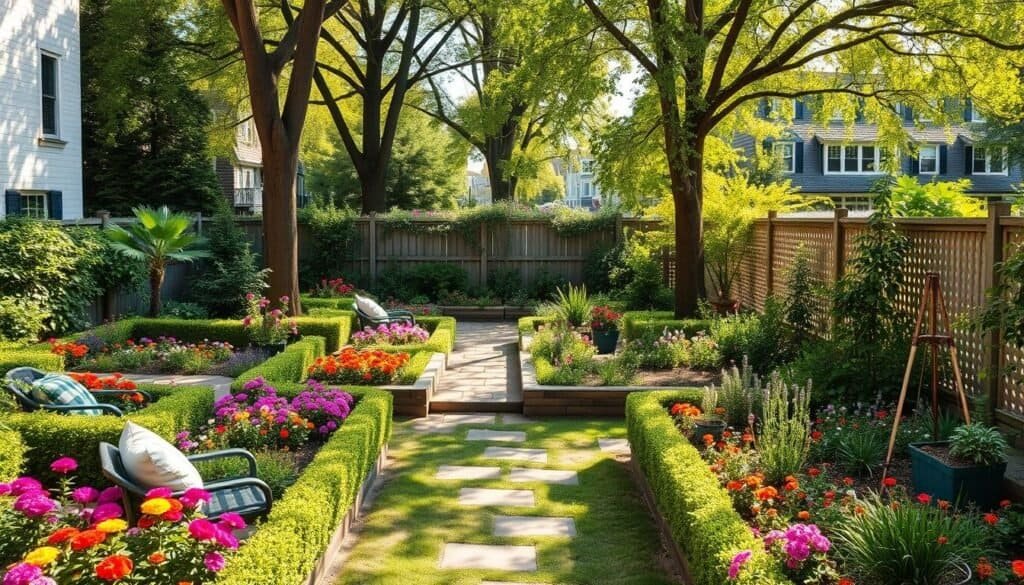
When designing your garden, layer your plants. Put tall trees or shrubs in the back and shorter flowers in the front. This creates a natural look and adds depth.
A good small garden layout uses every inch wisely. Mix a vegetable patch with a cozy seating area. Here are some tips to make your space better:
- Vertical interest: Use trellises to draw the eye upward.
- Strategic lighting: Soft, warm lights create a magical evening atmosphere.
- Defined borders: Use stone or wood to separate planting beds from walkways.
- Reflective surfaces: Small mirrors or water features can double the visual space.
Keep your small garden plans simple to avoid clutter. A clean, organized space feels bigger and more relaxing. By following these tips, you’ll create a backyard oasis.
Maximizing Vertical Space for Lush Greenery
When your garden floor is full, it’s time to look up. Many homeowners face the challenge of limited space. But, maximizing garden space becomes easier when you build up.
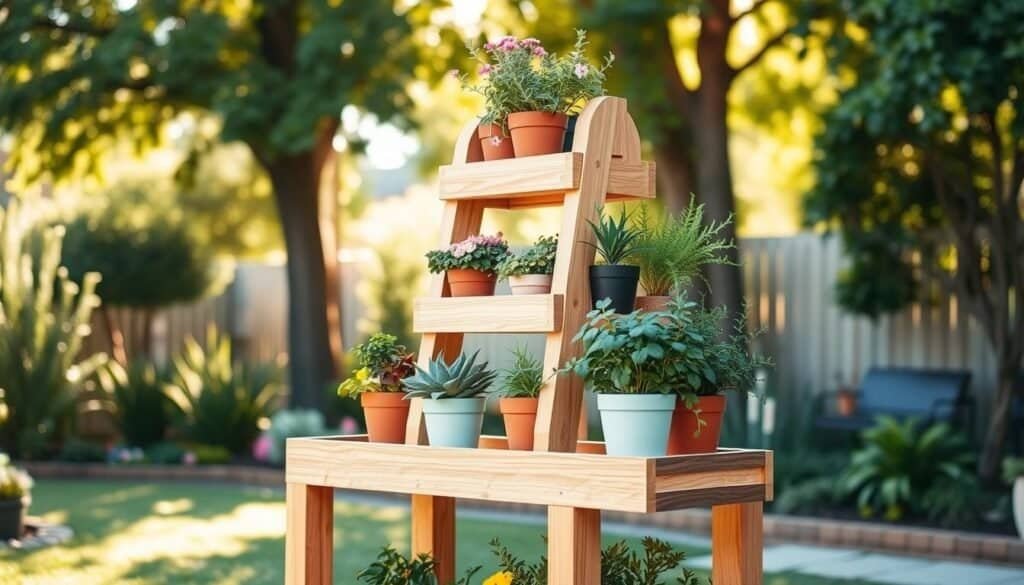
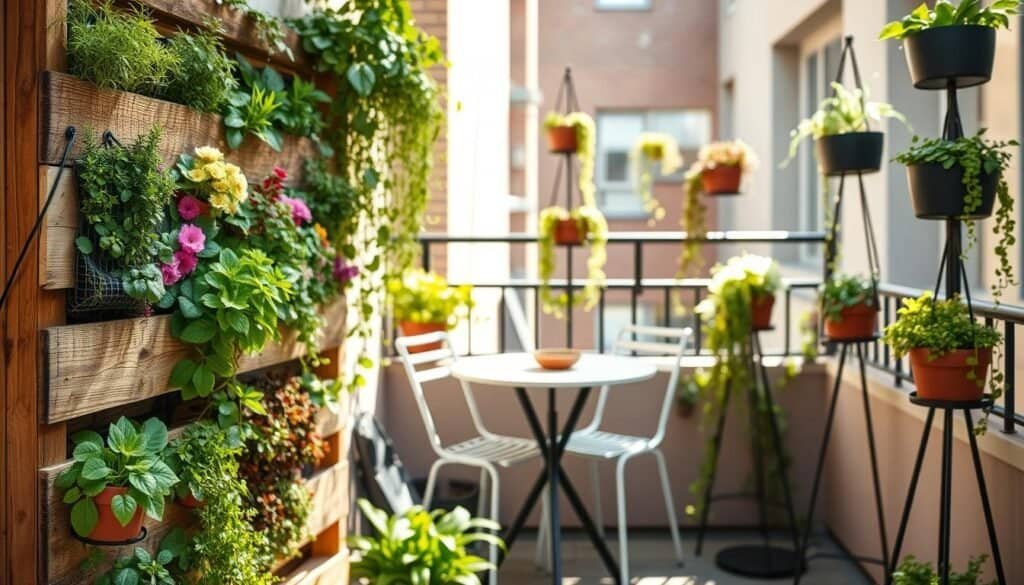
Vertical gardening lets you grow more while adding beauty to your outdoor space. You can use walls, fences, and overhead structures. This way, you can create a lush environment without losing floor space.
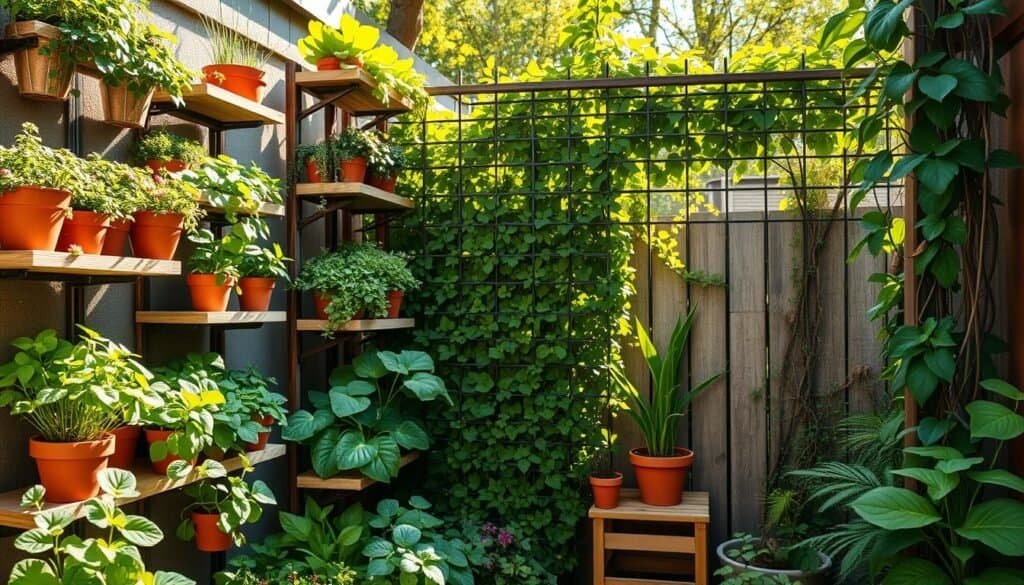
There are many ways to add vertical elements to your garden. Here are some popular options to get you started:
- Trellises: Great for climbing vines, peas, and cucumbers to reach the sun.
- Wall-mounted planters: Perfect for herbs and small flowers that brighten up bare siding.
- Hanging systems: Ideal for cascading plants that save space while creating a green canopy.
- Stackable towers: Excellent for growing strawberries or lettuce in a small footprint.
These structures do more than save space; they create a stunning focal point. By maximizing garden space with vertical design, you transform a small area into a lush, productive sanctuary. It feels much larger than it is.
Strategic Use of Vego Garden Beds for Modern Appeal
Starting a modern outdoor space begins with the right raised garden beds layout. Vego garden beds are sleek and durable, perfect for those who want to improve their gardening. They ensure good drainage and soil control, keeping plants healthy all season.
When planning your Vego garden layouts, think about your space’s shape. A structured layout makes your garden look clean and organized. It also makes upkeep easier and adds a professional look.
There are many creative ways to use Vego gardens. You can change their shape and size to fit your needs. Strategic placement helps plants get the right sunlight and keeps paths clear.
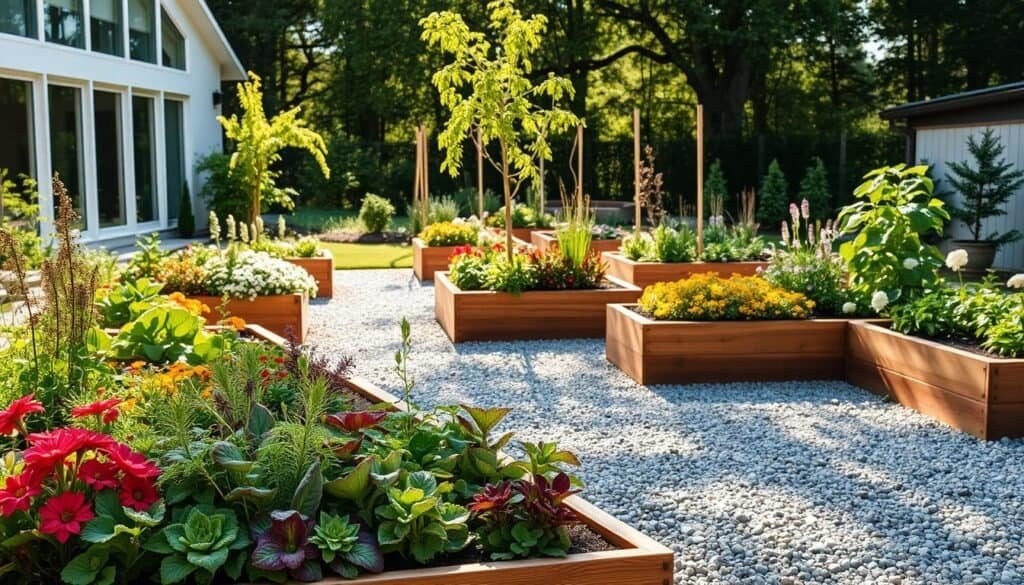
Choosing colors is key for a modern look. Many go for dark raised garden beds for a bold contrast. Others prefer grey raised garden beds for a neutral, sophisticated look that matches well with stone or modern homes.
Modular metal systems offer many benefits:
- Superior Durability: They resist rust and weather damage better than wood.
- Soil Health: Elevated beds improve aeration and drainage, preventing root rot.
- Versatility: You can add a Vego garden greenhouse or Vegega garden beds to grow more.
- Ergonomic Design: Higher sides make gardening more comfortable by reducing bending.
Designing Functional Veggie Garden Layouts
Creating a productive food garden layout is more than just planting seeds. It’s about balancing easy access with high-yield production. By planning ahead, you can make any small area a source of fresh produce.
Begin by making a detailed planting plan for your crops. A good veggie garden design considers sunlight needs for each plant. Grouping plants with similar needs simplifies your daily tasks.
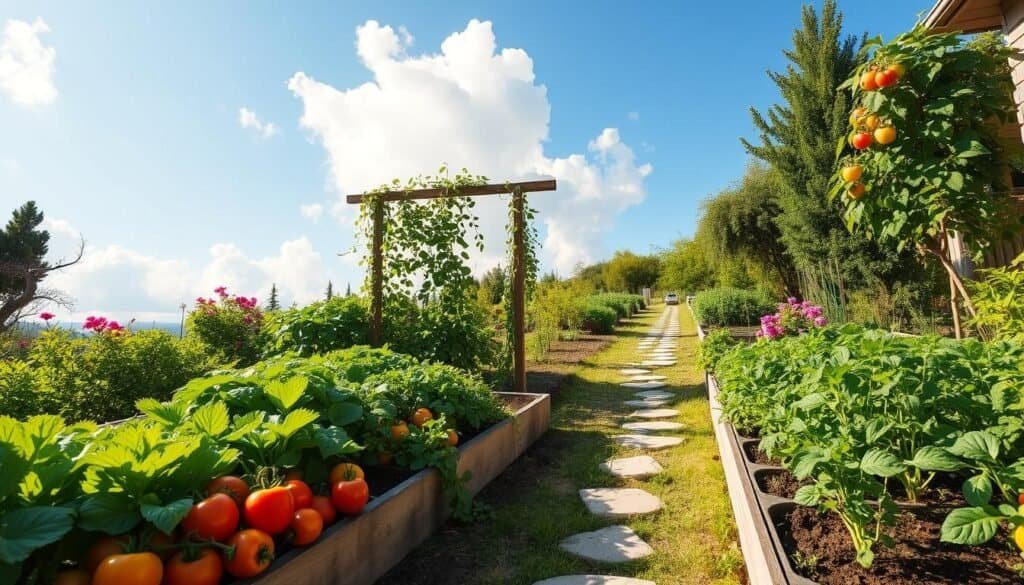
When searching for veggie garden ideas, think about how you’ll move through your garden. Wide paths in your vegetable garden planting ideas save time and effort. Beds should be narrow for easy access without stepping on the soil.
Effective garden ideas planting includes using vertical supports for vining crops. This keeps paths clear and improves air for your plants. Maximizing vertical space boosts your yield.
Also, think about the beauty of your garden with a potager garden layout. This style combines flowers, herbs, and vegetables for a stunning edible landscape. Consistency in maintenance keeps your garden productive and enjoyable all season.
Mastering Companion Planting Garden Bed Layouts
Learning about companion planting garden layout makes your veggies grow better. It’s like having a natural guard that cuts down on chemical use. This way, you get more from your garden by matching plants wisely.
Using a planting guide for vegetables shows you which ones go well together. A good garden layout companion planting plan shades the small plants and keeps pests away. It’s a low-maintenance way to grow your garden.
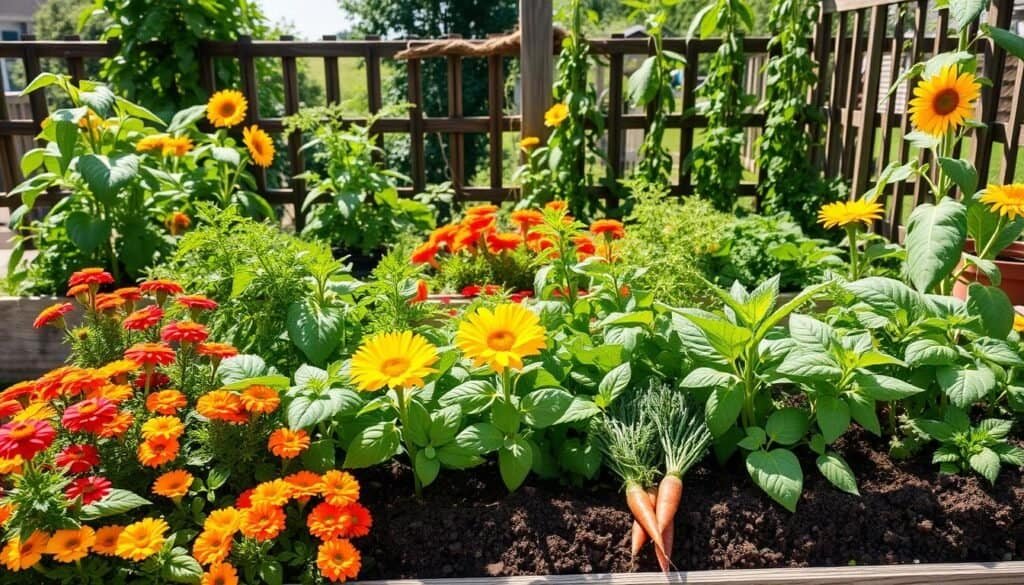
Looking at a garden planting chart helps you arrange your garden smartly. A detailed garden planting guide tells you to pair heavy feeders with plants that fix nitrogen. This keeps your soil rich all season.
Your companion planting garden bed layout should be diverse to keep the soil lively. A well-thought-out vegetable garden companion layout stops diseases from spreading. It’s a smart way to grow more in less space.
Wondering what garden plants to plant together? Here are some classic pairs from any companion planting chart vegetables:
- Tomatoes and Basil: Basil makes tomatoes taste better and keeps pests away.
- Carrots and Onions: Onions keep carrot flies off, and carrots help onions grow.
- Marigolds and Peppers: Marigolds keep nematodes and other pests out of the soil.
Creating a companion garden layout is very rewarding. Watching how plants work together helps you improve your garden each year.
Creating an Outdoor Garden Maze Layout
Building an outdoor garden maze layout adds mystery to your yard. It turns a simple lawn into a puzzle that invites you to explore. This design choice brings charm and sophistication to any home.
A maze creates private “rooms” in your yard, making it feel like a sanctuary. Mixing textures and heights makes the path adventurous yet relaxing. It’s ideal for those who love to enjoy their outdoor space.
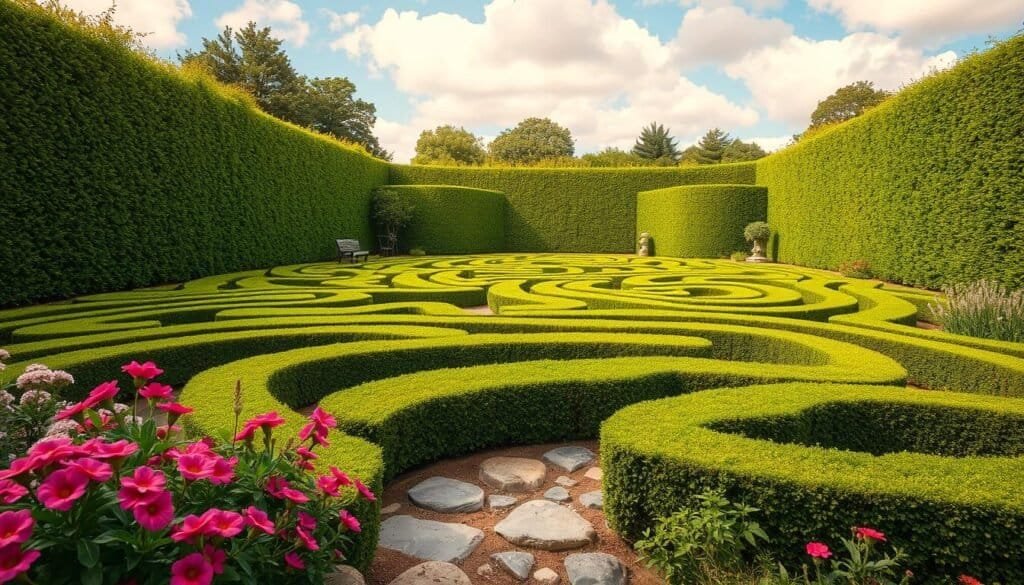
To manage your outdoor garden maze layout, use low-growing plants and clear paths. Boxwood hedges or tall grasses can form the maze walls. Strategic plant selection keeps your maze beautiful all year without much upkeep.
Begin by drawing a simple grid to plan your maze. Make sure the scale fits your yard to avoid feeling cramped. With creativity, you can create a stunning feature that’s the garden’s centerpiece.
Smart Allotment Layout Ideas for Beginners
Turning a piece of land into a garden starts with a good plan. If you’re new to beginner vegetable gardening advice, the key is in your layout. Smart layouts help keep your garden productive and simple to care for all season.
A in-ground garden layout is great for those with lots of space. A simple ground garden layout means less time on upkeep like weeding and watering. Make straight, easy-to-reach rows to avoid stepping on the soil.
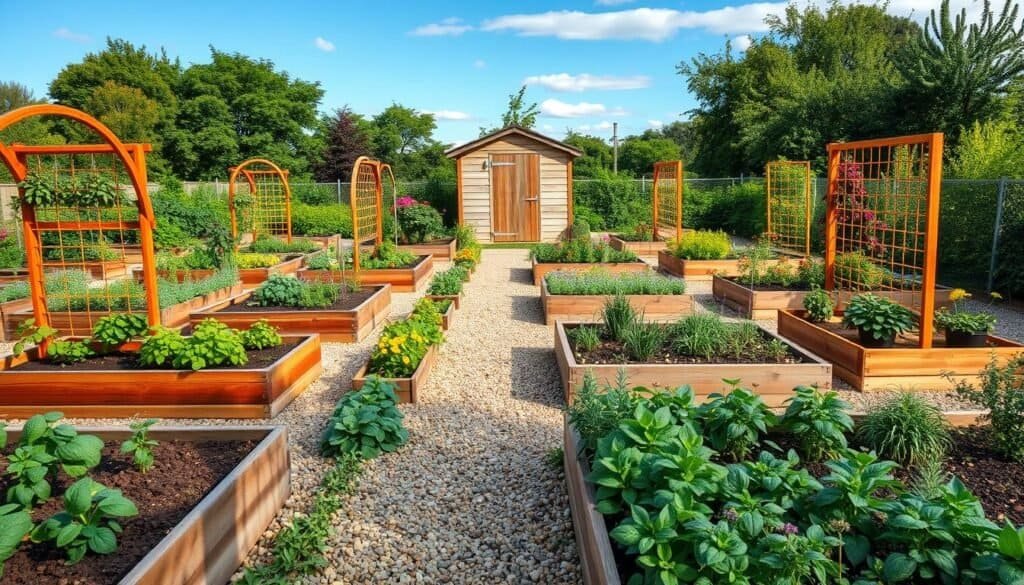
For soil prep, a tilled garden layout is a top pick for beginners. It makes the soil ready for seeds. A good allotment garden layout has wide paths for tools and wheelbarrows.
Here are key tips for a successful allotment layout:
- Place your most often picked crops near the path.
- Group plants by water needs for easier watering.
- Use a homesteading garden layout for zones for perennials and annuals.
As you get better, your beginner garden layout can grow. Start small, stay regular, and watch your garden grow. The right setup makes gardening a calming and fulfilling hobby, not a task.
Selecting the Right Materials for Your Garden Box Layout
Choosing the right material for your garden boxes is key. It’s about finding a balance between style, budget, and soil health. The right foundation is vital for a garden box layout that lasts.
When planning your vegetable garden boxes layout, think about how materials affect your plants. Natural cedar is a top pick because it’s naturally rot-resistant. It also keeps roots warm in cooler months.
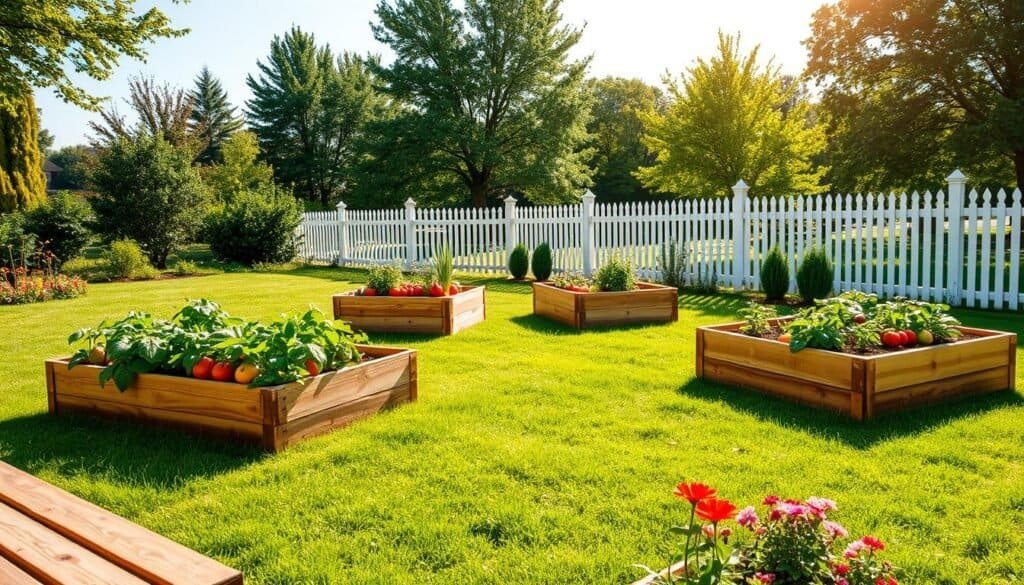
For a modern look, metal or composite materials are durable. Metal boxes are incredibly long-lasting and look sleek. But, they might need extra care for soil temperature in sunlight.
Your choice should match your style and your plants’ needs. A well-thought-out garden box layout makes your vegetable garden boxes layout both useful and beautiful. It will stay great in your backyard for many seasons.
Essential Garden Planning Tips for Small Spaces
You can turn even the smallest backyard into a green paradise with the right planning. Good gardening in tight spots needs careful planning and smart use of space. By planning early, you make sure each plant has enough room to grow well.
Using a smart planting design for small gardens helps you grow more without a mess. Place sun-loving veggies in the sunniest spots. This simple trick helps your plants grow strong and healthy all season.
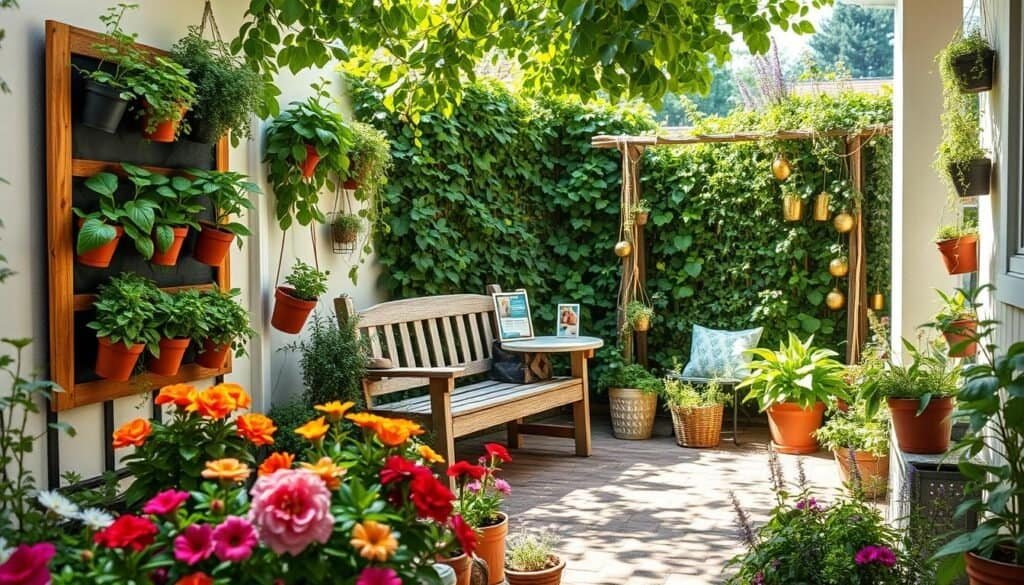
Looking for small garden design inspiration? Think about how plants work together. Grouping plants with similar needs makes caring for your garden easier. This keeps your soil healthy and saves you time on daily tasks.
Remember to plan for garden planning layout landscaping paths. Paths let you easily reach your plants for care and harvest. A well-planned path also prevents soil damage and makes gardening more fun.
Here are key garden tips for a productive small space:
- Test your soil before planting to ensure it has the right nutrients for your chosen crops.
- Use vertical structures like trellises to grow vining plants upward instead of outward.
- Rotate your crops each season to prevent soil-borne diseases and maintain fertility.
- Monitor plant spacing closely to avoid overcrowding, which can lead to poor air circulation.
Lastly, improving your garden planning layout is a journey that grows with your experience. Don’t hesitate to change your design as you learn what works best for your garden. With patience and care, your small garden will flourish into a productive and lovely spot.
Integrating Seating Areas into Your Garden Design
Imagine stepping into your backyard and finding the perfect spot to sit and admire your hard work. A garden is more than just a place for growing vegetables; it’s a sanctuary for your peace of mind. By creating a cozy outdoor oasis, you make your green space a true part of your home.
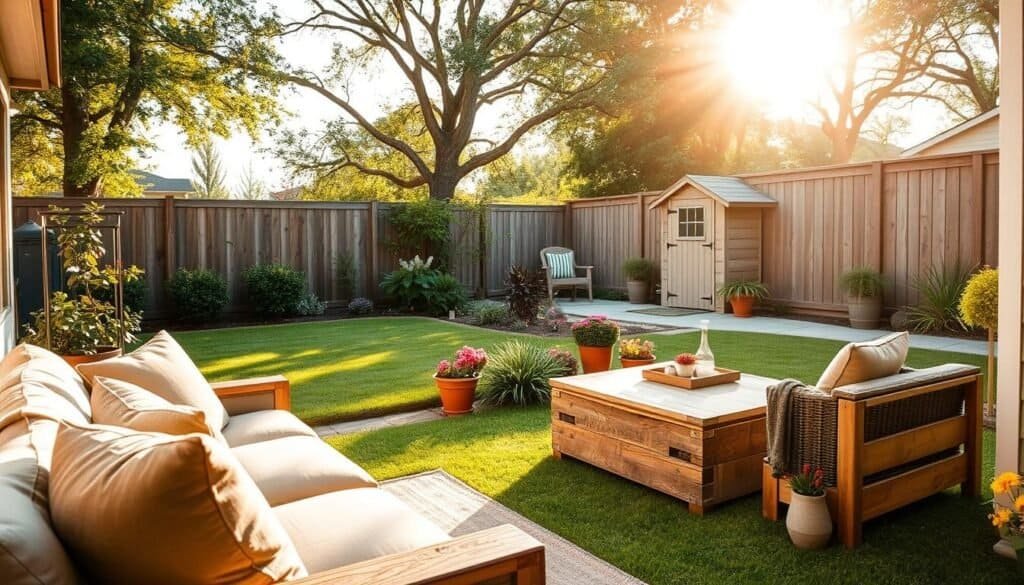
Strategic placement of furniture is key to a great layout. You might place a small bistro set near your most vibrant flower beds to enjoy the colors up close. Or, if you prefer a quiet morning coffee, a wooden bench in a shaded corner is perfect.
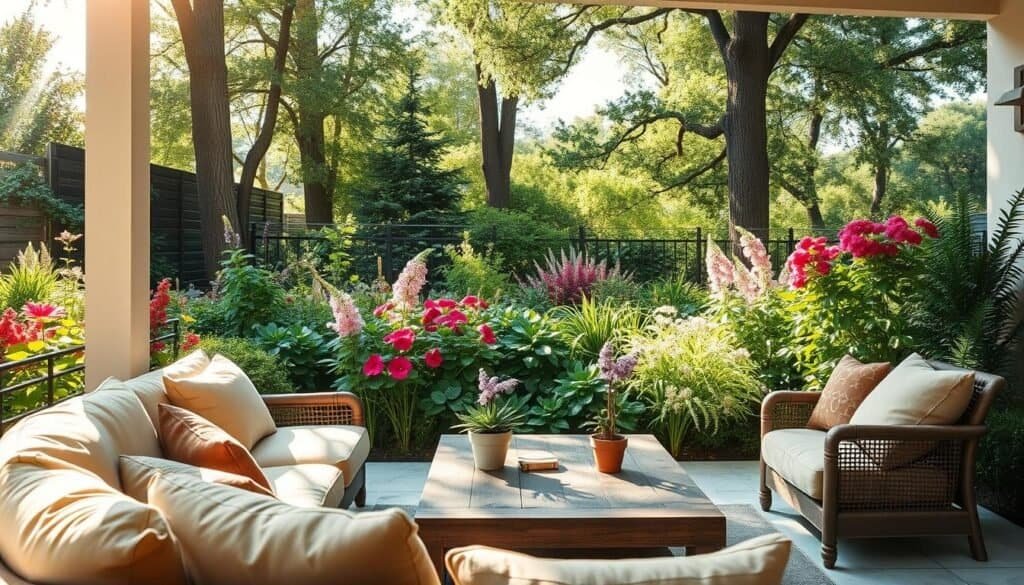
These simple outdoor space transformation ideas help you connect with nature more deeply. You don’t need a big lawn to make this happen. Even a small patio or a narrow deck can become a relaxing retreat with the right seating.
When planning your layout, always think about comfort and accessibility. Choosing weather-resistant materials will keep your furniture looking great all year. With these small changes, you’ll find yourself enjoying your garden more and more.
Advanced Tips for Backyard Vegetable Garden Design
Mastering the basics lets you turn your backyard into a food powerhouse. Using expert techniques boosts your harvest and keeps the soil healthy. These backyard vegetable garden design tips make your space a top food source for your family.
One key vegetable planting tip is consistent crop rotation. Moving plants to different beds each season stops soil diseases and keeps nutrients balanced. This habit is key for lasting garden success.
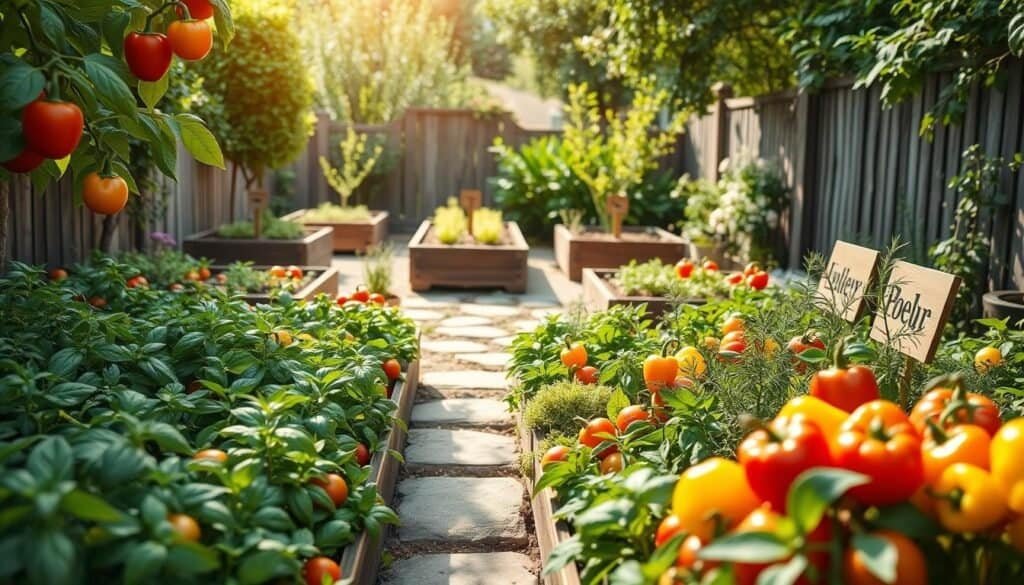
Succession planting ensures fresh veggies all year. Plant seeds in stages to have a steady supply. These veggie garden tips prevent too much produce and then nothing.
For a thriving garden, try these advanced tips:
- Drip irrigation systems: They water roots directly, cutting down on evaporation and fungi.
- Mulching techniques: Organic mulch keeps moisture in and weeds out.
- Vertical trellising: It saves space and improves air flow for climbing plants.
Adding these backyard garden ideas will greatly improve your gardening. Whether you’re looking for good garden ideas or want to optimize your backyard veggie garden, these tips will give you great results. With the best garden layout, your garden will be a productive and sustainable haven.
Conclusion
Creating the perfect garden layout is a fun mix of creativity and science. You can make any small area into a lush garden. It’s all about turning dirt into a green oasis.
Vego Garden beds are key for a modern look. What you choose and where you place plants will affect your garden’s success. It’s all about the details.
Small yards are great for getting creative. Use vertical gardening and smart spacing to make the most of your space. Every inch counts.
Before you start digging, draw out your garden plan. A clear plan helps avoid mistakes and keeps your project on track. It’s a smart move.
Share your garden journey with local gardening groups or neighbors. Your garden is a peaceful escape from the world. It’s a place to relax and connect with nature.
Begin your journey to a beautiful, productive garden today. The best time to start is now. Don’t wait any longer to make your garden dream come true.