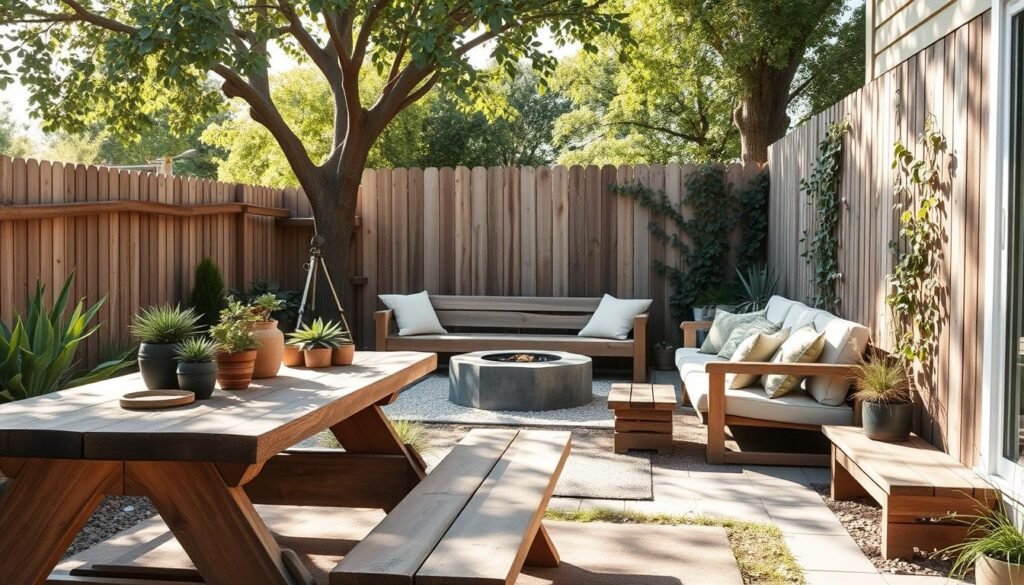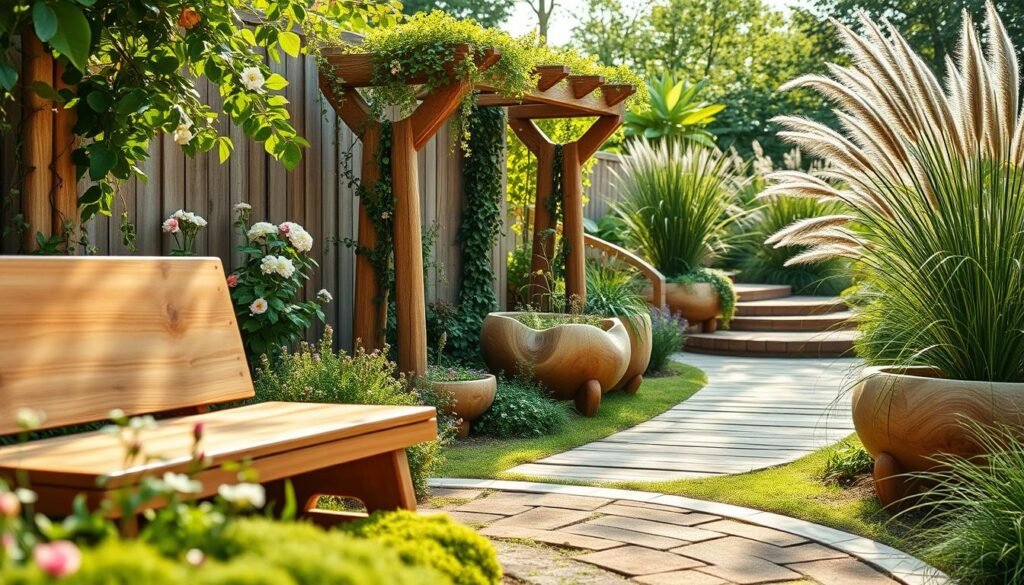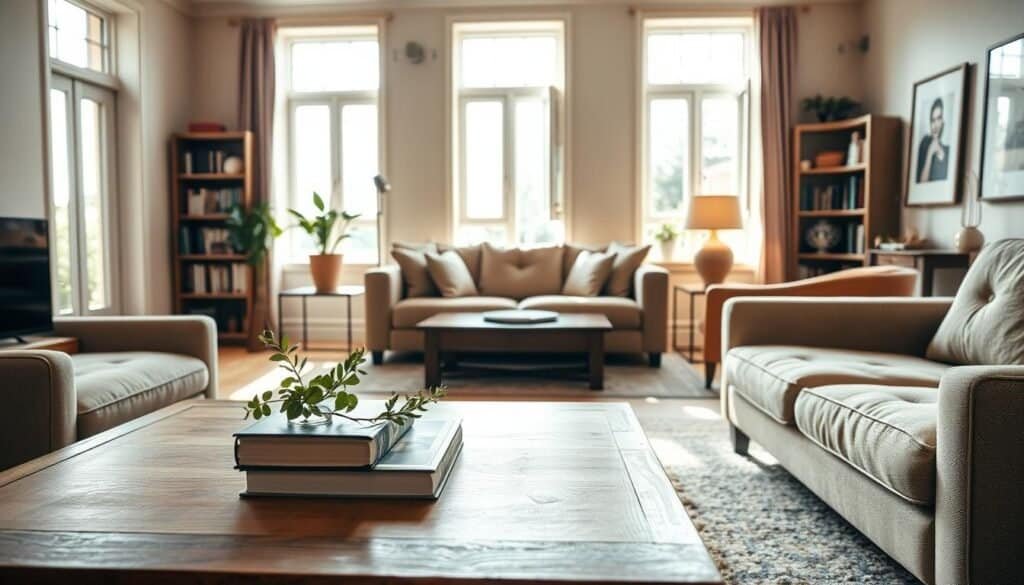
Adding natural elements to your home can make it feel cozier. Using warm wood textures in your home decor is a great way to do this. You can use wooden furniture or flooring to achieve this look.
Interior design trends focus on warmth of plants and comfort in your cozy living space. Warm wood textures help create a welcoming atmosphere. This makes your home feel relaxing and peaceful. It’s not just good-looking; it also improves your mood.
The Psychology Behind Wood Textures and Grounding
Using wood textures in home decor is more than a design choice. It’s a way to feel connected to nature. Wood textures help us feel grounded.
Wood textures deeply affect our emotions and well-being. The beauty of wood grain can make us feel calm and comfortable. Adding wood pattern backgrounds or natural wood elements can make our homes relaxing and stress-free.
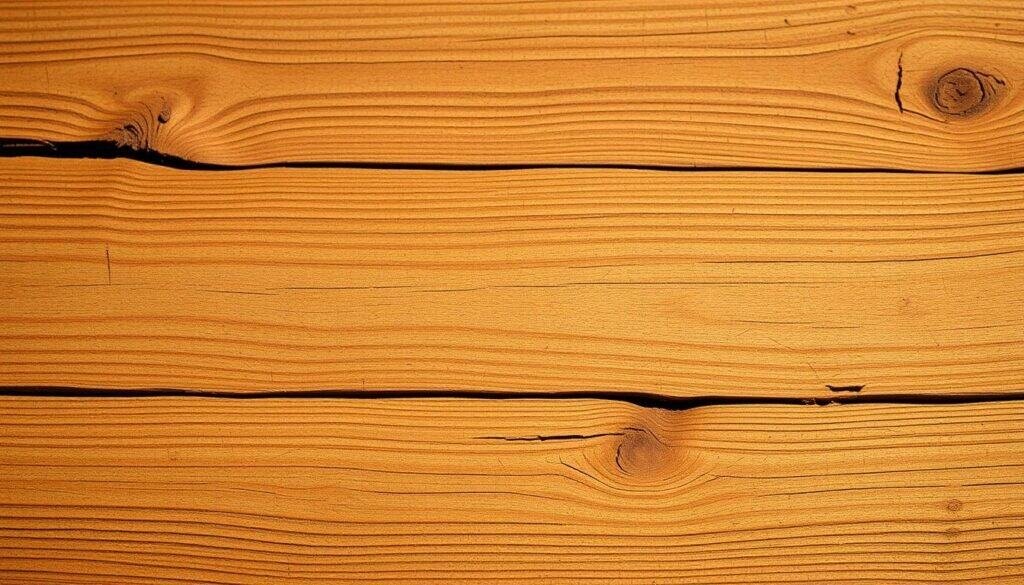
The benefits of grounding through wood textures are many. They bring stability and comfort, which we all need in today’s fast world. Wood textures help blend nature with our indoor spaces.
To get the most out of grounding, choose wood textures that you love. Whether it’s the warmth of oak, the richness of walnut, or the simplicity of pine, picking a wood grain that speaks to you can make your home feel more emotionally and psychologically supportive.
Understanding Different Wood Types and Their Unique Textures
Wood types vary from the coarse grain of oak to the smooth texture of teak. Knowing about these differences is key to picking the right wood for your home. Each type of wood adds its own texture and look to a room, making the choice very important.
Oak wood texture has a big grain pattern, giving furniture and floors a rugged, character-filled look. It’s a top pick for those wanting a traditional or rustic vibe.
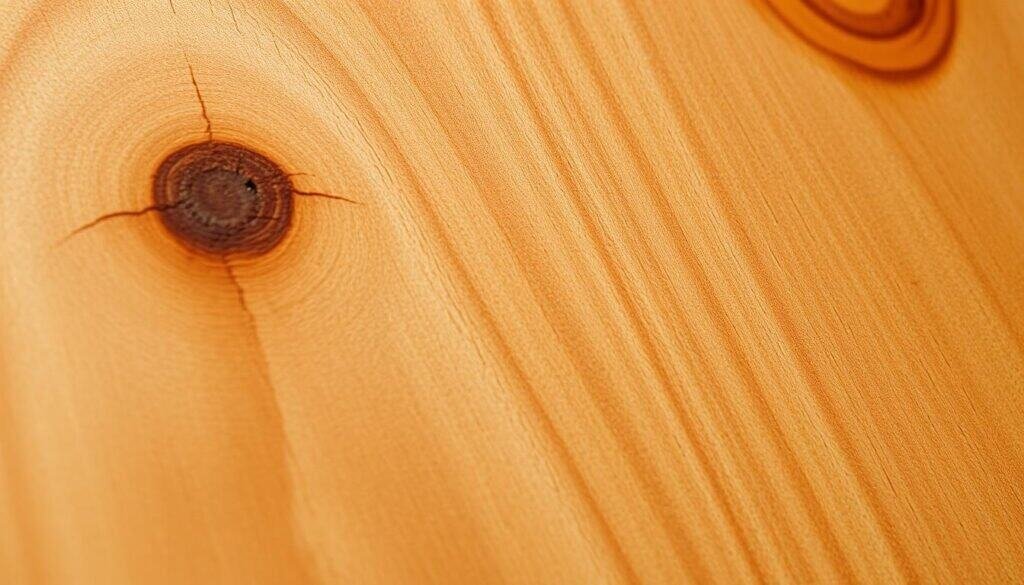
Walnut wood texture is dark and rich, with a smooth grain. It’s perfect for modern, luxurious designs. On the other hand, teak wood texture is durable and water-resistant. It’s often used for outdoor furniture and building.
Every wood type has its own texture that can make a space more interesting and deep. For tips on using wood grain texture in your design, check out The Sawdust Man.
By learning about different wood types, homeowners can make better choices for their projects. This ensures their work looks good and works well.
Want Your Home to Feel More Grounded? Try Adding Warm Wood Textures to These Key Areas
Wood textures can make your home feel warmer and more grounded. Adding warm wood to your decor creates a cozy atmosphere. It makes you feel more connected to your space.
Let’s look at how to add warm wood textures to important areas. This includes living rooms, bedrooms, and kitchens.
Using Wood Accents in Living Rooms, Bedrooms, and Kitchens
Wood accents can really change your home’s feel, but don’t forget some plants. Here are some ideas to start:
- Living Rooms: A wooden coffee table or a reclaimed wood wall art piece can be a great focal point.
- Bedrooms: Wooden bed frames or nightstands add warmth and coziness.
- Kitchens: Wooden kitchen islands or utensil holders bring warmth and texture.
For more ideas, check out our article on spring-infused wood decor to brighten your home.
Here are more ways to add warm wood textures:
- Add wooden trim or molding to walls or ceilings.
- Use wooden decorative items like vases or candle holders.
- Include wooden elements in furniture, like a wooden headboard or bench.
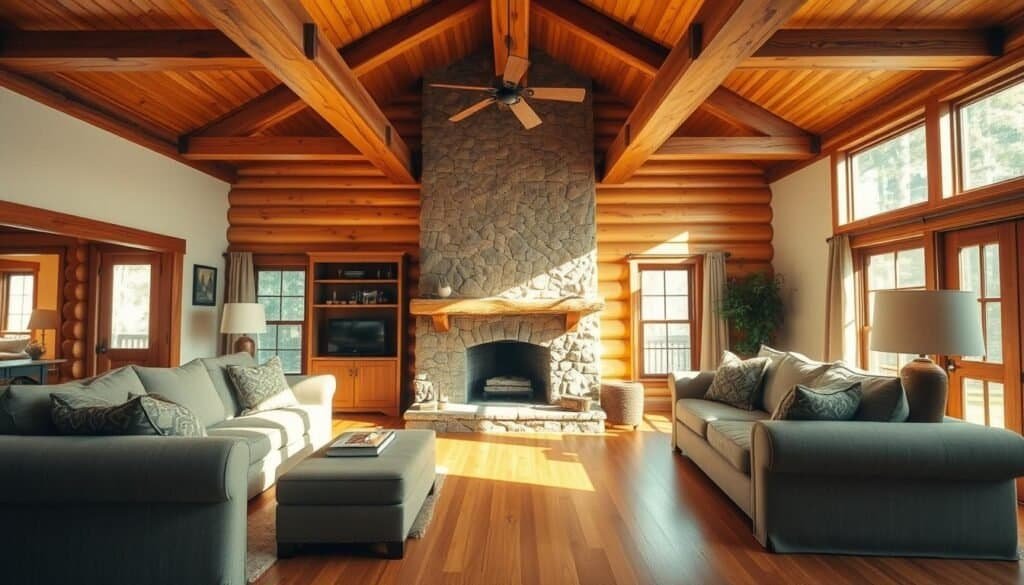
By adding warm wood textures to these areas, you can make your home feel more grounded and inviting. It will feel truly special.
Furniture Pieces That Showcase Beautiful Wood Grain
Adding furniture that highlights wood grain can make your home more interesting. You can find everything from rustic coffee tables to modern dressers. The right furniture can change any room’s look.
Think about the look you want when picking furniture. For a cozy feel, choose warm woods like oak or walnut. For something modern, go for lighter woods like ash or beech.
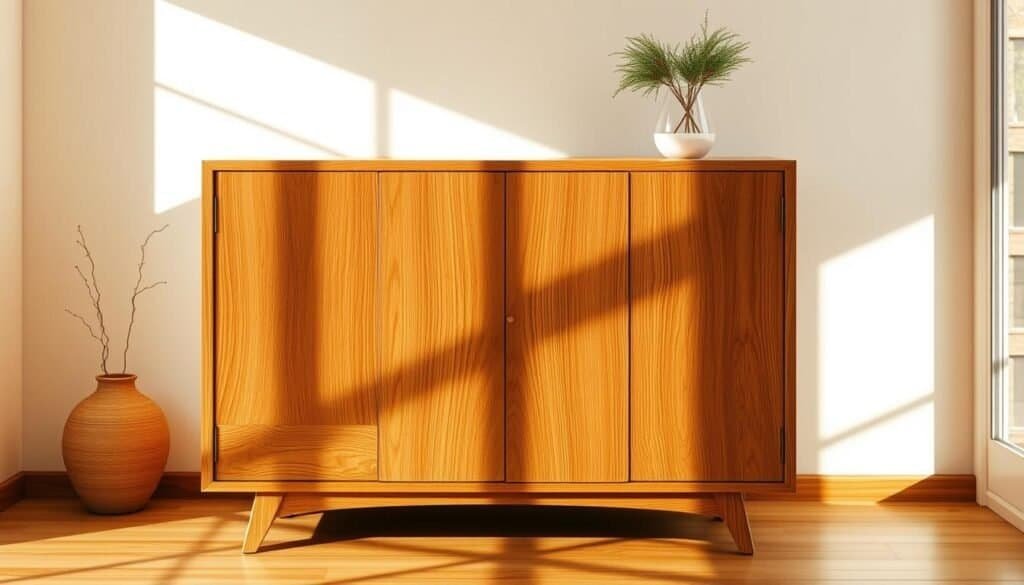
The design of your furniture is key to showing off wood grain. Look for clean lines and simple designs. A wooden side table or headboard can be a standout piece, adding warmth and texture.
Some great wooden home decor ideas include using reclaimed wood for a rustic vibe. You can also add wooden accents, like carved drawer pulls or wooden legs on a table. These touches can enhance your home’s look.
Exploring wood design ideas opens up a world of possibilities. You can mix different wood tones and textures for a layered look. Try pairing a wooden dining table with wooden chairs or a bench for a unified feel.
By choosing furniture that highlights wood grain, you can make your home warm and welcoming. It will feel connected to nature.
Small-Scale Wood Accents with Big Impact
Small-scale wood accents can greatly enhance your living space. They add warmth and character with their natural textures and tones. This simple addition can transform a room.
Enhancing Decor with Wooden Items
Wooden decorative items and accessories are key in interior design. They can either complement your decor or be the main attraction. You can find everything from wooden figurines to wall art.
Using Wooden Decorative Items and Accessories
To use small-scale wood accents effectively, find a balance. Start with a few pieces, like a wooden vase or coasters. These small touches can have a big impact if chosen well.
- Wooden candle holders
- Carved wooden wall art
- Wooden decorative boxes
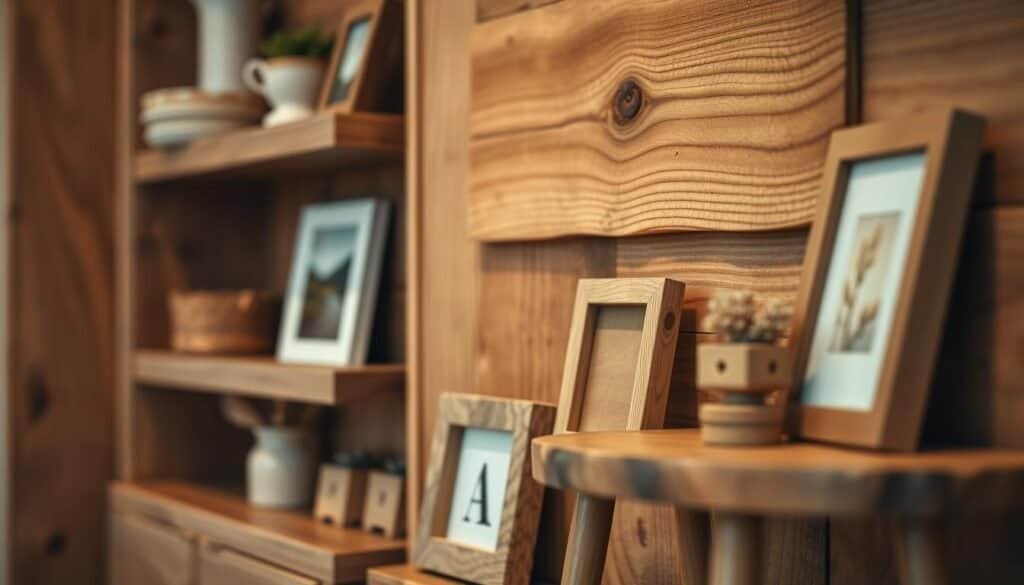
Grouping small-scale wood accents is also a good idea. For example, a set of wooden items on a shelf can look great. It adds warmth to the room.
By adding small-scale wood accents, you can make your home feel more welcoming. Whether it’s one standout piece or a collection, these accents can really improve your space’s look.
Sustainable and Reclaimed Wood Options
Homeowners are now choosing eco-friendly options for their homes. Sustainable and reclaimed wood are becoming popular in home decor. These choices not only make homes look better but also help the environment.
Sustainable wood comes from forests that are managed well. This way, the wood can grow back, making it better for the planet. Reclaimed wood, on the other hand, is from old buildings and bridges. It has a special history and look.
Benefits of Choosing Reclaimed Wood for Home Decor
Reclaimed wood has many benefits. Here are a few:
- It reduces waste by using materials that would be thrown away.
- It keeps history alive by keeping the wood’s original look.
- It adds unique textures and stories to your home.
Reclaimed wood also makes rooms feel warmer and more real. Its rustic look and natural wear create a cozy feel. It’s great for making a home feel welcoming and grounded.
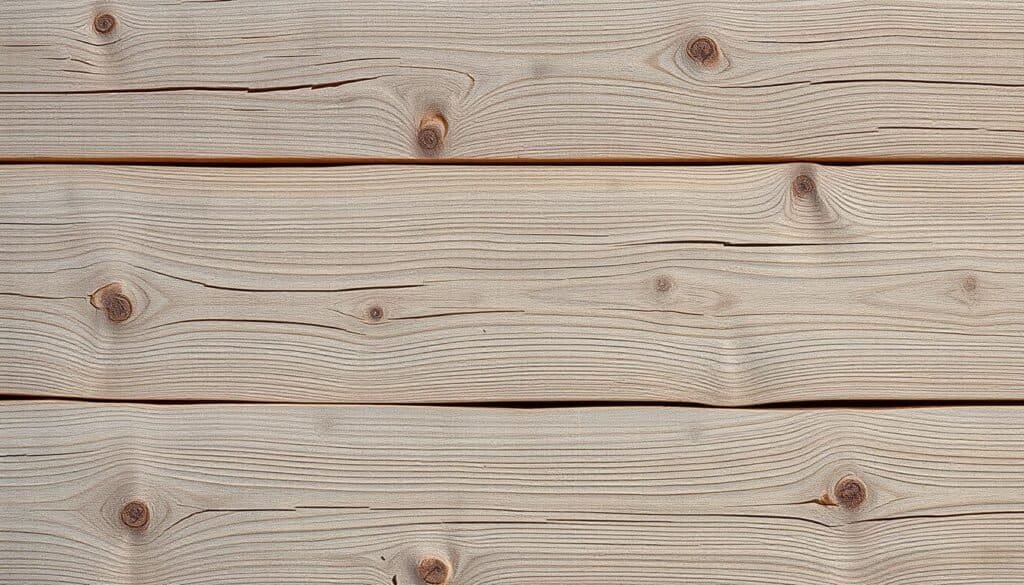
Choosing sustainable and reclaimed wood is stylish and good for the planet. It supports forests and reduces the need for new trees. This helps prevent deforestation.
Here are some ways to use sustainable and reclaimed wood in your home:
- Use it for flooring to add warmth and character.
- Make furniture from sustainable wood, like tables and chairs.
- Decorate with reclaimed wood accents, like wall art and shelves.
By using sustainable and reclaimed wood, homeowners can make their homes beautiful and eco-friendly. It shows their commitment to the environment.
Mixing Wood Textures: Rules and Guidelines
To make your space look good, it’s key to mix wood textures right. Mixing wood textures can make your home look richer and more interesting. But, you need to do it carefully to avoid making it look messy.
Understanding the Basics of mixing wood textures is important. Each wood type has its own texture and grain pattern. The goal is to mix them in a way that looks good together.
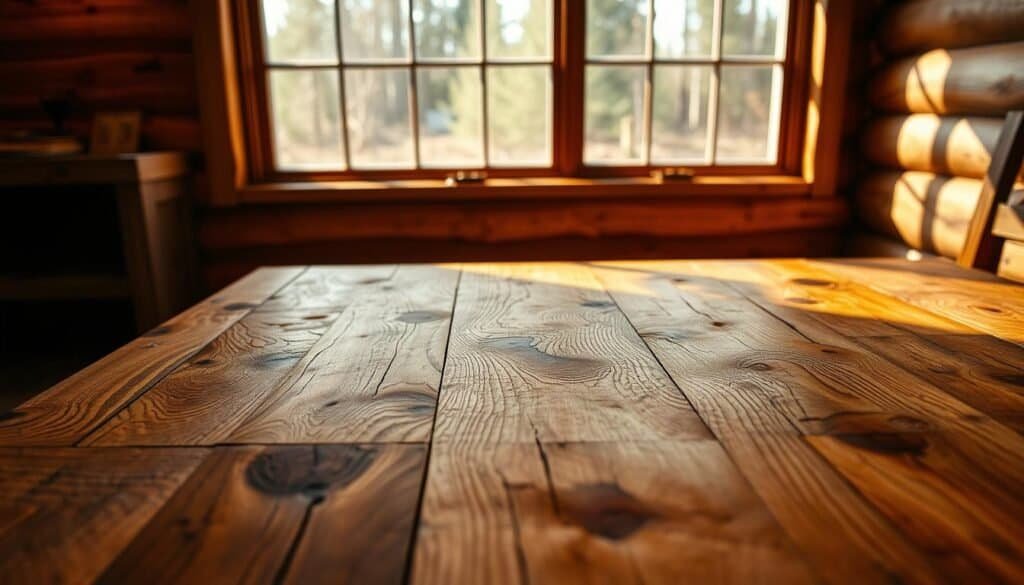
- Start with a main wood tone and use others as highlights.
- Choose woods with grain patterns that go well together.
- Think about the finish and color of the wood to match them.
- Balance warm and cool wood tones to add interest.
By following these tips, you can make your home look rich and layered. The aim is to mix wood textures in a way that makes your space look better.
Mixing wood textures well means creating a flow that guides your eye. This can be done by using different textures in a way that feels connected. For example, using the same wood tone for furniture and floors can make your space feel cohesive.
The art of mixing wood textures is about finding the right balance. With practice, you can learn to mix wood types in a way that makes your home welcoming and beautiful.
Design Styles That Celebrate Wood Textures
Different design styles show off wood textures in unique ways. They highlight wood’s warmth, character, and depth. This makes wood a key part of many Entryways and interior designs.
Rustic design loves wood textures, focusing on natural, unfinished wood. It celebrates wood’s imperfections, creating a cozy feel.
Wood Textures in Rustic, Modern, and Traditional Design
In modern design, wood textures add warmth to sleek spaces. Modern furniture’s clean lines are balanced by wood’s organic feel, making the space sophisticated.
Traditional design uses wood textures, often with dark woods and ornate details. Wood paneling and classic furniture add history and elegance to rooms.
Here are some ways to add wood textures to these styles:
- Choose reclaimed or distressed wood for a rustic vibe.
- Add wood accents like wall art or decorative items.
- Pick furniture with visible wood grain.
When mixing wood textures with different styles, think about your desired look. Balancing wood with other elements creates a welcoming space.

Understanding how styles use wood textures helps in choosing wood for your decor. Whether you prefer rustic, modern, or traditional, wood textures can elevate your space.
Conclusion: Creating a Timeless, Grounded Home with Wood Textures
Adding wood textures to your home decor can change how your space feels. It brings warmth and character, making your home feel welcoming and timeless. This is thanks to the natural beauty of wood, which can be found in timeless home decor.
Wood textures make a room cozy, perfect for relaxing. They also connect your home to nature, making it feel more grounded. This is key to creating a cozy living space.
To make your space interesting, mix different wood textures and tones. This adds depth and makes your home unique. By using wood textures, you can make your home cozy and reflect your personal style.