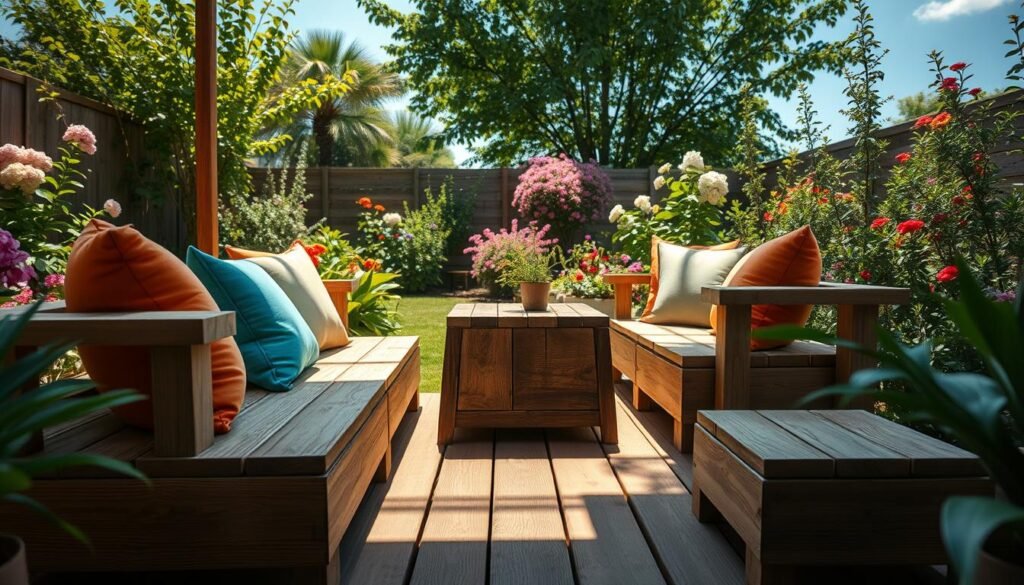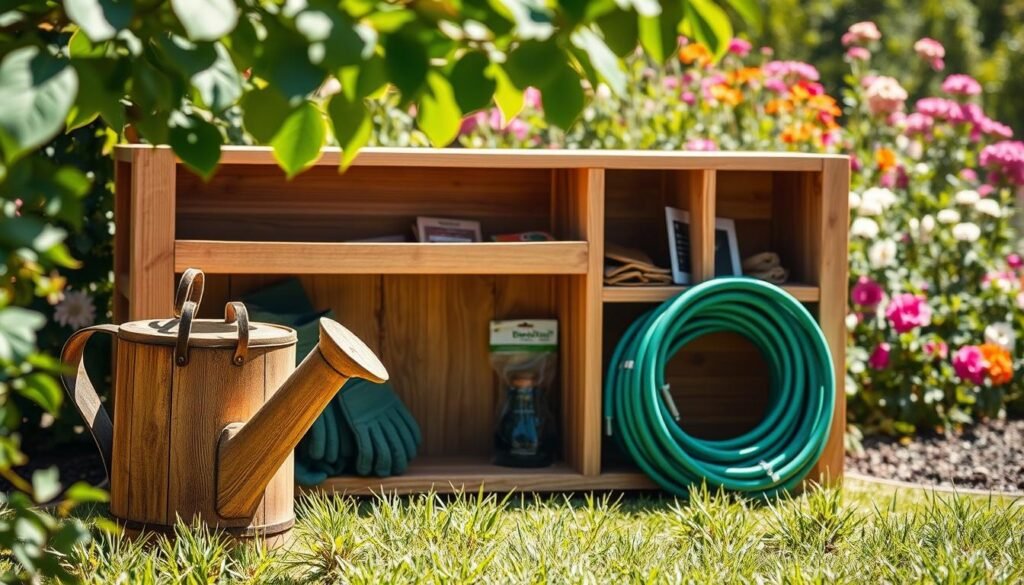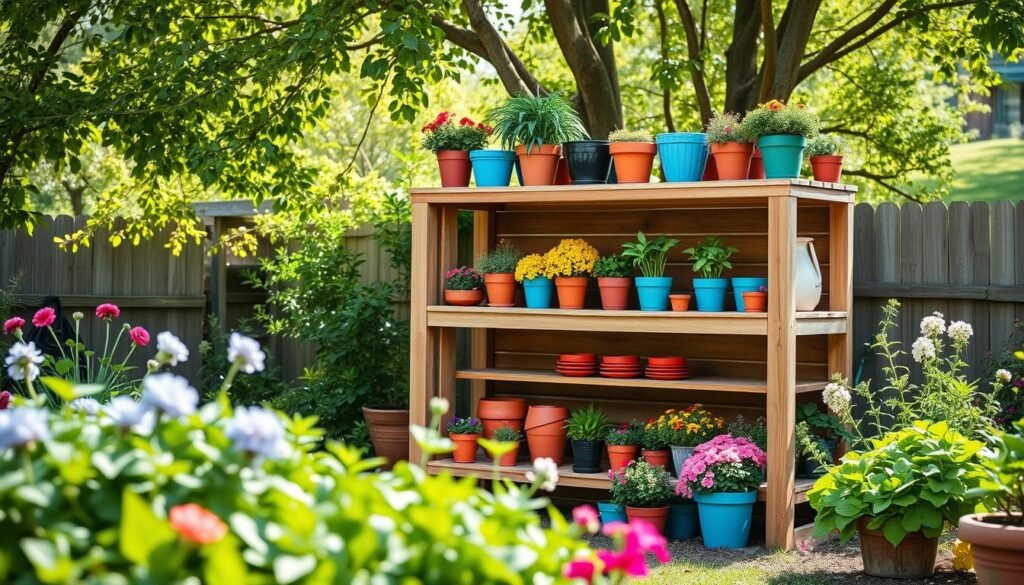
Turning your home into a masterpiece with DIY woodworking projects is simpler than you might think. Whether you’re an experienced woodworker or just starting, simple weekend wood projects can make your living space truly yours.
Discover easy woodworking ideas like rustic floating shelves or more complex home improvement projects like a custom wooden headboard. This article will walk you through each step. You’ll learn to complete these projects with ease, making your home both beautiful and functional.
Step into the world of woodworking for beginners. See how these projects can add a unique touch and style to your space.
Transform Your Home with Simple Woodworking Projects
Starting with woodworking is easy. Just pick a project that matches your skill level. Simple projects can greatly improve your home’s look. With the right help, you can make something stunning.
Choosing the Right Project is key. Think about what you want to make. Do you need something useful or just to look good? Easy projects like a simple shelf or coat rack are perfect for beginners.
- Start with plans made for beginners.
- Choose projects that fit your space and tools.
- Think about weekend projects, like for an adult craft night.
Popular cool crafts for adults include wooden wall art or kitchen holders. You can even sell your crafts if you want to make money.
By following these tips and picking the right project, you’ll start making your home better with simple woodworking.
Rustic Floating Shelves: Elegant Storage Solutions
Rustic floating shelves add warmth and function to any room. They bring elegance and offer plenty of space for your favorite items or essentials.
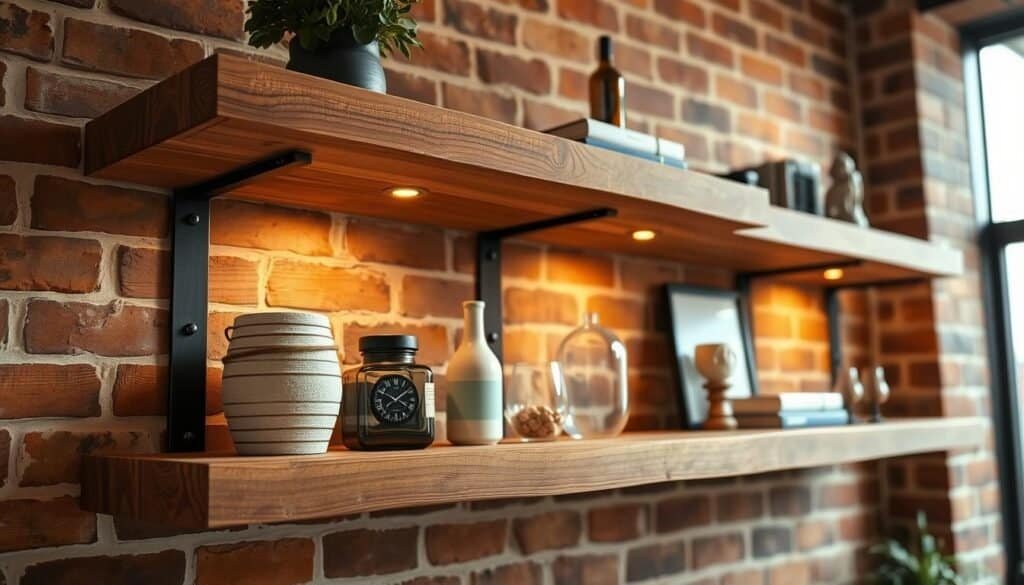
The journey starts with cutting and sanding the wood to size. It’s key to sand well for a smooth finish that matches the rustic look.
Assembly and Mounting
After preparing the wood, it’s time for assembly and mounting. You need to plan carefully to make sure the shelves are straight and securely on the wall.
Finishing Touches
The last step is adding the finishing touches. You might stain or paint the shelves to fit your decor. Then, apply a protective coat to make them last longer.
By doing this, you can make stunning rustic floating shelves. They’re not just for storing things; they become a highlight in your home. This project is great for anyone looking to get creative and improve their space with DIY home decor projects.
DIY Wooden Bench for Your Entryway
Building a DIY wooden bench for your entryway is a great way to boost both function and style. It’s a perfect weekend project that can greatly improve your entryway’s organization.
Frame Construction
To start your DIY wooden bench, build the frame first. Cut four pieces of wood to the length you want for the legs and frame. Choose a strong and durable type of wood like oak or pine.
- Cut the legs and frame according to your measurements.
- Assemble the frame using screws or nails.
- Ensure the frame is sturdy and can support the weight of the seat and users.
Seat Assembly
After building the frame, it’s time to put together the seat. Cut a piece of wood to fit inside the frame, making sure it’s smooth and flat.
- Attach the seat to the frame using screws.
- Make sure the seat is securely attached to prevent any accidents.
Sanding and Finishing
After assembling the bench, sand it well to remove any splinters or rough edges. Apply a finish like varnish or paint to protect the wood and make it look better.
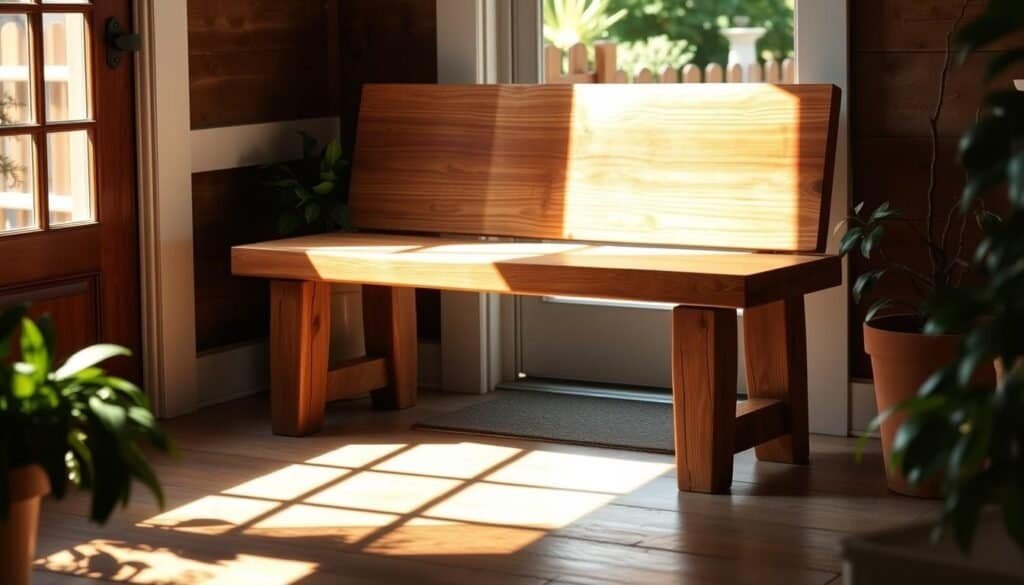
By following these steps, you can make a beautiful and useful DIY wooden bench for your entryway. It will improve your home’s look and organization. This project is a great example of an easy home upgrade that can have a big effect.
Weekend Wood Projects That Make a Big Impact: Farmhouse Dining Table
Looking to make a big impact with your weekend wood projects? A farmhouse dining table is a great choice. It’s not just functional but also a stunning centerpiece for your dining room.
Building a farmhouse dining table involves several key steps. We’ll break it down into manageable parts: building the table base, creating the tabletop, and attaching the components.
Building the Table Base
The table base is the foundation and stability of your farmhouse dining table. To build it, you’ll need to:
- Cut the legs and frame components according to your design specifications.
- Assemble the frame using mortise and tenon joints or screws.
- Ensure the base is sturdy and level.
Creating the Tabletop
The tabletop is the most visible part of your dining table. For a farmhouse style, use reclaimed or rustic wood. The steps include:
- Selecting and preparing the wood planks.
- Assembling the planks to form the tabletop.
- Sanding the surface to a smooth finish.
Attaching Components
Once the table base and tabletop are ready, it’s time to attach them together. Make sure to:
- Use appropriate fasteners to secure the tabletop to the base.
- Ensure the table is level and stable.
For more detailed instructions and inspiration, visit this resource on DIY farmhouse dining tables.

By following these steps, you can create a beautiful and functional farmhouse dining table. It will become the heart of your home.
Wooden Wall Art: Creative Expression in Your Space
Wooden wall art is a great way to show your creativity and make your space unique. You can make beautiful pieces with simple materials and a bit of imagination. These pieces can really show off your personal style.
Exploring Different Techniques
There are many ways to make wooden wall art. Some popular methods include:
- Geometric pattern art, which involves arranging wooden shapes into detailed designs.
- Wood slice wall hanging, which uses thin wood slices to create striking patterns.
- Reclaimed wood mosaic, which uses salvaged wood to add history and character to your art.
Geometric Pattern Art
Geometric pattern art brings a modern look to your home. It uses wooden shapes to make designs that add depth and interest to your walls.
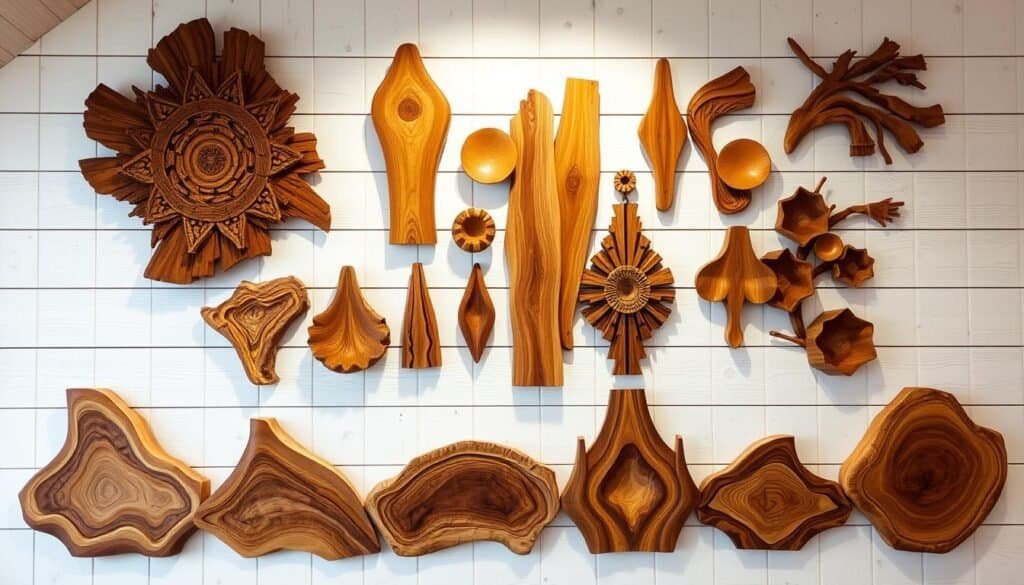
Wood slice wall hanging is another creative way to add wooden art to your home. It uses thin wood slices to make patterns or designs that are both rustic and elegant.
Reclaimed Wood Mosaic
Reclaimed wood mosaic adds history and character to your wooden art. It uses salvaged wood to make a unique piece that tells a story and warms up your space.
With these techniques and a bit of creativity, you can make beautiful wooden wall art. It can enhance your home decor and show off your personal style. Whether you like modern geometric patterns or rustic wood slice designs, there are endless options.
Practical Kitchen Island on Wheels
A kitchen island on wheels is a great addition to any kitchen. It gives you more counter space and storage. Plus, it’s easy to move around, helping you use your space better.
To make a kitchen island on wheels, you need to follow a few steps. First, build the frame. The frame is key because it makes your island stable and strong.
Frame Construction
For the frame, cut and put together the wood and hardware parts. Be sure to measure right and use strong joinery. This makes your frame solid.
Countertop Installation
After the frame is done, install the countertop. Pick a material that fits your style, like granite or laminate. Getting the countertop right is important for a good-looking and useful island.
Adding Wheels and Brakes
Next, add wheels and brakes so your island can move. Choose sturdy casters for easy rolling. And remember, brakes are needed to keep it steady when you want it to stay put.
By following these steps, you can make a kitchen island on wheels that’s both useful and stylish. You might also want to add drawers or cabinets for more storage.

Outdoor Planter Boxes for Garden Enthuasiasts
Building outdoor planter boxes is a fun DIY project. It can make your garden look better. These boxes bring greenery to your outdoor area and show off your gardening talent.

To start, focus on a few important things: box assembly, making sure there’s good drainage, and using protective finishes. Let’s look at the details.
Box Assembly
First, build the planter box using strong wood that can handle the outdoors. Use screws that don’t rust to make it last longer.
Creating Proper Drainage
Drill holes at the bottom of the box for drainage. This is key to stop the soil from getting too wet, which can hurt your plants.
Adding Protective Finishes
Put a protective finish on the wood to keep it safe from the weather. This makes your planter boxes look better and last longer.
By following these steps, garden lovers can make beautiful and useful outdoor planter boxes as a weekend DIY project. It’s easy to do, and it can really improve your outdoor area.
- Choose durable materials for longevity.
- Ensure proper drainage to keep plants healthy.
- Apply protective finishes to withstand weather conditions.
Custom Wooden Headboard: Bedroom Transformation
Make your bedroom stylish with a custom wooden headboard. It’s both useful and beautiful. A custom wooden headboard can turn your bedroom into a cozy, personal space.
Key Steps in Creating Your Custom Wooden Headboard
- Panel construction: The foundation of your headboard, providing the base structure.
- Adding decorative elements: Enhance the aesthetic appeal with carvings, moldings, or other decorative features.
- Staining and sealing: Protect your headboard while bringing out the beauty of the wood.
Panel Construction
The first step is building the headboard’s main body. You use wooden panels for this. Choose the wood type based on your style and budget.
Adding Decorative Elements
After building the panel, add personal touches. You can use carvings, moldings, or other designs that show your style.

The last step is staining and sealing. It protects the wood and makes it look better. It highlights the wood’s grain and color.
By following these steps, you can make a custom wooden headboard. It will make your bedroom a cozy, elegant place.
Wooden Coat Rack with Shelf: Entryway Organization
Building a wooden coat rack with a shelf is a great idea for your entryway. It keeps things organized by having a place for coats, hats, and more.
To begin, you need to create the shelf base. Measure and cut the wood to the right size. Then, use screws or nails to put it together. Make sure it’s strong enough for the items you’ll store.

- Measure and cut the wood to the desired size
- Assemble the pieces using screws or nails
- Ensure the base is sturdy and level
Adding Hooks and Hardware
After the shelf base is ready, add hooks and hardware. Pick sturdy hooks that fit your coat rack’s style. Attach them evenly and securely.
Securing to Wall Studs
To keep the coat rack stable, secure it to wall studs. Use a stud finder to find the studs. Then, attach the rack with screws or brackets.
For more DIY coat rack ideas, check out this article on DIY Wooden Coat Hanger Rack Projects for stylish entryways.
Bathroom Vanity Upgrade: Maximum Impact Project
Upgrading your bathroom vanity can greatly change your bathroom’s look. This project includes steps like building the cabinet box, making doors and drawers, and installing the countertop.
Cabinet Box Assembly, Door and Drawer Creation, Countertop Installation
First, build the cabinet box. This means making the frame and adding shelves and a back panel. Use high-quality materials for durability and stability.
Then, make the doors and drawers. Measure accurately for a perfect fit. Use proper joinery techniques to put them together.
Lastly, put in the countertop. Pick a material that fits your style and budget, like granite or quartz. Make sure it’s properly sealed to avoid water damage.
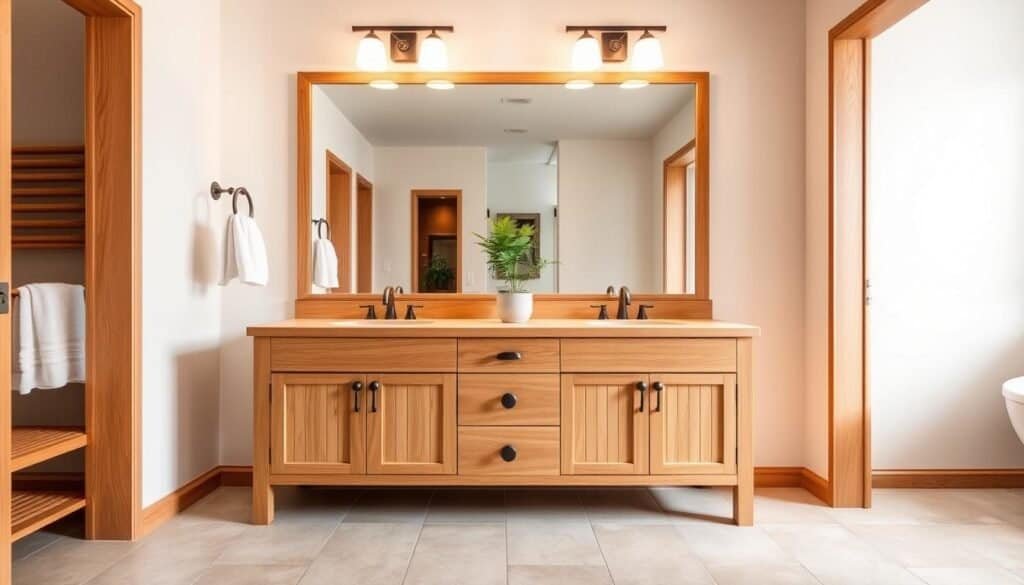
By doing these steps, you can make a beautiful and useful bathroom vanity. This DIY project can also increase your home’s value.
Some important things to think about for your vanity upgrade are:
- Choose materials that can handle moisture and humidity.
- Think about your bathroom’s style and design when picking the vanity.
- Make sure it’s installed right to avoid problems or damage.
With good planning and doing, your bathroom vanity upgrade can be a maximum impact project. It can turn your bathroom into a calm retreat.
Conclusion: Elevating Your Home One Project at a Time
Improving your home’s look and feel is easy with weekend wood projects. These DIY projects let you add your own style and personality to your space.
Looking through this guide, you can make your home both beautiful and useful. Projects like rustic shelves and custom headboards can really change your home’s look.
Keep going on your DIY path, even with small projects. They can really change your home. Whether you’re new to DIY or have been doing it for a while, these projects are a great way to make your home special.