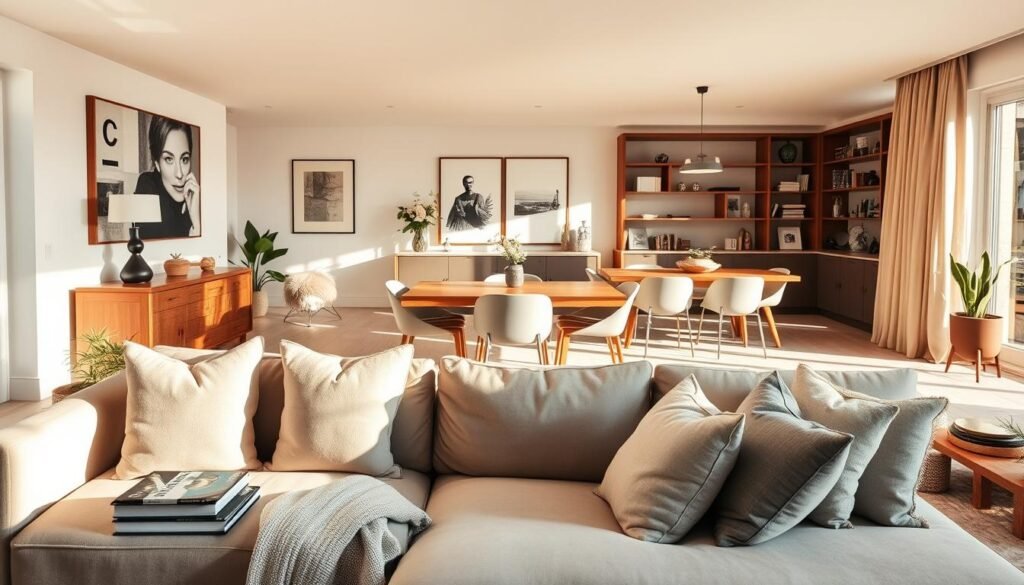
Modern styles often favor sharp lines and open floor plans. These home decor ideas catch the eye but might make a house feel cold. Our brains need physical softness and visual warmth to relax after a long day.
Effective interior design tips say comfort is more than just a soft chair. It’s about balancing lighting and sound. Creating a cozy space means making sure every sense is engaged, making the space welcoming, not just impressive.
Many people struggle to find comfort, even with expensive furniture. This happens when living room design doesn’t meet our need for security and flow. Using specific relaxation techniques helps find out which physical elements cause mental discomfort.
This article looks into why beautiful spaces sometimes fail to deliver. You will learn how to fix common layout mistakes and color choices. A balanced home ensures your sanctuary supports both social life and personal quiet time.
Do You Feel Relaxed in Your Living Room — Or Slightly Restless?
Your living room should be a peaceful place. But if you feel restless instead, it’s time to find out why. Restlessness at home can come from many things, like the room’s layout, decor, and feel.
Think about using feng shui for living rooms. This ancient practice helps arrange your space for harmony and balance. It can make your room feel more calm and peaceful.
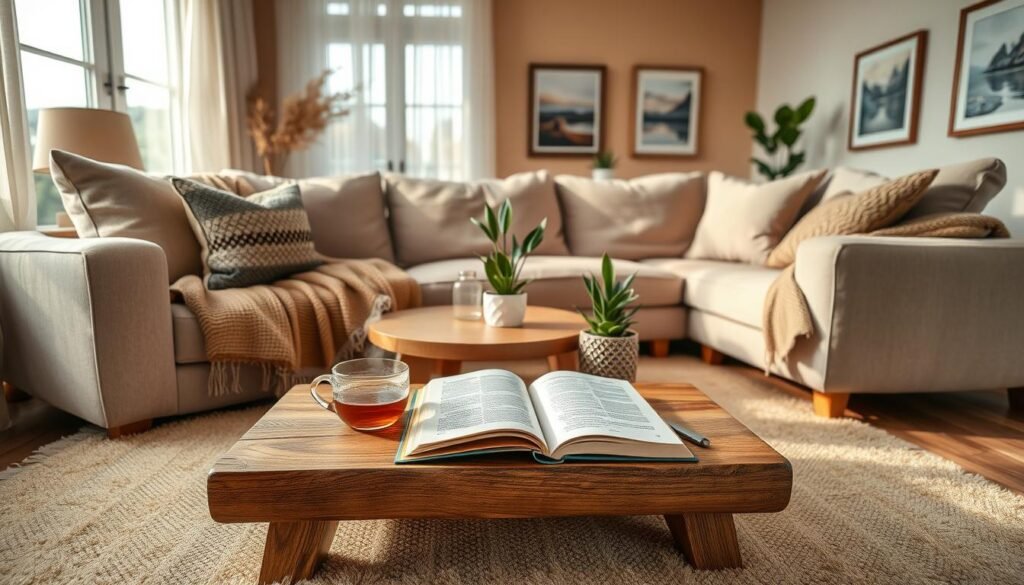
To make your living room cozy and comfy, focus on a few key things. Cozy living room ideas include warm lights, soft textures, and soothing colors. Comfortable living room ideas mean choosing furniture that looks good and feels right for lounging.
To beat restlessness at home, think about what you like and need. Ask yourself:
- Are there any cramped or blocked areas in the room?
- Is the lighting soft and relaxing, or harsh?
- Does the color scheme calm you down, or make you feel anxious?
By looking at these points and making changes, you can turn your living room into a cozy retreat. It will help you relax and feel less restless.
1. Your Lighting Is Working Against You
Often, the problem in an uncomfortable living room is not the furniture, but the lighting. Lighting greatly affects the room’s ambiance and comfort.
Adding Task Lighting for Function
Task lighting is for areas where you do tasks, like reading or cooking. Using table lamps or floor lamps creates focused light where you need it. This reduces eye strain and boosts functionality.
- Place table lamps on side tables or consoles to create task lighting.
- Use floor lamps in corners or behind furniture to add layers of light.
- Consider LED bulbs for energy efficiency and longevity.
Creating Ambiance with Accent Lights
Accent lighting highlights specific room features, like artwork or architectural details. Accent lights add depth and visual interest, making the space lively.
- Use picture lights to highlight artwork or photographs.
- Install LED strip lights behind furniture or under shelves for a modern glow.
- Adjust the direction and intensity of accent lights to create the desired ambiance.
The Magic of Dimmers
Dimmers let you change the lighting levels based on the time or activity. Installing dimmer switches greatly improves the comfort and versatility of your living room.
Adjusting the lighting can make your living room cozy in the evening or bright during the day. This flexibility makes your living room welcoming at all times.
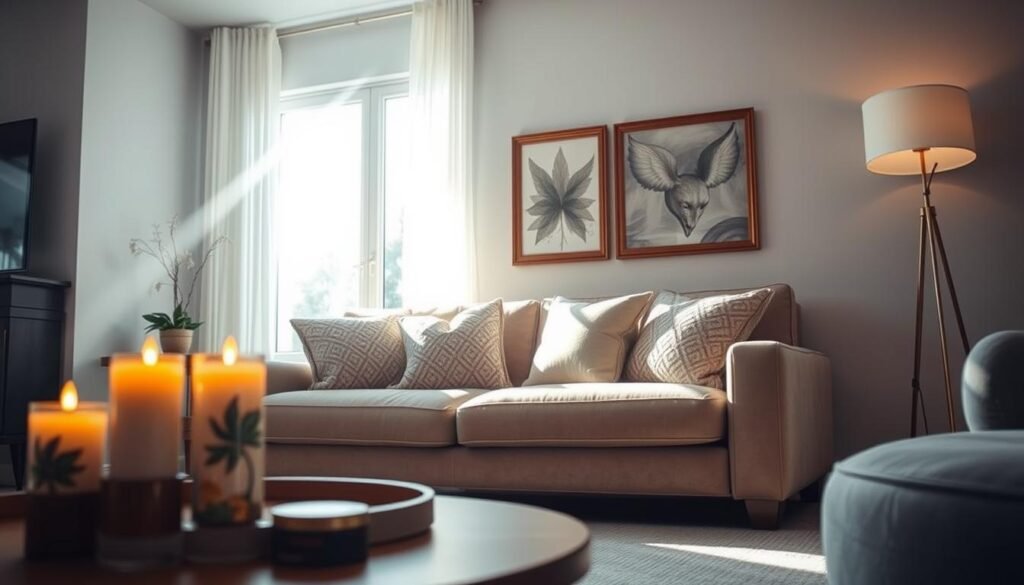
2. The Furniture Looks Great But Isn’t Actually Comfortable
The comfort of your living room furniture is key to feeling relaxed. It’s not just about looks; it’s about how it feels. Whether you’re sitting, lying, or lounging, it matters.
Comfortable furniture makes your living room inviting. Even if your sofa or armchair looks amazing, it’s useless if it’s not comfy.
Seating Depth and Cushion Firmness
The seating depth and cushion firmness are vital for comfort. A sofa that’s too deep or too shallow is uncomfortable. Cushions that are too firm or too soft also make it hard to relax.
- A seating depth that lets you sit with your back against the backrest and feet flat is best.
- Cushions should be firm enough to support you but soft enough to be comfy.
The Right Sofa Height for Your Body
The sofa’s height is also important. A sofa that’s too high or too low is uncomfortable and doesn’t support your body well.
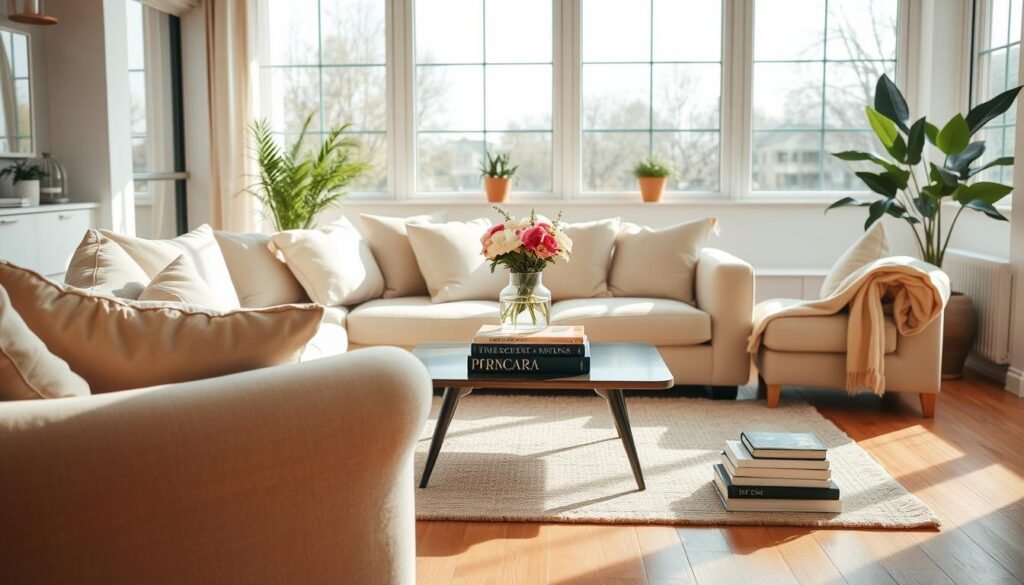
Choosing the right sofa height means considering the users’ height and matching it with the room’s furniture. An ergonomic living room focuses on comfort and function. So, getting the sofa height right is key.
By paying attention to these details, you can make your living room a place of beauty and comfort. It becomes a true haven of relaxation.
3. Poor Furniture Arrangement Is Disrupting Flow
The way you arrange your furniture greatly affects your living room’s comfort and flow. A well-planned furniture arrangement can make your space cozy and inviting. On the other hand, a bad plan can make it feel awkward and uncomfortable.
For a good living room layout, make sure there’s the right distance between seating areas. This distance should be close enough for easy conversation but not too close to feel cramped.
Ideal Distance Between Seating
To make a cozy conversation area, think about the distance between your seating. A good rule is to leave 8-14 feet between facing sofas or armchairs. This distance is perfect for talking without feeling too close or too far apart.
- In small rooms, use smaller furniture to keep a comfortable distance.
- In big rooms, create multiple cozy areas by grouping furniture.
- Make sure there’s enough room between furniture for easy movement.
Creating Intimate Furniture Groupings
Intimate seating arrangements can make your living room cozier. Try grouping furniture into smaller, cozy areas. Arrange furniture in circles or U-shapes to encourage conversation and warmth.

- Use a mix of sofas, armchairs, and ottomans for varied and inviting seating.
- Add a coffee table or console table for drinks and snacks.
- Include plants or decorative elements to add ambiance and coziness.
By focusing on furniture arrangement and creating cozy areas, you can greatly improve your living room’s comfort and flow.
4. The Color Scheme Is Affecting Your Mood
Your living room’s color scheme greatly affects your mood and comfort. The right colors can make it cozy and welcoming. The wrong ones can make it cold and unwelcoming.
Choosing the right color palette is key for a comfortable living room. Colors can change how you feel, with different hues causing different reactions.
Why All-White Rooms Can Feel Cold
All-white rooms, often seen in minimalism, can feel cold and sterile. They look clean and spacious but lack warmth. White, though neutral, doesn’t offer the warmth other colors do.
To warm up an all-white room, add natural textures and earth tones through furniture and decor. This balances the coolness of white and makes the room more inviting.
The Gray Fatigue Phenomenon
Gray is popular in living rooms for its neutrality and versatility. But, using too much gray can cause “gray fatigue.” This makes a room feel dull and uninteresting.
To avoid gray fatigue, mix gray with other colors and add different textures. Plants, wooden furniture, or colorful artwork can add contrast and prevent monotony.
Creating a cozy color palette is more than just picking colors you like. It’s about how those colors work together and how they make you feel. A well-balanced color scheme can greatly improve your living room’s comfort and ambiance.
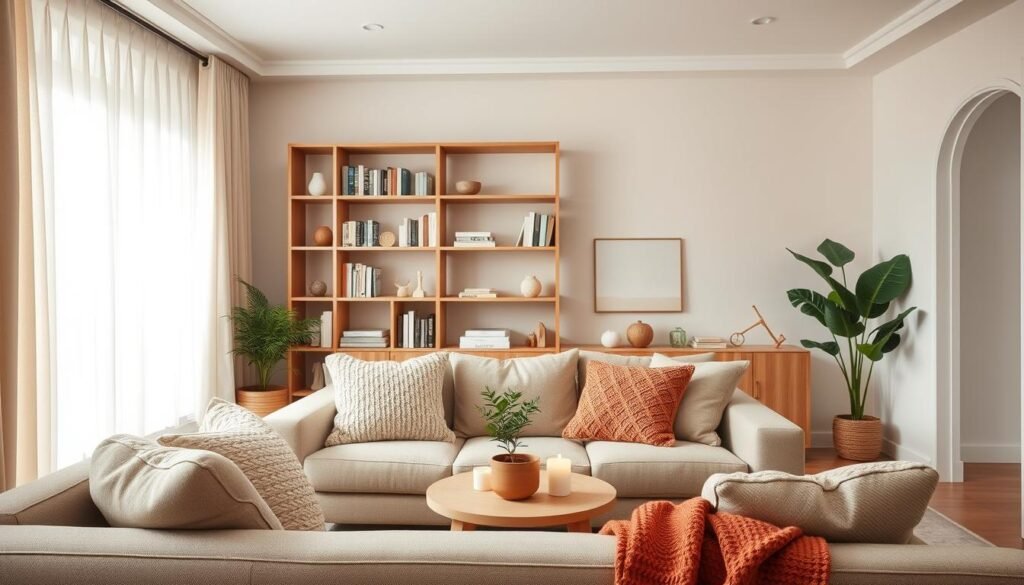
By carefully choosing your living room’s color scheme, you can avoid the pitfalls of all-white rooms and gray fatigue. This way, you can create a space that is both visually appealing and comfortable.
5. The Room Temperature and Air Quality Aren’t Right
Creating a cozy living room is more than picking the right furniture and colors. It also needs a comfy temperature and clean air. A room that’s too hot or cold can make it hard to relax.
Maintaining an optimal room temperature is key. Most people like temperatures between 68°F and 72°F (20°C to 22°C). But, what’s comfy can vary, so finding a temperature that suits everyone is important.
Strategic Furniture Placement Away from Vents
One often overlooked comfort factor is furniture placement near vents. Placing furniture in front of vents can mess with airflow. This can make some areas feel too cold or too hot.
- Keep furniture a few inches away from vents for better airflow.
- Think about your room’s layout and vent locations when arranging furniture.
- If you can, adjust vent louvers to spread air more evenly.
Air quality is also vital. Dust, allergens, and pollutants can affect health and comfort. Changing air filters often and using an air purifier can help keep air clean.
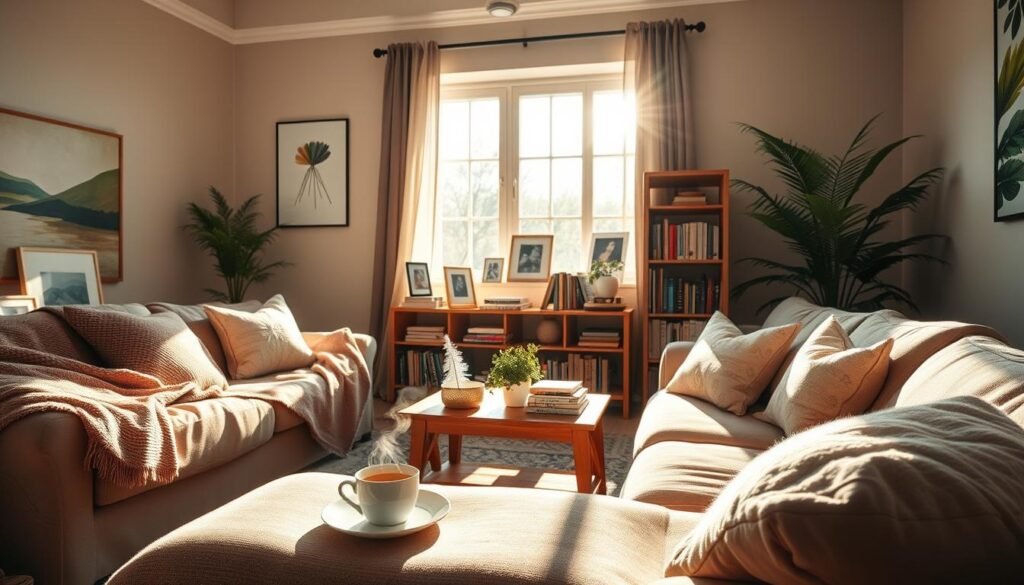
By focusing on temperature and air quality, and making a few adjustments, you can make your living room much more comfortable.
6. There’s Too Much or Too Little Visual Stimulation
Visual stimulation is key to making your living room cozy and inviting. Too much or too little can really affect how comfortable it feels.
The Sterile Showroom Effect
A living room that feels like a showroom lacks warmth and character. This happens when there are no personal touches or decorative items.
Avoiding the sterile look is easy with a few personal items. Try adding family photos, heirlooms, or unique decorative pieces.
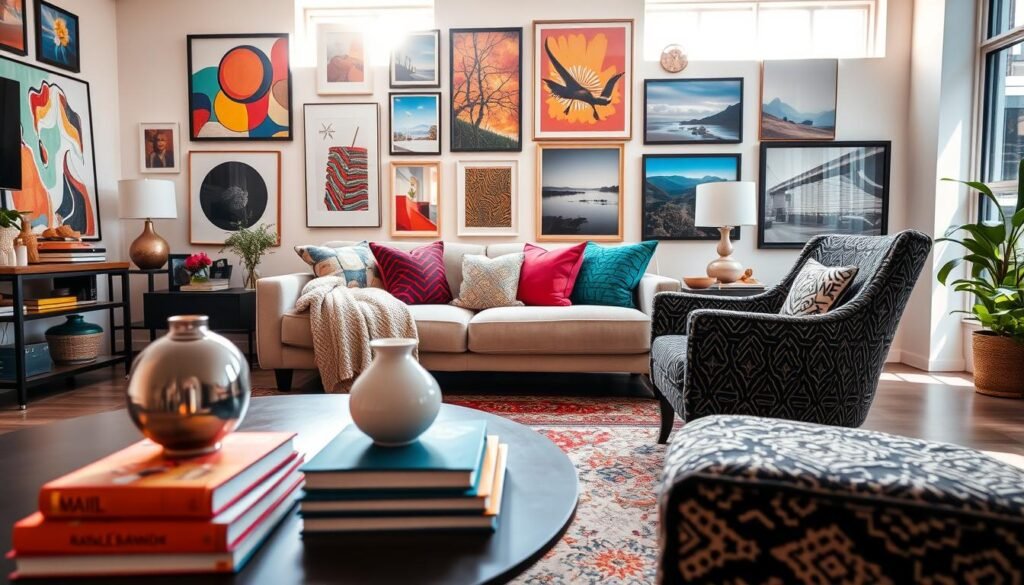
But, too much visual stimulation can make a room feel cluttered and overwhelming. The rule of three helps with this. It says to group decorative objects in odd numbers, usually three, for a nice look.
- Start with a central piece and add two complementary items around it.
- Vary the heights and textures of the objects to add depth.
- Ensure the grouping doesn’t feel too symmetrical or too chaotic.
By using the rule of three and watching the visual stimulation, you can make your living room cozy and inviting. It will feel just right.
7. The Textures Are All Wrong for Coziness
Textures play a big role in making your living room cozy. The right mix can turn it into a warm haven. It becomes the perfect place to relax.
Layering Throws and Pillows
Adding throws and pillows is a simple way to make your living room cozy. Use soft materials like wool, fleece, or velvet for these. Mixing different textures, like velvet with knit, adds depth.
Varying the sizes and colors of throws and pillows makes the space more interesting. For example, big, neutral pillows with small, bright ones create a cozy balance.

Area rugs also bring coziness to your living room. A plush area rug adds warmth and defines the seating area. Choose a rug with a thick pile or soft materials like wool or jute.
Area rugs also help tie together different textures and colors. This creates a welcoming atmosphere in your room.
Wood, Wool, and Woven Elements
Adding natural elements like wood, wool, and woven items makes your living room cozier. Wood adds warmth and character. Wool throws or blankets add softness and texture.
Woven items, like baskets or wall hangings, bring an organic feel. Combining these with other cozy elements makes your living room warm and inviting.
8. Acoustics Are Making the Space Feel Off
Acoustics can greatly affect how cozy your living room feels. It can make the space feel welcoming or awkward. The sound in a room can change how comfortable it feels, often in small but big ways.
Poor acoustics in a living room can make it uncomfortable. Echoey spaces can make talking hard, while rooms that soak up too much sound can feel muffled and alone.
Textiles, Upholstery, and Soft Furnishings
Using textiles, upholstery, and soft furnishings can greatly improve your living room’s acoustics. These items can soak up sound, reducing echo and making the space feel closer.
Think about adding different textiles like plush rugs, thick curtains, and cozy throw blankets. They add warmth to the room and help with sound absorption, making it cozier.
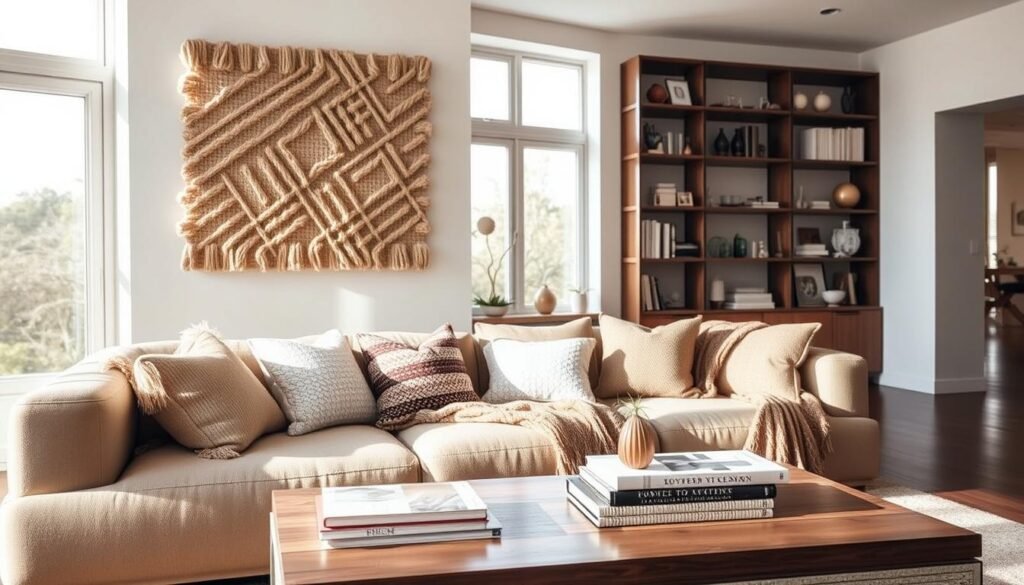
Upholstered furniture is also key in managing a room’s acoustics. Sofas, armchairs, and ottomans with thick, heavy upholstery can soften sound reflections. This makes the space feel more snug and welcoming.
By carefully choosing and arranging textiles, upholstery, and soft furnishings, you can greatly improve your living room’s acoustics. This makes the space more comfortable and cozy for relaxing and socializing.
9. Your Living Room Doesn’t Reflect Your Personality
To truly feel at home, your living room should show who you are. A space that reflects your personality makes you feel more comfortable and relaxed.
Displaying Family Photos and Mementos
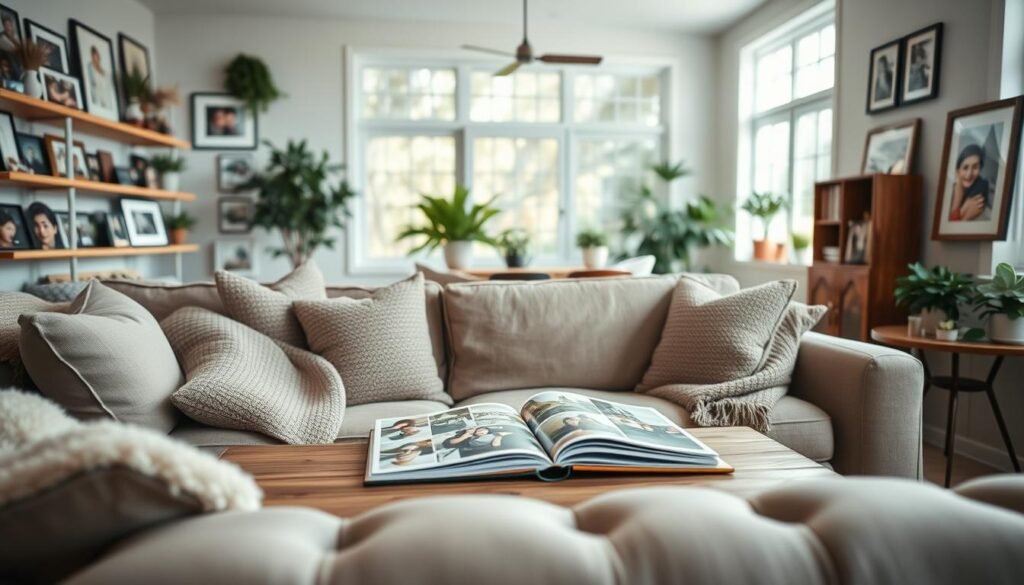
Displaying family photos and mementos is a simple way to add a personal touch. These items add visual interest and warmth to your space.
- Use frames of different shapes and sizes to create a gallery wall.
- Display sentimental objects on a shelf or mantle.
- Create a memory box or shadow box to showcase cherished items.
Incorporating Your Hobbies and Interests
Adding elements related to your hobbies and interests makes your living room more inviting. This can be through decorative items, functional pieces, or even the color scheme.
Some ideas include:
- If you love reading, create a cozy reading nook with a comfortable chair and a floor lamp.
- If you’re a music lover, display your instruments or music-related memorabilia.
- If you enjoy cooking, incorporate elements that reflect your culinary interests, such as vintage kitchen utensils or a cookbook collection.
By adding these personal touches, you can create a cozy personal space that feels like your own.
10. The Scale and Proportion Are Off
Creating a cozy living room is more than picking furniture. It’s about getting the scale and proportion right. When it’s off, the room can feel awkward and out of sync.
To make a living room welcoming, think about furniture size. A big sectional might be too much for a small room. On the other hand, a small coffee table can get lost in a big space.
The Two-Thirds Rule for Coffee Tables
For the perfect coffee table size, use the two-thirds rule. The coffee table should be about two-thirds the length of your sofa. This size makes the table look good and useful without taking over.
- Measure your sofa’s length.
- Find two-thirds of that length for the coffee table size.
- Think about the coffee table’s width and height with the room’s furniture.
Proper Rug Size Guidelines
Choosing the right rug size is key for a cozy living room. A rug that’s too small can make the room feel off. But a rug that’s too big can overwhelm it. Pick a rug that fits under the furniture’s front legs for a cohesive look.
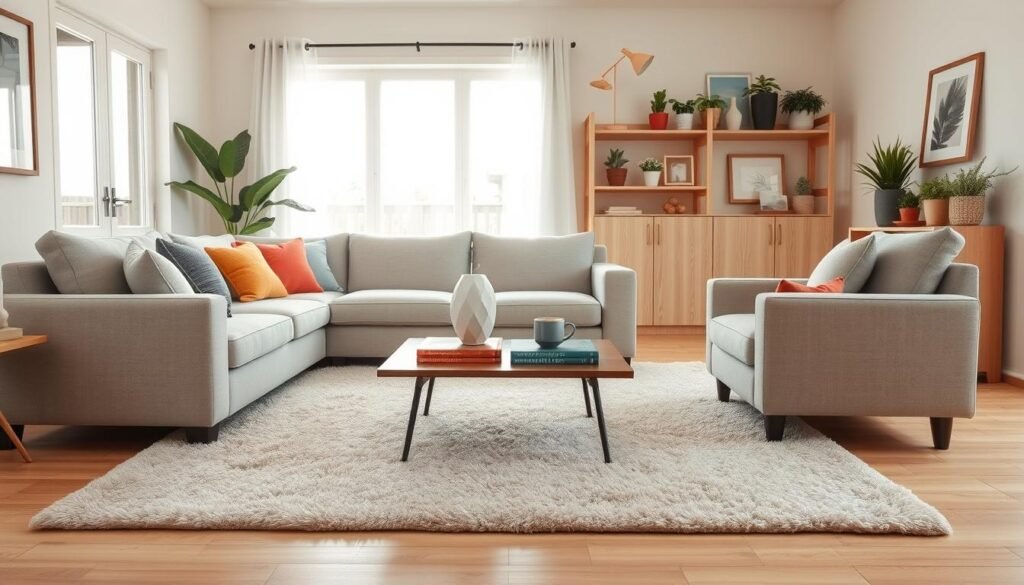
Focus on furniture and decor size to make a cozy living room layout that’s inviting. Use the two-thirds rule for coffee tables and the right rug size to get a balanced and harmonious space.
Conclusion
Making your living room cozy is more than just looks. It’s about creating a place where you can relax and feel at ease. Think about lighting, furniture, colors, and adding personal touches to make it special.
A comfy living room needs the right mix of textures, sounds, and sizes. Adding decor that shows your personality makes it truly yours.
With these tips, you can turn your living room into a cozy spot for unwinding. Focus on making it a place of relaxation and style. This way, your home will feel more serene and welcoming.