Do you dream of harvesting fresh vegetables from your own backyard? Many people think starting a vegetable patch costs a lot. But, you can create a productive oasis without spending a lot.
A DIY Raised Garden Bed – Build one for under $50 is the perfect solution. With just a few pieces of lumber, some screws, and a single afternoon of work, you can transform your outdoor space into a thriving food source.
This project focuses on smart design choices and cost-effective materials. By keeping your expenses low, you maximize the value of your harvest. Whether you want to grow crisp lettuce or fragrant herbs, this simple structure provides the ideal environment for your plants to flourish. Get ready to enjoy the satisfaction of growing your own produce while keeping your wallet happy.
Why You Should Build a DIY Raised Garden Bed – Build one for under $50
Starting a garden doesn’t have to cost a lot or hurt your back. By making a diy raised garden bed, you control your garden and save money. You don’t need expensive kits or professional help to grow your own food.
Building your own frame lets you tailor it to your backyard. Skipping pre-made kits saves you money for better seeds and compost. This way, growing your own food is possible for anyone, no matter their carpentry skills.
A raised bed garden has many benefits over traditional planting. These beds give your plants a better place to grow all season long.
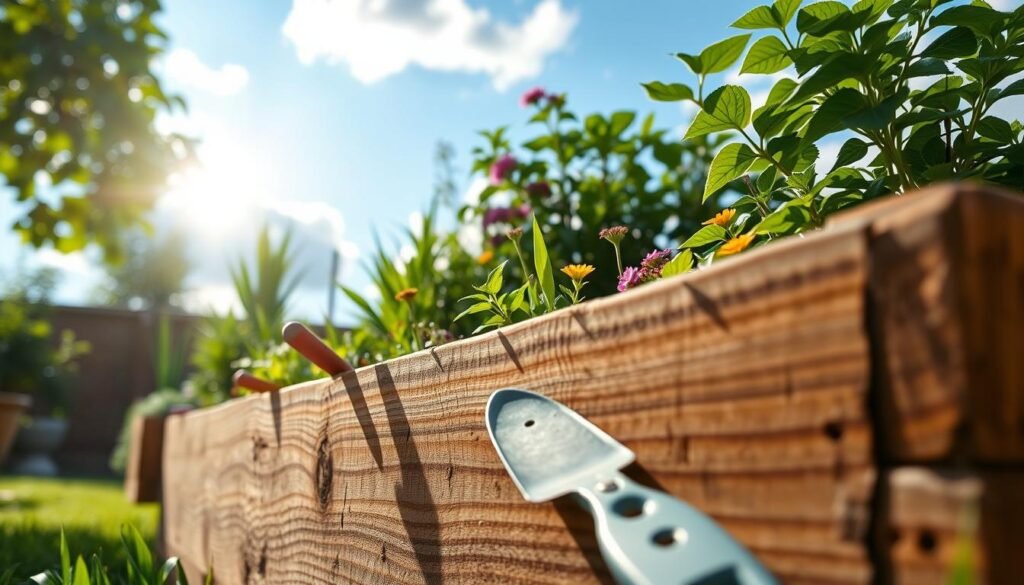
Here are the main reasons to choose this method:
- Improved soil drainage stops root rot and keeps plants healthy in rain.
- Better soil quality lets you make the perfect mix for your crops.
- Ergonomic comfort means less bending and kneeling, which is good for your joints.
- Extended growing seasons because the soil warms up faster in spring.
Choosing the diy raised garden bed path is a rewarding project. The time spent building is worth the years of fresh produce it brings. Start today and see how easy it is to grow your own food at home.
Essential Tools and Materials for Your Low-Cost Project
Building an affordable garden bed begins with picking quality, yet cheap materials. Look for untreated cedar or pine boards. They are durable and weather-resistant, but won’t break the bank.
Scour local hardware stores for clearance items or search for reclaimed wood suppliers. Using salvaged materials makes your project a budget-friendly raised bed. It also adds a unique touch to your backyard.
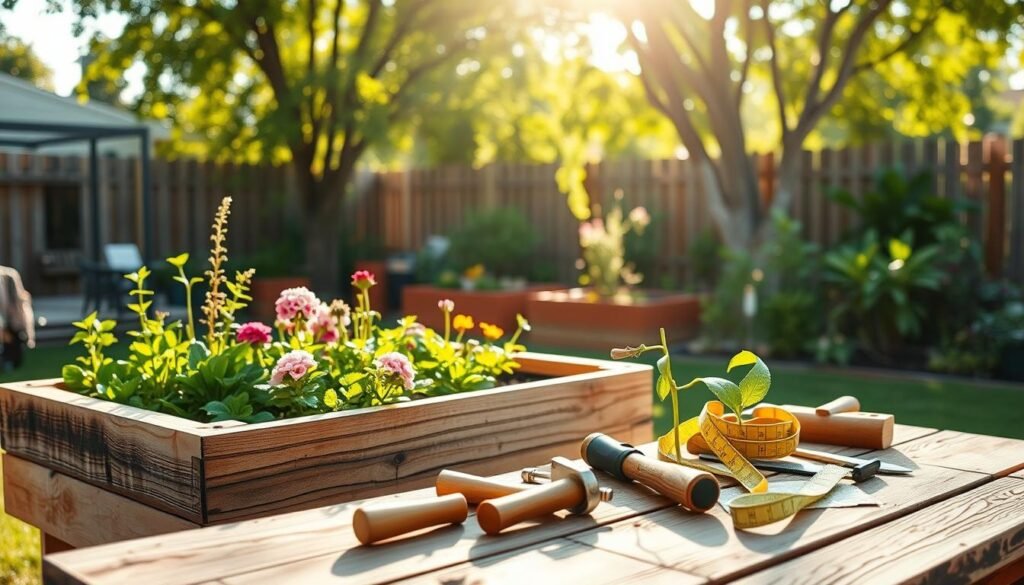
With your lumber in hand, you’ll need basic tools for your easy garden bed build. The right tools make the job quicker and more fun for beginners.
Here’s what you’ll need before starting:
- A reliable power drill for securing joints.
- A sturdy measuring tape for precise cuts.
- A sharp handsaw for sizing your boards.
- Corrosion-resistant exterior screws to hold the frame together.
Choosing simple tools and materials helps you build a garden frame that looks professional. Spending time on planning keeps your project affordable. It also gives your plants a solid base to grow.
Step-by-Step Guide to Constructing Your Garden Frame
Building a strong border for your plants is key to good gardening on a budget. Making your own frame keeps your garden stable and productive for years. This task is easy and can be done in just one afternoon.
First, clear a flat area for measuring and cutting your lumber safely. Being precise is important for strong corners. This is what keeps your frame sturdy under heavy soil.
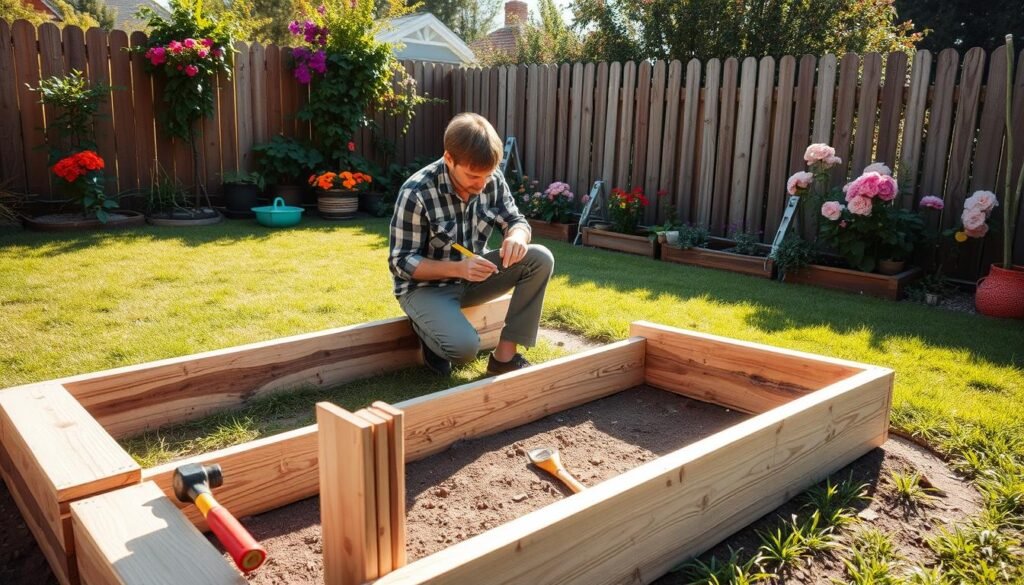
Here’s how to put your frame together:
- Measure and cut your boards to the right length with a circular saw or hand saw.
- Make sure the corners of your boards are at a 90-degree angle for a perfect rectangle.
- Use exterior-grade screws to connect the corners, making sure the wood fits well and is secure.
- Make sure the frame is level on the ground to stop soil runoff in heavy rain.
These diy garden projects can handle the weight of soil and weather changes. Using quality screws and treated or cedar wood keeps your frame from rotting.
Choosing frugal gardening doesn’t mean you have to settle for less. With a solid frame, you’re ready to fill it with your favorite veggies. A well-made frame is the key to a lush backyard garden.
Choosing the Best Location for Your Backyard Garden
Your backyard is the key to a thriving garden. Picking the right spot for your low-cost raised bed solution is critical. A well-chosen location ensures your plants get the sunlight they need to grow well.
Most vegetables and herbs need at least six to eight hours of direct sunlight daily. Spend a day watching your yard to see how shadows move. You should avoid areas that stay shady in the afternoon, as this slows plant growth.
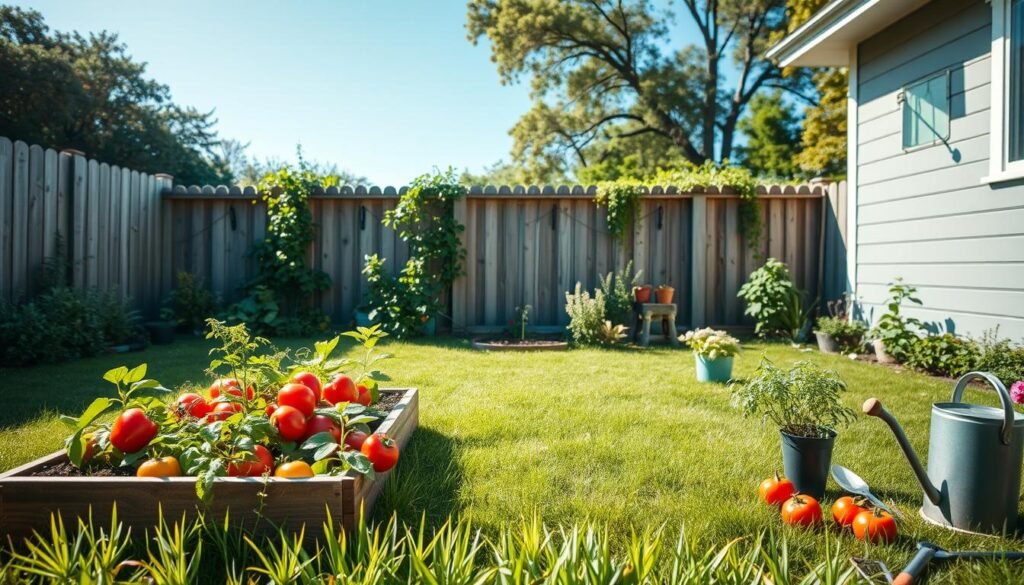
When planning your backyard gardening layout, remember these key points for success:
- Avoid low spots: Don’t put your bed in areas where water collects after rain, as it can cause root rot.
- Check for accessibility: Ensure your garden is near a water source to avoid heavy hose carrying.
- Watch for wind: If your area is very windy, place your bed near a fence or wall for a natural windbreak.
- Level the ground: A flat surface makes building easier and prevents soil loss during storms.
Proper placement greatly affects your crops’ yield and health. For herb garden ideas outdoor, place your bed near your kitchen door for easy access. By choosing a spot that balances sunlight, drainage, and convenience, you’re set for a rich harvest all season.
Soil Composition and Filling Your Raised Bed
Achieving a bountiful harvest starts from the ground up with nutrient-rich soil. The secret to a thriving garden lies in the quality of the medium you use to fill your newly constructed frame. By focusing on high-quality ingredients, you can easily bring your favorite vegetable garden ideas to life.
A balanced mixture is essential for healthy root development and long-term plant vitality. We recommend a blend that provides both nutrients and proper drainage. You should aim for a combination of the following materials:
- Organic Compost: Adds vital nutrients and improves soil structure.
- Peat Moss or Coconut Coir: Helps retain moisture while keeping the soil light.
- Topsoil: Provides the necessary bulk and mineral base for your plants.
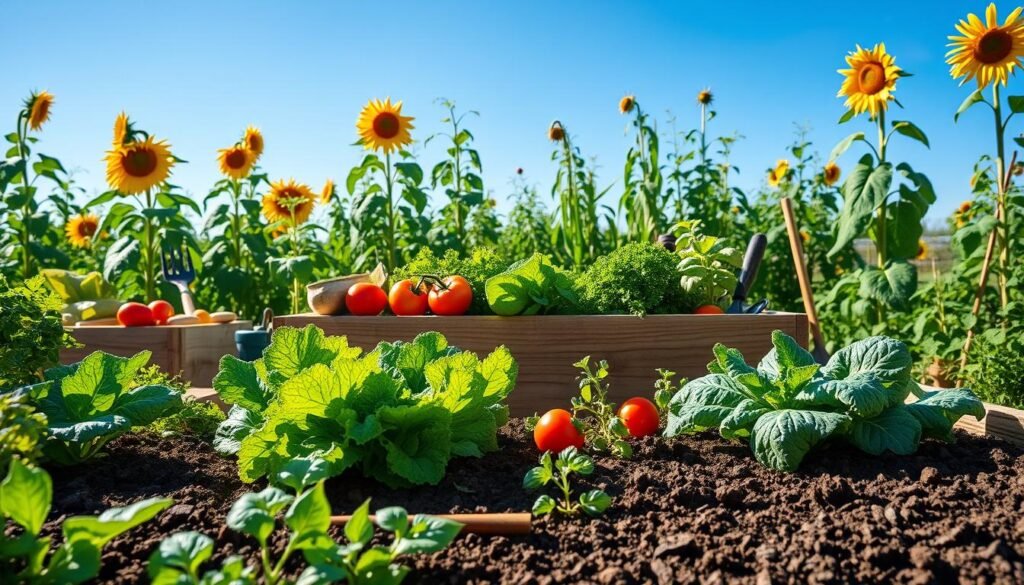
Before you head to the store, calculate the volume of your bed to avoid overspending. Simply multiply the length by the width and the depth of your frame in feet. This simple math ensures you buy exactly what you need for your container gardening project without wasting money on excess bags.
Focusing on nutrient-dense soil creates an environment where your plants can flourish with minimal intervention. Whether you are planting peppers or basil, a well-prepared herb garden bed will reward you with a faster growth rate. Investing time in your soil now will save you hours of maintenance throughout the growing season.
Top Vegetable and Herb Varieties for Small Spaces
Starting your gardening for beginners journey means picking the right crops. Choose plants that you like to eat to make your harvest rewarding. Even a small space can become a treasure trove of fresh food with the right plants.
When looking at garden bed ideas, pick plants that grow fast and need little care. These hardy plants give beginners a sense of achievement and keep things simple. Start with these reliable choices:
- Lettuce: Grows quickly and can be picked leaf by leaf.
- Radishes: Quick to grow, ready in just a few weeks.
- Basil: Fragrant and loves warmth, great for containers or beds.
- Cherry Tomatoes: High yields in small spaces with a trellis.
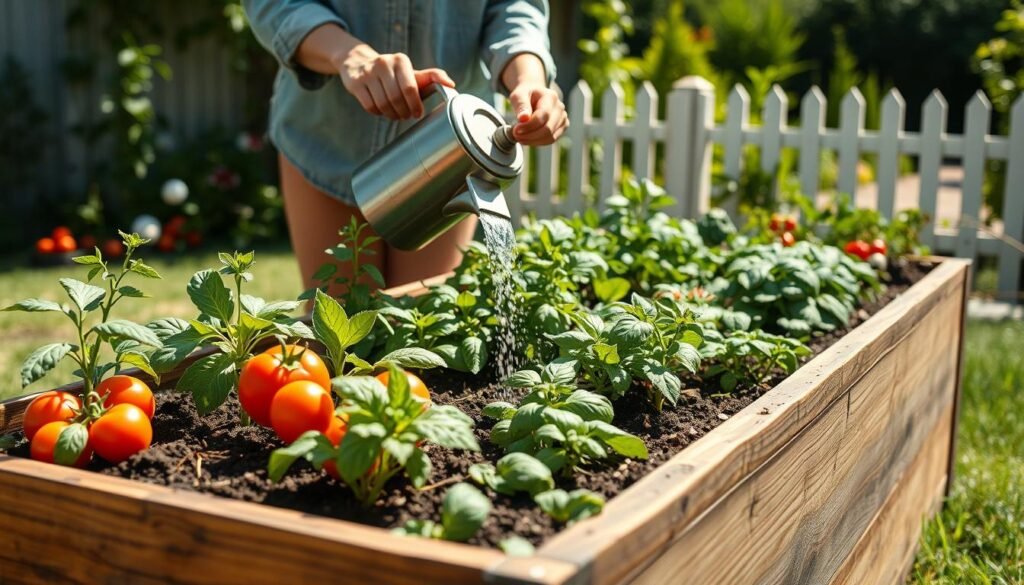
Arranging your garden well is key to using space wisely. Place taller plants like tomatoes or peppers on the north side. This keeps them from shading smaller plants. This smart herb garden design lets sun-loving plants get the light they need.
Adding herbs garden ideas to your garden makes it look good and useful. Herbs like parsley, cilantro, and chives can even keep pests away. With the right plants and layout, your garden will be productive and beautiful, fitting your lifestyle perfectly.
Creative Garden Edging and Design Ideas
Turning a simple wooden box into a garden masterpiece is all about the details. Creative edging not only makes your garden look better but also keeps the soil in and weeds out. A neat border makes your garden a beautiful centerpiece of your backyard.
You don’t have to spend a lot to get a professional look. Try using old bricks, smooth river stones, or recycled logs to edge your garden. These materials are great for growing herbs or showing off your favorite beginner gardening plants. They add a natural touch that makes your garden feel welcoming.
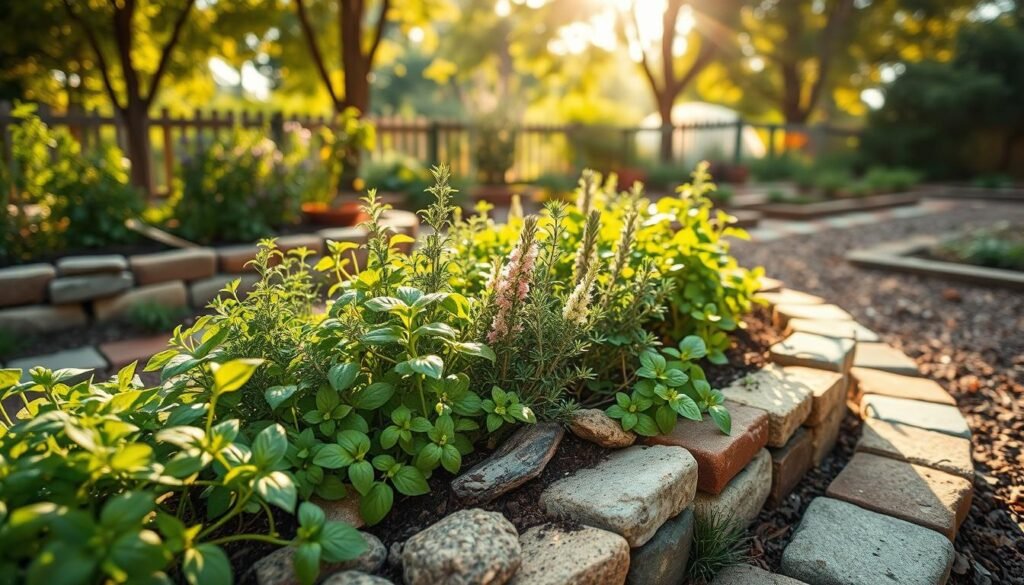
For a more compact look, mix small containers into your garden design. Herb plant pots among your veggies make harvesting easier. You could even add a small herb dish garden in a corner for extra charm.
Here are some easy tips to make the most of your space:
- Use old wood scraps to create a tiered look for better drainage.
- Make a circle with stones to add some flair to a rectangular bed.
- Put up vertical supports for climbing plants to add height and interest.
- Group plants with similar water needs together for a healthy garden.
Plan your garden layout carefully to mix beauty with function. These small touches make your garden both useful and lovely all year. Personalizing your garden with these ideas makes gardening more fun.
Maintenance Tips for a Thriving Garden
Keeping your garden healthy is simpler than you think. With a few personal garden ideas in your daily routine, your plants will thrive. Consistency is key for a bountiful harvest all season.
For easy garden ideas for beginners, focus on watering. Vegetables and herbs like deep, consistent water, not light sprinkles. Check the soil by sticking your finger in; if it’s dry, it’s time to water.
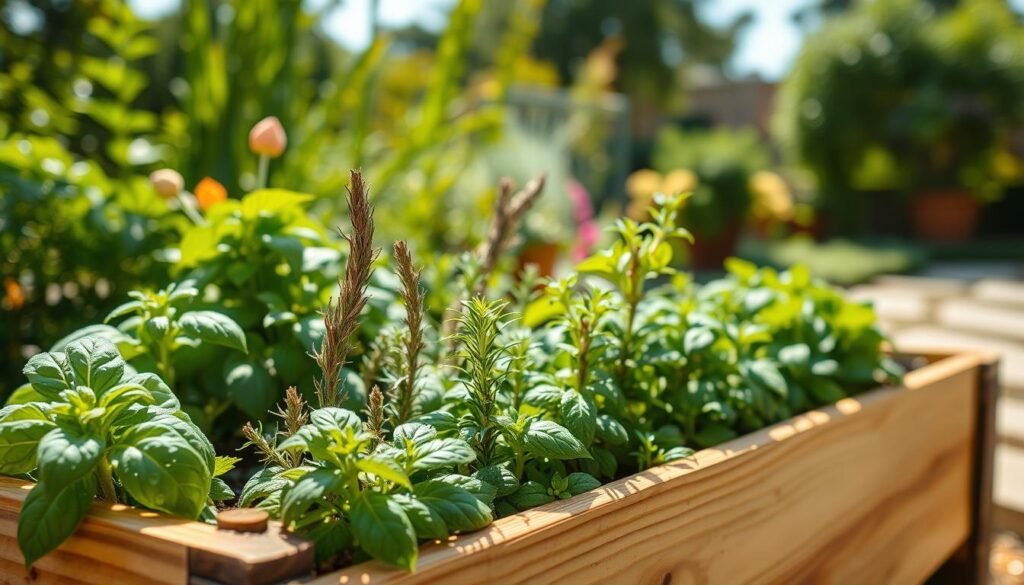
Adding organic mulch is also essential. It keeps the soil moist, fights weeds, and controls temperature. Following herb garden 101 basics helps your plants stay healthy and need less care.
Weekly pest checks are important to protect your garden. Early detection helps manage problems before they harm your crops. Here are key maintenance tasks:
- Watering: Water at the base to keep leaves dry and prevent disease.
- Mulching: Use straw or wood chips to keep the soil cool and moist.
- Pest Control: Check the undersides of leaves for small insects or eggs.
- Deadheading: Remove spent flowers to encourage new growth and production.
By using these outside herb garden ideas, your backyard will become a fresh ingredient haven. A bit of daily care can make your garden a summer delight. Stay alert, consistent, and watch your garden grow.
Adapting Garden Ideas for Apartments and Balconies
You don’t need a big backyard to grow your own food. Many garden ideas for apartments let you make a small balcony into a garden. By using space up and down, you can make the most of every inch.
Wall-mounted planters or tiered shelves are great for saving floor space. A little herb garden can do well on a sunny railing or a small table. This way, your plants get enough sunlight and your living area stays tidy.
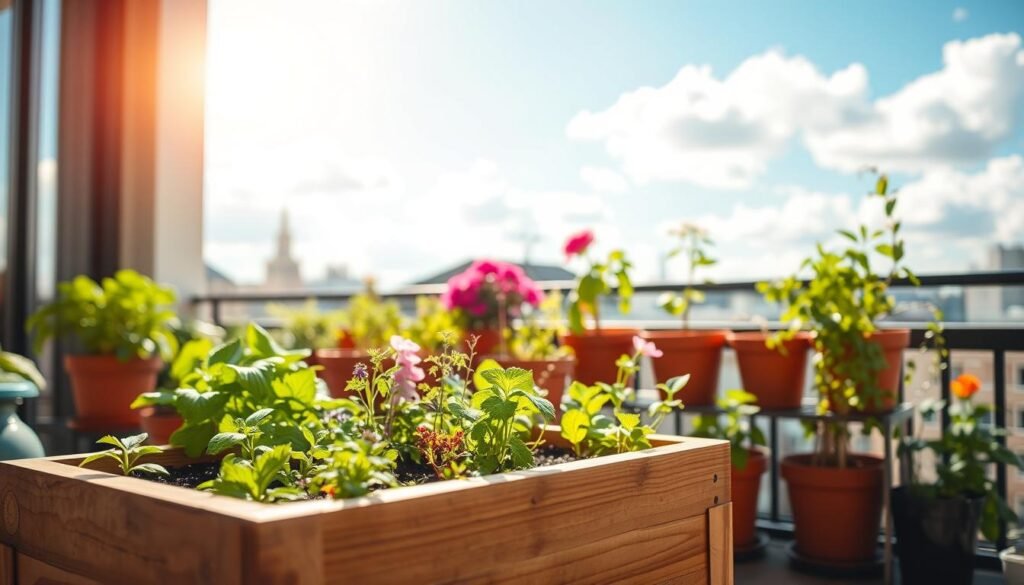
Choosing the right containers is key when space is tight. An herb box garden fits well on windowsills or narrow spots. You can move these boxes to catch the sun, which is a big plus of container gardening.
Here are some tips for a successful urban garden:
- Use lightweight potting mix to avoid straining your balcony.
- Make sure all containers have holes for water to drain.
- Group plants by their water needs to make care easier.
- Pick dwarf varieties that grow well in small pots.
Keeping a herb garden in containers healthy means regular watering and feeding. Pots dry out quicker than soil, so check moisture daily. With the right care, even a small balcony can give you fresh herbs for your cooking.
Conclusion
Building a raised garden bed is a rewarding project that offers immense value for a small financial investment. You now have the knowledge to create a simple herb garden or explore small vege garden ideas that fit your lifestyle. Whether you prefer a brick herb garden or a raised garden bed with logs, your backyard can become a productive oasis.
Consider your unique space when planning your layout. You might enjoy a circular herb garden or a stone herb garden to add visual interest. Those living in cities can utilize garden apartment ideas like a balcony herb garden apartment or a porch herb garden. These small gardening ideas prove that you do not need a massive yard to grow fresh food.
Consult a helpful herb garden chart with illustrations to track your progress. You can grow herbs that thrive in shade or select creeping herbs for ground cover. If you have limited light, focus on herbs for partial shade or medicinal herbs that grow in shade. A diy herb garden setup works well for both indoor and outdoor environments.
Experiment with herbal garden design ideas to reflect your personal style. Try a herb wheel garden or a classic stone wall vegetable garden to maximize your harvest. Potted herb garden ideas offer flexibility for those who move often. Enjoy the process of growing your own food and the satisfaction that comes with a successful, budget-friendly harvest.