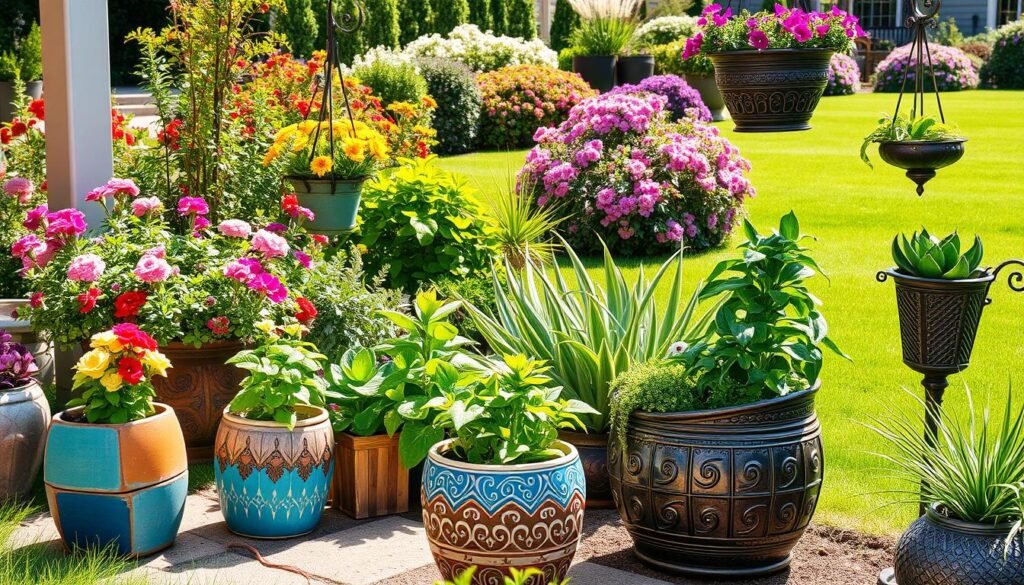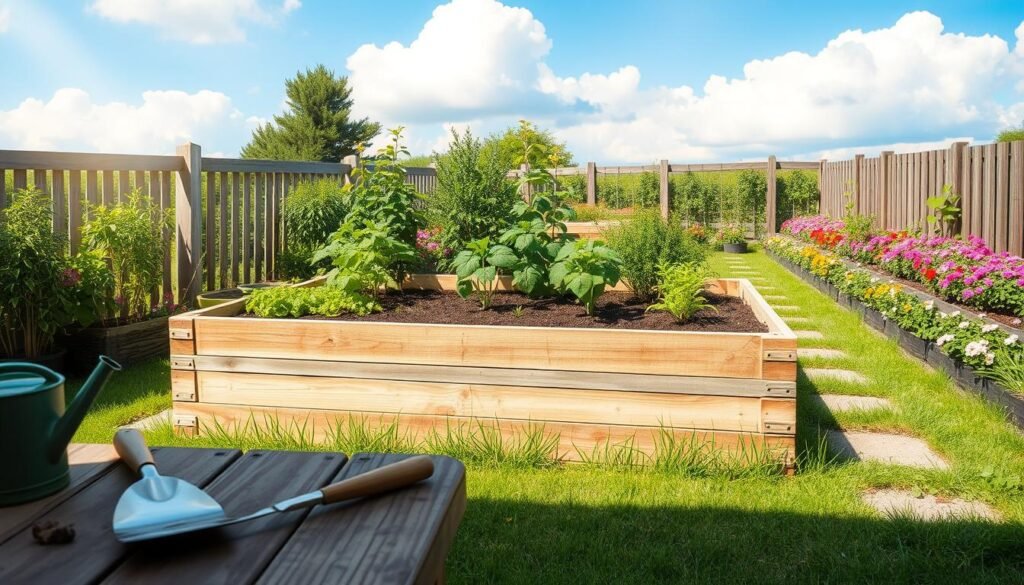
Your backyard should be a lively place where memories grow with your flowers. Every homeowner wants a peaceful spot, but dangers can hide in a beautiful garden.
By focusing on family-friendly garden safety, you can make your outdoor area safe. Taking action now means your garden will be a place of happiness, not worry.
Learning Garden safety 101 for kids and animals is key when you have kids or pets at home. We’ll look at important ways to keep outdoor safety for children and pets top-notch. This way, your family can enjoy the outdoors without fear.
Understanding Garden Safety 101 for Kids and Animals
Start by walking around your garden with a curious eye. Look at it like a toddler or a playful puppy. This way, you can find dangers like sharp tools or uneven paths before they cause harm. Proactive observation helps spot risks like gaps in fences.
To make your garden safe for kids, set clear boundaries and remove hazards. Keep heavy tools locked up and cover water features. These steps help prevent accidents and let kids enjoy nature.
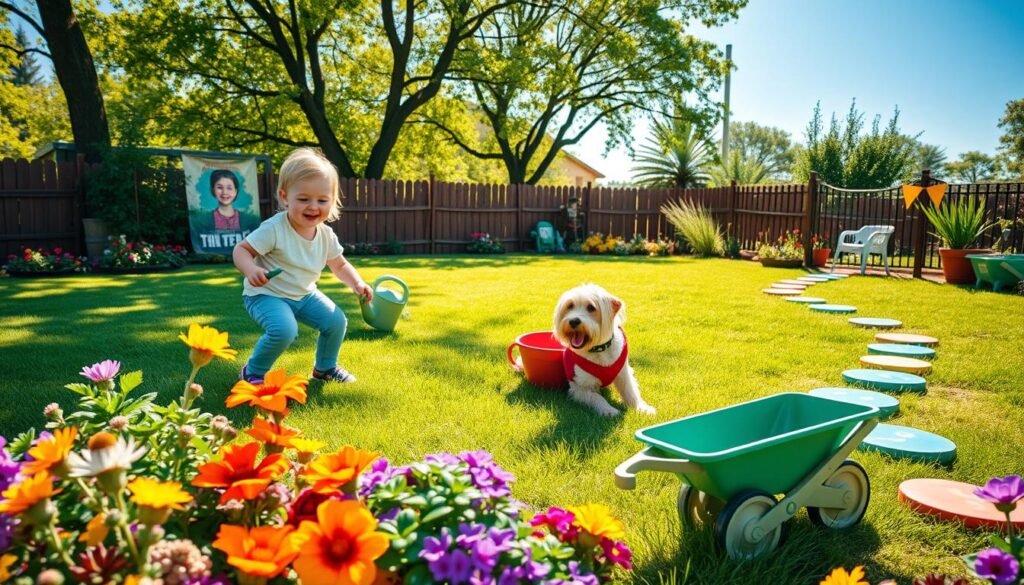
Keeping your garden safe for pets is also key. Many plants and fertilizers can be harmful if pets eat them. Always check that your soil and pest control are safe for pets. This keeps them healthy while they play outside.
By following these tips, you can make a safe space for everyone. Here are some important steps:
- Regularly check the garden’s edges for holes or loose boards.
- Store all garden chemicals in a high, locked cabinet.
- Make special play areas away from thorny plants or bee hives.
- Look for poisonous plants that might attract pets.
Securing Your Perimeter with Smart Fencing Solutions
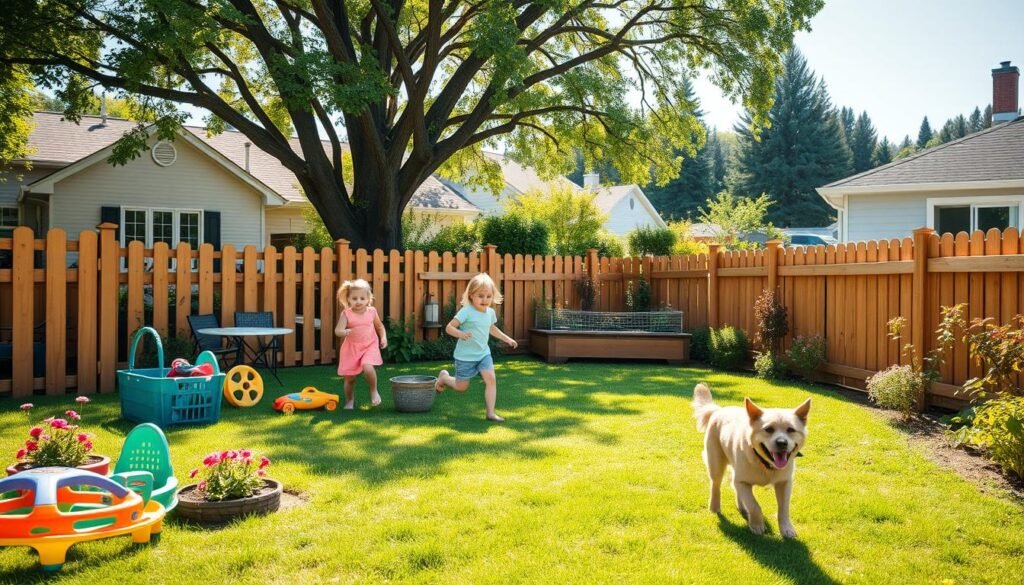
A strong perimeter is key for safe gardens for kids and pets. Whether it’s a privacy fence or a modern frontyard design, the aim is to keep everyone safe. A good fence keeps your family in and strangers out.
Evaluating Industrial Security Spikes vs. Decorative Options
For safety, some choose a spike top security fence. But, industrial spikes might look too tough for homes. Decorative spiked fences offer a safer look without losing safety.
Stainless steel spikes are a good choice, but make sure they’re out of reach. DIY fans can add wall spikes to their fences. A modern gate is also important, as it’s your property’s main entry.
Some like castle wall spikes for their look. But, painted garden fences can make a yard feel more welcoming. Remember, your fence should match your home’s style.
Benefits of a Fence with Hedge for Natural Privacy
A fence with a hedge is great for security and beauty. It’s a green barrier that’s more inviting than a solid wall. It’s perfect for gardens, adding privacy and charm.
Natural hedges also block out noise, making your yard quieter. They’re a great mix with modern fences, giving you both structure and greenery.
Choosing the right plants for your hedge can make it stunning. This way, your garden is a peaceful spot for your family. It’s a safe, welcoming space thanks to the greenery.
Selecting Pet-Safe and Child-Friendly Plants
Creating a beautiful landscape is important when you have pets and kids. A well-planned pet garden is both beautiful and safe. By using a pet-friendly plants guide, you can make your outdoor space safe for everyone.
When picking flower beds in front of house, choose animal safe plants. Many plants are toxic, so it’s key to pick plants safe for pets. You can find dog-friendly garden ideas that are both safe and colorful.
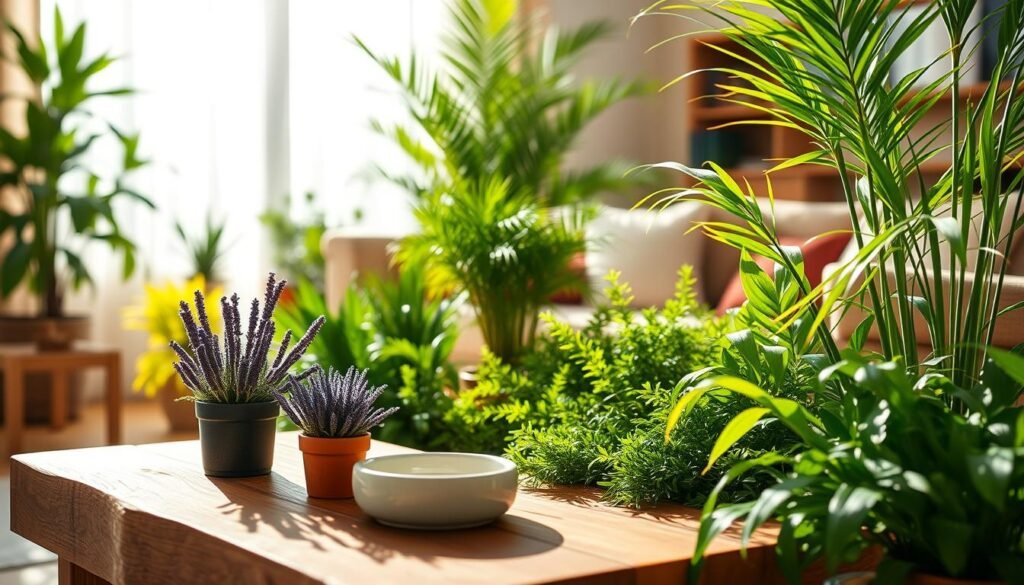
Don’t forget about your indoor space. Adding pet friendly house plants or green indoor plants for cats improves air quality. There are many cat friendly house plants living room options and air cleaning plants safe for cats.
Incorporating Catnip and Other Safe Greenery
Adding a catnip plant to your yard is great for cats. They love the scent and it’s safe for them. Here are tips for having plants with cats:
- Use raised planters to keep delicate cat friendly plants indoor out of reach.
- Place pet safety indoor plants in areas where your pets do not typically play.
- Use decorative stones or citrus peels as a natural method for how to keep cats out of plants that are not meant for them.
Choosing animal friendly house plants and pet safe house plants keeps your home safe. By picking cat plants indoor that are non-toxic, you enrich your pets’ lives. Always check a dog-friendly plants guide to make sure your plants are safe for everyone.
Managing Garden Tools and Equipment Safely
Storing sharp tools and heavy machinery safely is key to garden hazards prevention. Items like pruning shears, rakes, and lawnmowers can be dangerous if left out. Make sure to store them in a place where children and pets can’t get to them.
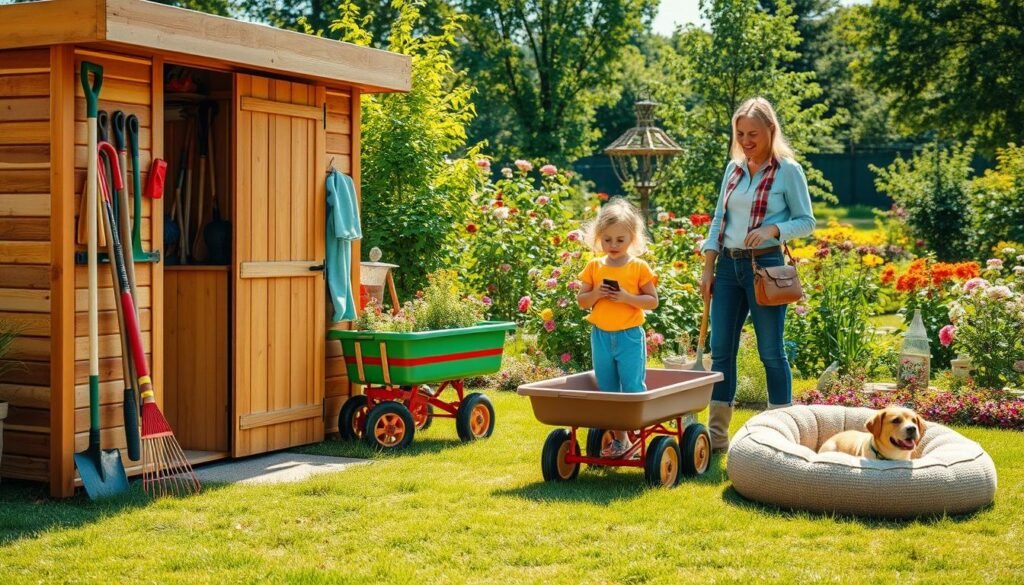
Think about using wall-mounted racks or high shelves in your shed or garage. These keep dangerous tools out of reach. Lockable storage boxes are great for keeping small tools and harmful chemicals safe.
By following these tips for child and pet-proofing your garden, you can make your garden safer. Always clean tools after use and put them away right away. A clean shed means your gardening tools won’t be a safety risk.
- Store sharp blades facing downward or inside protective sheaths.
- Keep all chemical fertilizers and pesticides in original, child-proof containers.
- Use heavy-duty padlocks on shed doors to restrict unauthorized access.
- Perform regular inspections of your storage area to identify any risks.
Designing a Kid-Centric Gardening Zone
Creating a special area for kids in your garden helps them love nature. It keeps them safe and lets them explore without messing up your flowers. This way, they can care for their own little garden.
Starting a gardening study with kids makes learning fun. Teach them how seeds grow into plants with these gardening tips for kids. Seeing a seedling grow is magical and teaches patience and curiosity.
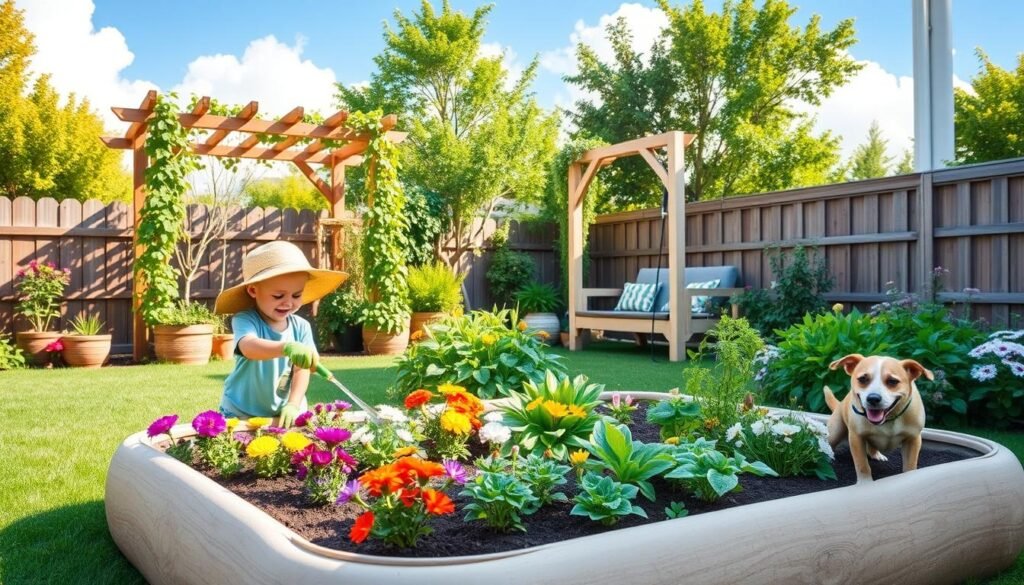
Good garden education starts with the right tools for kids. Gardening lessons for kids can teach about leaves and pollinators. These lessons help them learn about biology and the environment.
Doing garden activities for kids keeps them active and outdoors. Try educational gardening activities for children like making a sensory herb garden. These activities make learning fun and not like schoolwork.
Teaching kids about planting is best when they get to dig in. For gardening for kids activities, pick fast-growing plants like radishes. Seeing plants grow quickly keeps them interested all season.
Wondering how to teach gardening to kids? Just be a good example. Show them how to water and tell weeds from seedlings. This way, they learn and stay safe in the garden.
Creating a Safe Environment for Indoor and Outdoor Pets
To keep your pets safe outside, you need to design your garden carefully. By using pet-safe garden practices, you can make your backyard a safe place for all. It’s important to check your garden for dangers that could hurt your pets.
Creating a safe space for pets and kids means removing dangers and hiding spots. Many plants and fertilizers can be toxic to dogs and cats. Choose safe plants and keep chemicals locked away to avoid accidents.
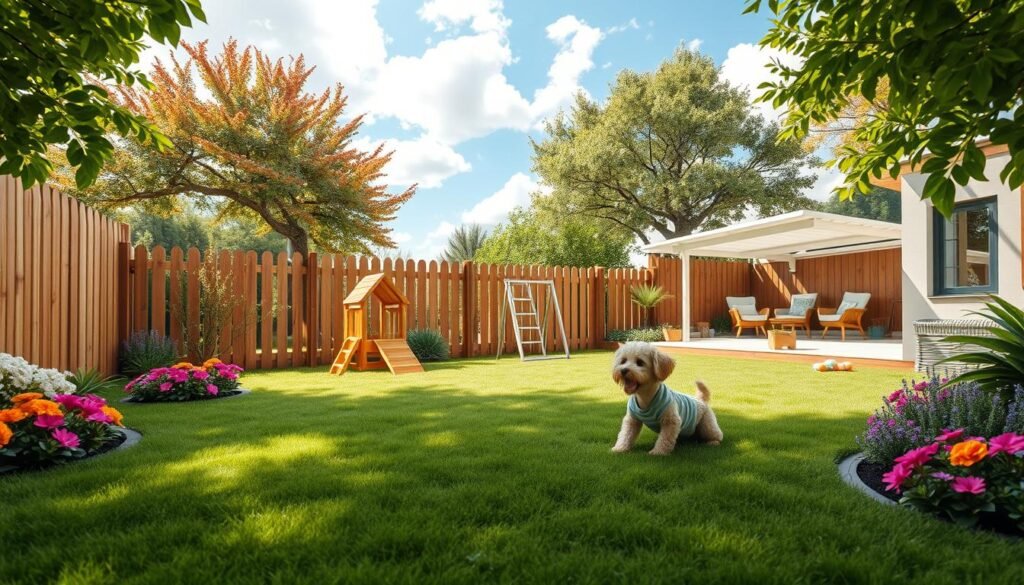
To keep your pets happy and healthy, follow these garden steps:
- Install secure fencing to keep pets from getting lost or hurt.
- Check for toxic plants like lilies and azaleas that can harm animals.
- Provide shaded areas to keep pets cool in the summer.
- Use organic pest control to avoid harmful chemicals.
Keeping your pets and kids safe outside is key to a happy home. By checking your yard, you lower the chance of accidents. A well-designed garden lets pets enjoy the outdoors while you relax.
Maintenance Schedules for a Secure Garden
Creating a regular gardening schedule is key to a peaceful outdoor space. Regular care is your main defense against garden hazards prevention. It keeps your yard safe all year round. With a trusted gardening guide, you can avoid big problems before they start.
We’ve made a simple gardening checklist for you. It helps you manage your tasks well. Whether you’re new to gardening or want to grow your gardening knowledge, this routine keeps your garden safe. It makes sure safety is always first, without taking too much of your time.
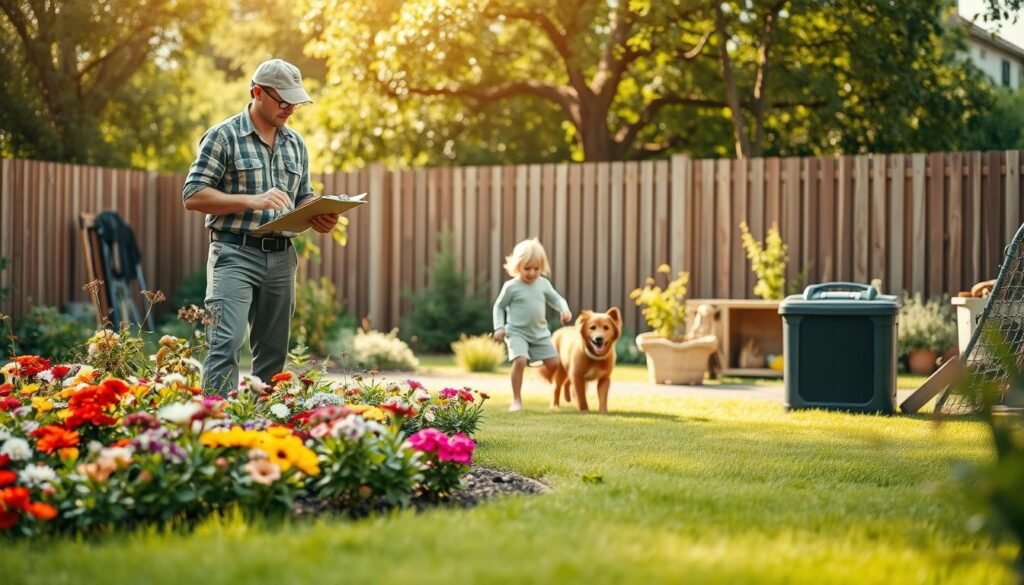
We think gardening should be easy for everyone. Knowing the right garden how to methods makes maintenance quick and easy. Here are some key tasks for your weekly and monthly routine:
- Check all fencing and gates for loose boards or sharp edges.
- Clear away fallen branches, debris, or slippery moss from walkways.
- Make sure all garden tools are stored securely in a locked shed.
- Look for any toxic growth or overgrown, thorny branches on plants.
- Test your irrigation system to avoid standing water or muddy spots.
For more gardening schedule ideas, try organizing tasks by season. A well-planned gardening schedule helps you know when to prune, fertilize, or fix things. Being organized is the best way to keep a beautiful, safe garden for your kids and pets to enjoy all year.
Small Garden Inspiration for Modern Families
You don’t need a big estate for a beautiful outdoor space. Even a tiny small outdoor garden can be a functional area for kids and pets. With smart tiny garden ideas, you can make the most of your space.
Starting with a clear vision is key for new build garden ideas. Create small garden plans that are safe yet stylish. Here are some simple garden ideas to improve your space:
- Install vertical planters to save floor space for play.
- Use soft, rounded furniture edges to prevent bumps and bruises.
- Create dedicated zones for sandboxes or pet lounging areas.
- Incorporate non-toxic, durable ground covers like clover or wood chips.
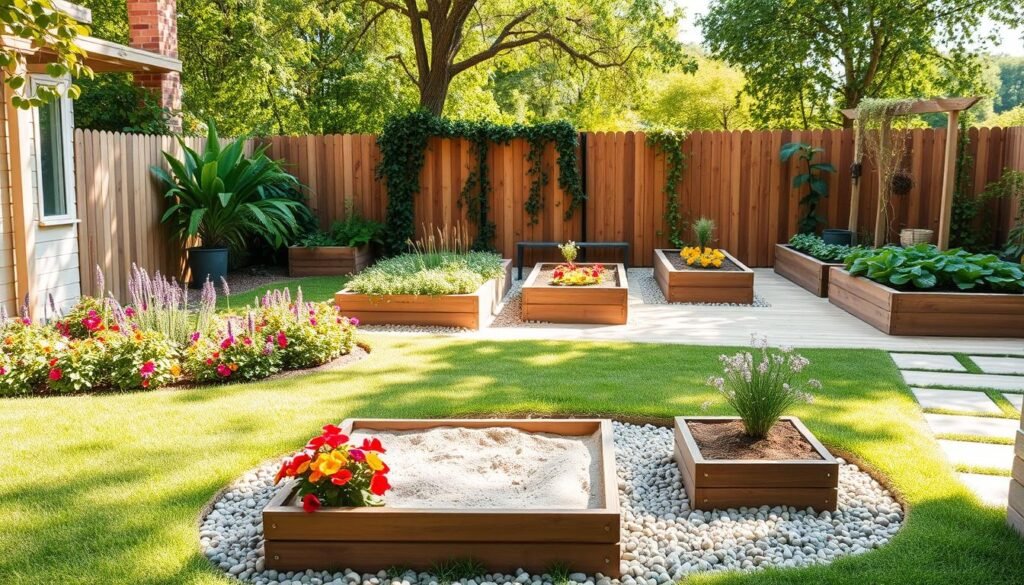
In small courtyard gardens, aim for a cozy feel. A tiny garden design can include a secure cat garden outdoor area. Use mesh fencing or enclosed catio structures to keep your cat safe while they enjoy the outdoors.
For small garden inspiration, think vertical and multi-purpose. A dwarf willow tree can offer shade without taking up too much space. With the right small garden landscaping, you can find many garden inspiration ideas. Discover your small garden design possibilities and get inspired for your next project.
Conclusion
Turning your backyard into a safe space takes hard work and a clear plan. Keeping your garden safe for your family is a big responsibility. But it brings peace of mind and joy to everyone.
You have the tools to make a safe place for kids and pets. Taking care of your garden keeps it safe from the weather and everyday damage.
Making small changes can make a big difference in keeping your garden safe. Brands like Scotts or Fiskars have great products to help you. Your efforts turn your lawn into a beautiful, safe place for everyone.
Keep improving your outdoor space as your family grows. Focusing on safety lets you enjoy making memories without worry. Enjoy your beautiful garden with your loved ones today.